
For those who want to experience the rugged beauty of the Appalachian Mountains without sacrificing the comforts of home, Blue Ridge Parkway glamping is the perfect solution. This region has become a premier destination for luxury outdoor stays, offering everything from sophisticated canvas tents to modern geodesic domes tucked into the forest. Glamping allows you to fall asleep to the sounds of the mountain night and wake up to misty valley views, all while enjoying a comfortable bed and often a hot shower just steps away from the trailheads.
What to Expect from a Glamping Experience
Glamping near the Blue Ridge Parkway offers a wide variety of styles, catering to different levels of luxury. You might find safari-style tents perched on wooden platforms, complete with king-sized beds, fine linens, and private decks overlooking the ridges. Some sites offer more unique structures like yurts, which provide a sturdy and spacious circular living area, or high-tech domes with transparent panels for stargazing from your pillow. Many of these accommodations include amenities you wouldn't find at a traditional campsite, such as wood-burning stoves, small kitchenettes, and even en-suite bathrooms.
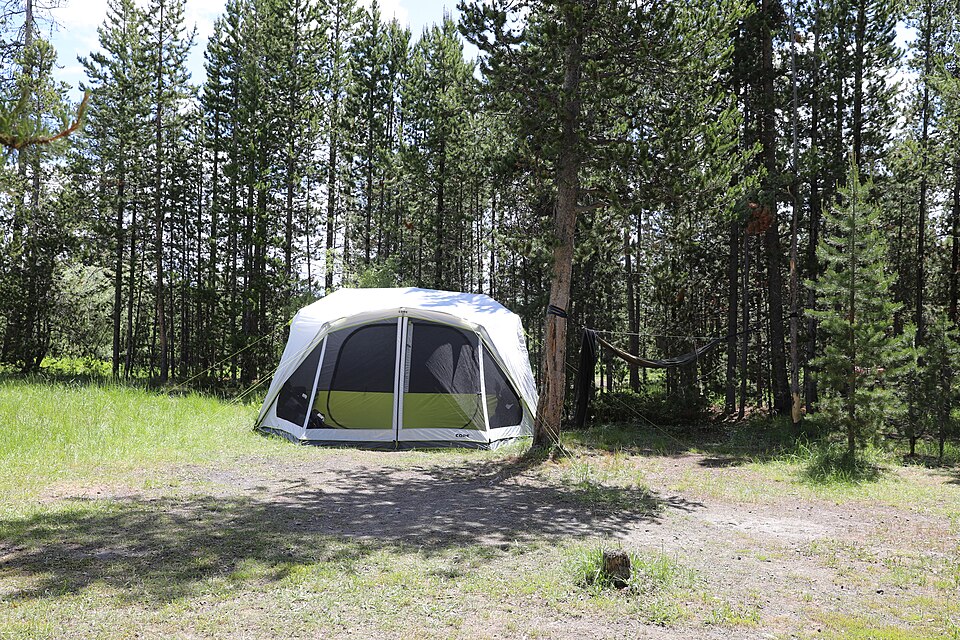
The focus of glamping here is on the connection with nature. Most sites are situated to maximize privacy and views, often located on the edges of gateway towns like Asheville, Boone, or Floyd. While you are technically 'camping,' the experience is designed to be hassle-free. You won't need to pitch a tent or sleep on the hard ground. Instead, you can spend your evenings around a pre-arranged fire pit, roasting marshmallows under a clear mountain sky, and then retreat to a climate-controlled or well-insulated space for a restful night's sleep.
Top Gateway Areas for Glamping Stays
The areas surrounding the Blue Ridge Parkway are dotted with diverse glamping opportunities. Near the northern end in Virginia, the Floyd and Meadows of Dan areas offer quiet, pastoral settings where you can find cozy yurts and bell tents close to sites like Mabry Mill. These locations are perfect for those who enjoy a mix of farm-to-table dining and scenic drives. Moving south into North Carolina, the High Country around Boone and Blowing Rock features elevated glamping sites that take advantage of the cooler mountain air and proximity to popular hikes like Rough Ridge.
The Asheville region is perhaps the most concentrated area for luxury glamping. Here, you can find upscale domes and vintage trailers that reflect the city's eclectic and artistic spirit. Further south near Waynesville and Brevard, glamping sites often lean into the 'Land of Waterfalls' theme, with accommodations located near rushing creeks and deep forest trails. Choosing a gateway town as your base allows you to enjoy the seclusion of a glamping site while remaining just a short drive away from the parkwayâs most iconic overlooks and local amenities.
Glamping vs. Traditional Camping and RVing
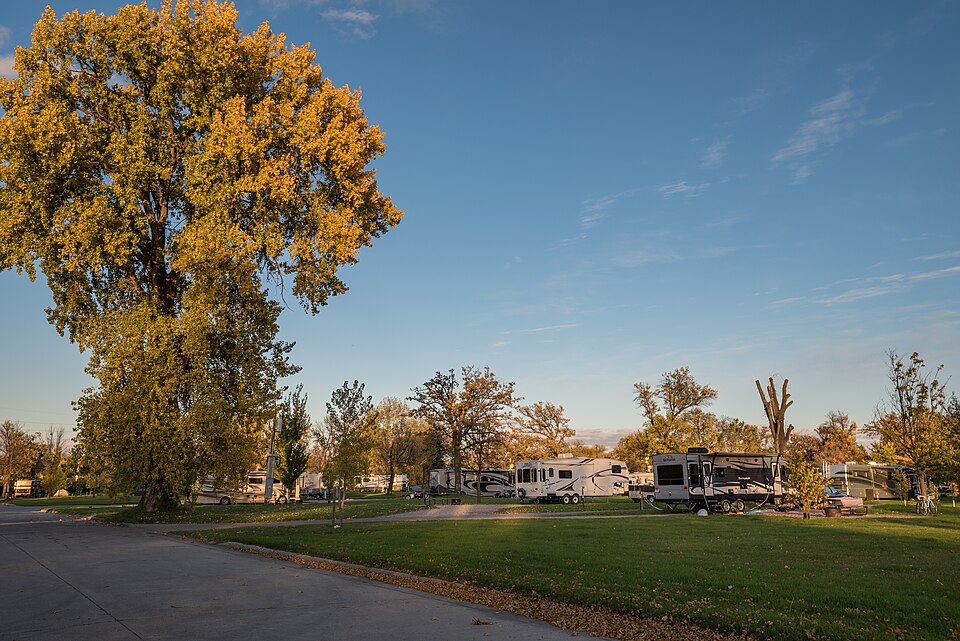
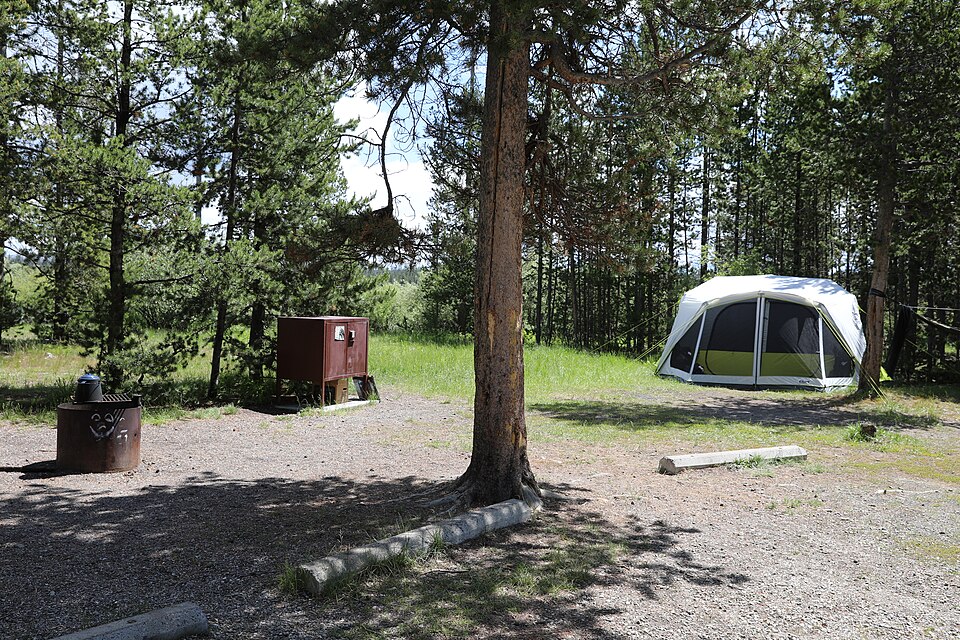
Choosing between glamping, traditional camping, and RVing depends on your preferred level of immersion and comfort. Traditional camping at one of the eight National Park Service campgrounds along the parkway is the most budget-friendly and authentic way to stay. However, these sites are rustic, often lacking hookups and requiring you to bring all your own gear. RVing is a popular middle ground, providing your own kitchen and bed, but driving a large rig on the narrow, winding parkway can be challenging for some, and specific length restrictions apply at many campgrounds.
Glamping sits at the top of the comfort scale. It is the ideal choice for travelers who want the outdoor atmosphere without the logistical burden of packing gear or the technicalities of hookups. While traditional camping and RV spots are located directly within the park boundaries, most glamping sites are on private land just outside the parkway. This often means you have better access to Wi-Fi and electricity than you would at an NPS site. For a special occasion or a stress-free weekend, glamping provides a curated experience that traditional methods simply cannot match.
Seasonal Considerations for Your Stay
Timing is everything when planning a glamping trip in the Blue Ridge Mountains. The primary glamping season runs from late spring through the end of the fall foliage season in November. During the spring, you can enjoy the blooming wildflowers and rushing waterfalls, though you should be prepared for cool nights and occasional rain. Summer is the most popular time, as the high-altitude sites offer a refreshing escape from the humidity of the valleys. Most glamping structures are designed to be airy and cool during these months.
Fall is arguably the most spectacular time for glamping, as you can watch the leaves change color right from your porch. However, temperatures can drop significantly at night, so it is important to choose a site that offers heating or plenty of heavy blankets. Many glamping operations close during the winter months because the structures are not winterized for heavy snow or sub-freezing temperatures. Always check the specific availability of your chosen site and remember that the best locations often book out six months to a year in advance, particularly for the October peak.
Cost Estimates and Planning Tips
Glamping is generally more expensive than traditional camping, reflecting the luxury amenities and unique structures provided. You should expect to pay a daily rate comparable to a high-end hotel or a boutique lodge. These costs often include extras like firewood, high-quality coffee, and sometimes even breakfast baskets. Because these sites are often boutique operations with only a few units, they offer a level of personalized service and quiet that you won't find at a large commercial campground.
When booking, pay attention to the specific amenities listed. Some sites are 'off-grid' and use solar power and composting toilets, while others are fully plumbed and wired. If you are traveling with pets, be sure to check the individual siteâs policy, as many glamping locations are pet-friendly but may require an additional deposit. As with all mountain travel, check the official NPS site for road conditions before you arrive, especially if your glamping site is located at a high elevation. A little bit of research into the specific location will ensure your mountain retreat is exactly as relaxing as you imagined.