
Stretching 469 miles through the heart of the Appalachian Highlands, the Blue Ridge Parkway offers a different soul-stirring experience in every season. While most travelers flock to these winding roads for the legendary autumn colors, the spring and summer months provide lush greenery and cooler mountain temperatures that are perfect for outdoor exploration. Understanding the timing of your trip is essential, as the weather in the high elevations can be unpredictable and may affect road access or trail conditions significantly.
Experience the Peak of Fall Foliage
Autumn is widely considered the best time to visit Blue Ridge Parkway by photographers and nature lovers alike. From late September through early November, the mountains transform into a vibrant tapestry of crimson, gold, and burnt orange. Because the parkway spans a wide range of elevations, the color change happens at different times along the route. High-altitude spots like Mount Mitchell usually peak first in early October, while lower valleys near Asheville may stay colorful until early November.
Due to the immense popularity of the fall season, traffic can be heavy, especially on weekends. It is highly recommended to book your accommodations months in advance if you plan to visit during October. While the crisp air is perfect for hiking, you should be prepared for chilly mornings and the occasional frost. This is the busiest time for the parkway, so arriving early at popular overlooks like Linn Cove Viaduct is a smart way to beat the crowds and secure a parking spot.
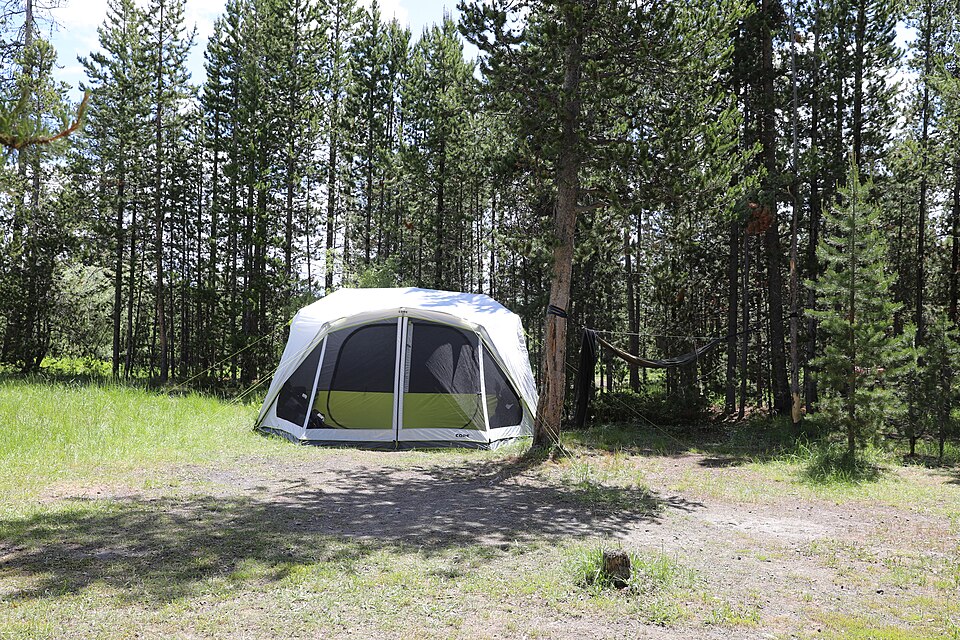
Lock in a stay for this season
RV parks near Blue Ridge Parkway on RoverPass
Partner link · RoverPass
Spring Blooms and Mountain Awakening
Spring on the Blue Ridge Parkway is a season of quiet renewal and spectacular floral displays. As the snow melts away, the forest floor comes alive with a variety of wildflowers, including trillium and violets. By late May and early June, the parkwayâs famous rhododendrons, mountain laurels, and flame azaleas begin to bloom, painting the hillsides in shades of pink, white, and orange. This is an ideal time for hikers who want to see waterfalls at their fullest capacity due to spring rains and snowmelt.
The weather during spring can be quite variable, with sunny afternoons quickly giving way to sudden thunderstorms or lingering mountain mist. Since the peak summer crowds haven't arrived yet, you will find more solitude on the trails and shorter wait times at visitor centers. It is a fantastic period for birdwatching as migratory species return to the southern Appalachians. Always check the official NPS site for road status, as higher sections of the parkway may occasionally close due to late-season spring freezes.
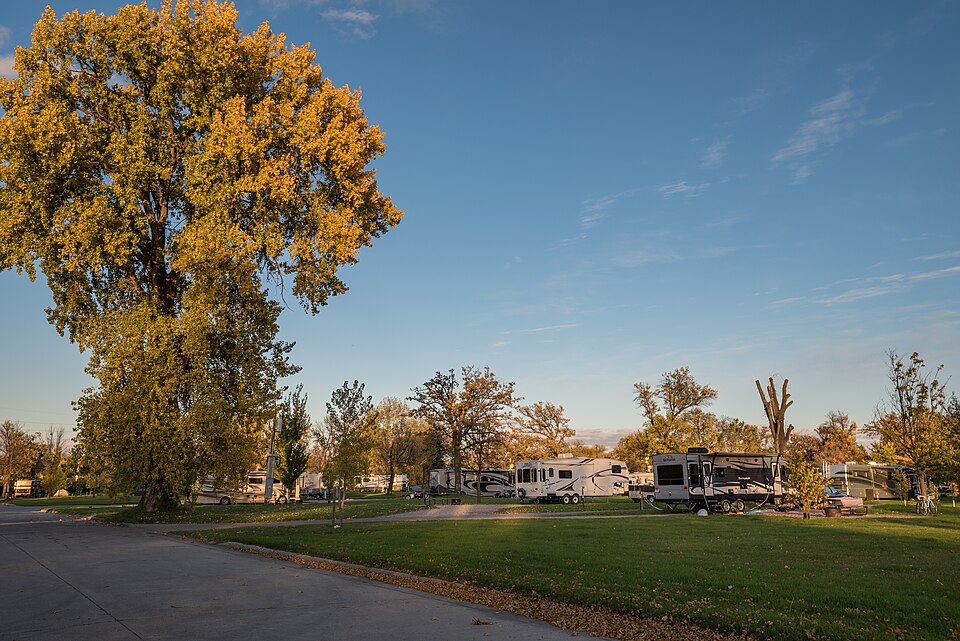
Lock in a stay for this season
Campsites near Blue Ridge Parkway on Campspot
Partner link · Campspot
Summertime in the High Elevations
Summer is a prime time for families and road trippers looking to escape the sweltering heat of the lowlands. Temperatures on the parkway are often ten to fifteen degrees cooler than in nearby cities like Charlotte or Roanoke. This temperate climate makes July and August perfect for long-distance hiking, picnicking at Doughton Park, or exploring the many historical sites along the route. The lush, deep green canopy of the forest provides plenty of shade for those venturing onto the trails.
While summer brings longer days and predictable weather, it is also a popular time for RV travelers and motorcyclists. You can expect moderate crowds at major attractions like Mabry Mill or the Peaks of Otter. Afternoon thunderstorms are common in the mountains, so it is best to plan your outdoor activities for the morning hours. This season offers the most consistent access to all parkway facilities, including campgrounds and visitor centers, making it a reliable choice for a full-length drive of the entire 469-mile route.
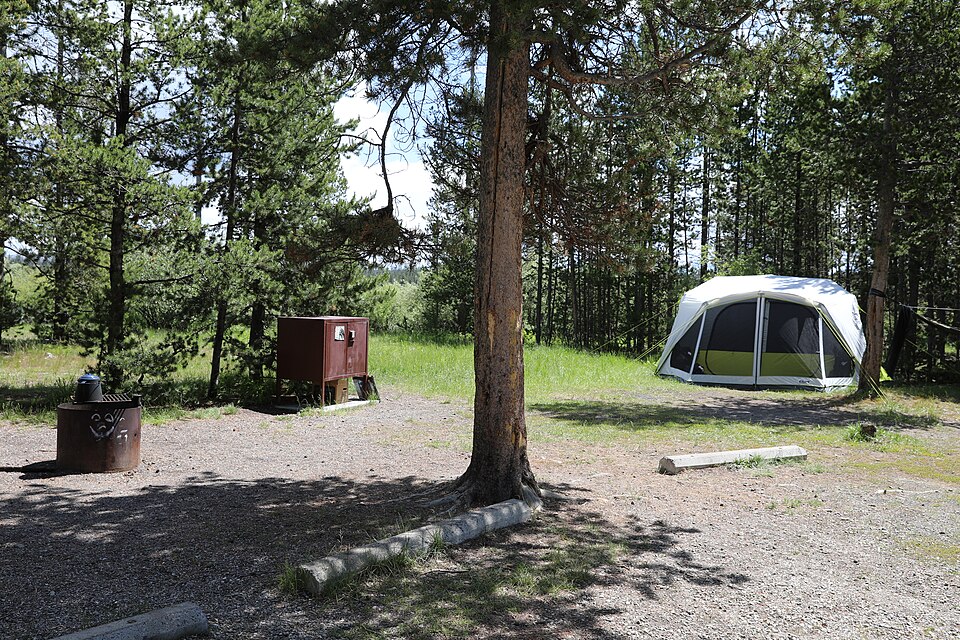
Lock in a stay for this season
Harvest Hosts stays on the way to Blue Ridge Parkway
Partner link · Harvest Hosts
Winter Solitude and Road Closures
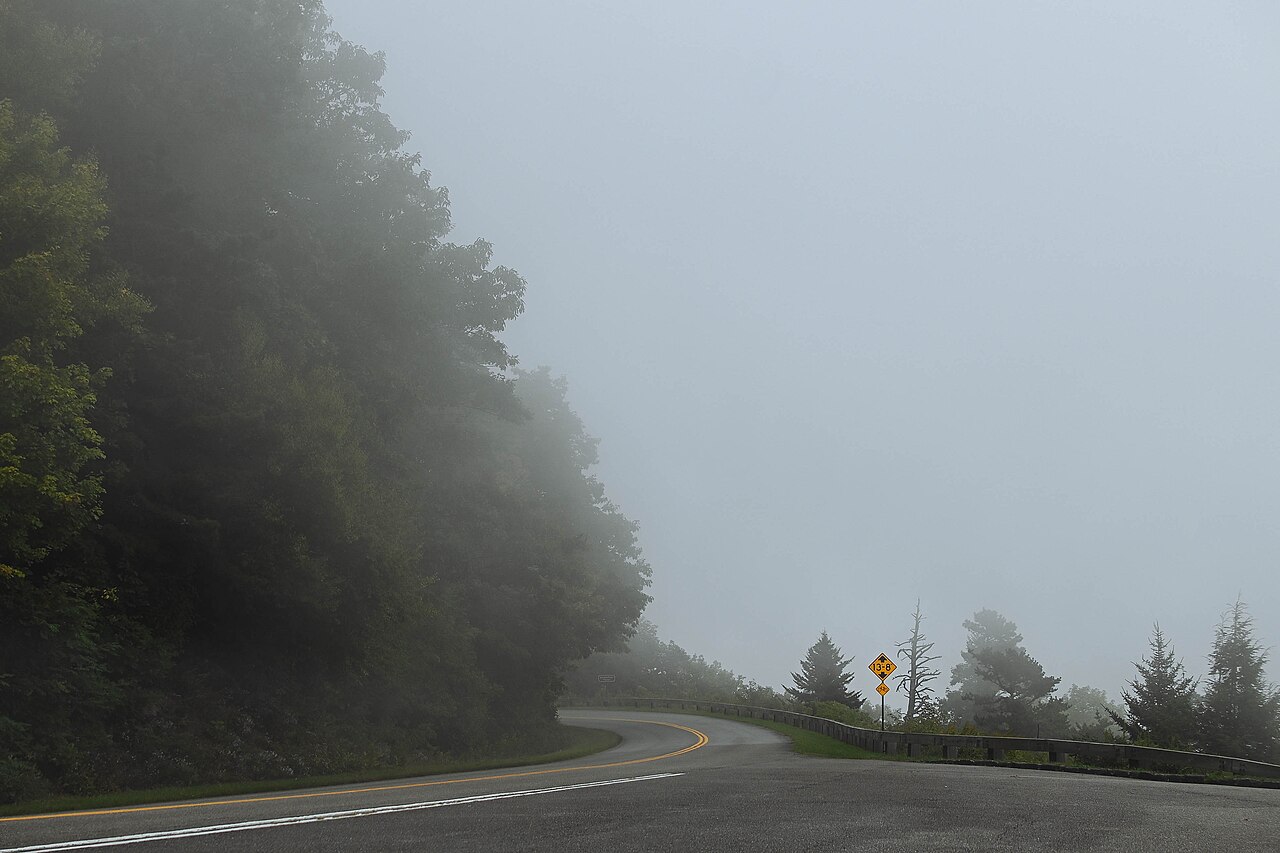
Winter offers a completely different perspective of the Blue Ridge Parkway, characterized by stark beauty and immense quiet. With the leaves gone, the long-range views from the overlooks are even more expansive, revealing the true topography of the mountain ridges. However, winter travel requires significant flexibility. The National Park Service does not plow the parkway, meaning large sections often close due to snow, ice, or tunnel hazards.
If you visit between December and March, you should treat the trip as a series of day excursions rather than a continuous drive. Many of the lodges, campgrounds, and visitor centers close for the winter season, so you will need to find amenities in the gateway towns. For those who enjoy solitude and are prepared with cold-weather gear, winter hiking can be incredibly rewarding. Just be sure to monitor the real-time road maps frequently, as conditions can change within minutes at high elevations. It is the only time of year when you might have a popular overlook entirely to yourself.
Managing Crowds and Reservations
Timing your visit to avoid the largest crowds requires a bit of strategy. Weekends from July through October are the peak times, especially near urban hubs like Asheville and Boone. If your schedule allows, visiting mid-week will provide a much more relaxed experience on the road and at the trailheads. For those aiming for a fall trip, consider visiting the northern Virginia sections or the southern ends in North Carolina during the shoulder weeks to avoid the absolute peak congestion.
Reservations are a critical part of your planning process. Whether you are looking for a spot at a national park campground or a room in a historic lodge, booking early is essential. Most campsites can be reserved up to six months in advance via the official federal reservation systems. If you are planning a multi-day journey, map out your stops ahead of time to ensure you aren't left searching for a place to stay after dark, as cell service can be spotty and driving the winding roads at night requires extra caution due to wildlife.
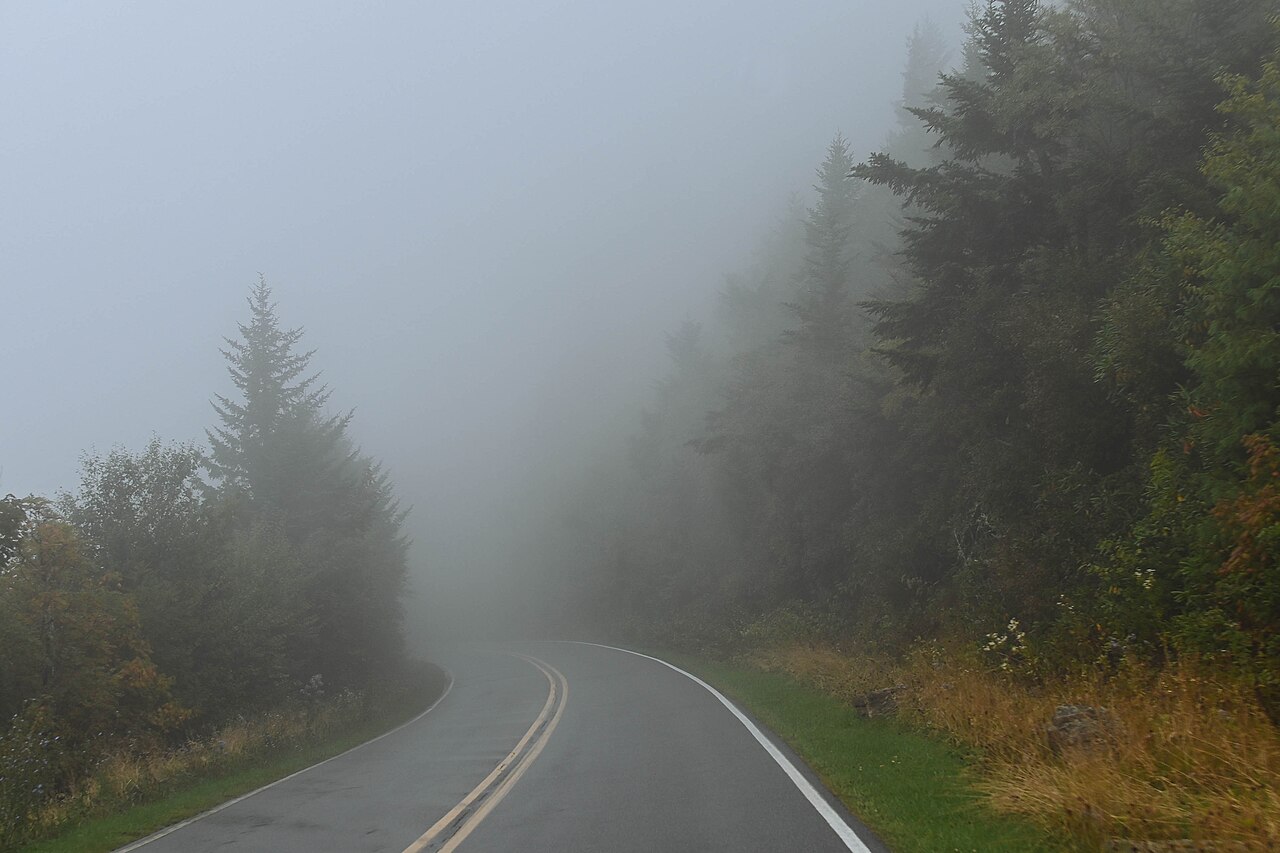
More ways to book Blue Ridge Parkway
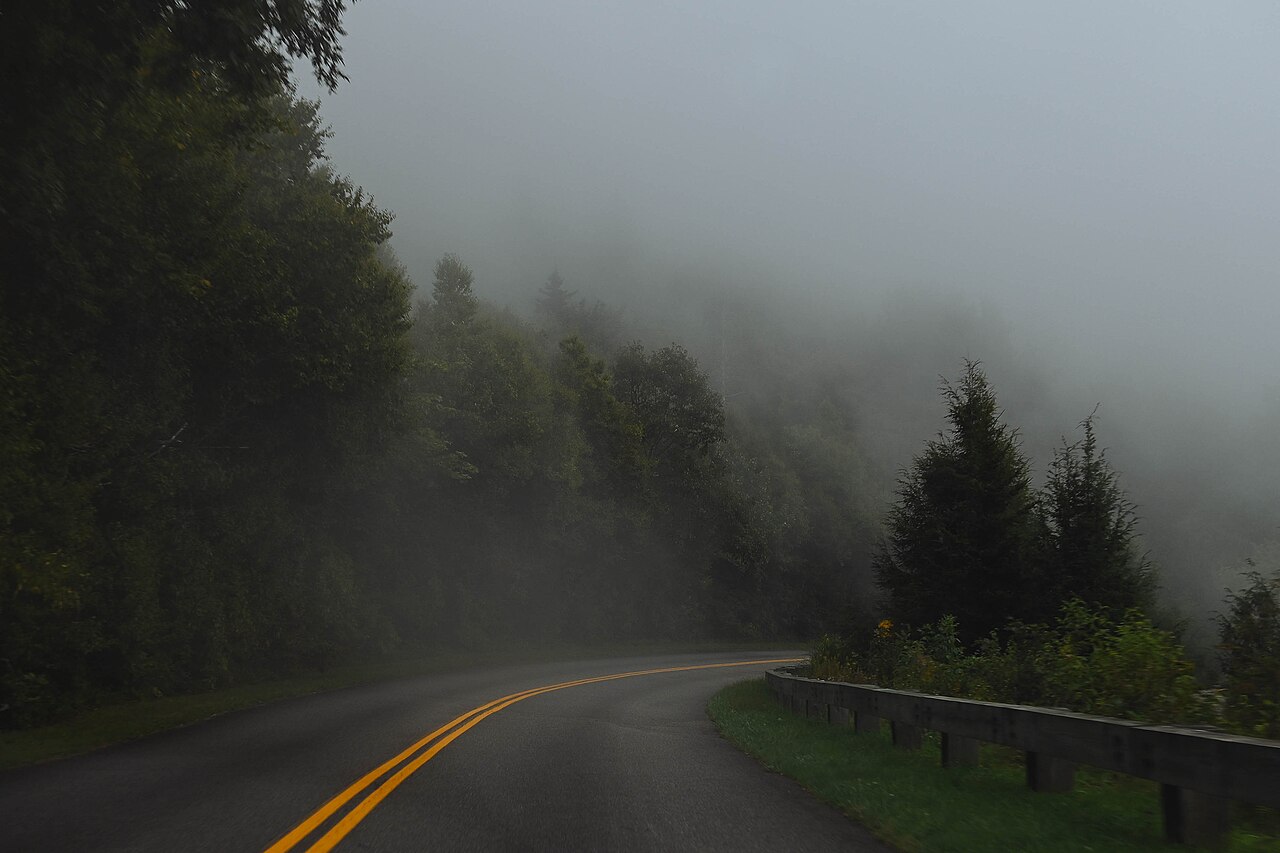 Illustrative · Maria newengland
Mabry Mill Visit
One of the classic ways to experience Blue Ridge Parkway.
Varies (estimate)
Partner link · Viator