
Big Sky makes it easy to build a trip around one big outdoor activity each day, then slow down over a meal or a mountain view. Skiing anchors winter visits, while summer opens up waterfall walks, alpine hikes, river outings, and scenic drives. Plan around the season and your group's experience rather than trying to squeeze every elevation and activity into a single weekend visit.
Ski or Take in the Mountain Scenery
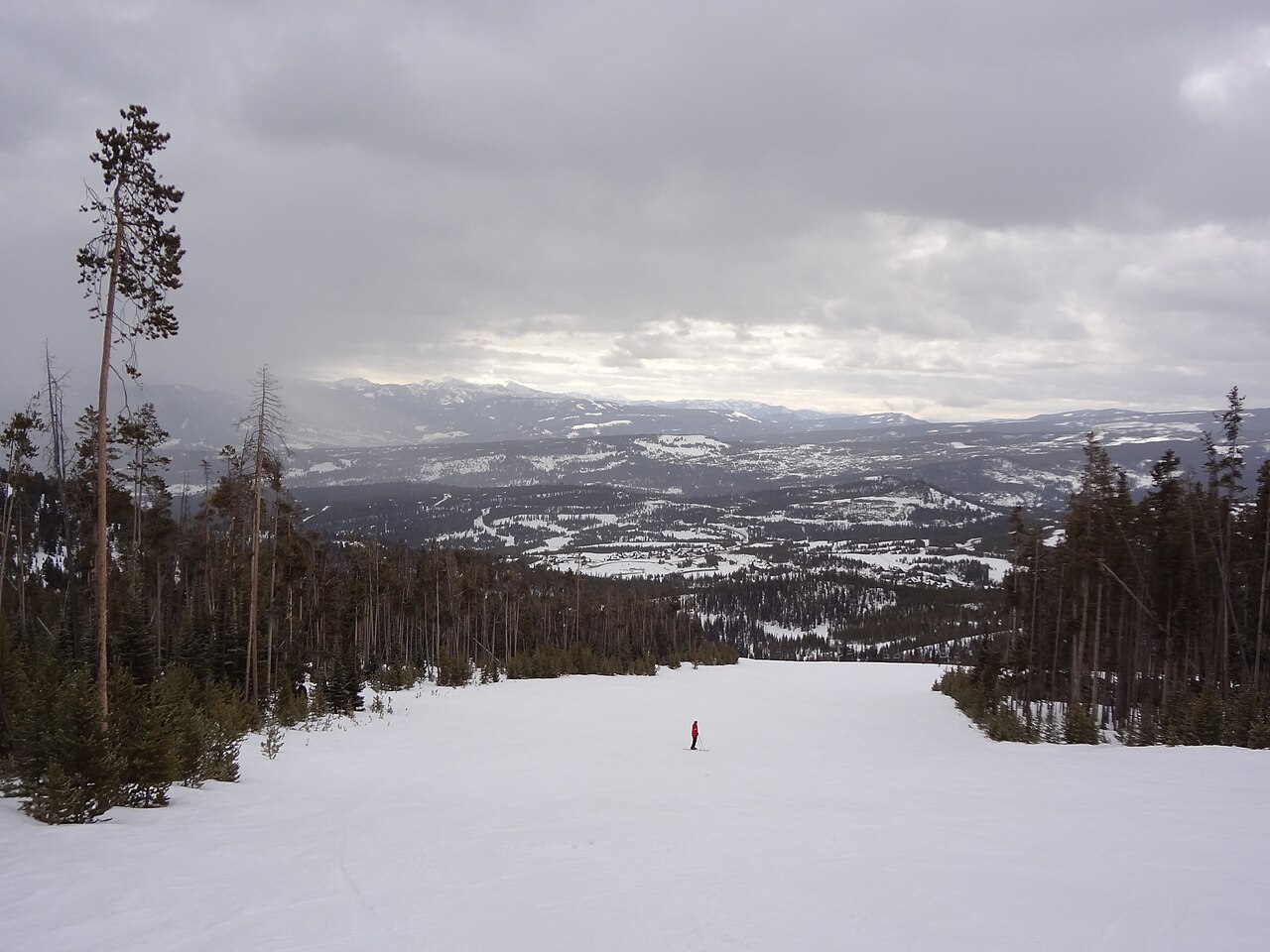
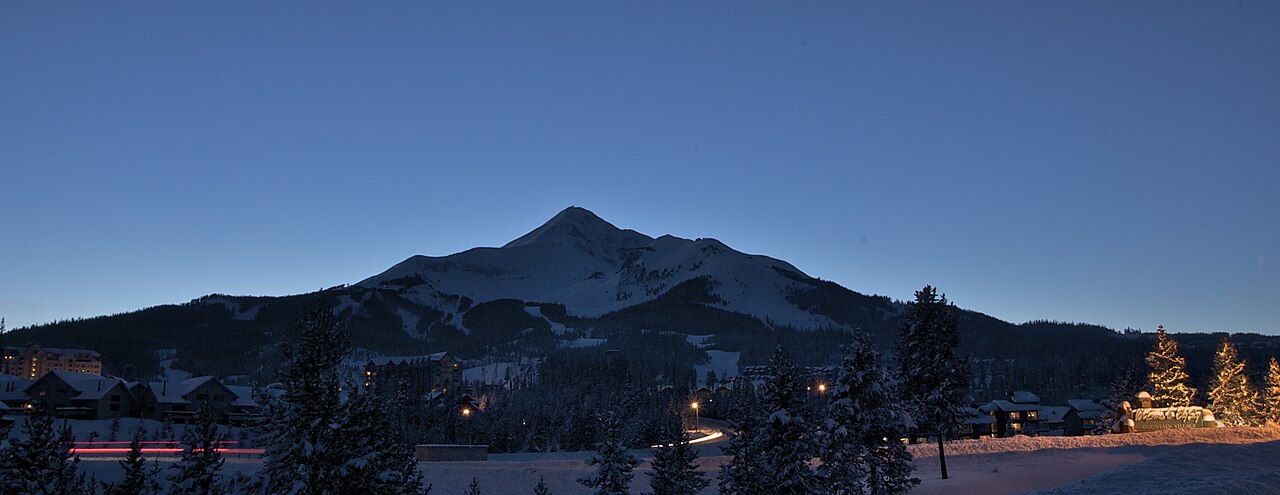
Big Sky Resort is the area's main winter attraction, with terrain that serves different ability levels across a large mountain setting. Beginners should prioritize instruction and suitable terrain rather than trying to cover the resort quickly. More experienced skiers should still review current terrain status, weather, and mountain rules before heading out.
In summer, sightseeing lifts and mountain activities may offer another way to appreciate the landscape without committing to a long hike. Operations, access rules, and weather restrictions vary, so consult the official resort website before planning your day around a particular lift or summit experience. Reserve lessons and equipment ahead during busy periods, and budget for mountain activities separately from lodging and meals.
Walk to Ousel Falls or Hike Higher
Ousel Falls is a popular introduction to Big Sky's trail scenery, with a wooded route leading toward a waterfall. It is a useful choice for travelers who want a shorter outing, but grades, steps, and changing footing mean it should not be treated as universally accessible. Ice can significantly change the experience outside summer.
For a more demanding mountain day, consider Beehive Basin when conditions support high-elevation hiking. Expect a greater commitment in distance, climbing, and exposure to changing weather. Carry water, layers, navigation, and appropriate bear-country equipment, and know how to use it. Check official land-manager reports before departure; neither a sunny forecast nor a busy trailhead guarantees a route is clear of snow.
Explore the Gallatin River and Canyon
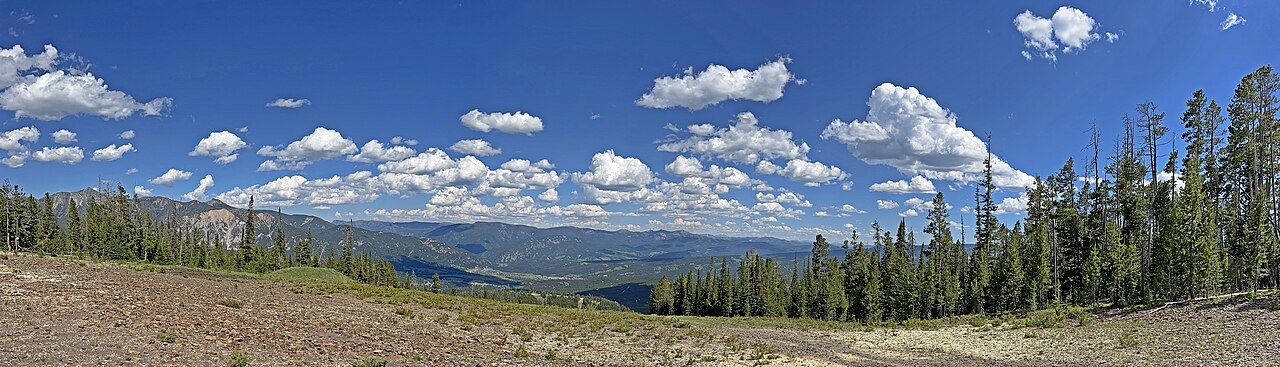
The Gallatin River and the canyon along US 191 provide some of the area's most memorable scenery. A drive toward Bozeman or West Yellowstone can include stops at established pullouts, but the highway also carries through traffic and should not be treated like a slow park road. Pull completely off the roadway only where stopping is permitted.
Rafting and fishing are seasonal options, with conditions shaped by runoff, water temperature, and regulations. Choose an appropriately licensed outfitter for guided activities, and check Montana's current fishing rules before casting. Riverbanks can also be good places to watch for wildlife from a distance. Keep children close near water, and never enter the river simply because a stretch looks calm.
Keep Family Days Simple
For families, a short waterfall walk, an unhurried picnic, and time in Big Sky's town areas can be more satisfying than an ambitious summit schedule. Build in snack breaks and let the youngest traveler set the walking pace. Ask about trail footing and current conditions before bringing a stroller, particularly after rain or during shoulder seasons.
In winter, book age-appropriate lessons early and allow time for fitting boots and equipment. In summer, ask activity providers about minimum ages, height requirements, and cancellation policies before promising a particular adventure. Wildlife spotting can be engaging in either season, but use binoculars and stay well back. Animals should never be fed, followed, or surrounded for photographs.
Have a Rainy-Day Plan and a Yellowstone Option
For a wet afternoon, slow down with a cafe stop, browse local shops, or use indoor amenities included with your lodging. Bozeman offers a broader indoor outing at the Museum of the Rockies, though the drive makes it a separate excursion rather than a quick backup. Check the museum's official website for current admission details and hours.
Yellowstone is another possible day trip, accessed through West Yellowstone when the relevant roads are open. It is not a reliable rainy-day substitute: much of the experience is outdoors, and driving distances inside the park are substantial. Choose a limited route and check the official NPS website for conditions, road status, entrance requirements, and any needed reservations.