
Big Sky glamping is about sleeping closer to Montana's mountain scenery without bringing a complete campsite from home. Depending on the property, that might mean a furnished canvas tent, a yurt, or a cabin with a more outdoorsy setting than a hotel. Search beyond Big Sky itself, compare amenities carefully, and plan around cool nights rather than assuming a summer booking will feel warm after sunset.
What Glamping Looks Like Around Big Sky
Glamping is a broad label, not a standard amenity package. A listing may offer a proper bed and lighting but still require a walk to shared bathrooms. Another may have an enclosed structure, private plumbing, and heat. Read the full description and recent property information before deciding how much comfort you are actually booking.
Ask specifically about bedding, heating, potable water, electricity, showers, cooking facilities, and food storage. Confirm whether parking is beside the unit or requires carrying bags along a path. Furnished tents can still admit outdoor sounds and temperature swings. If dependable indoor warmth or a private bathroom is essential for your group, prioritize those features over photographs and the glamping label.
Where to Search: Big Sky and the Gateway Areas
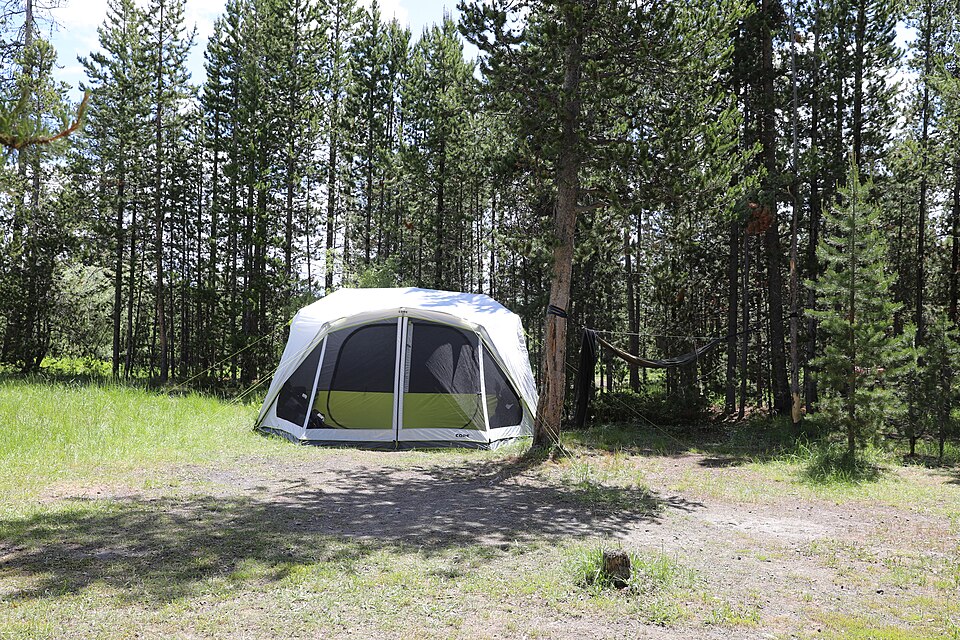
Start with Big Sky and Gallatin Canyon if easy access to local hikes or resort activities matters most. Search toward Bozeman and Belgrade for a stay closer to the airport and a broader range of town services. West Yellowstone is another gateway area to investigate if Yellowstone, rather than daily time in Big Sky, is your main priority.
These are search areas, not a promise of available glamping inventory. Compare each property's actual location and driving route before booking; an address marketed as being near Big Sky may involve a substantial daily drive. Check road access, particularly for remote sites, and ask whether the final approach is suitable for your vehicle and expected seasonal conditions.
Choose the Season for Your Sleeping Setup
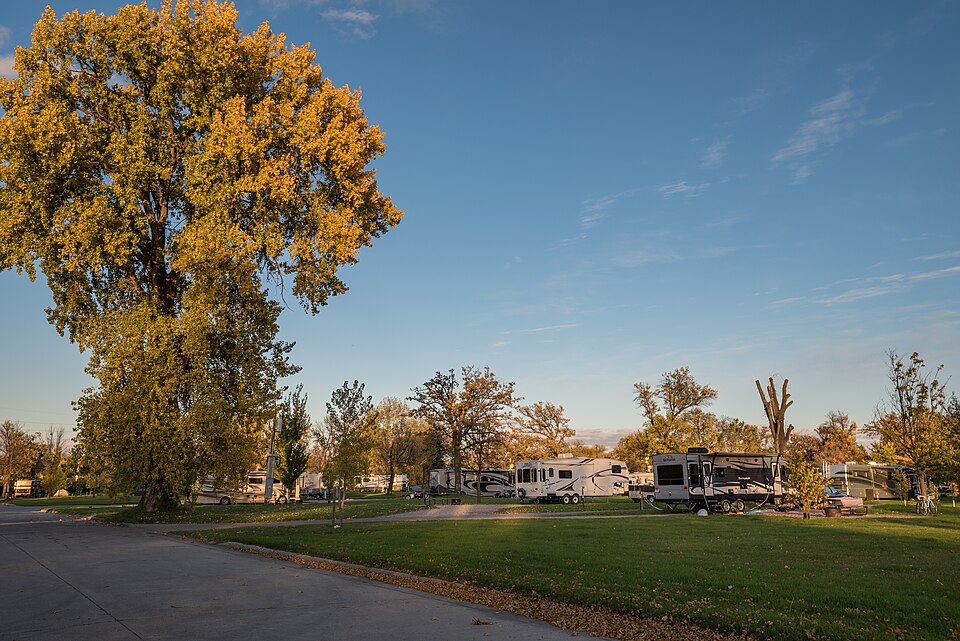
July through September is generally the most practical window for an outdoor-style stay, but nights can be chilly throughout summer. September brings shorter days and a greater chance of cold weather. Canvas accommodations may operate only seasonally, and opening dates do not necessarily mean every nearby trail is free of snow.
Spring can bring mud and wet gear, while winter requires accommodations explicitly designed and operated for freezing conditions. Do not assume a small heater makes a seasonal tent appropriate for a ski trip. Confirm insulation, heating arrangements, bathroom access, and snow-clearing procedures directly with the property. Review cancellation policies for weather disruptions, and check official land-manager or NPS reports before planning nearby outdoor excursions.
What to Pack for a Comfortable Stay
Bring warm sleep layers, an insulating jacket, rain protection, sturdy footwear, and a headlamp for nighttime trips outside. A reusable water bottle, sun protection, insect repellent, and a small daypack will cover many daytime needs. Ask whether towels and all bedding are supplied before using valuable luggage space on duplicates.
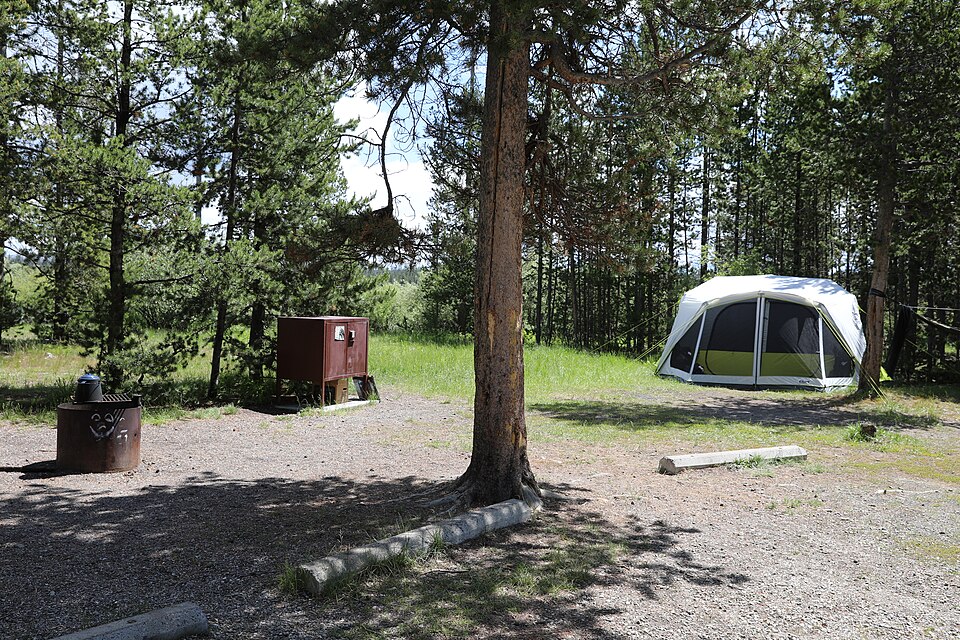
For cooking, confirm what equipment is provided and whether food preparation is allowed at your unit. Follow the property's bear-aware storage rules for food, toiletries, trash, and other scented items; never keep them in a sleeping tent. Carry appropriate hiking supplies and learn local bear-country guidance. Check current fire restrictions with the relevant land manager, and do not assume a pictured fire pit means fires are permitted.
Glamping vs. Tent Camping vs. an RV
Choose glamping when you want a bed and less setup while keeping an outdoor setting. Traditional tent camping usually means bringing more equipment and handling more weather exposure, but it can offer greater flexibility in campsite style. An RV provides an enclosed living space, though hookups, vehicle size limits, and legal overnight parking require advance planning.
Costs vary widely by season and amenities. Treat every advertised rate as only part of a rough trip estimate, then review cleaning fees, minimum stays, equipment rentals, and cancellation terms. Glamping is not automatically cheaper than a hotel. For public campgrounds, check official Forest Service or NPS information and reservation links; for private stays, verify facilities and current access directly with the property.