
The best time to visit Big Sky depends on whether you picture snowy slopes or mountain trails beneath your boots. December through March is the main winter travel window, while July through September usually offers the most practical stretch for hiking and summer sightseeing. Spring and fall can feel quieter, but changing weather, muddy trails, and seasonal business closures make flexibility more important than a packed schedule.
Winter: December Through March
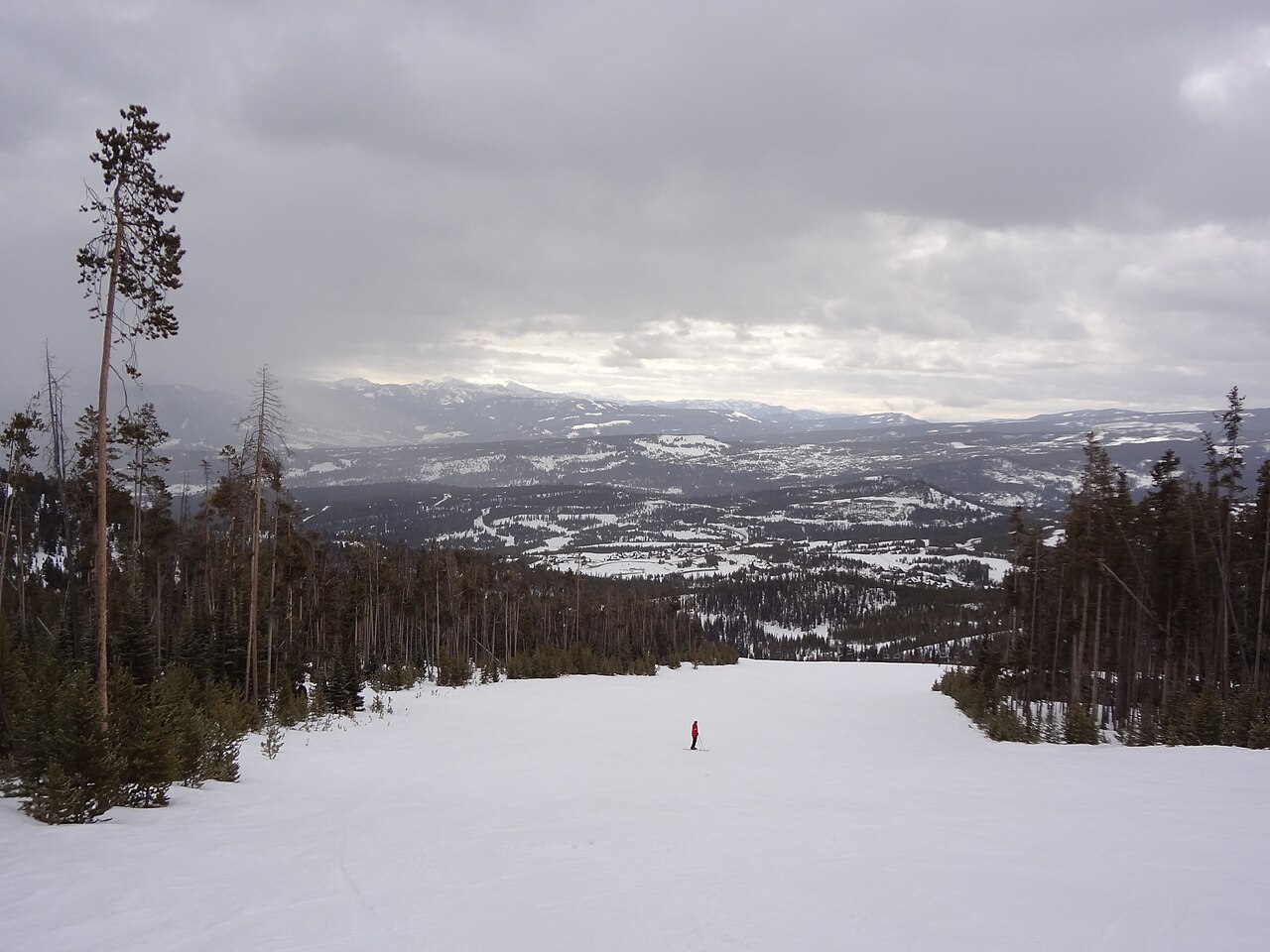
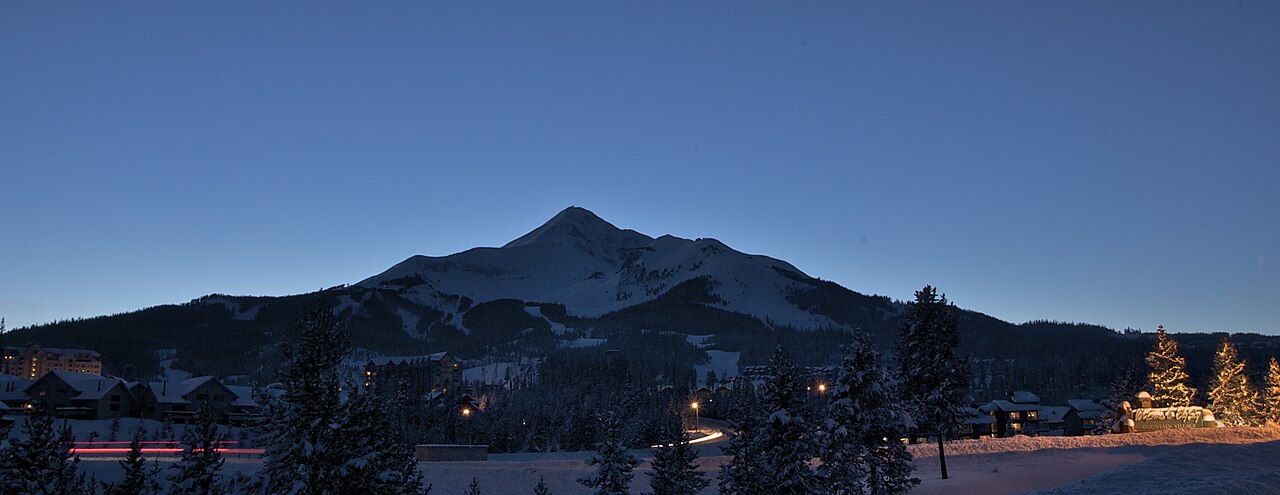
Winter centers on skiing, with Big Sky Resort drawing visitors to the slopes below Lone Peak. December can bring a festive atmosphere, though early-season terrain depends on snowfall. January and February are typically cold, and March offers longer daylight without putting an end to winter conditions. Pack insulated layers and allow extra time for snowy roads.
Christmas week, holiday weekends, and school breaks are popular travel periods. Reserve lodging, lessons, and rental equipment well ahead, especially if your group needs particular room layouts or beginner instruction. Check the official resort website for operating dates, terrain reports, and reservation requirements; snowfall alone does not tell you which lifts or runs are open.
Spring: April Through June
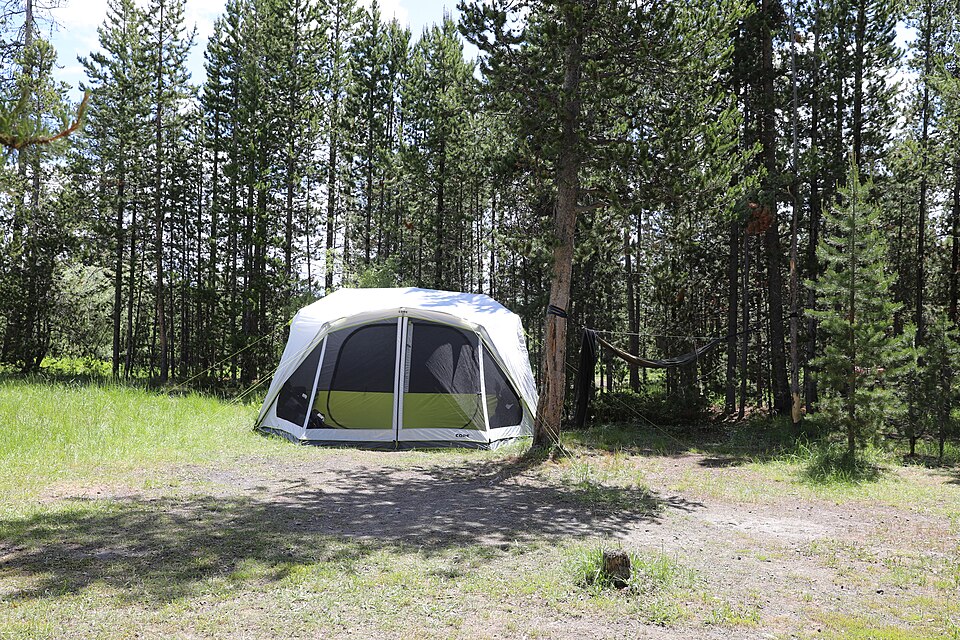
Spring is a transition rather than one consistent season. April may still offer resort skiing, depending on the operating calendar, while lower elevations gradually thaw. May often brings muddy ground and a mix of rain, snow, and sunshine. By June, lower trails may be inviting even when higher routes remain snow-covered.
This period suits travelers who can change plans and appreciate a quieter town. Some restaurants, activities, and lodging properties take seasonal breaks, so confirm availability before committing. Avoid treating a warm afternoon as proof that alpine trails are ready. Check land-manager trail reports, respect muddy-trail closures, and build your trip around accessible walks and scenery rather than a fixed high-elevation hiking goal.
Summer: July and August
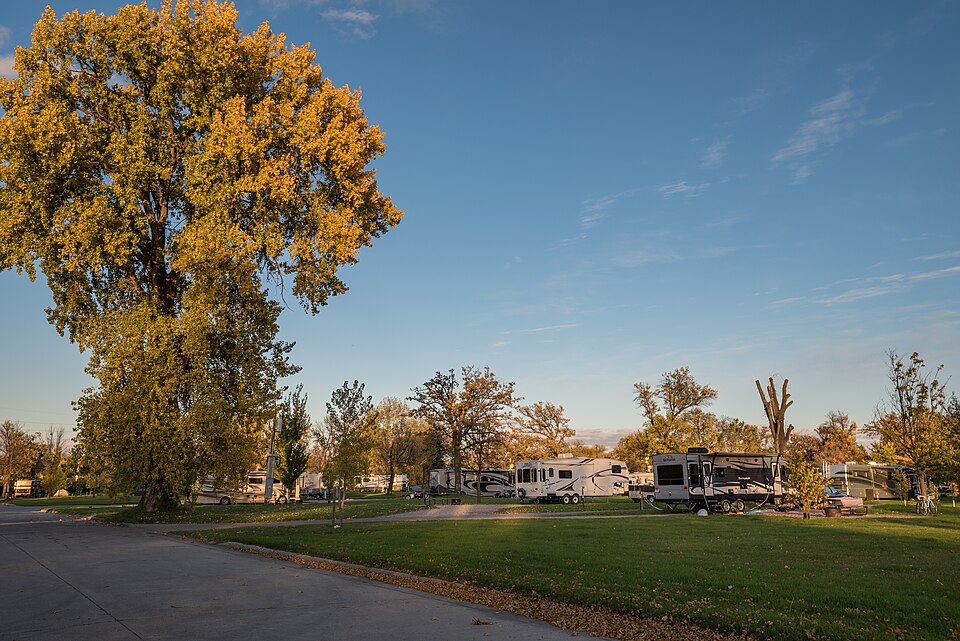
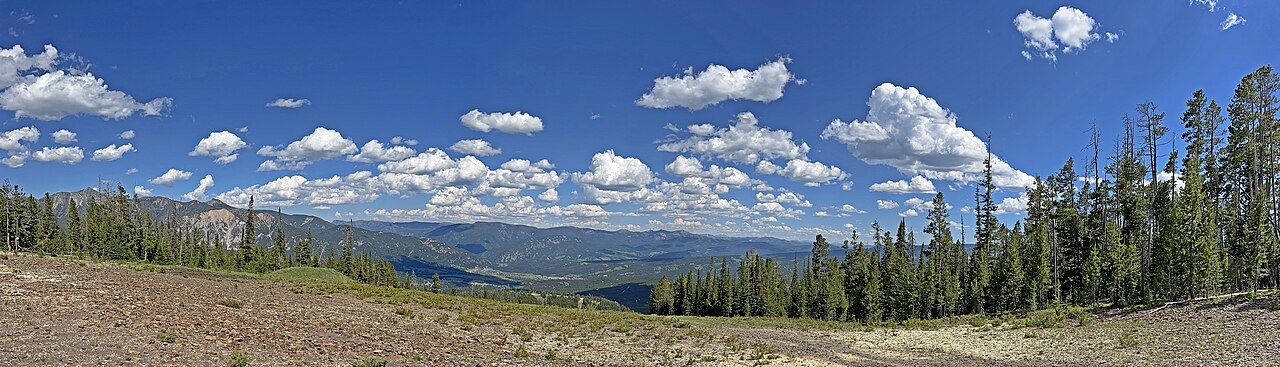
July and August are the most straightforward months for a hiking-focused visit, although lingering snow can still affect high trails early in the season. Days are often warm in the sun, nights cool down, and afternoon thunderstorms can interrupt exposed mountain outings. Wildfire smoke is another variable worth checking before and during your stay.
Summer also brings families, Yellowstone visitors, and busy trailheads. Book lodging and guided river activities ahead rather than expecting every option to be available on arrival. Start hikes early, carry rain protection, and leave room to turn around if conditions change. For Yellowstone excursions, consult the official NPS website for current road conditions, entrance information, and reservations.
Lock in a stay for this season
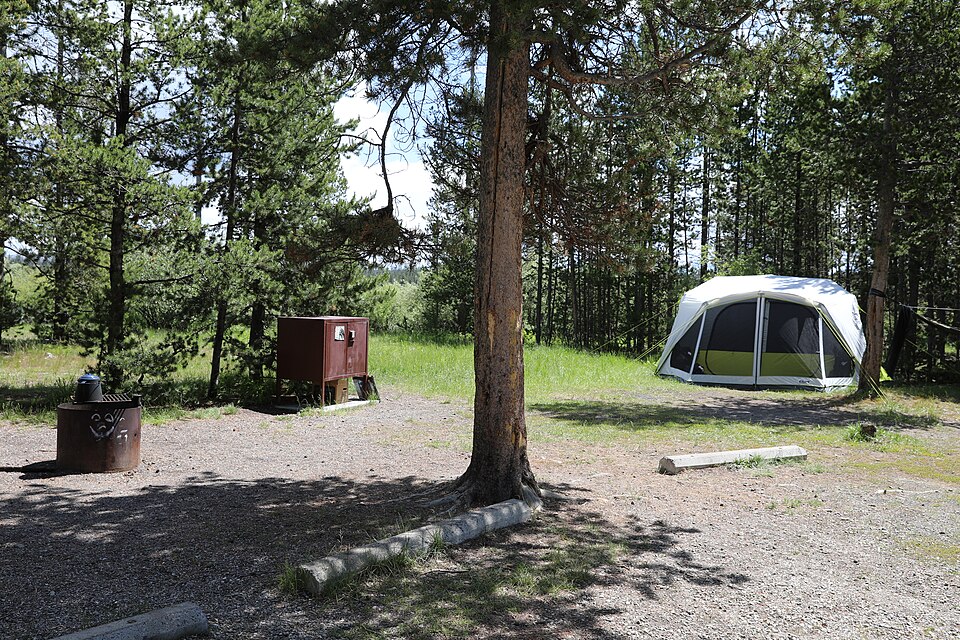
Harvest Hosts stays on the way to Big Sky
Partner link · Harvest Hosts
Fall: September Through November
September can be a rewarding compromise between summer access and a calmer atmosphere, particularly after the holiday weekend. Cooler nights and shorter days become noticeable, and mountain snow is possible even when town feels mild. Hiking plans should become increasingly conservative as the season progresses.
October and November are less predictable for an outdoor vacation built around one activity. Snow may limit hiking before regular winter operations begin, and seasonal businesses can close temporarily. If you visit then, choose lodging you would enjoy during an indoor afternoon and confirm dining options nearby. Fall wildlife activity also calls for extra attention on roads and generous viewing distances; never approach animals for a closer photograph.
When to Book and How to Choose Your Dates
Choose your main activity first, then match your dates to its realistic season. Winter holidays and midsummer generally warrant booking lodging several months ahead, with extra lead time for larger groups. Quieter spring and fall dates may offer more choice, but reduced operations can offset that flexibility. Compare cancellation policies alongside rough lodging estimates.
There is no single townwide permit for visiting Big Sky, but individual activities, campsites, and nearby park visits can have separate requirements. Recheck the official resort, Forest Service, and Yellowstone NPS websites as departure approaches. Weather forecasts become more useful close to travel, so keep at least one day flexible rather than reserving every outdoor activity back to back.
More ways to book Big Sky
 Illustrative · Brett
Gallatin River Fly Fishing
One of the classic ways to experience Big Sky.
Varies (estimate)
Partner link · Viator