
Big Bend rewards travelers who mix a few memorable hikes with slow drives, canyon viewpoints, and time outside after sunset. Its desert, mountain, and river landscapes are spread across a vast area, so the most practical approach is to group activities by location rather than chase every highlight in one day, leaving room for weather changes and the long drives back to your lodging each evening.
Drive Ross Maxwell Scenic Drive to Santa Elena Canyon
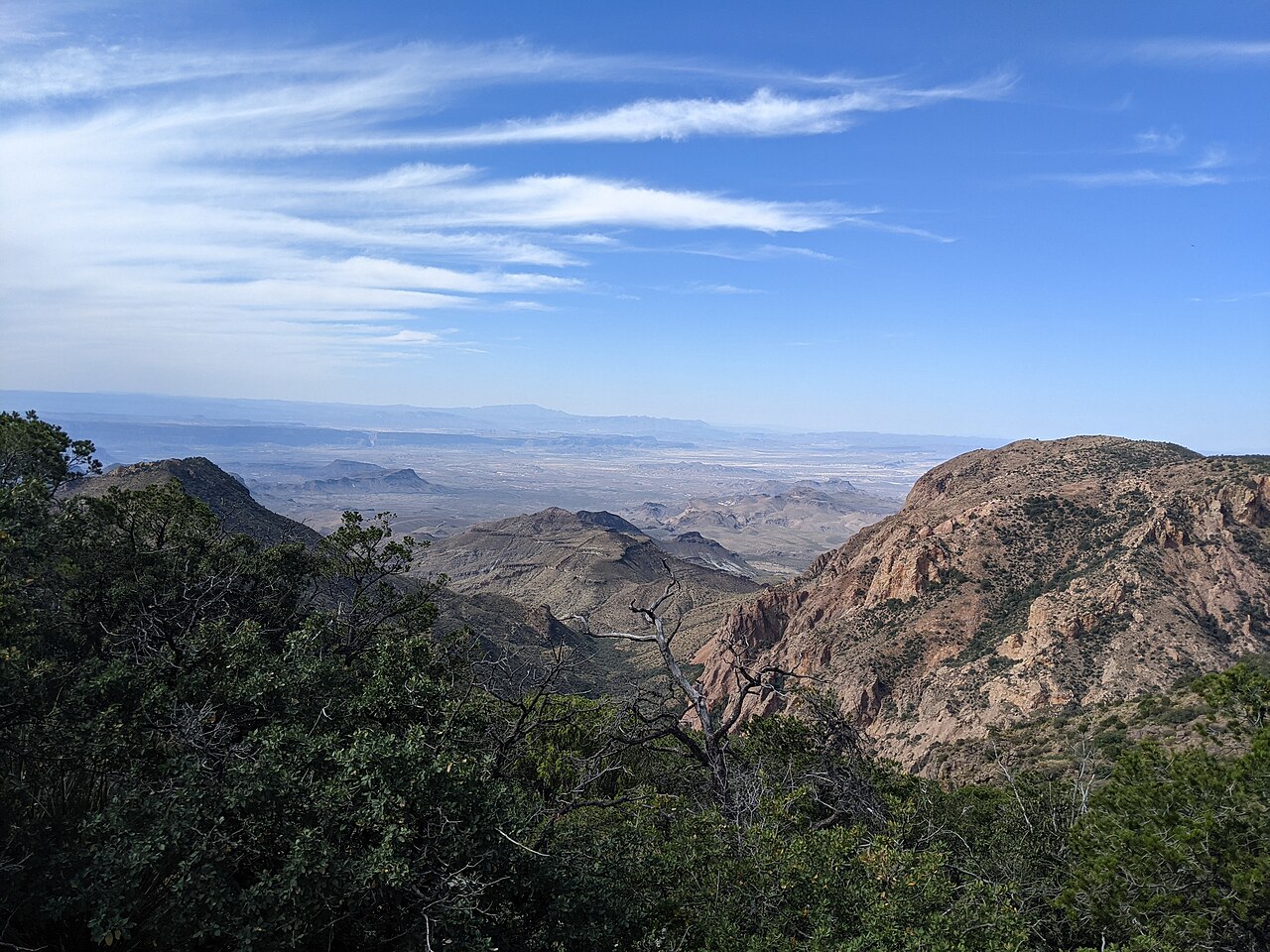
Ross Maxwell Scenic Drive is a natural starting point for understanding Big Bend’s scale. The route links desert overlooks and geologic scenery with access toward Santa Elena Canyon, where the Rio Grande runs between towering limestone walls. Allow time for stops rather than treating the drive as a quick transfer between trailheads.
At Santa Elena, the canyon trail can offer a closer look when access and conditions permit. Reaching it involves the Terlingua Creek area, where water, mud, or flooding may affect passage. Do not assume the route is passable because photographs show a dry approach. Check current NPS information, carry drinking water, and turn around rather than attempting a questionable crossing.
Choose Hikes by Elevation, Exposure, and Access
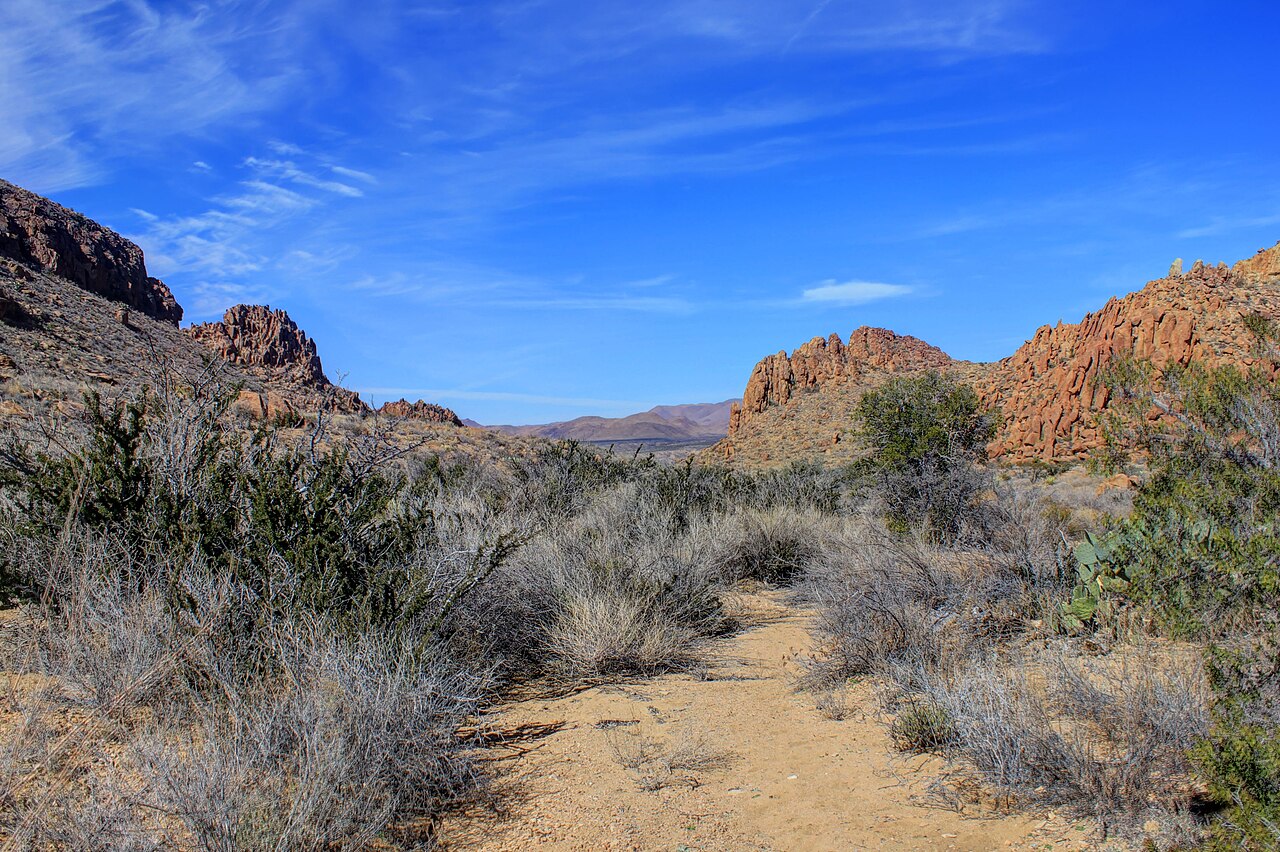
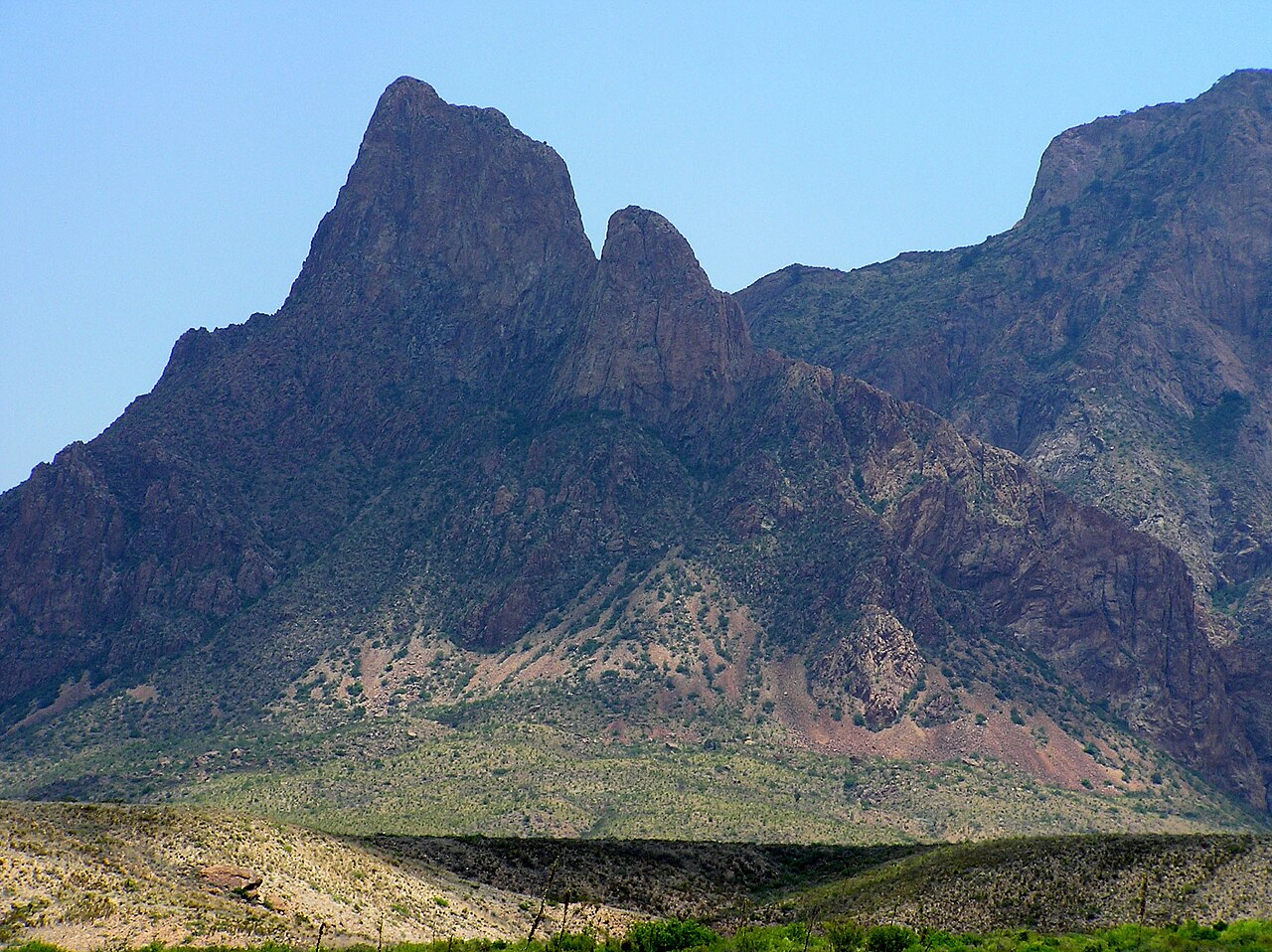
Big Bend’s hiking appeal comes from its contrasts: open desert, shaded stretches inside canyons, and mountain terrain in the Chisos. Lost Mine Trail is a well-known mountain hike, while Window View offers a shorter option in the Chisos Basin when that area is accessible. Mountain roads and trail access can be affected by construction, weather, or closures, so verify current conditions before committing a day.
Match the route to your group’s experience and the forecast, not just the mileage. A short exposed walk can feel demanding in desert heat, and climbing adds effort at higher elevations. Start early, carry adequate water and food, download maps in advance, and keep a turnaround time rather than pushing to finish at all costs.
Look for Wildlife, Enjoy Dark Skies, and Plan River Time
Birdwatching is especially rewarding around river vegetation and other places where water supports habitat. Look quietly from trails and viewpoints, and give all wildlife plenty of space. Black bears and mountain lions live in Big Bend; follow current NPS guidance for encounters and food storage rather than approaching animals for a photograph.
After dark, the park’s remote setting makes stargazing a standout experience. Choose an established stopping place, use a dim red light, and check cloud cover and moon phase. For paddling the Rio Grande, arrange an outing appropriate to your skills and current river conditions. Water levels vary, and permits or other requirements may apply. Check NPS river guidance before booking or launching; do not assume casual river crossings are permitted.
Keep Family Days Short, Varied, and Flexible
With kids, build each day around one main outing and several optional stops. The Fossil Discovery Exhibit offers an engaging introduction to the region’s prehistoric life, while short overlooks and nature walks can break up long drives. Ask at an open visitor center about Junior Ranger materials and activities suitable for your children’s ages.
Avoid promising a particular trail before checking heat, exposure, and access. Rio Grande Village has nature-viewing opportunities, but lower-elevation areas can become very hot. Bring water, snacks, hats, and an extra clothing layer, and take breaks before everyone is worn out. Restrooms, food, and fuel are not available at every stop, so plan practical needs before leaving your base rather than relying on spontaneous roadside services.
Rainy-Day Options and Weather Backups
Rain changes the plan in Big Bend, particularly around washes, canyons, and unpaved roads. Avoid routes threatened by flooding and never drive through water covering a roadway. A paved scenic drive is only an alternative when road conditions and visibility allow it; sometimes staying at your lodging is the more sensible choice.
For a lower-key day, visit an open park visitor center for exhibits, maps, and ranger guidance. The Fossil Discovery Exhibit is sheltered but not a fully enclosed indoor attraction, so it is not a substitute for appropriate shelter during lightning or severe weather. In a gateway town, leave room for a meal, reading, or trip planning. Check the official NPS website for current alerts and facility availability before setting out.