
Big Bend glamping usually means staying outside the national park in a furnished tent, dome, small cabin, or other desert accommodation with more comfort than a basic campsite. The appeal is open scenery and time under the stars, but amenities vary widely, so choosing the right location, heating or cooling setup, and bathroom arrangement matters more than booking a place simply because it looks striking in photographs.
What Glamping Looks Like Around Big Bend
Around Big Bend, glamping is a broad label rather than a consistent standard. A stay might provide a real bed and a private bathroom, or it might mean a furnished canvas tent with shared facilities and limited electricity. Some accommodations emphasize an off-grid experience, which can involve restrictions on appliances, water use, or charging devices.
Before reserving, confirm heating, air conditioning, bedding, bathroom access, drinking water, cooking facilities, and parking distance. Ask whether the access road is paved and whether your rental vehicle is suitable for the approach. Read cancellation and weather policies carefully. Nightly costs vary substantially by season and amenities, so compare the complete estimated stay cost rather than treating all glamping listings as equivalent.
Where to Base Yourself: Terlingua, Marathon, or Alpine
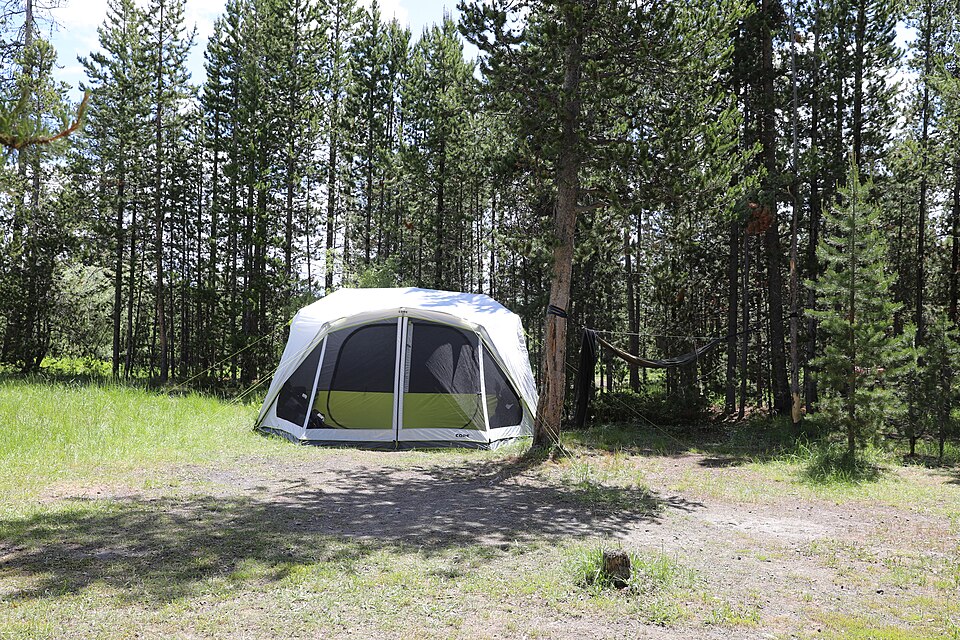
Terlingua and the nearby Study Butte area are practical places to look for desert stays near Big Bend’s western entrance. They work particularly well for a trip centered on Ross Maxwell Scenic Drive and Santa Elena Canyon, although drives inside the park remain substantial. A remote address described as being near Terlingua can still add considerable travel time.
Marathon suits travelers approaching the park from the north, while Alpine can work as a broader West Texas road-trip base or an overnight before continuing south. Both generally involve longer drives to major park sights than staying close to an entrance. Compare actual map locations, not just town labels, and check the final access road before booking. Do not assume private glamping accommodations are inside the national park.
Choose the Season for Your Accommodation
October through April is generally the most appealing window for Big Bend glamping, especially if you want to spend time outside during the day. Fall and spring can offer comfortable evenings, but desert temperatures swing and windy conditions can make tent-style lodging noisy or chilly. Winter stays require effective heating and suitable bedding, not just attractive outdoor seating.
Summer deserves extra scrutiny. A fan or open windows may not provide enough relief from intense desert heat, and some structures handle high temperatures better than others. Ask directly about climate control rather than inferring it from photographs. Reserve early for spring break and holiday periods, and check official NPS conditions before committing to hiking plans that depend on particular roads or trails.
Where to sleep
Harvest Hosts stays on the way to Big Bend National Park
Partner link · Harvest Hosts
What to Pack for a Comfortable Desert Stay
Bring layers for warm afternoons and cold nights, sturdy walking shoes, a sun hat, sunscreen, and reusable water containers. A headlamp is useful for paths between your room, parking area, and bathroom; a red-light setting helps keep nighttime lighting subdued. Download directions and maps before arrival because cell coverage can be unreliable.
Check what your host actually supplies before packing groceries and cooking gear. You may need a cooler, utensils, or extra drinking water even when a listing includes a kitchenette. Bring a charging bank and any personal essentials you would struggle to replace nearby. Follow property rules and current fire restrictions rather than assuming a campfire is allowed. Store food and trash as directed, and keep wildlife away from meals and supplies.
Glamping vs. Camping vs. an RV Stay
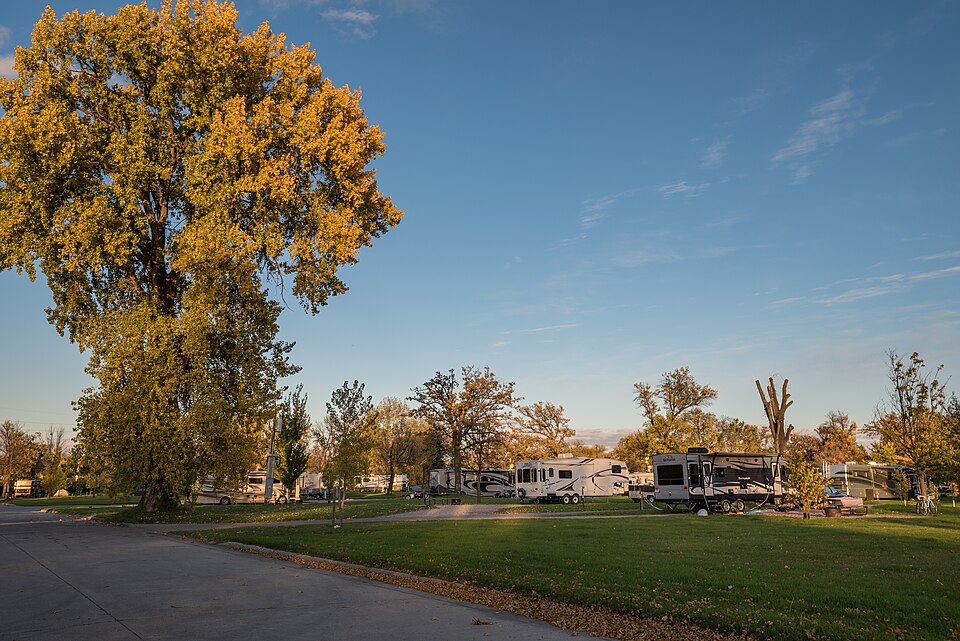
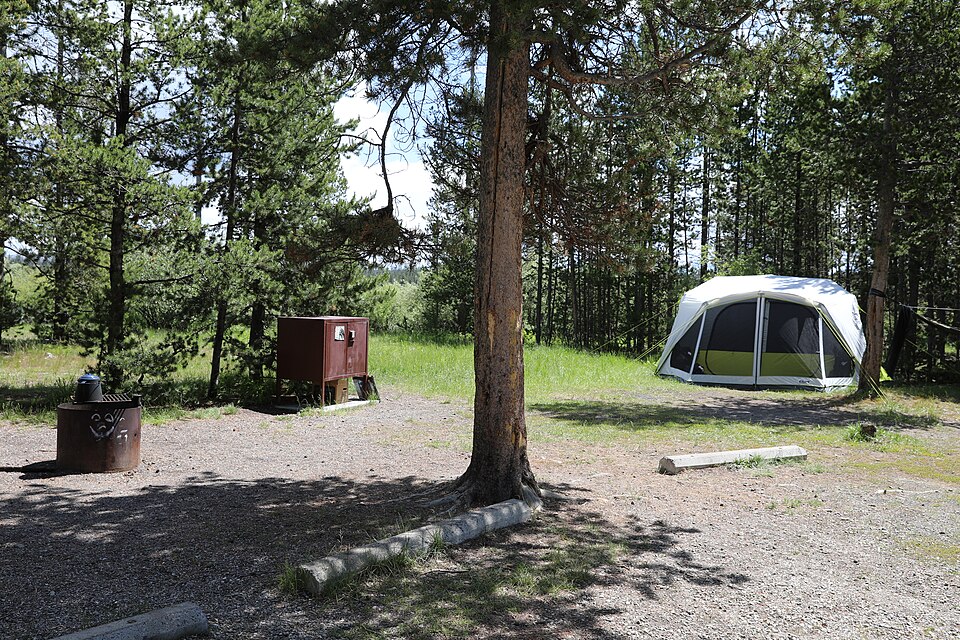
Choose glamping when you want a bed and a ready-made base without carrying a full camping setup. Traditional camping offers a simpler outdoor experience and may cost less, but you handle shelter, bedding, food storage, and weather exposure yourself. An RV provides a familiar sleeping and cooking space, though campsite size, hookups, road restrictions, and driving distances require careful planning.
None is automatically the most convenient choice: location and facilities matter more than the label. Compare rough total costs, including equipment or vehicle rental, fuel, cleaning charges, and trips into the park. For park camping, use the official NPS website to check reservations, campsite rules, and permit requirements. For private glamping or RV stays, confirm amenities and access directly with the property.