
The best time to visit Big Bend is usually October through April, when cooler conditions make desert walks, canyon viewpoints, and long scenic drives more comfortable than they are in summer. Within that window, your ideal dates depend on whether you want spring color, quieter winter weekdays, or fall hiking weather—and how far ahead you can arrange lodging in this remote corner of West Texas.
Spring: Comfortable Hiking, Busy Holiday Weeks
Spring brings appealing hiking weather, longer daylight, and the possibility of desert wildflowers, though blooms depend on rainfall and are never assured. March and April can feel warm on exposed trails, especially along the Rio Grande, while higher elevations may stay noticeably cooler. Start longer walks early and carry layers rather than planning around one temperature forecast.
Spring break is a major demand period for Big Bend, particularly in March. Campsites and lodging can fill well ahead, and popular trailheads may feel busy despite the park’s enormous size. If your schedule allows, choose weekdays outside school breaks. Check the official NPS website for current trail access, campground reservations, and any construction-related restrictions before choosing your base.
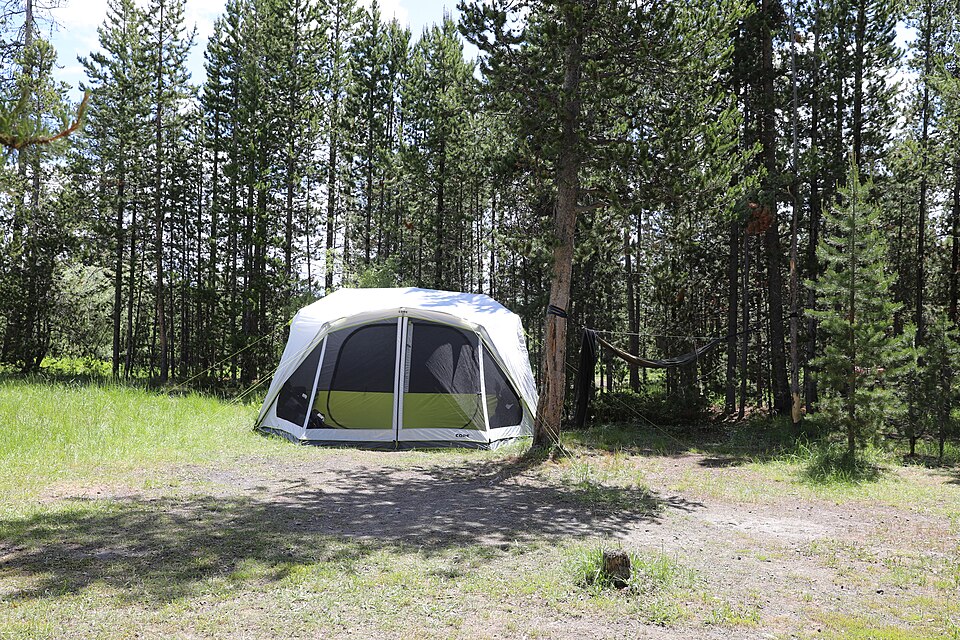
Lock in a stay for this season
RV parks near Big Bend National Park on RoverPass
Partner link · RoverPass
Summer: Heat Shapes the Whole Day
Summer is a challenging season for a hiking-focused visit. Desert temperatures can become extreme, and exposed canyon approaches offer little relief from the sun. Higher elevations may be cooler, but that does not make every mountain outing appropriate in hot weather. Plan short early outings, scenic drives, and substantial indoor breaks rather than full days on foot.
Summer thunderstorms can bring lightning, sudden runoff, and flash flooding in washes and canyons. Do not treat rainfall as an invitation to explore a dry creek bed or attempt a backcountry road. Check official forecasts and NPS alerts daily. If summer is your only option, prioritize dependable air conditioning in your accommodations and keep your itinerary flexible.
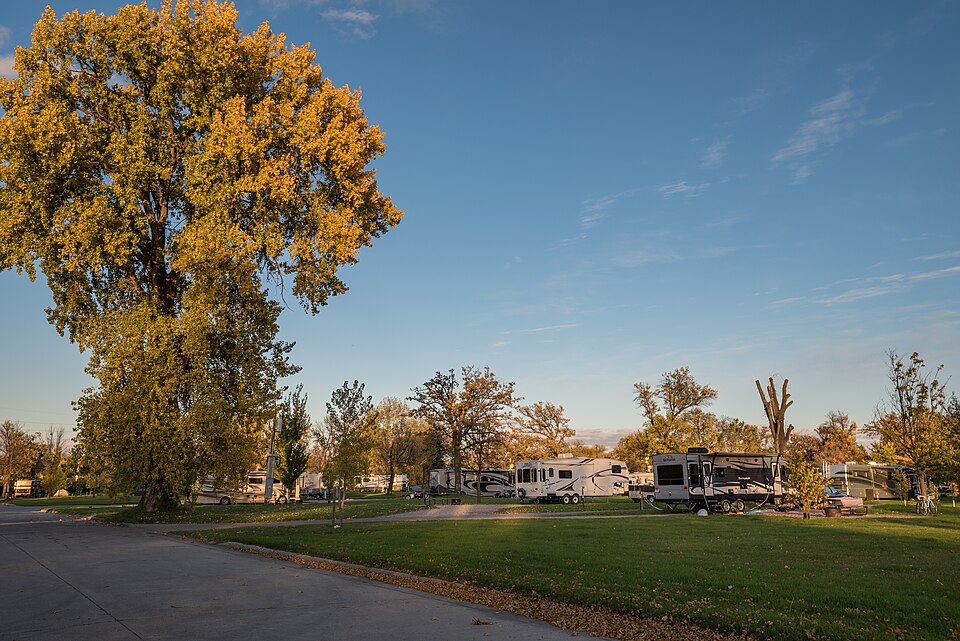
Lock in a stay for this season
Campsites near Big Bend National Park on Campspot
Partner link · Campspot
Fall: A Strong All-Around Choice
Fall offers a useful balance of hiking conditions, scenic driving, and evenings outside. September can still feel like summer at lower elevations, so October and November are generally more appealing for a desert-centered trip. Even then, warm afternoons and chilly nights can occur on the same visit. Pack sun protection alongside an insulating layer.
As temperatures moderate, more visitors return, and holiday periods can bring strong demand for lodging and campsites. Thanksgiving is not a reliable quiet alternative to spring break. Book once your dates are firm, especially if you need an RV site or a particular accommodation type. For stargazing, consider moon phase as well as season: bright moonlight changes the experience even under clear skies.
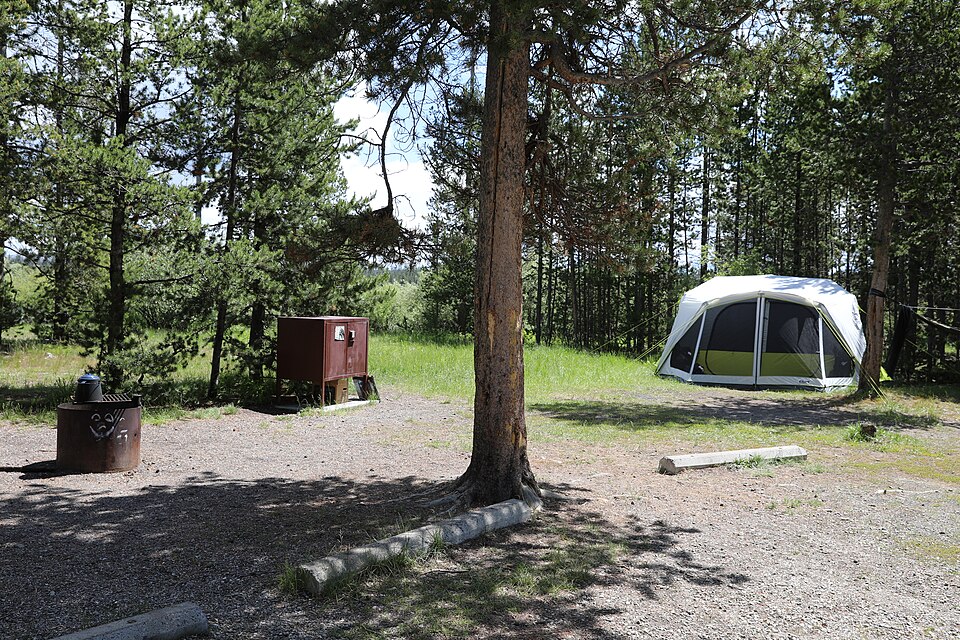
Lock in a stay for this season
Harvest Hosts stays on the way to Big Bend National Park
Partner link · Harvest Hosts
Winter: Quiet Possibilities and Cold Nights
Winter can be rewarding for visitors who prefer lower-elevation walks, canyon scenery, and unhurried drives. Sunny afternoons may be pleasant, but cold fronts can bring freezing temperatures, wind, and occasional snow or ice, particularly in the mountains. Daylight is shorter, so leave generous time to finish hikes and return to your lodging.
Weekdays outside Christmas and New Year’s periods may offer a quieter experience, though availability is never guaranteed. Choose accommodations with effective heating, especially if you are considering a tent-style glamping stay. Bring a warm jacket, hat, and layers for evenings. Check the official park website for road and trail conditions before heading toward higher elevations, and keep a lower-desert alternative in your plans.
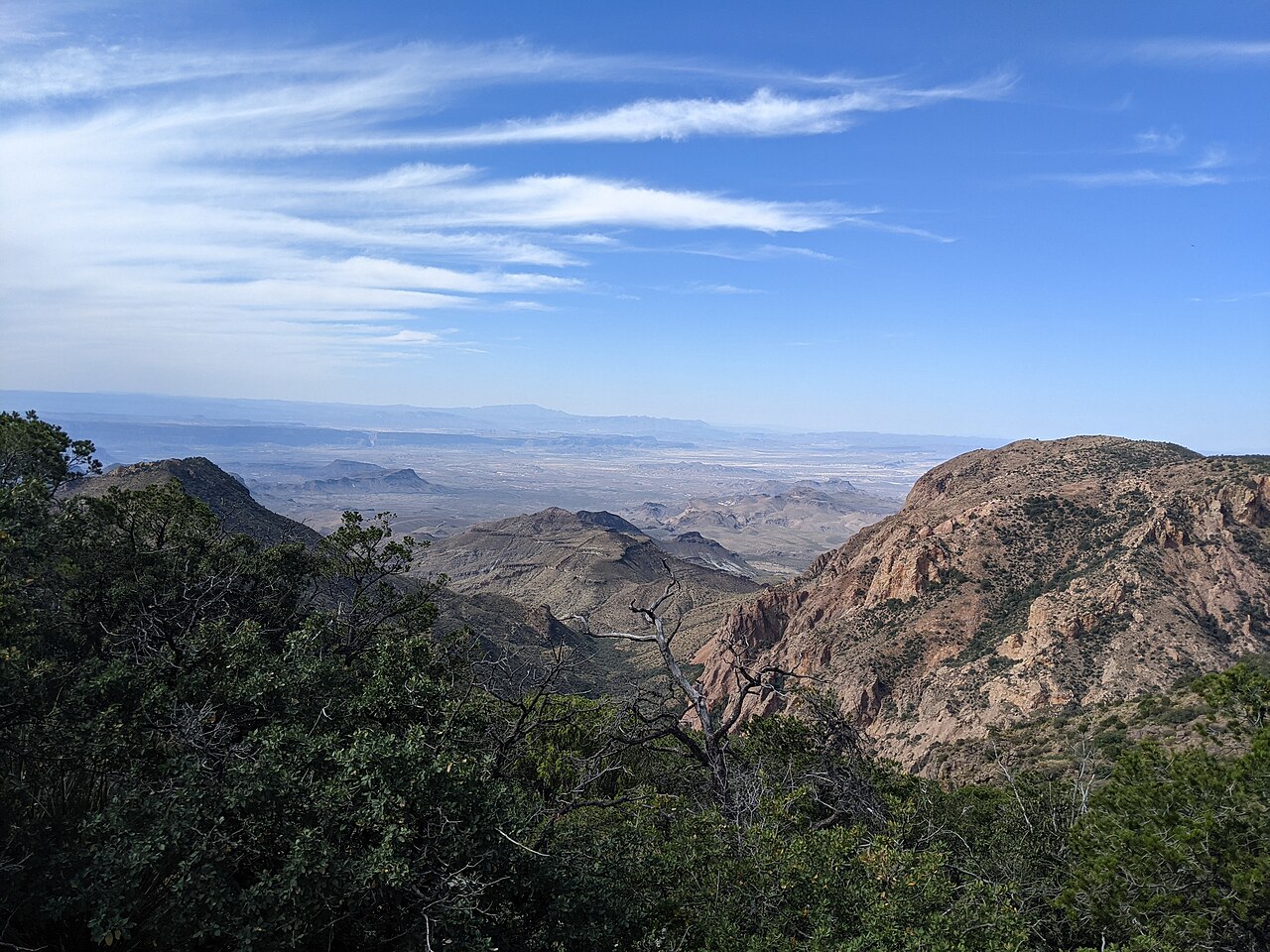
When to Reserve and How to Choose Your Dates
Start planning several months ahead for spring break, major holidays, or a stay with very specific lodging requirements. Reservation windows differ among park campgrounds, lodging, and private accommodations, so consult the official NPS site and the property’s own booking information rather than assuming one release schedule covers everything. Backcountry camping has separate permit requirements.
For a first visit, allow three to five days and favor October through April. Compare available lodging with the areas you want to explore; a cheaper room farther away may mean substantially more driving. Treat travel budgets as rough estimates, since lodging type and season matter greatly. Recheck park alerts shortly before departure and again on arrival, particularly for road work, closures, weather, and water availability.
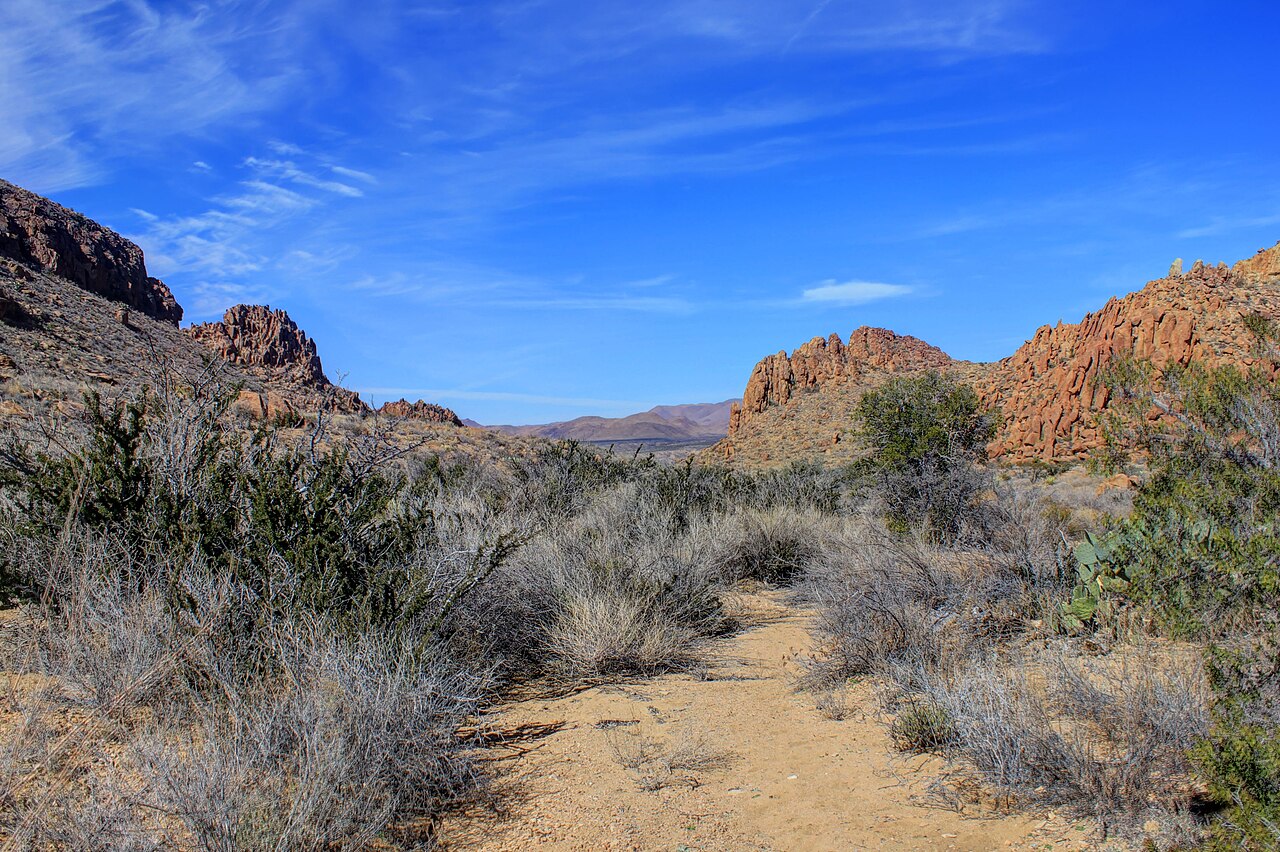
More ways to book Big Bend National Park
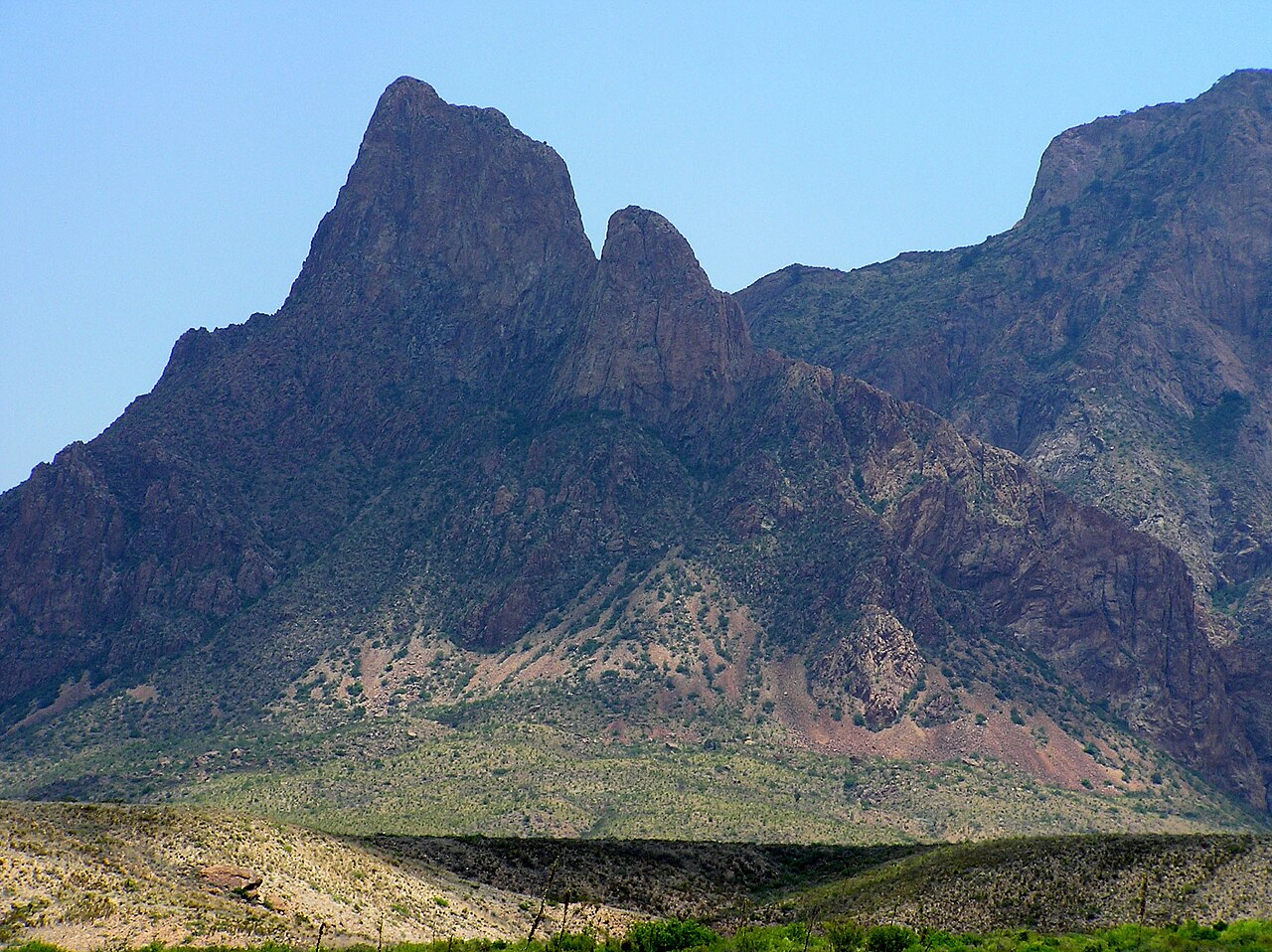 Illustrative · National Park Service Digital Image Archives
Boquillas Canyon Overlook
One of the classic ways to experience Big Bend.
Varies (estimate)
Partner link · Viator