
The Assateague region offers a rare blend of wild coastal wilderness and charming bayside culture. Visitors come from all over the world to witness the famous wild horses that roam the dunes and marshes of the Virginia and Maryland shorelines. Whether you are looking for high-energy outdoor adventures like surfing and kayaking or a peaceful afternoon of birdwatching and photography, the region provides an array of natural wonders. Always consult the official park websites for current trail conditions and seasonal activity availability.
Wildlife Viewing and Pony Spotting
The most iconic activity in the area is observing the wild horses. These resilient animals have adapted to the harsh barrier island environment over centuries. The best ways to see them are by driving the wildlife loops or hiking the designated trails that wind through the salt marshes and pine forests. In the Virginia section, the horses are often found within the Chincoteague National Wildlife Refuge.
For a different perspective, many visitors opt for boat tours that navigate the channels around the islands, providing views of the horses grazing near the water's edge. Beyond the ponies, the region is a haven for birdwatchers. The freshwater pools attract a variety of species, including snowy egrets, great blue herons, and various migratory waterfowl. Remember to bring a pair of binoculars and a long lens for your camera, as federal regulations require you to maintain a safe and respectful distance from all wildlife to protect both yourself and the animals.
Coastal Hiking and Biking Adventures
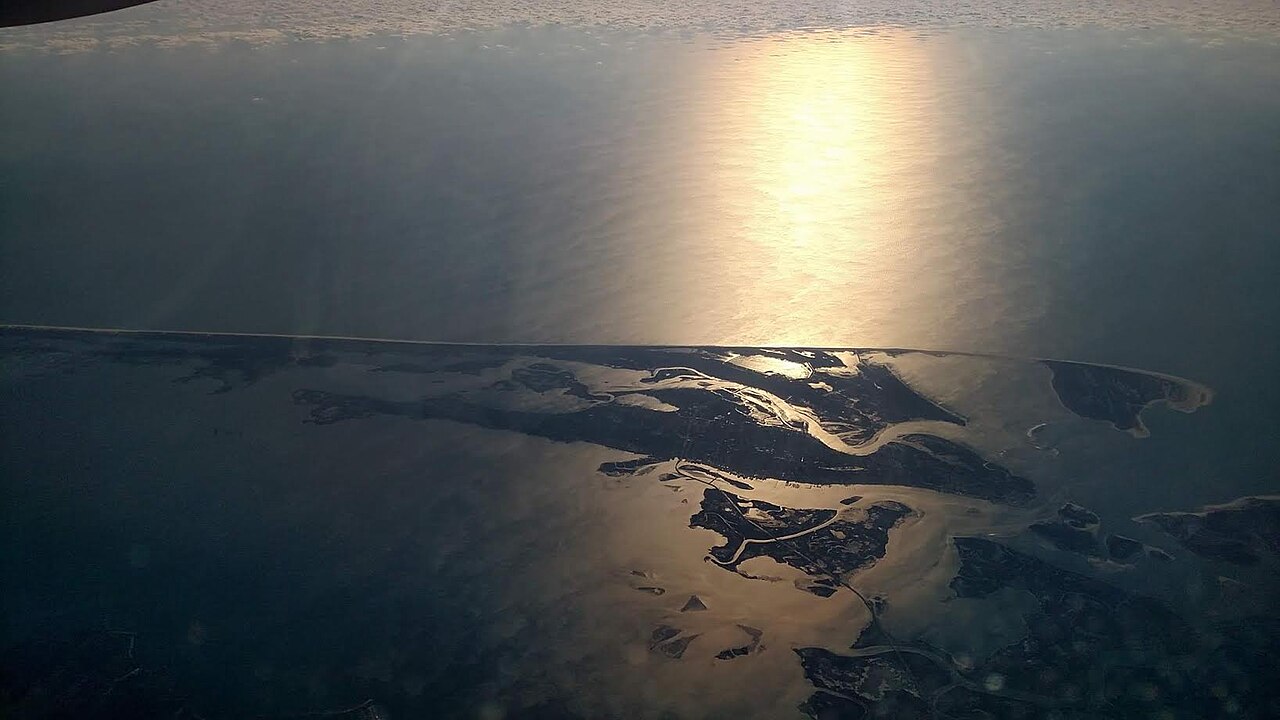
Exploring the landscape on foot or by bike is one of the best things to do in Assateague region to truly appreciate its diverse ecosystems. The region features several miles of paved and unpaved trails that cater to all skill levels. The Woodland Trail is a popular choice, taking you through a lush loblolly pine forest where you might spot Delmarva Peninsula fox squirrels. For those seeking coastal views, the trails leading through the dunes offer a stark, beautiful look at the Atlantic coastline.
Biking is particularly rewarding, as the flat terrain makes it easy to cover a lot of ground quickly. You can ride from the gateway town of Chincoteague directly into the refuge, crossing bridges with panoramic views of the surrounding marshes. Many visitors enjoy the loop trails around the freshwater impoundments, where the light at sunset is particularly striking. Be sure to carry plenty of water and sun protection, as the maritime sun can be intense even on cooler days, and there is limited shade once you leave the forested areas.
Water Sports: Kayaking, Surfing, and Wading
The waters surrounding the barrier islands are a playground for outdoor enthusiasts. Kayaking and stand-up paddleboarding in the calm back bays offer a serene way to explore the hidden nooks of the marshland. Paddling through the narrow guts and channels allows you to get closer to the vibrant marsh life, from blue crabs scuttling in the shallows to ospreys nesting on elevated platforms.
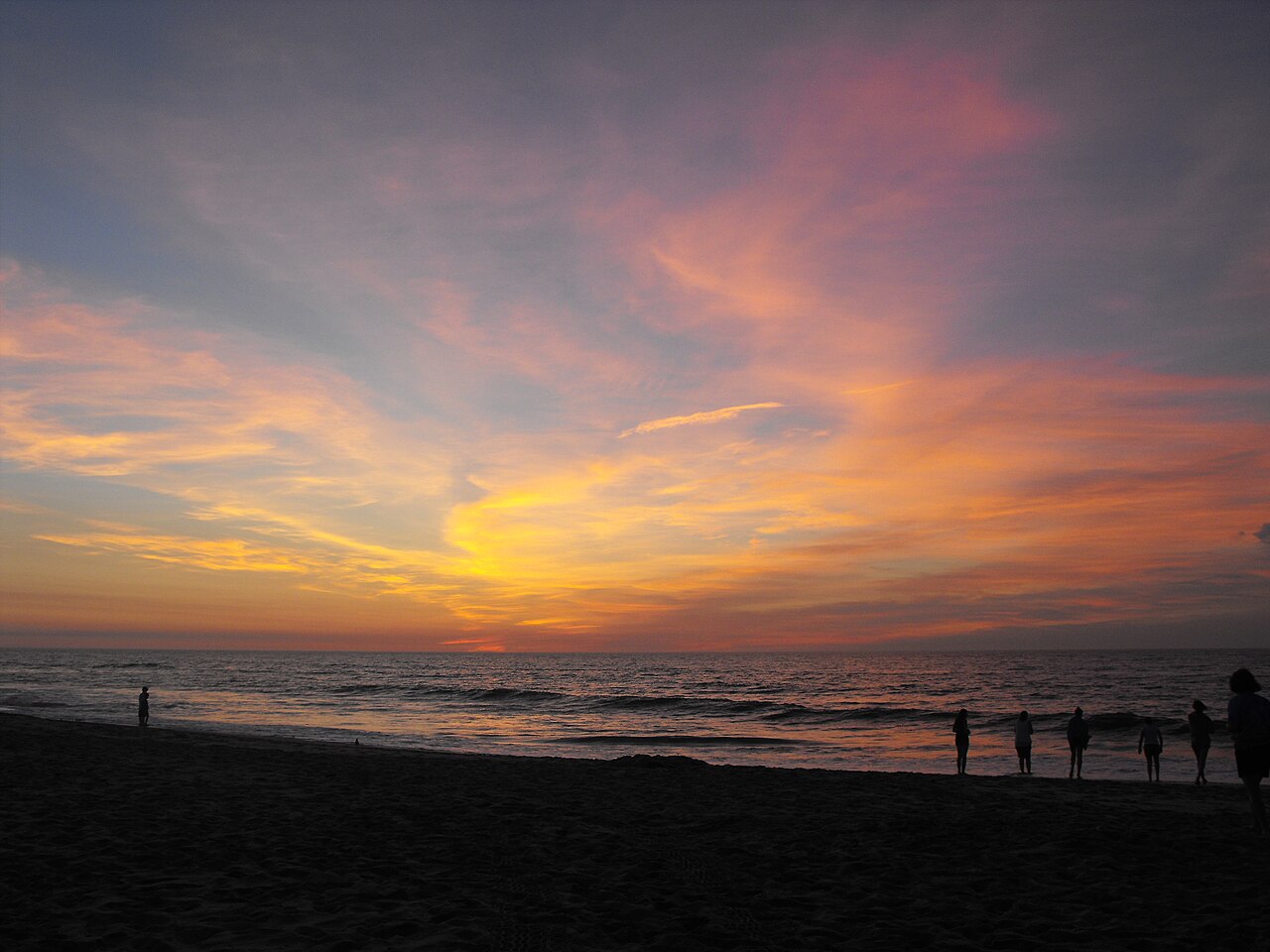
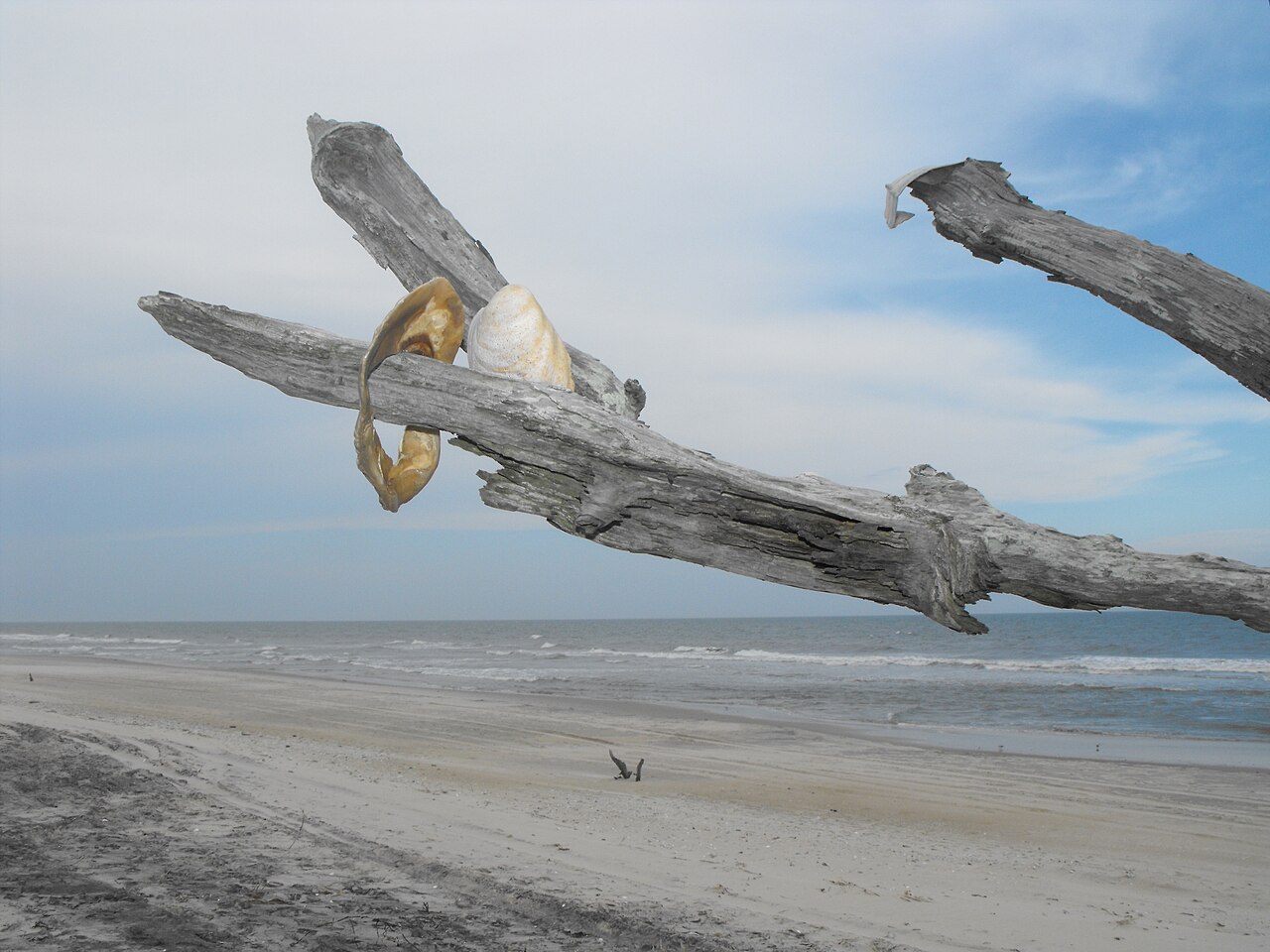
On the Atlantic side, the surf provides opportunities for boogie boarding, surfing, and surf fishing. The waves vary in intensity depending on the weather and tides, making it important to check local conditions before heading out. Surf fishing is a local tradition, with anglers casting for striped bass, bluefish, and drum right from the beach. If you plan to fish, ensure you have the appropriate coastal permits required by the state. The wide, sandy beaches are also perfect for simple pleasures like shell hunting or building sandcastles with the family while enjoying the rhythmic sound of the ocean waves crashing against the shore.
Family-Friendly Exploration and Education
For families traveling with children, the region offers numerous educational and interactive experiences. The visitor centers provide excellent exhibits on the geological history of barrier islands and the ecology of the local wetlands. Many kids enjoy the Junior Ranger programs, which offer guided activities that teach conservation and wildlife biology.
A visit to the historic Assateague Lighthouse is a must. The bold red-and-white striped structure offers a glimpse into the maritime history of the Eastern Shore, and during certain times of the year, visitors can climb to the top for a breathtaking view of the islands and the sea. For a rainy day activity, exploring the small museums in Chincoteague provides insight into the local oyster and fishing industries that have sustained the community for generations. The proximity of the gateway towns means that a hot meal or an ice cream cone is never far away after a long morning of outdoor exploration, making it an easy destination for those traveling with younger children.
Exploring the Gateway Towns
While the natural beauty of the refuge is the main draw, the nearby gateway towns like Chincoteague offer their own unique charm. Walking through the streets, you will find local art galleries, boutique shops, and restaurants serving fresh-caught seafood. Sampling the local oysters and clams is a quintessential Eastern Shore experience that shouldn't be missed. The town serves as a hub for renting gear, from bicycles to kayaks, and is the starting point for most guided excursions.
In the evenings, the atmosphere is relaxed and welcoming, with many spots offering outdoor seating to enjoy the coastal breeze. Exploring the local docks as the fishing boats return with their daily catch provides a real sense of the working waterfront culture. Whether you are looking for a high-end seafood dinner or a quick snack from a food truck, the gateway areas provide the necessary amenities to complement your wilderness adventure. Taking the time to wander through these communities adds a layer of cultural richness to your trip, connecting the wild landscape to the people who call this unique region home.