
For those who want to experience the rugged beauty of the Atlantic coast without sacrificing the comforts of home, Assateague region glamping offers the perfect solution. This style of travel allows you to fall asleep to the sound of the ocean waves and wake up to the calls of migratory birds, all while enjoying a comfortable bed and modern amenities. The gateway areas surrounding the refuge have seen a rise in upscale outdoor accommodations, catering to travelers who seek a deeper connection with nature without the hassle of traditional tent camping.
The Glamping Experience on the Eastern Shore
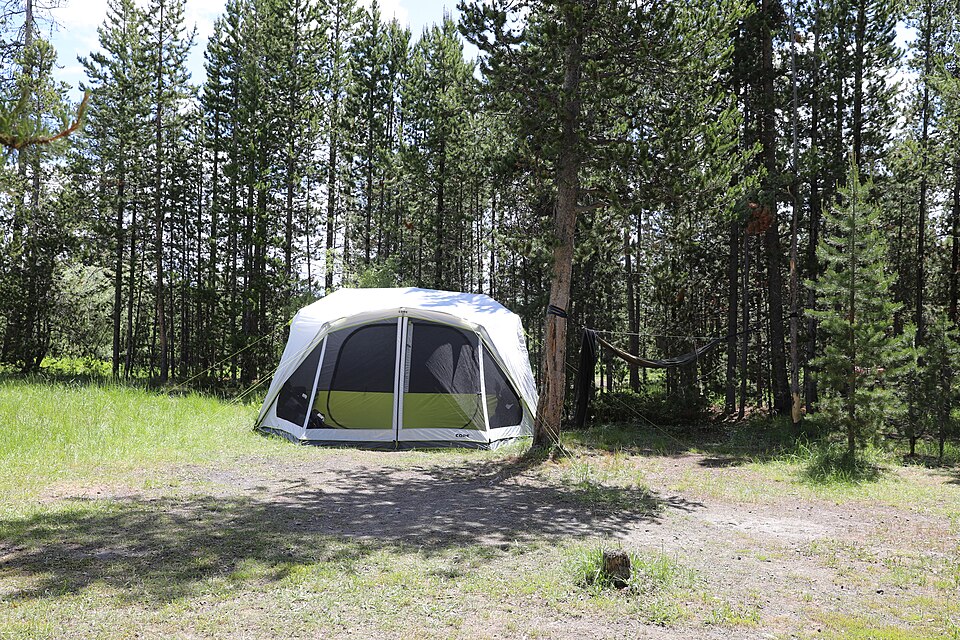
Glamping near Assateague is all about blending the coastal wilderness with thoughtful hospitality. Unlike traditional camping, where you bring your own gear and sleep on the ground, glamping sites in this region typically provide pre-erected structures. These might include large safari-style canvas tents on wooden platforms, cozy tiny houses, or refurbished vintage trailers. Many of these sites feature real mattresses, linens, and sometimes even climate control to combat the Virginia humidity.
The appeal lies in the 'plug-and-play' nature of the stay. You can spend your day kayaking or hiking through the loblolly pines and return to a site where the fire pit is ready and the bed is made. It is an ideal middle ground for couples looking for a romantic getaway or families who want the adventure of the outdoors without the logistical stress of a full camping setup. While these accommodations offer more luxury than a standard tent, they still keep you close to the sights and sounds of the salt marsh and the sea.
Top Gateway Areas for Luxury Stays
Since camping is strictly regulated within the national wildlife refuge itself, most glamping opportunities are located in the gateway communities. Chincoteague is the primary hub, offering several private resorts and campgrounds that have dedicated glamping sections. These sites often provide stunning views of the sunset over the Chincoteague Bay and are just a short bike ride away from the refuge entrance.
Further inland, near the city of Salisbury or the smaller towns of the Eastern Shore, you might find more secluded glamping options situated on private farms or near quiet riverbanks. These locations offer a different kind of peace, away from the beach crowds but still within a short drive of the Atlantic shore. When looking for a place to stay, consider the proximity to the water and the types of amenities offered, such as communal kitchen areas, private decks, or on-site equipment rentals like bicycles and paddleboards. Each gateway area offers a slightly different vibe, from the bustling tourist center of Chincoteague to the quiet rural stretches of the Virginia mainland.
Comparing Glamping, Camping, and RVing
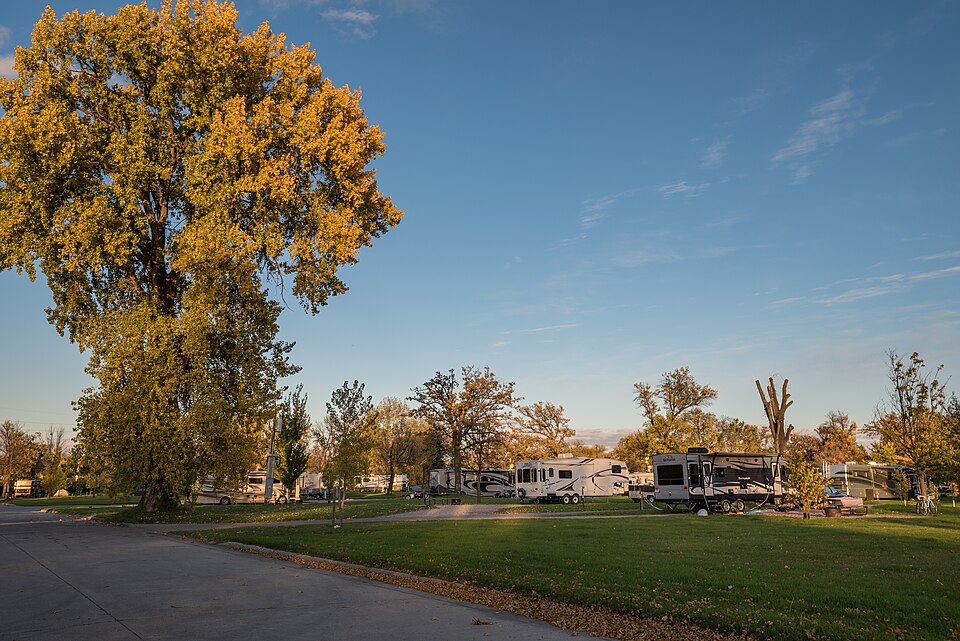
Deciding between glamping, traditional camping, and RVing depends on your preferred level of immersion and effort. Traditional camping in the regionâmostly available on the Maryland side of the islandâis a rugged experience involving sand, wind, and no electricity. It is the most affordable way to stay but requires significant preparation and gear. RVing is a popular choice for those who want their own mobile home base, with several parks in the area offering full hookups and amenities like swimming pools and laundry facilities.
Glamping stands out by offering the 'best of both worlds.' You get the immersive outdoor atmosphere of camping with the amenities of a boutique hotel. You don't need to own an expensive RV or store a garage full of camping gear. For many, the slightly higher cost of glamping is justified by the time saved and the quality of sleep. It is particularly popular during the shoulder seasons of spring and fall, when the evening air is cool, and a sturdy, weather-proof glamping tent provides a cozy sanctuary that a thin nylon tent might not.
Best Seasons for a Coastal Retreat
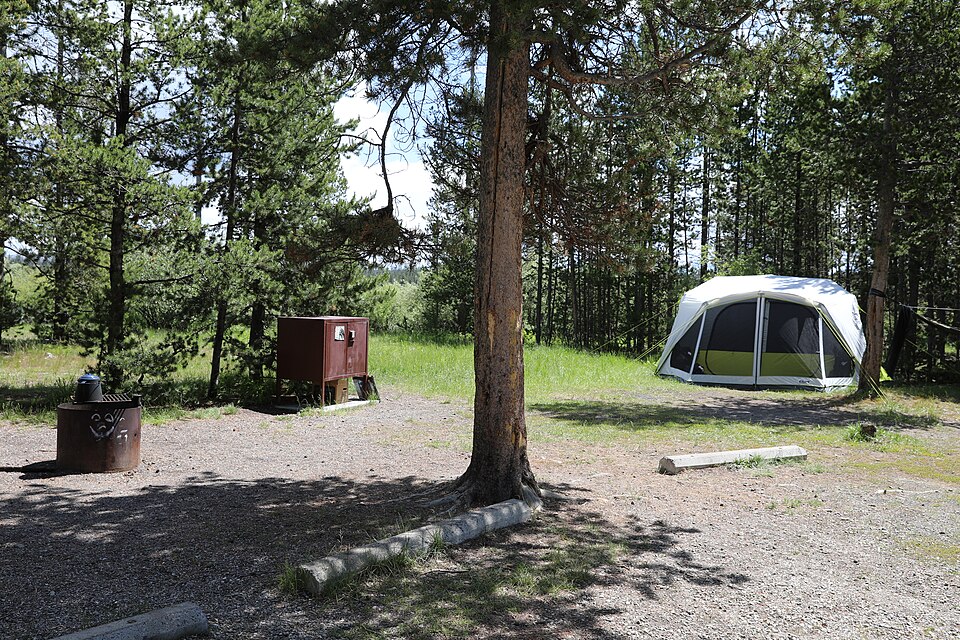
The best time for Assateague region glamping is generally from May through September. During these months, the weather is warm enough to fully enjoy outdoor living spaces and evening campfires. However, late spring and early autumn are the 'sweet spots' for luxury outdoor stays. In May and June, the marshes are vibrant and green, and the breeze is often enough to keep the insects at bay. September and October offer crisp nights and warm days, perfect for those glamping sites that feature fire pits or outdoor soaking tubs.
If you choose to glamp during the height of summer in July or August, look for accommodations that offer fans or air conditioning, as the humidity on the Eastern Shore can be intense. Conversely, winter glamping is less common as many canvas-walled sites close for the season, though some tiny house or cabin-style glamping options may remain open for those seeking a quiet, wintry retreat. Always check with the specific provider regarding their seasonal dates and what kind of heating or cooling is provided to ensure your comfort.
Planning Your Glamping Adventure
To ensure a successful glamping trip, early planning is essential. These unique accommodations are in high demand, especially those with views of the water or the lighthouse. We recommend booking your stay at least four to six months in advance if you plan to visit during the summer or during the famous pony swim events. When packing for a glamping trip, you can leave the sleeping bags at home, but you should still bring outdoor essentials like headlamps for walking to communal areas at night, high-quality bug spray, and sturdy walking shoes.
Even in a luxury tent, you are still in a coastal environment where weather can change quickly. Bring layers for cool ocean breezes and a waterproof jacket for passing showers. Most importantly, check the official park websites for the Assateague Island National Seashore and Chincoteague National Wildlife Refuge to plan your daily excursions. Knowing the tide schedules and opening hours for the refuge will help you maximize your time in the wild, ensuring you can return to your comfortable glamping base after a full day of exploring the barrier island's wonders.