
Choosing the best time to visit Assateague region depends largely on your tolerance for humidity and your desire for quietude. While the wild horses roam the barrier islands throughout the entire year, the visitor experience shifts dramatically between the humid, bustling summer months and the crisp, lonely winters. Most travelers find that the shoulder seasons of late spring and early autumn offer a perfect balance of mild weather and manageable crowds. Before planning your trip, it is vital to check the official National Park Service website for seasonal alerts and closure notices.
Summer Sun and Shoreline Activity
Summer is the most popular time to visit the Assateague region, drawing families to the sandy beaches of the Atlantic. From June through August, the weather is hot and humid, with temperatures frequently climbing into the high 80s or 90s. This is the ideal time for swimming, surfing, and wading in the ocean swells. However, the heat also brings out the island's most notorious residents: the salt marsh mosquitoes and biting flies.
If you visit during this peak window, come prepared with heavy-duty insect repellent and lightweight, long-sleeved clothing for the evenings. The crowds are at their highest during the Chincoteague Pony Swim in July, so expect long waits for parking and packed boardwalks in the gateway towns. Reservations for campsites and local lodging during the summer months should be made many months in advance to ensure you have a place to stay near the refuge entrances.
Lock in a stay for this season
RV parks near Assateague region on RoverPass
Partner link · RoverPass
Autumn Colors and Migratory Birds
Many frequent visitors argue that September and October represent the true best time to visit Assateague region. As the summer heat fades, the air becomes crisp and dry, making long hikes through the loblolly pines much more comfortable. The water remains warm enough for swimming well into September, but the dense crowds of mid-summer have largely departed.
Autumn is also a spectacular season for birdwatchers, as the Atlantic Flyway brings thousands of migratory birds, including hawks and waterfowl, through the coastal marshes. The marshes turn a stunning shade of gold and crimson, providing a beautiful backdrop for photography. With fewer people on the trails, you are more likely to see the wild horses grazing peacefully in the salt meadows near the roadside. While some local seasonal businesses may begin to reduce their hours after Labor Day, the main natural attractions remain accessible and much more serene than during the height of July.
Lock in a stay for this season
Campsites near Assateague region on Campspot
Partner link · Campspot
Winter Solitude on the Barrier Islands
Winter in the Assateague region is a time of stark beauty and intense solitude. From December through February, the coast is battered by cold winds and the occasional dusting of snow or ice. Temperatures often hover in the 30s and 40s, and the biting sea breeze can make it feel much colder. While the beaches are too cold for swimming, they are perfect for long, contemplative walks where you might not see another soul for miles.
The wild horses are still present, having grown thick, shaggy coats to protect themselves from the winter elements. This is the best season for those seeking a quiet retreat and low-cost lodging in gateway cities like Salisbury or Chincoteague. However, be aware that many visitor centers and recreational facilities operate on significantly reduced schedules. Always check the official NPS or Fish and Wildlife Service websites to verify which gates and roads remain open during the winter months, as storm damage can occasionally lead to temporary closures.
Lock in a stay for this season
Harvest Hosts stays on the way to Assateague region
Partner link · Harvest Hosts
Spring Awakening and Foal Season
Spring is a season of renewal across the Eastern Shore. Starting in April and moving into May, the landscape begins to green up, and the first wild pony foals are often spotted following their mothers through the brush. The temperatures are mild, typically ranging from the 50s to the 70s, making it excellent weather for cycling the paved loops or kayaking through the calm bay waters.
One of the main benefits of a spring visit is the relative absence of the biting insects that dominate the summer months. However, the weather can be unpredictable, with frequent rain showers and coastal fog. If you plan a spring trip, pack layers to account for the cool ocean breezes that can persist even on sunny days. It is an excellent time for wildflower viewing, as the coastal dunes and forest floors begin to bloom. Parking at the popular beach access points is generally much easier during the spring than in the summer, allowing for a more spontaneous and relaxed itinerary.
Navigating Crowds and Reservations
Regardless of when you choose to visit, timing your arrival can make a significant difference in your experience. During the peak summer season and holiday weekends, the entrance queues for the wildlife refuges and national seashore can be quite long. Arriving before 9:00 AM or after 4:00 PM is a smart strategy to avoid the midday rush and secure a parking spot near the most popular trailheads.
For those planning to camp, the reservation windows open early and fill up within minutes for the most desirable dates. It is essential to monitor the official booking platforms and have a backup plan in the gateway cities if the park sites are full. If you prefer a quieter experience, midweek visits during the spring and fall offer the best opportunity to explore the maritime forests and pristine beaches without the pressure of large crowds. Keep in mind that seasonal events, like local festivals or pony-related activities, will drastically affect availability and local traffic patterns across the Virginia Eastern Shore.
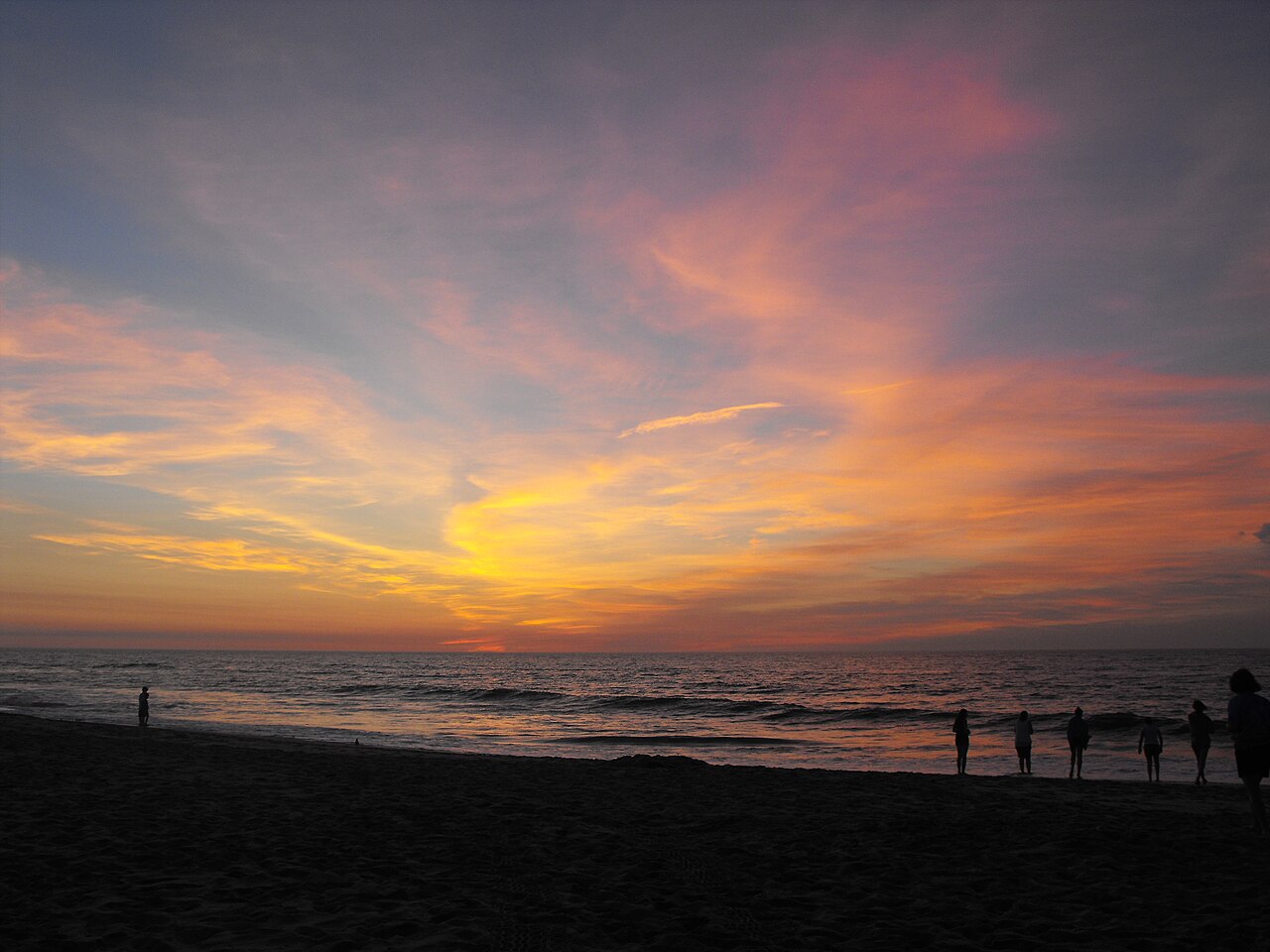
More ways to book Assateague region
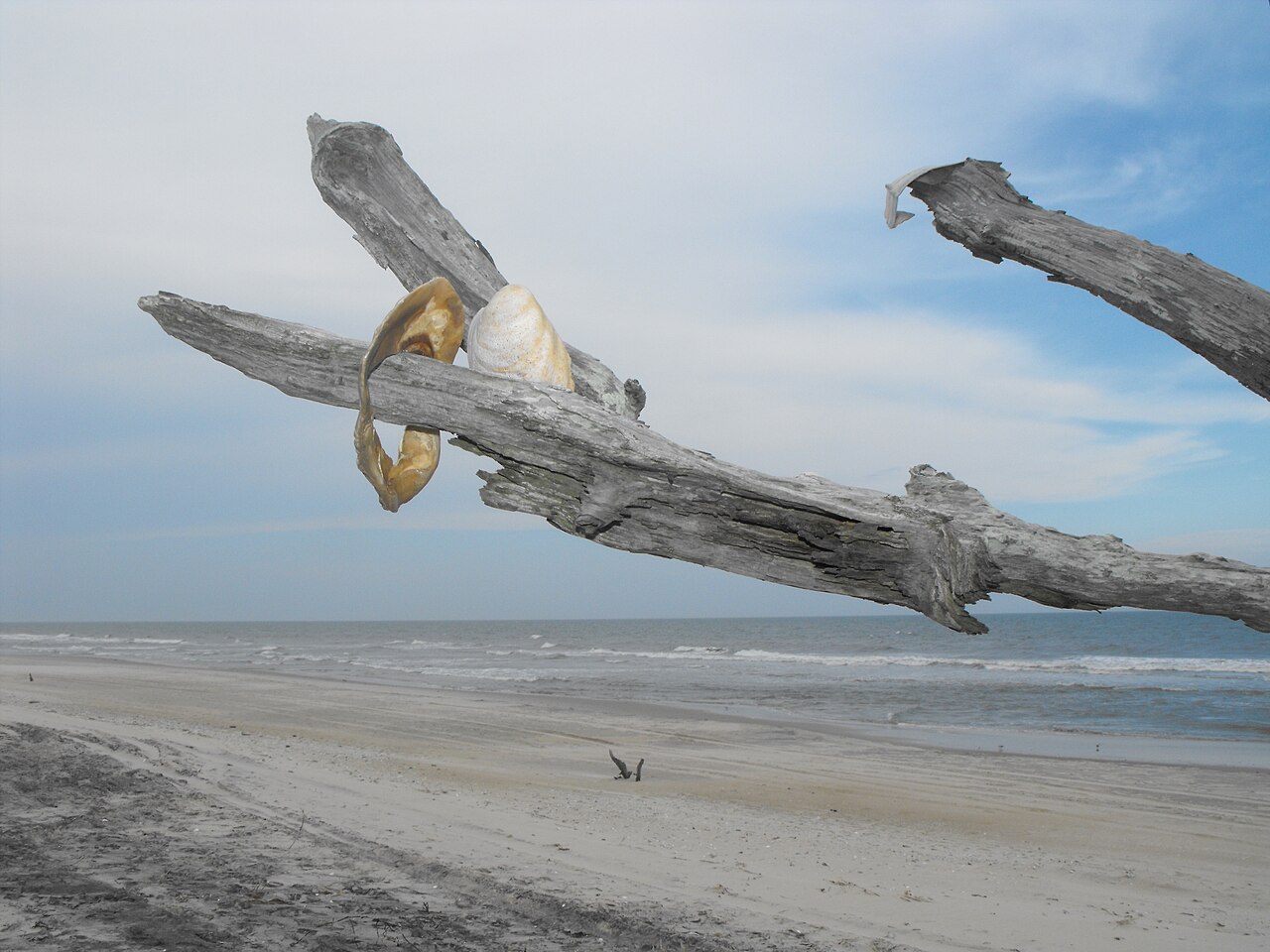 Illustrative · U. S. Fish and Wildlife Service - Northeast Region
Beach Camping
One of the classic ways to experience Assateague region.
Varies (estimate)
Partner link · Viator