
Arches National Park rewards both a quick scenic loop of stops and a slower visit built around hiking. Its more than 2,000 natural sandstone arches share the landscape with towering fins, balanced rocks, and wide desert views. For one or two days here, choose a few signature experiences instead of trying to see everything, and use Moab as your base for meals, supplies, and weather-related changes of plan.
Walk to Delicate Arch or Choose Its Viewpoints
Delicate Arch is the park's signature sight, but reaching its base involves a demanding hike rather than a roadside stroll. The roughly three-mile round trip includes an exposed slickrock climb and a narrow ledge near the end. Heat, wind, and icy conditions can change how suitable it is for your group.
Start only with enough water, daylight, and energy for the return. If that hike does not fit your visit, the separate Delicate Arch viewpoints offer more distant views with shorter walking options. They do not connect to the arch itself. Check the official trail description before choosing, and never climb on an arch or damage the sandstone.
Combine the Scenic Drive with Short Walks
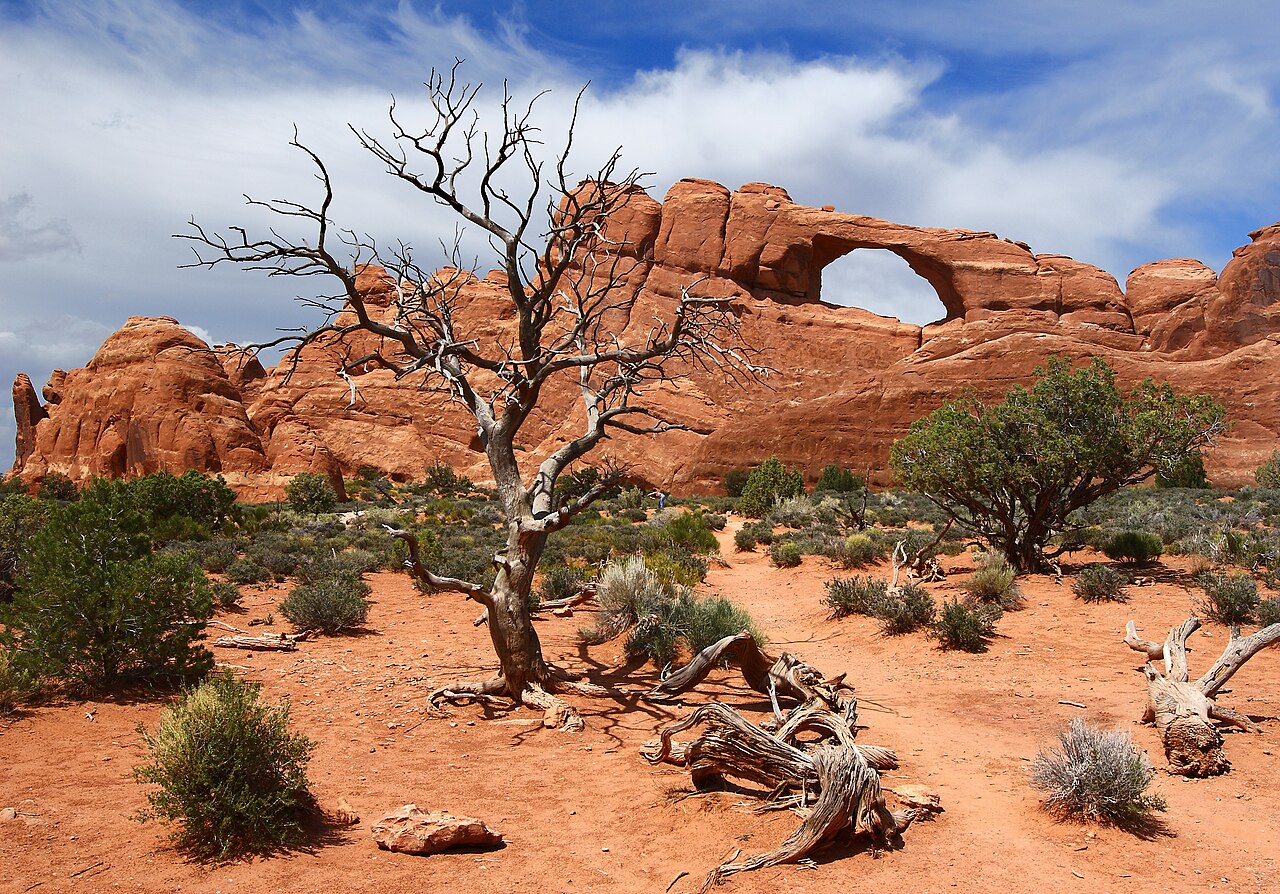
The main park road links major viewpoints and trailheads, making it the backbone of a first visit. Build a route with stops around Park Avenue, Balanced Rock, and the Windows area rather than treating the drive as a race to its far end. Short walks reveal details that are easy to miss through a windshield.
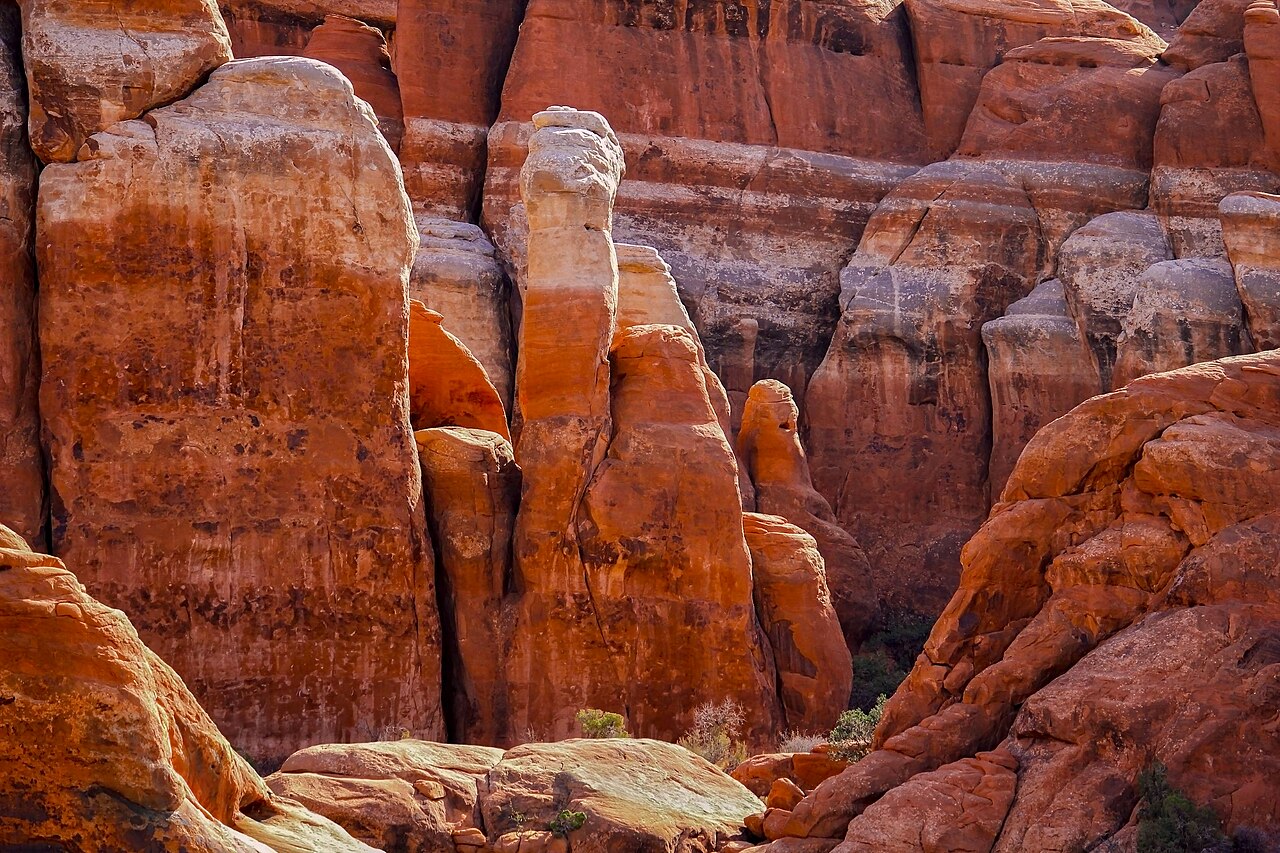
At Devils Garden, the walk toward Landscape Arch offers a different perspective on the park's slender rock forms. Routes beyond it become more demanding, so do not assume the entire trail system has the same difficulty. Use designated parking, stay off roadside vegetation, and choose another stop if a lot is full rather than blocking traffic.

Watch Wildlife and Understand the Desert's Water
Wildlife watching here is about patience and modest expectations. You may notice lizards warming on rock, ravens riding air currents, or mule deer near vegetation. Dawn and dusk can be rewarding times to look, but sightings are never assured. Watch from a distance and keep food secured so animals do not become accustomed to people.
Arches is not a swimming destination. Temporary pools and washes are important desert habitats, not places to wade or wash gear. For a water-focused outing, look outside the park toward the Colorado River near Moab and use an established outfitter when appropriate. River conditions, equipment needs, and trip suitability deserve separate planning.
Keep Family Visits Short, Curious, and Flexible
With kids, a handful of short stops usually works better than a checklist of every famous arch. Balanced Rock and the Windows area offer dramatic scenery without requiring a full-day hike, though uneven ground, steps, and exposed edges still call for close supervision. Let the group's youngest walker set the pace.
Ask at the visitor center about the Junior Ranger program and current family resources. Turn walks into observation games: spot fins, compare rock shapes, or look for animal tracks without disturbing them. Bring snacks, water, hats, and extra layers. Stay on marked trails or bare rock where directed, protecting the fragile biological soil crust between plants.
Use Rainy Days for Learning, Not Riskier Hiking
Rain can deepen the colors of the sandstone, but storms are a reason to reassess a hike, not automatically a photography opportunity. Slick rock, lightning, flash flooding, and reduced visibility can affect your plans. Avoid washes and exposed trails when conditions are threatening, and follow closures or ranger instructions.
If roads remain open and conditions allow, choose brief stops close to your vehicle instead of a long commitment. The visitor center is a useful first option when open, with exhibits and current advice. For more sustained bad weather, head back to Moab for a museum visit, a relaxed meal, or trip planning. Check individual venues for current availability.