
The best time to visit Arches is usually March through May or September through October, when cooler conditions make its sandstone trails more comfortable than in midsummer. Those popular windows still require planning around crowds, changing weather, and any entry requirements. Give yourself one or two days, stay near Moab, and keep your daily schedule flexible enough for wind, rain, or an unexpectedly warm afternoon in the high desert.
Spring: Comfortable Hiking, Busy Trailheads
March through May brings a useful balance of longer daylight and generally milder hiking weather. Early spring mornings can feel wintry, while late spring afternoons may already be hot. Pack layers rather than assuming every day will match the season's comfortable reputation.
Spring break travel can make entrances and popular trailheads busy, especially around the Windows, Delicate Arch, and Devils Garden. Start with your highest-priority walk, then use overlooks and shorter stops to fill the rest of the day. Wind is another reason to keep plans adjustable: exposed sandstone trails offer little shelter. Check the official NPS forecast and alerts before choosing your day's longer hike.
Lock in a stay for this season
RV parks near Arches National Park on RoverPass
Partner link · RoverPass
Summer: Build Your Day Around the Heat
June through August brings intense sun and desert heat, with limited shade on many of the park's signature trails. Summer can work for a scenic-drive-focused visit, but it is less forgiving for long, exposed hikes. Carry ample water, wear sun protection, and avoid treating a cool morning as a promise of comfortable afternoon conditions.
Plan active time early and leave room for a midday break outside the park. Summer thunderstorms can also bring lightning and sudden runoff; avoid washes and exposed terrain when storms threaten. Families may find a few short morning stops more rewarding than one ambitious outing. Check NPS weather guidance and current conditions before setting out.
Lock in a stay for this season
Campsites near Arches National Park on Campspot
Partner link · Campspot
Fall: Strong Hiking Weather Without Solitude
September and October are another appealing window for exploring Arches on foot. September can retain summerlike heat, while October usually brings cooler mornings and shorter days. A warm layer becomes increasingly useful for sunrise stops, evening viewpoints, and time spent standing still with a camera.
Fall is popular, so do not assume cooler weather means empty parking areas. Weekdays can offer more flexibility than weekends, though busy periods still vary. Reserve lodging once your dates are firm, particularly if you want a specific setup near Moab. Build your route around one major hike per day, and leave time for scenic stops rather than racing daylight between distant trailheads.
Lock in a stay for this season
Harvest Hosts stays on the way to Arches National Park
Partner link · Harvest Hosts
Winter: Quieter Views, More Variable Footing
November through February often offers a quieter experience, with cold air and occasional snow adding contrast to the red rock. The trade-off is less daylight and a greater chance of icy trails, snowy roads, or temporary closures. Sandstone that looks manageable in dry weather can become difficult when coated with ice.
A winter visit works well with a flexible scenic-drive plan and short walks chosen after checking conditions. Bring insulating layers, gloves, and footwear appropriate to the forecast. Do not make an exposed hike the nonnegotiable centerpiece of your trip. Review official NPS alerts before driving into the park, and confirm seasonal availability with your lodging provider.
Crowds, Reservations, and When to Commit
Once you know your travel dates, check the official Arches National Park website for current entry rules, reservation requirements, and release dates. Timed-entry programs and their operating periods can change, so avoid relying on an old blog or a previous visit. An entrance pass and an entry reservation may serve different purposes; read the current instructions carefully.
Book lodging and any campground stay separately, then confirm whether your planned activities require additional reservations or permits. For popular seasons, earlier planning gives you more choices without guaranteeing availability. Leave slack in your arrival schedule, and remember that meeting an entry requirement does not guarantee parking at a particular trailhead.
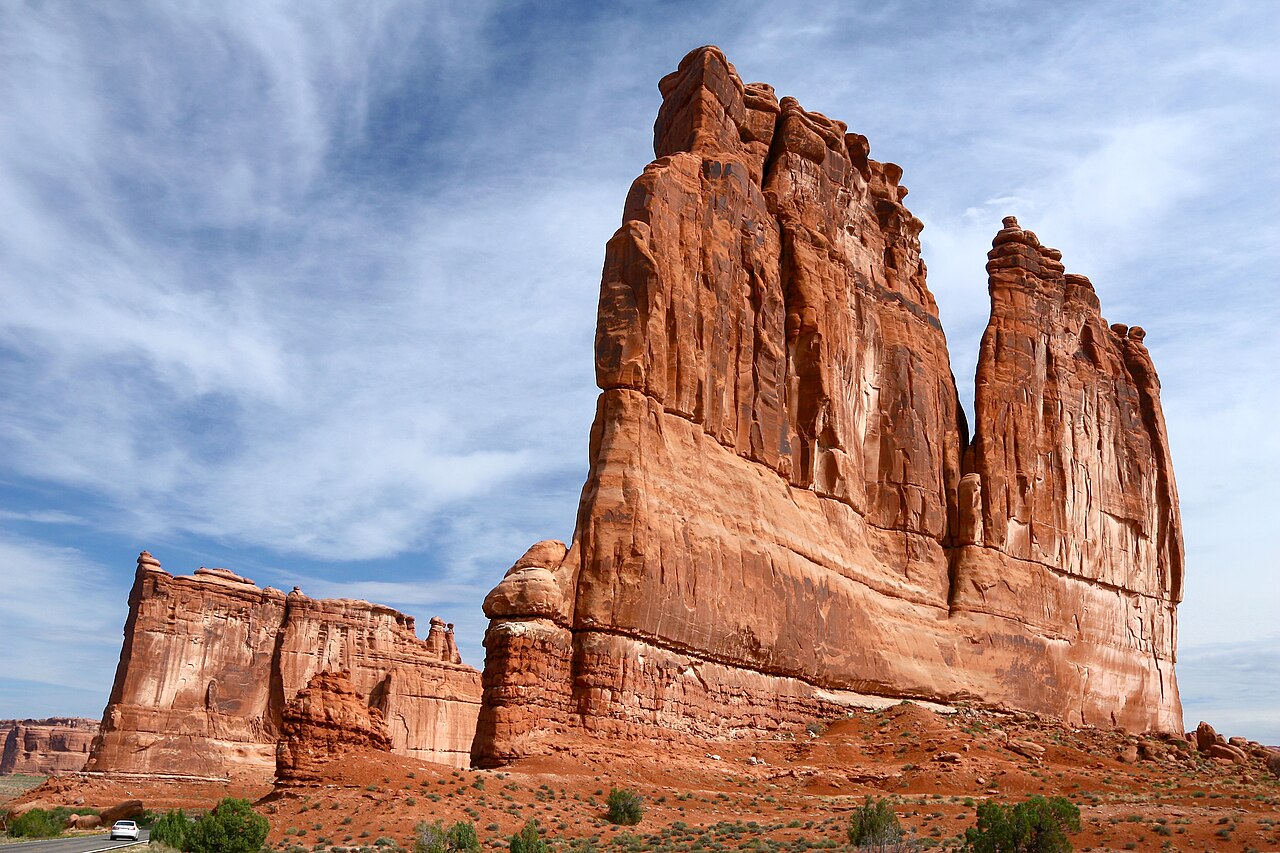
More ways to book Arches National Park
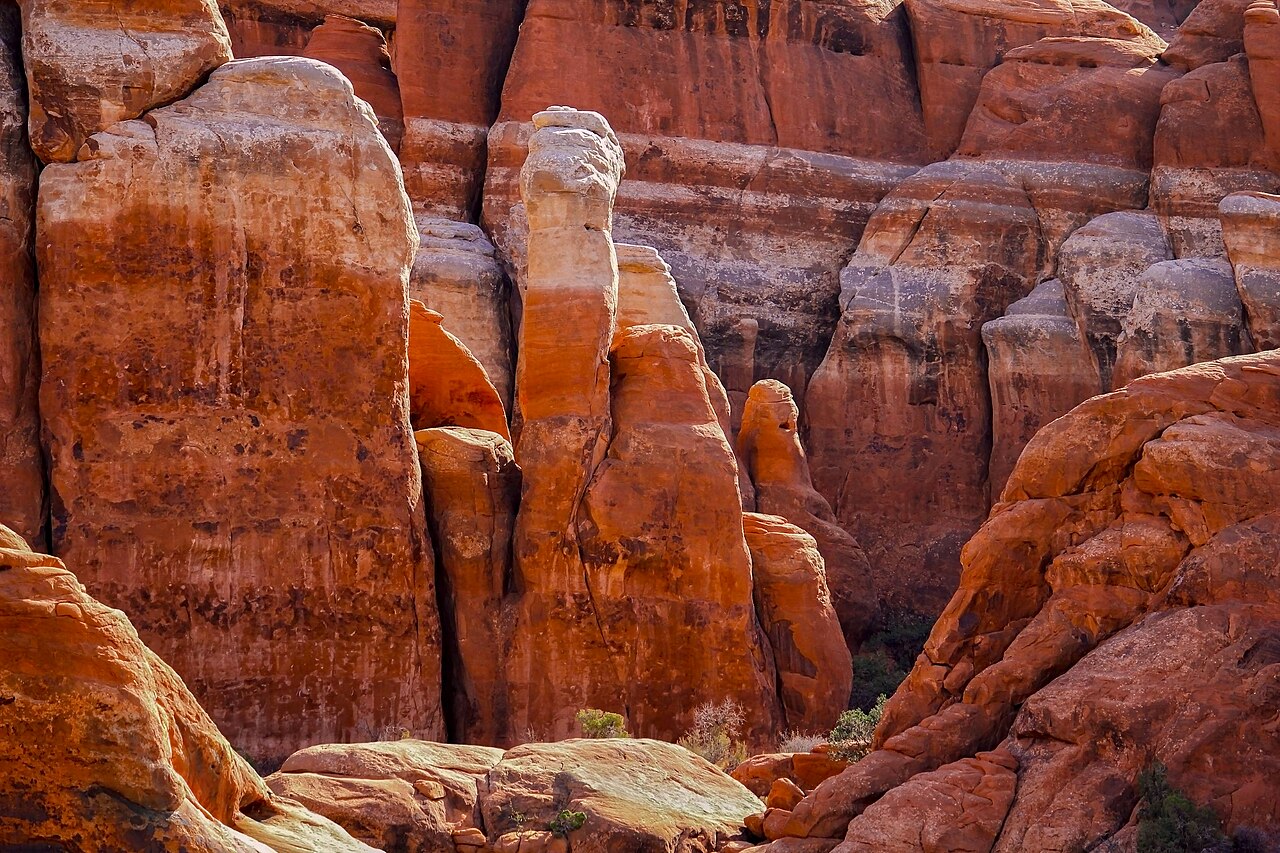 Illustrative · Betty Wills (Atsme)
Windows Section Loop
One of the classic ways to experience Arches.
Varies (estimate)
Partner link · Viator