
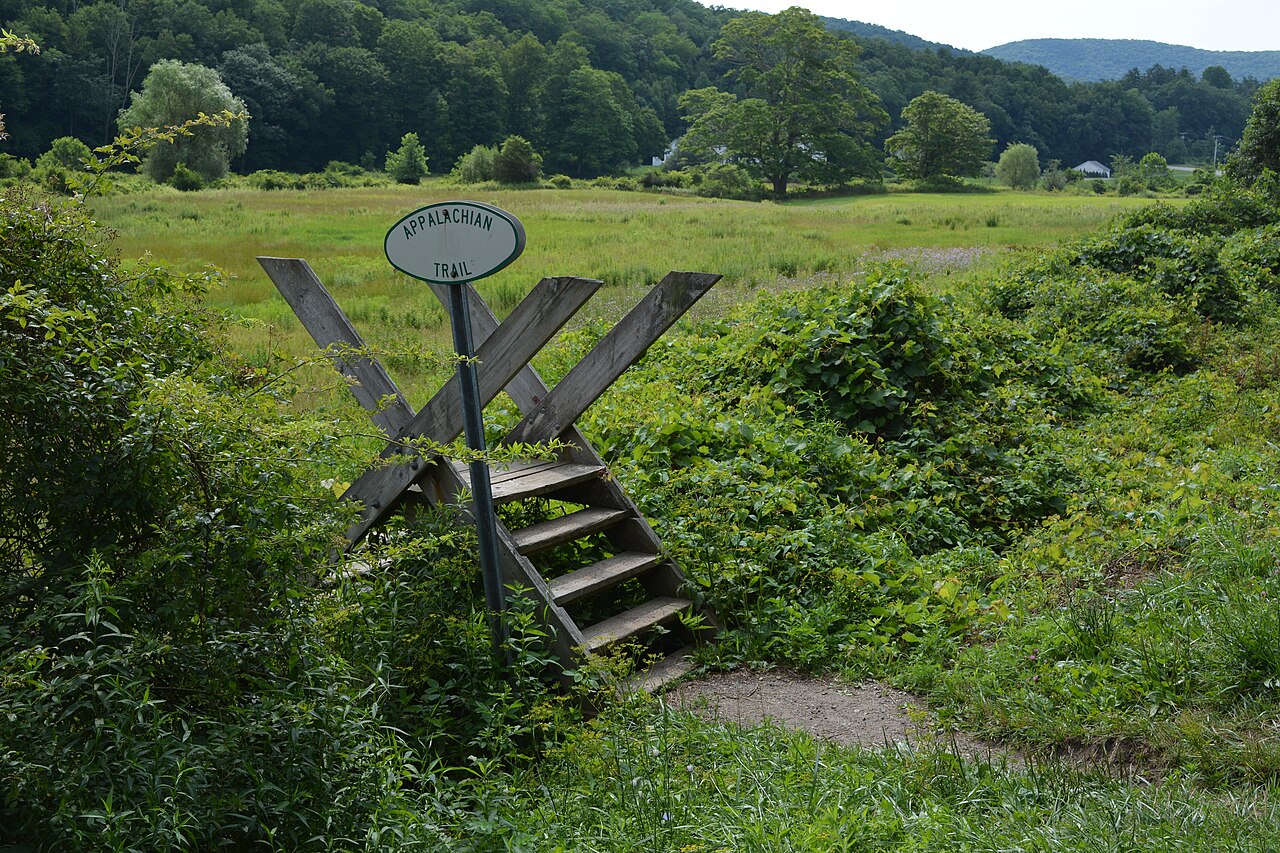
The Connecticut section of the Appalachian Trail stretches for over 50 miles, offering a diverse array of outdoor activities that cater to both hardcore hikers and casual nature lovers. Located in the picturesque Litchfield Hills, the trail transitions from gentle riverside paths to some of the most rugged terrain in the state. Whether you are seeking a panoramic summit view, a peaceful river stroll, or a charming village experience, this region provides a rich tapestry of New England landscapes to explore.
Hike the Summit of Bear Mountain
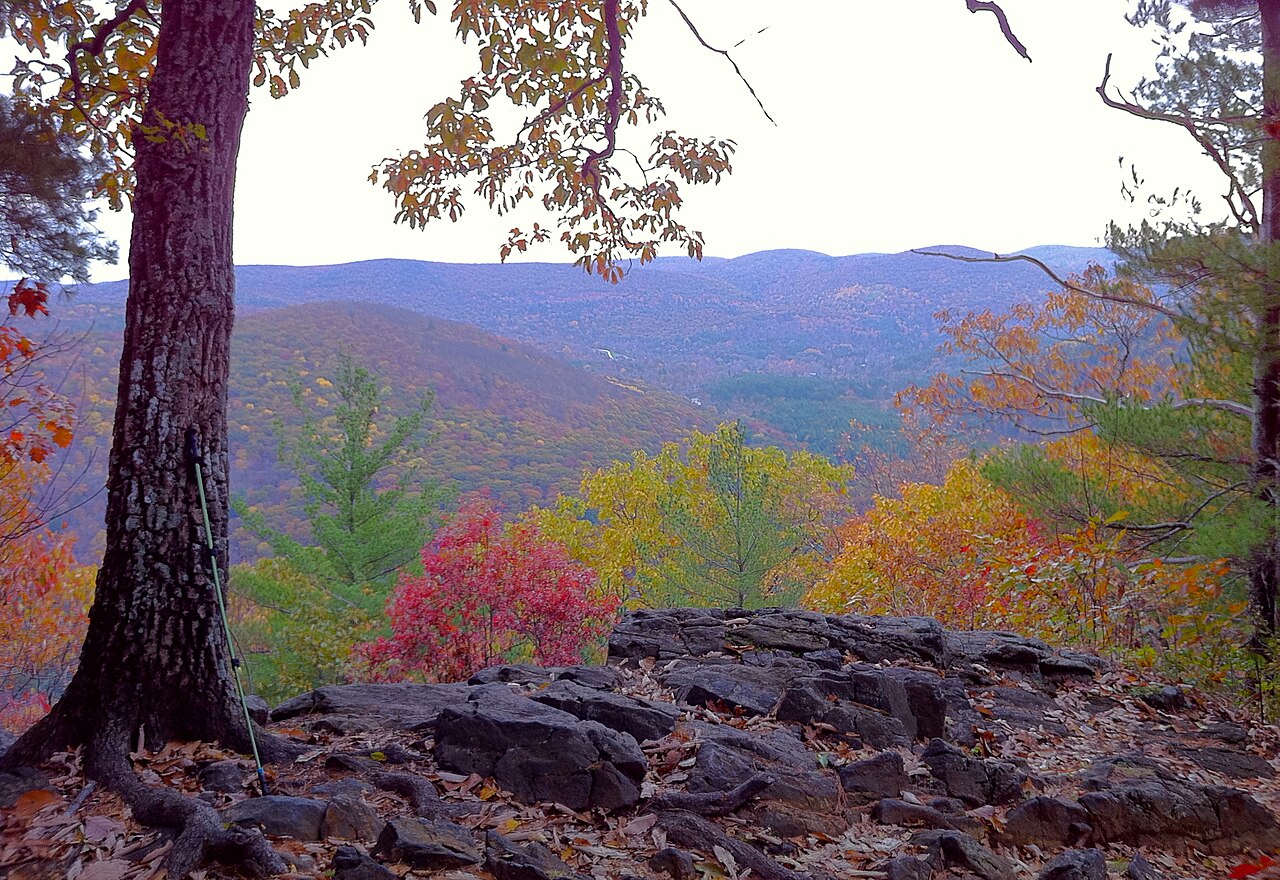
Reaching the summit of Bear Mountain is one of the premier things to do in Appalachian Trail - CT, as it stands as the highest peak within the stateâs borders. The climb is challenging, featuring steep rocky sections that require careful footing, but the payoff is a breathtaking 360-degree view of the surrounding tri-state area. At the top, you will find a large stone cairn that marks the historic summit. From this vantage point, you can look out over the Twin Lakes to the east and the undulating peaks of the Berkshires to the north.
Many hikers choose to reach the summit via the Undermountain Trail, which connects to the AT, making for a strenuous but rewarding day trip. The descent often takes hikers through Sageâs Ravine, a lush, hemlock-shaded gorge with cascading waterfalls and moss-covered rocks. This loop is particularly popular in the spring when the mountain laurel is in bloom, adding a layer of floral beauty to the rugged mountain terrain.
Stroll the Housatonic River Walk
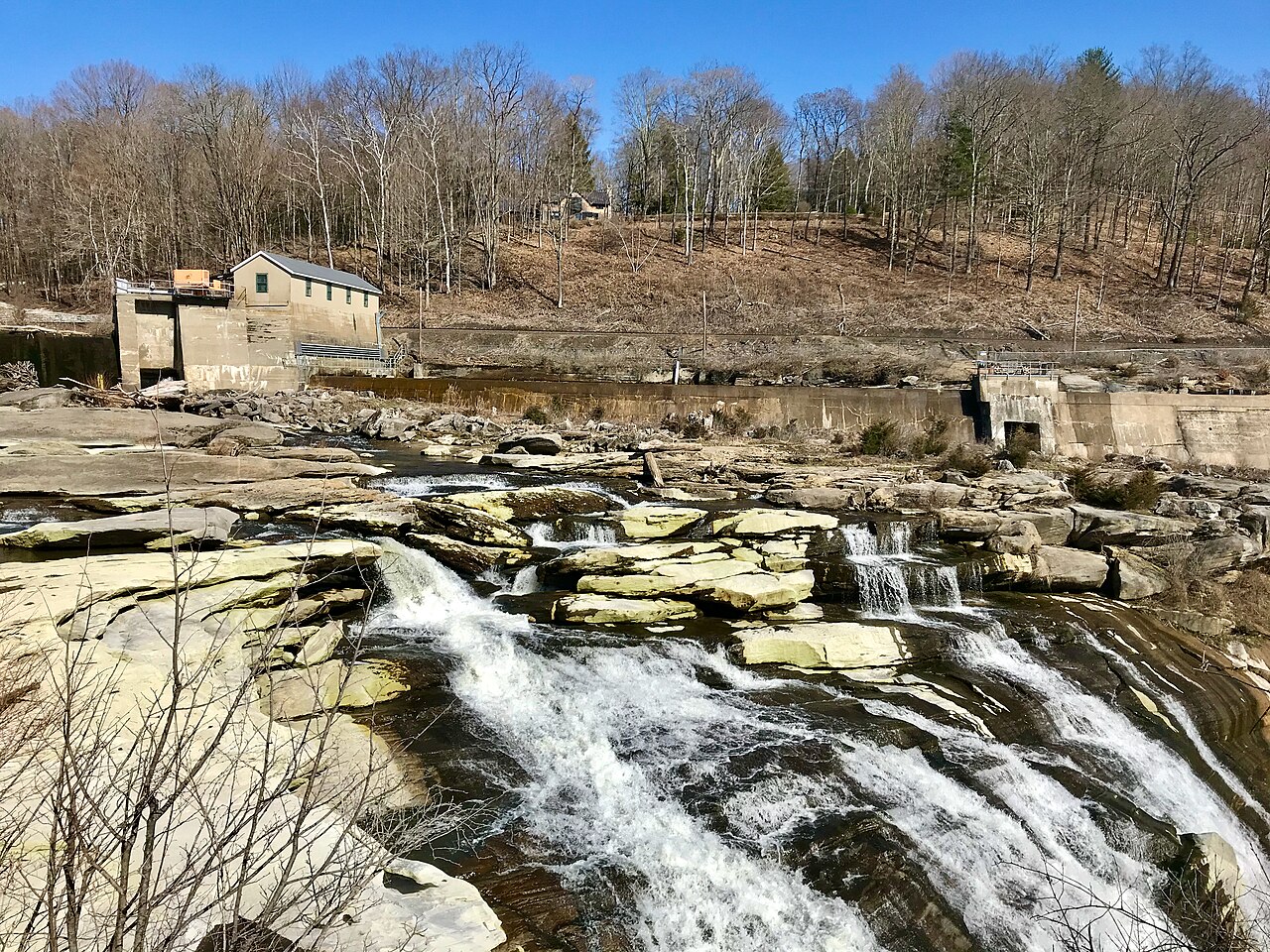
For those seeking a less vertical experience, the ten-mile stretch of the trail that parallels the Housatonic River is a must. This section is remarkably flat, following the banks of the river between the towns of Kent and Cornwall. It is an ideal spot for bird watching, as the riparian habitat attracts a variety of species, including bald eagles and ospreys. The sound of the rushing water provides a constant, soothing soundtrack as you walk beneath the shade of towering silver maples and sycamores.
This part of the trail is also famous for the Bulls Bridge area, where the AT crosses a historic covered bridge. The turbulent waters near the bridge are a sight to behold, especially after heavy rains. The river walk is accessible for families and those looking for a long, meditative stroll without the knee-straining descents found elsewhere in the Litchfield Hills. It also offers numerous spots to sit by the water and enjoy a picnic while watching fly fishermen cast their lines into the ripples.
Experience the Gateway Towns
The culture of the Appalachian Trail in Connecticut is deeply tied to the gateway towns of Kent, Cornwall, and Salisbury. Visiting these villages is an essential part of the trail experience. Kent is known for its vibrant art scene, featuring numerous galleries and independent bookstores that reflect the creative spirit of the region. It is a perfect place to resupply or enjoy a meal at a local cafe after a few days in the woods.
Further north, West Cornwall is home to one of the most photographed covered bridges in New England, which serves as a gateway to the trailheads near the Dark Entry Forest. Salisbury offers a refined, historic atmosphere with classic architecture and cozy inns. These towns provide a sense of history and community, offering hikers a chance to interact with locals who have long supported the trail. Exploring the local farmers' markets or visiting a historic library provides a nice contrast to the wilderness segments of your journey.
Wildlife Viewing and Nature Photography
The diverse ecosystems of the Litchfield Hills make it a prime location for wildlife photography. As you move through different elevations, the flora and fauna change significantly. In the lower valleys, you might spot white-tailed deer, foxes, or even the occasional black bear. Hikers are encouraged to follow Bear Aware principles, as these animals are common residents of the Connecticut woods. The high ridges are excellent for spotting hawks and other birds of prey riding the thermals.
For photographers, the changing light at Randâs View offers one of the most iconic landscapes in the state. This open meadow provides an unobstructed view of the mountains, creating a perfect frame for sunrise or sunset shots. The intricate details of the forest floorâferns, fungi, and lichenâprovide endless subjects for macro photography, especially during the damp mornings of late spring. Each season brings a new palette of colors and textures, ensuring that no two trips to the trail ever look the same.
Rainy Day Activities and Shelters
Even when the weather doesn't cooperate, there are still ways to enjoy the trail environment. A rainy day is a great time to visit the various trail shelters to see the unique architecture and read the hiker journals left behind by those traveling from Georgia to Maine. These journals offer a fascinating glimpse into the lives and thoughts of the trail community. The sound of rain on a tin roof while tucked away in a lean-to like the one at Pine Knob can be a peaceful, quintessential trail experience.
If the weather is too severe for hiking, the Litchfield Hills region offers several indoor attractions. You can visit local history museums in the gateway towns or explore the unique shops that line the main streets. The Sloane-Stanley Museum in Kent offers a look at early American tools and the studio of artist Eric Sloane, providing a historical context to the landscapes youâve been walking through. These indoor excursions allow you to stay connected to the heritage of the region while waiting for the skies to clear.