
The Appalachian Trail through Connecticut offers a distinct four-season experience, winding through the rolling Litchfield Hills and along the scenic Housatonic River. While the trail remains open year-round, the timing of your visit significantly impacts the terrain difficulty and the visual splendor of the hardwood forests. Planning your trip involves balancing comfortable hiking temperatures with the vibrant seasonal shifts that define New Englandâs rugged western highlands.
Spring Blooms and River Rushes
Spring is a transformative time along the Connecticut stretch, typically beginning in late April and peaking through June. As the snow melts from the higher elevations like Bear Mountain, the Housatonic River swells, creating a dramatic backdrop for the riverside stretches near Kent. This is the prime season for wildflower enthusiasts, as trillium and Dutchman's breeches blanket the forest floor before the canopy fully closes.
However, spring also brings 'mud season,' a period where trails can be particularly fragile and slippery. Hikers should be prepared for variable weather, ranging from chilly mornings to humid afternoons. This is also when the local bird population is most active, with migratory warblers returning to the lush valleys. Since this period precedes the heavy summer humidity, it is often considered one of the most pleasant times for strenuous climbs up the steep ridges of St. Johnâs Ledges.
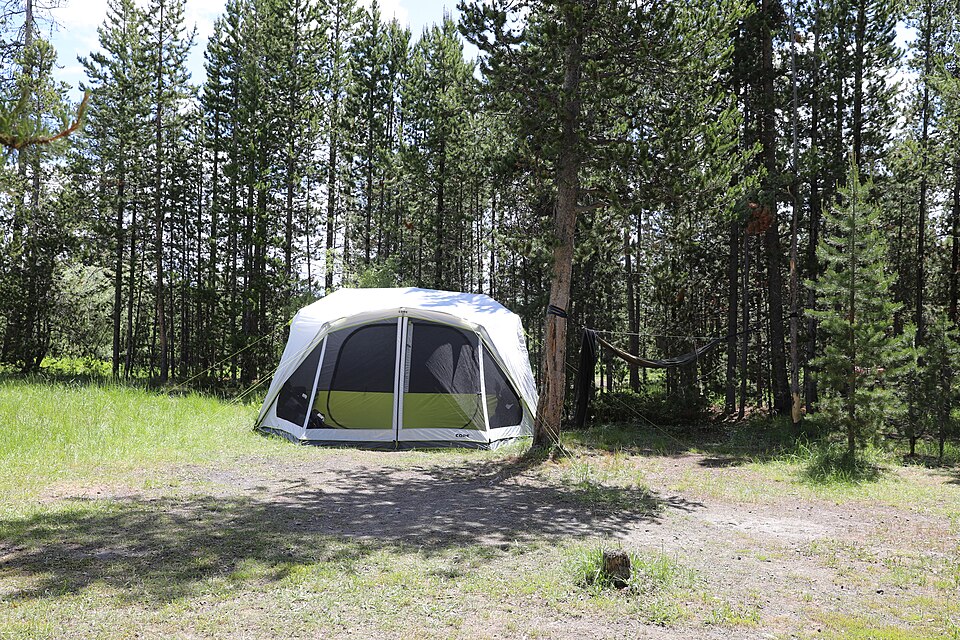
Lock in a stay for this season
RV parks near Appalachian Trail - CT on RoverPass
Partner link · RoverPass
Summer Canopy and Humidity
Summer on the trail, spanning July and August, is characterized by deep green tunnels of foliage and significant humidity. The dense canopy provides much-needed shade, but the heat can be intense, especially during the climbs around Salisbury. During these months, the river becomes a focal point for recreation, offering a cool breeze to those hiking the flat, ten-mile river walk section.
This is the peak season for through-hikers moving north toward Maine, so you can expect to encounter a more social atmosphere at the designated overnight sites and lean-tos. While water sources are generally reliable, late summer droughts can occasionally dry up smaller streams, making it essential to check recent reports. Insects, particularly mosquitoes and gnats, are most prevalent now, so packing appropriate protection is a must for anyone planning to spend significant time in the wooded interior or near stagnant water pools.
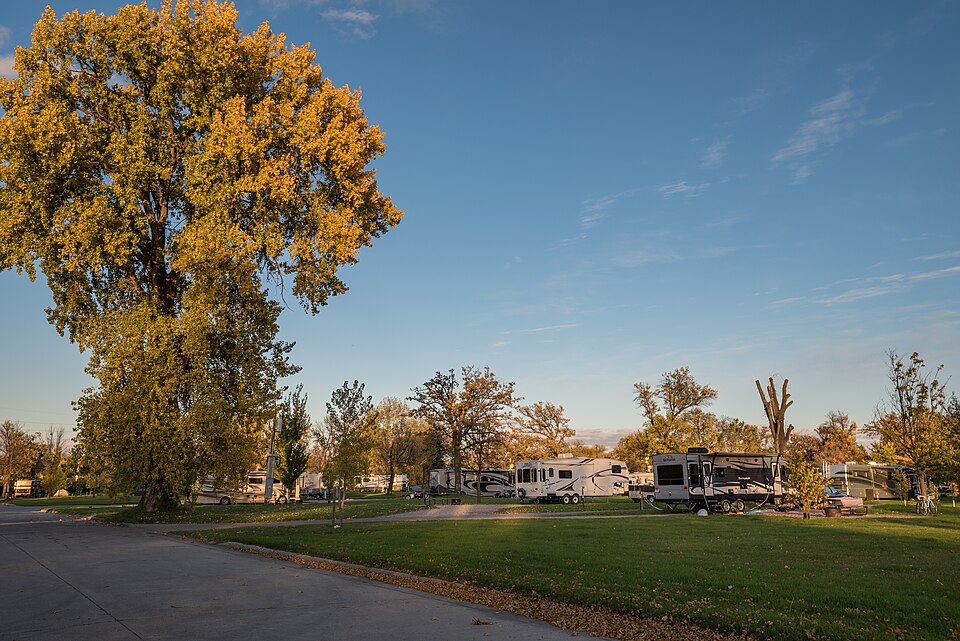
Lock in a stay for this season
Campsites near Appalachian Trail - CT on Campspot
Partner link · Campspot
Autumn Foliage and Crisp Air
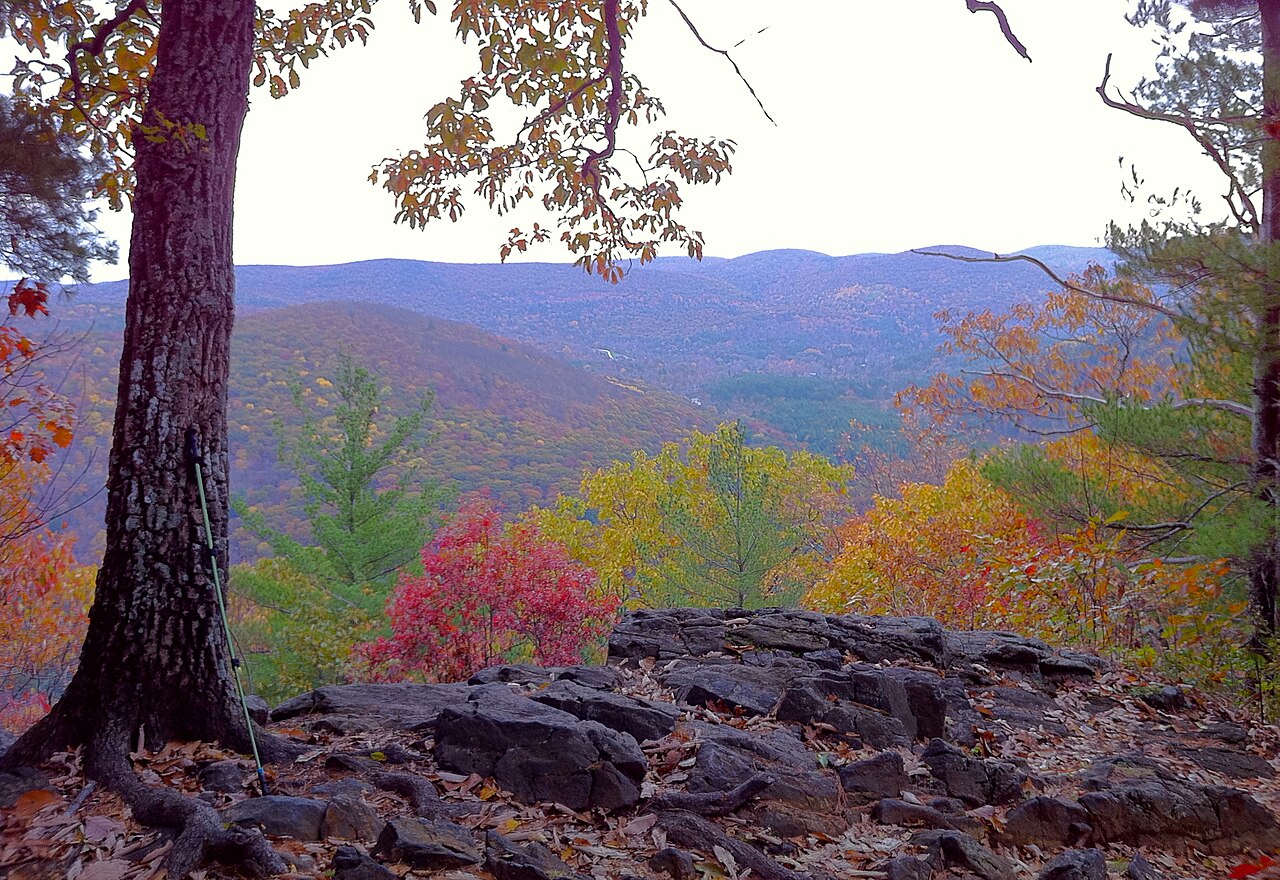
Many veterans of the trail argue that the best time to visit Appalachian Trail - CT is during the autumn months of September and October. The Litchfield Hills are world-renowned for their fall colors, with maples, oaks, and birches turning brilliant shades of orange, red, and gold. The crisp, cool air makes for ideal hiking conditions, reducing the physical strain of the more vertical sections of the trail.
Visibility from the overlooks, such as Randâs View or the summit of Lions Head, is at its peak as the humidity drops and the air clears. Because this is such a popular time for leaf-peeping, the gateway towns of Kent and Salisbury can become quite crowded on weekends. If you are looking for solitude, midweek treks are highly recommended. Be aware that temperatures can drop sharply after sunset, often reaching near-freezing levels by late October, requiring hikers to carry additional layers and warmer sleeping gear.
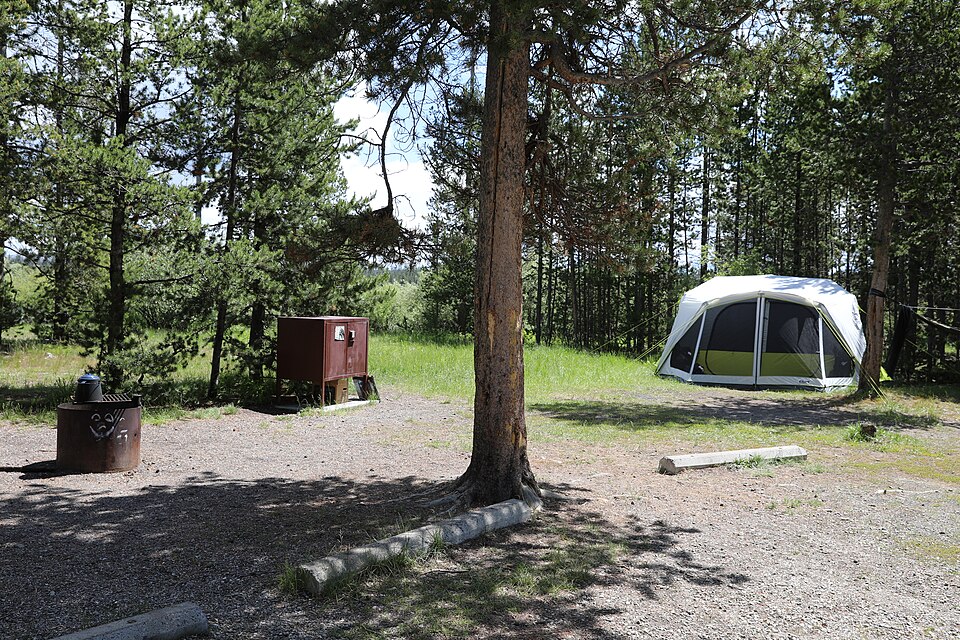
Lock in a stay for this season
Harvest Hosts stays on the way to Appalachian Trail - CT
Partner link · Harvest Hosts
Winter Solitude and Snowy Ridges
Winter offers a completely different perspective on the Connecticut highlands. From December through March, the leaves are gone, revealing expansive views through the trees that are hidden during the rest of the year. The trail becomes a place of profound silence and stark beauty. However, this season is only for those with proper experience and gear, as the steep rock scrambles can become dangerous when coated in ice or deep snow.
Snowshoes or traction devices are often necessary for navigating the northern sections near the Massachusetts border. While the physical challenge increases, the reward is a landscape free of crowds and the ability to track wildlife through the fresh powder. Most trailside facilities are primitive and remain open, but access roads to certain trailheads may be unplowed or difficult to navigate after a storm. Always check the weather forecast for the Litchfield Hills region, as mountain weather can be significantly harsher than in the surrounding valleys.
Crowds and Reservation Planning
While the Connecticut section of the Appalachian Trail does not require permits for day use or general backpacking, the timing of your visit affects the availability of space at established campsites. The weekends in June and October are the busiest, often seeing high volume at the most accessible trailheads near Route 7. If you are planning to stay in local inns or bed and breakfasts in the gateway towns, it is wise to book several months in advance, especially during the peak foliage season.
The National Park Service and the Appalachian Trail Conservancy manage the corridor, and it is always a good practice to check their official sites for any temporary trail closures or maintenance alerts. While you won't need a reservation for the shelters, they operate on a first-come, first-served basis. During the height of the summer through-hiker bubble, these sites can fill up early in the day. Planning for a midweek start or choosing less popular access points can help ensure a more tranquil experience in these quiet Connecticut highlands.
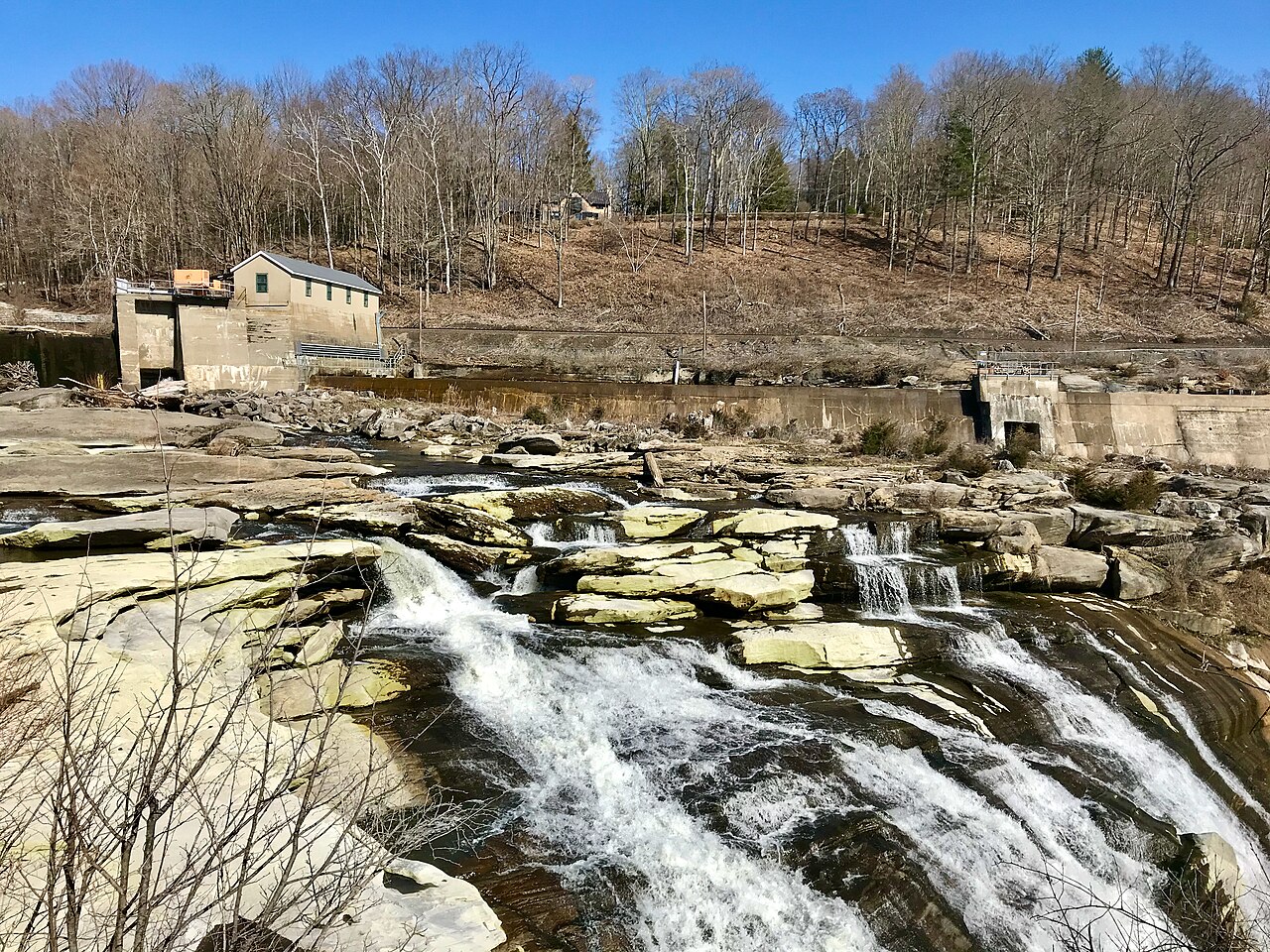
More ways to book Appalachian Trail - CT
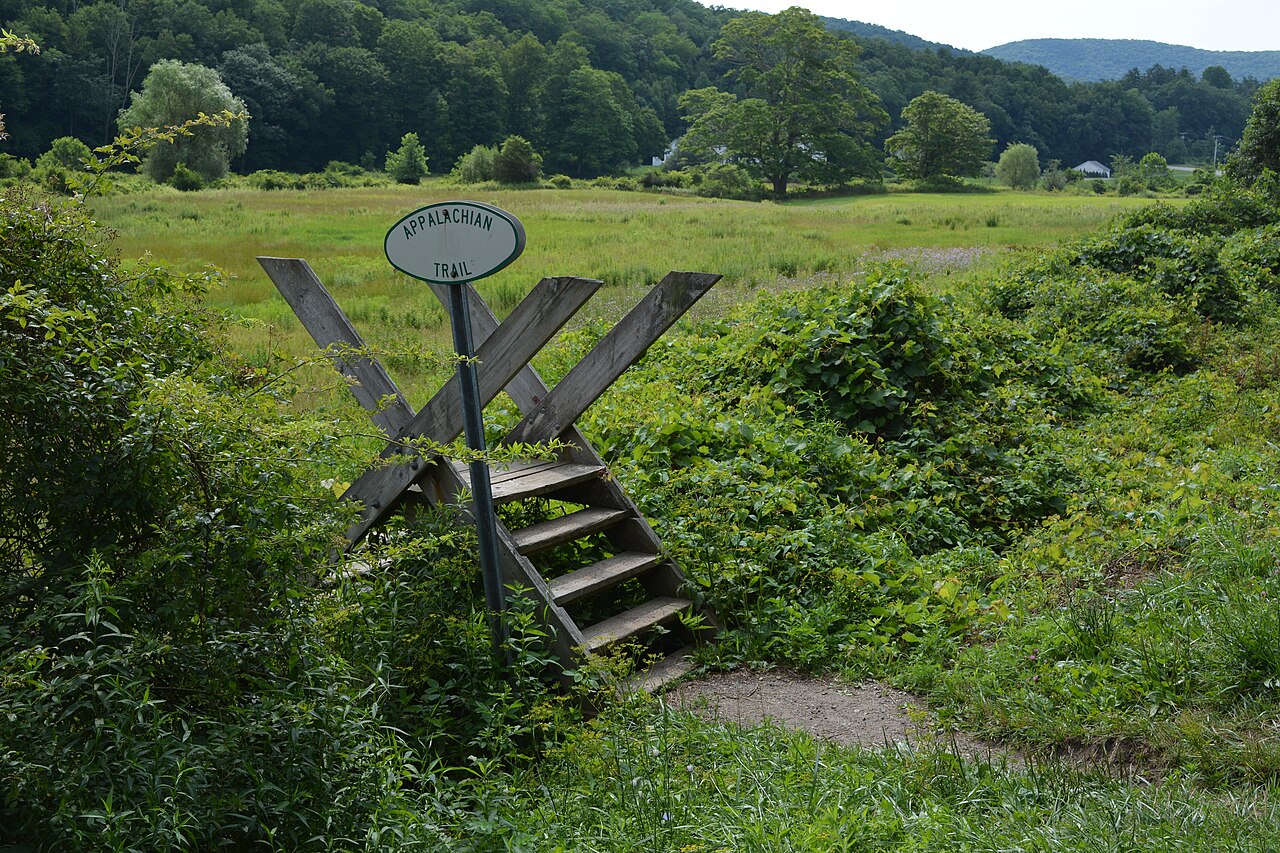 Illustrative · David Silverglade
Bulls Bridge Walk
One of the classic ways to experience Appalachian Trail - CT.
Varies (estimate)
Partner link · Viator