
Anchorage works best as both a destination and a launch point: you can spend a morning beside Cook Inlet, explore local history after lunch, and head toward the mountains the next day. The strongest plans mix city experiences with one or two longer outings instead of treating every day as a drive. Keep weather, trail conditions, and wildlife in mind, and leave enough flexibility to change your route.
Start with the Coast and Local Culture
Walk or bike a manageable stretch of the Tony Knowles Coastal Trail for an introduction to Anchorage's shoreline and wooded edges. Westchester Lagoon makes a convenient starting area for a shorter outing, while Point Woronzof offers another perspective on Cook Inlet and nearby airport activity. Views of distant mountains depend on the weather, so treat them as a bonus rather than the whole purpose.
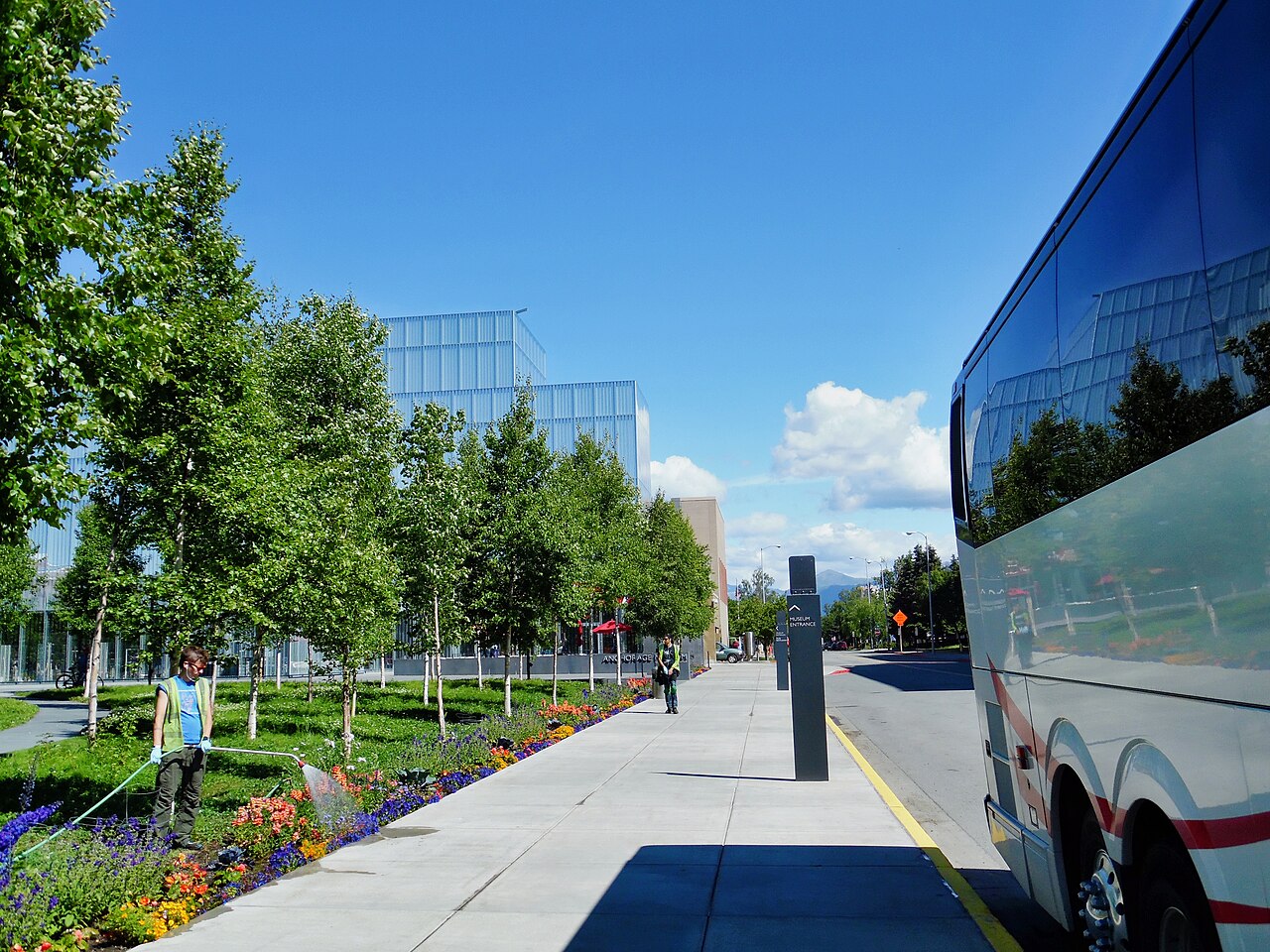
Pair your outdoor time with the Anchorage Museum or the Alaska Native Heritage Center. Both add important context to a landscape-focused visit, particularly Alaska Native histories and contemporary life. Check their official websites for current access and programs. On shared trails, watch for cyclists and give any wildlife plenty of room.
Choose a Chugach Hike or a Turnagain Arm Drive
Chugach State Park brings mountain scenery close to the city, but route difficulty varies widely. Glen Alps is a well-known access point with viewpoints and trails; you do not need to attempt the Flattop summit to enjoy the setting. The summit route includes steep, rocky terrain and is not the default choice for inexperienced hikers or families seeking an easy stroll.
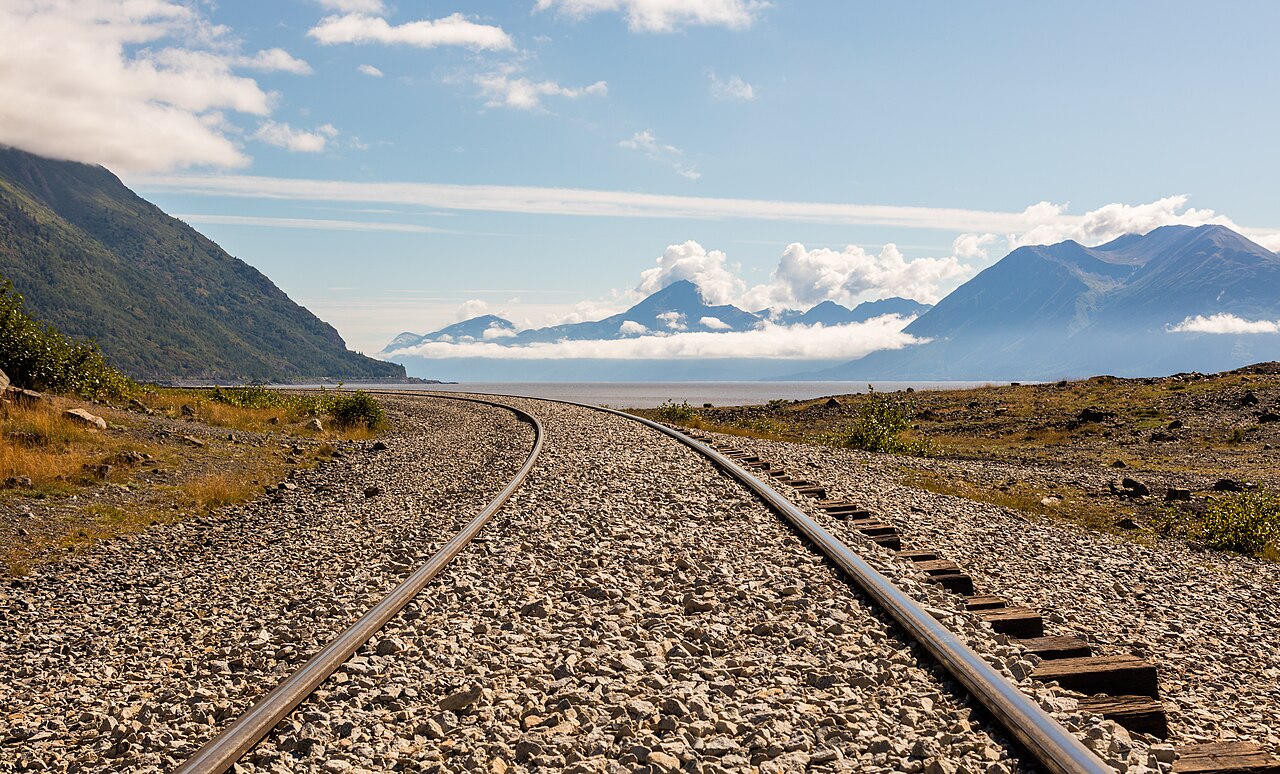
For a drive-focused day, follow the Seward Highway along Turnagain Arm toward Girdwood, stopping only at designated pullouts. Let a passenger handle sightseeing while the driver watches the road. Check Alaska State Parks for trail conditions and Alaska 511 for road updates, and choose a shorter outing when weather or access is uncertain.
Look for Wildlife Without Building the Day Around a Sighting
Moose can appear in Anchorage parks and neighborhoods, while Turnagain Arm is known for occasional beluga sightings. Neither is predictable. Carry binoculars, observe from a distance, and never approach, feed, or crowd wildlife for a photograph. Bears also use local trails; review official bear guidance and know how to use any deterrent you carry.
The Alaska Wildlife Conservation Center near Portage offers a more structured way to learn about Alaska animals in human care. For water-based wildlife excursions, Seward is a longer trip and often deserves an overnight. Stay off Turnagain Arm's tidal mudflats: unstable mud and fast-changing tides make them unsuitable for casual shoreline exploration. Check operators' current schedules before planning around a departure.
Keep Family Days Short and Varied
With kids, aim for one main activity and a nearby backup rather than a full day of driving between attractions. A short coastal-trail walk, time around Westchester Lagoon, or an easy route in Kincaid Park can provide room to explore without committing everyone to a mountain climb. Choose your turnaround point before children are tired, and remember that wildlife can appear even in urban parks.
Add hands-on museum time or a visit focused on Alaska Native culture to balance outdoor hours. Pack snacks, rain layers, and spare warm clothing even when the morning looks clear. Long summer evenings can tempt families to overfill the schedule, so keep meals and bedtime reasonably consistent.
Make Rainy Days Part of the Plan
A rainy day is a good opportunity for the Anchorage Museum, local galleries, and an unhurried meal rather than a disappointing version of a mountain day. The Alaska Native Heritage Center can also fit, but parts of the experience are outdoors, so check current programming and bring rain gear. Downtown browsing pairs easily with indoor stops without requiring a long drive.
Light rain does not automatically rule out a short walk on a suitable trail, but low clouds can erase mountain views and make exposed routes less appealing. Reassess wind, visibility, and footing before heading out. Keep one indoor option on your itinerary, and check official attraction and park websites for current access information.