
June through August is the easiest starting point for an Anchorage trip, with long daylight hours and broad access to trails, scenic drives, and summer excursions around Southcentral Alaska. Early fall can suit travelers who prefer a quieter pace and autumn color, while winter shifts the focus toward snow sports and short daylight windows. Choose your dates around the outings you care about most, rather than expecting one season to deliver everything.
Summer: Long Days and the Widest Choice of Outings
June, July, and August offer the most straightforward combination of hiking, coastal sightseeing, and day trips. Anchorage summer afternoons are often mild, commonly in the 60s Fahrenheit, but rain, wind, and cooler evenings still call for layers. Long daylight makes it easy to fit a neighborhood walk and a scenic stop into the same day without rushing.
This is also the busiest travel period. Popular lodging, rental vehicles, RVs, and guided excursions can fill well ahead of arrival. Reserve the essentials several months ahead when possible, particularly for July travel. High-elevation trails may retain snow into early summer, so a summer date does not automatically mean every mountain route is ready.
Fall: Color, Quieter Trails, and Changing Conditions
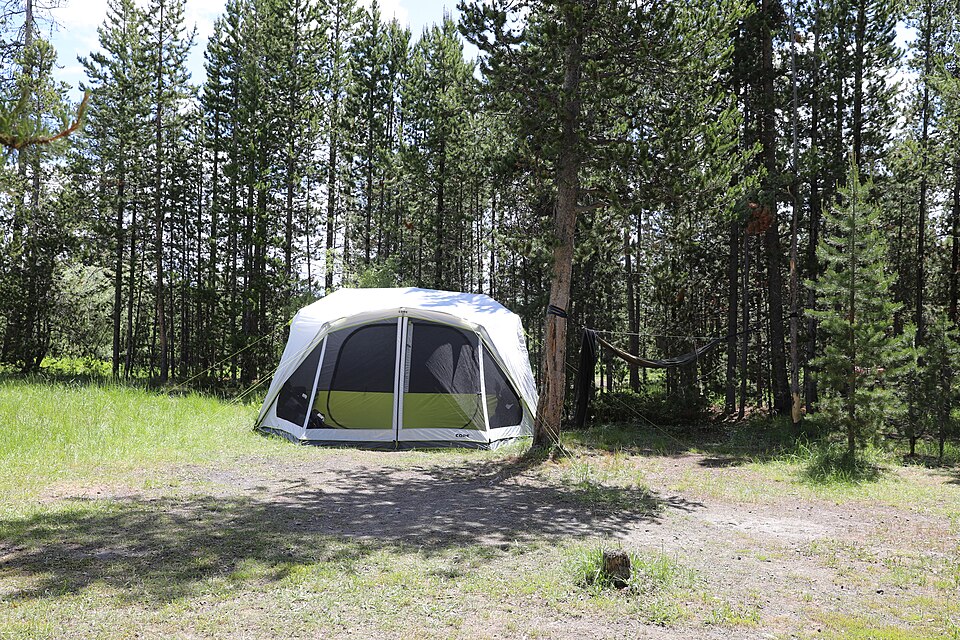
September can bring golden birch and aspen, colorful tundra, and fewer visitors than midsummer. It is a good fit for scenic drives, lower-elevation walks, and a flexible schedule that leaves room for wet weather. Temperatures trend cooler, daylight decreases quickly, and snow can arrive in the mountains while town still feels like fall.
Some seasonal tours and lodging begin reducing service after summer, so confirm availability before building your trip around a particular outing. By October, expect a more transitional experience rather than a dependable extension of hiking season. Book any must-have accommodation ahead, but prioritize flexible terms and keep a museum visit or urban walk available as a backup.
Winter: Snow-Based Trips and Short Daylight
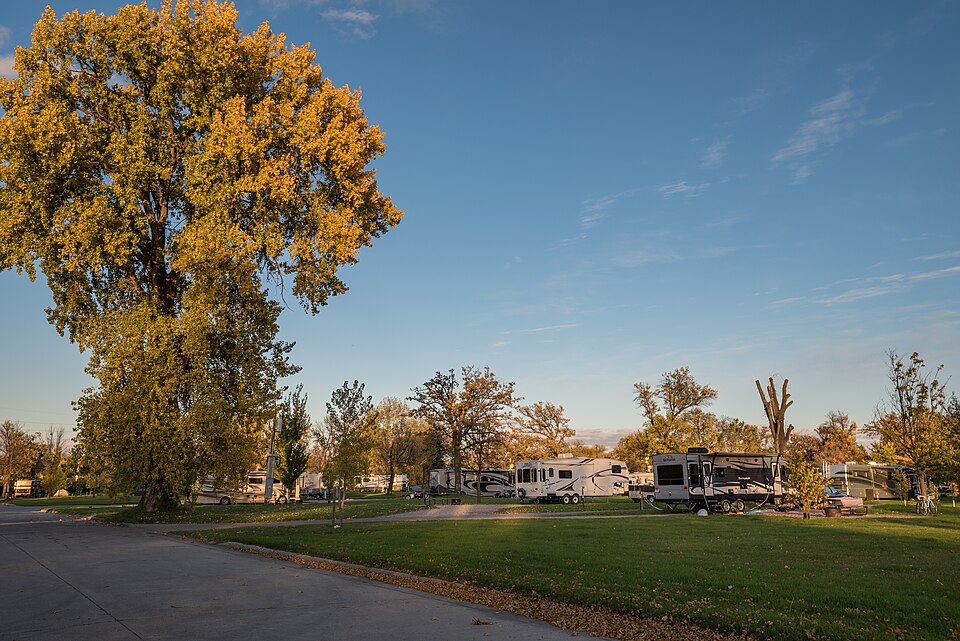
Winter suits travelers who want skiing, groomed-trail outings, or a snowy city base rather than summer-style mountain hiking. Anchorage has a strong cross-country skiing culture, and Girdwood is a nearby destination for downhill skiing. Daylight is limited around midwinter, so plan outdoor activities for the brightest part of the day and leave extra time for transportation.
Cold, ice, and changing road conditions affect even simple outings. Rent appropriate equipment and choose activities that match your experience. Dark skies create opportunities to look for northern lights, but clouds and solar activity make sightings unpredictable. Reserve holiday lodging and ski-related plans ahead, and check official weather, road, trail, and avalanche information before mountain travel.
Lock in a stay for this season
Harvest Hosts stays on the way to Anchorage
Partner link · Harvest Hosts
Spring: Longer Days, Uneven Trail Access
March and early April can still feel firmly wintry, even as daylight expands. Later spring brings melting snow, muddy paths, and a gradual shift toward summer access. Conditions vary sharply between the coast, city trails, and higher elevations, so think of April and May as transition months rather than guaranteed mountain-hiking season.
Paved paths, museums, and scenic drives are useful anchors for a spring itinerary. Avoid damaging muddy trails, and respect seasonal closures or requests to stay off soft surfaces. May can work well for travelers comfortable adjusting plans, although some excursions may not yet operate on their full summer schedules. Confirm tour dates and check Alaska State Parks updates before committing to a trail-focused visit.
Match Reservations and Crowds to Your Priorities
For a first visit centered on hiking and road trips, start by comparing June through August dates. If quieter surroundings matter more than maximum tour availability, consider early September and accept a greater chance of cool, wet weather. Winter trips work best when snow activities are the main purpose, not a substitute for unavailable summer plans.
Reserve flights, lodging, and your rental vehicle first, then add limited-capacity excursions and any reservable campsites. Do not assume one permit rule covers the whole region: particular activities, parking areas, and campgrounds may have separate requirements. Check official Alaska State Parks pages for Chugach conditions, and the NPS site if your trip includes Kenai Fjords National Park.
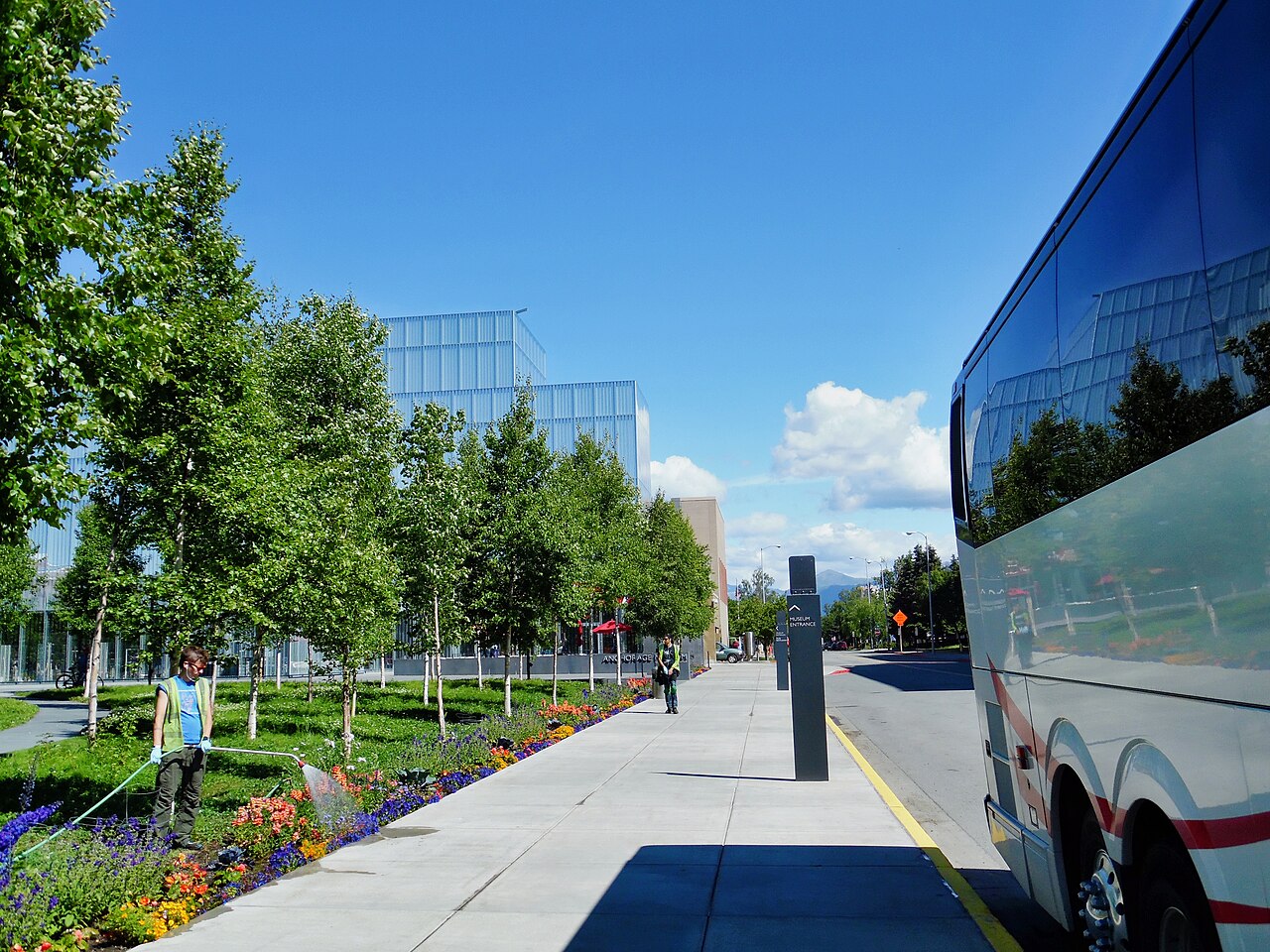
More ways to book Anchorage
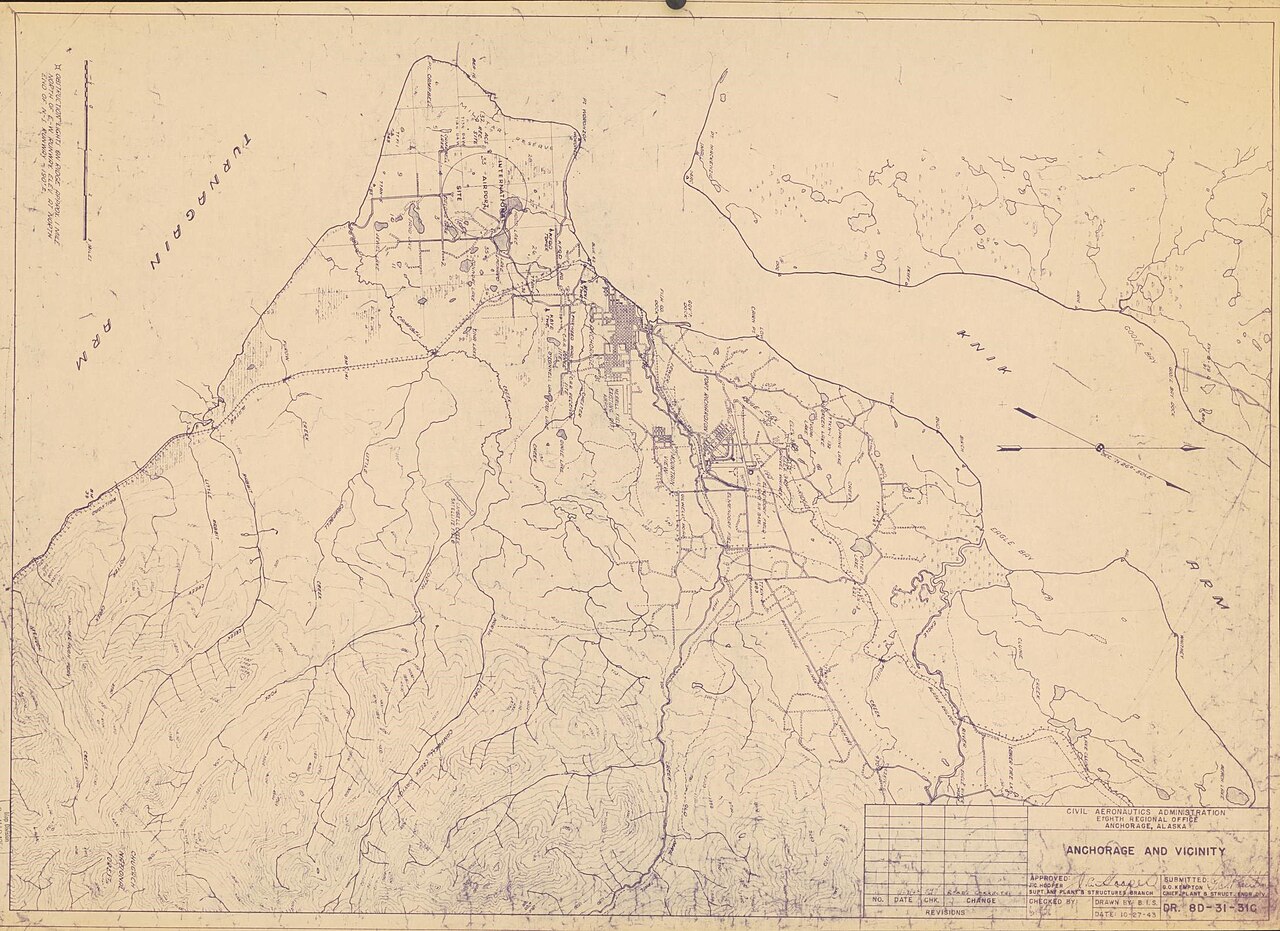 Illustrative · Civil Aeronautics Administration
Chugach State Park Exploration
One of the classic ways to experience Anchorage.
Varies (estimate)
Partner link · Viator