
Around Anchorage, glamping is less about one standard type of lodging and more about choosing an outdoorsy stay with the comforts you actually want, whether that means a furnished tent, a yurt, or a cabin. Search beyond the city toward Girdwood, the Mat-Su Valley, and Seward, while checking each property's location and amenities carefully. Distances, bathrooms, heating, and food storage matter more than how photogenic a listing looks.
Know What the Glamping Label Includes
Glamping listings can describe very different experiences. One may provide a real bed, electricity, and a private bathroom; another may offer a furnished shelter with a shared bathhouse and no running water inside. A cabin may be comfortable lodging without being remote, while a tent-based stay may still involve campground noise and a walk to the toilet.
Before booking, confirm heating, bedding, drinking water, bathrooms, cooking facilities, and vehicle access. Ask whether your unit has power and whether food must be stored elsewhere. Public-use cabins are a separate category and can be quite rustic, sometimes requiring you to bring sleeping gear and supplies. Read the actual amenity list instead of relying on the word glamping.
Choose an Area That Fits Your Route
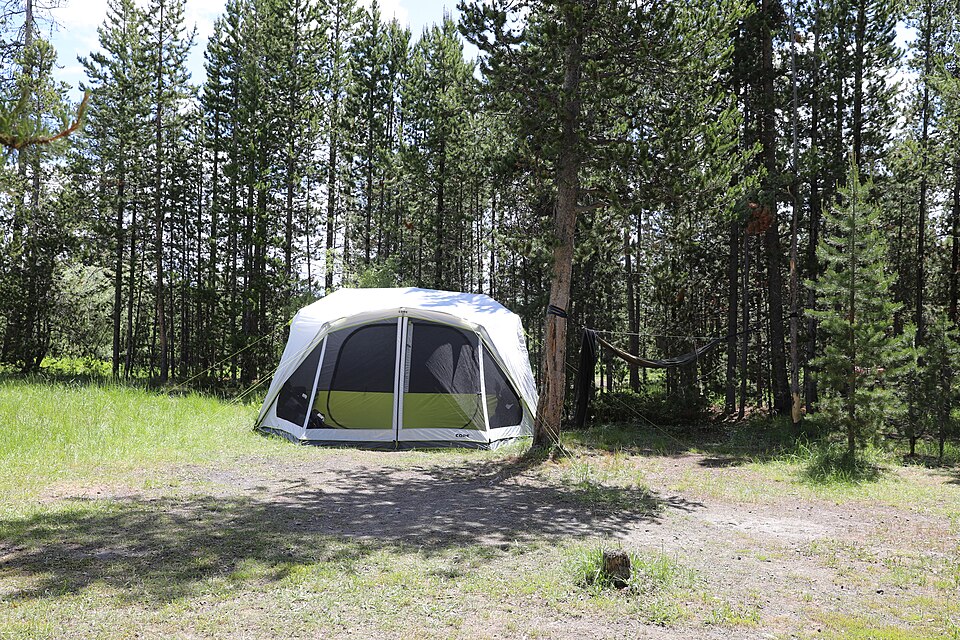
Girdwood and the Turnagain Arm corridor suit travelers who want mountain scenery and access to outings south of Anchorage. Check the exact location: a listing marketed near Anchorage may still involve a substantial drive, and proximity to the highway can affect noise. Forested settings may also have fewer open views than photos suggest.
The Mat-Su Valley around Palmer and Wasilla fits a northbound road trip and offers a different base from the coast. Seward works better as a separate overnight destination for Resurrection Bay and Kenai Fjords outings than as lodging for daily Anchorage sightseeing. These are useful search areas, not guarantees of a particular accommodation type. Verify that suitable lodging operates during your dates before shaping the trip around it.
Match the Season to the Shelter
June through August is generally the simplest window for tent-style lodging, with long daylight and more seasonal services operating. Even then, cool nights and rain make reliable shelter and dry bedding important. Ask how the property handles extended wet weather, and whether the unit's heating is suitable for the conditions you might encounter.
Early fall can bring appealing color and a quieter setting, but colder nights make insulation and heat more important. Winter requires a property explicitly equipped and operated for that season, plus a realistic transportation plan. Reserve popular summer dates several months ahead when possible, without assuming every property follows the same booking calendar. Review cancellation terms and weather-related access policies before paying.
Pack for Damp Weather, Bright Nights, and Wildlife
Bring a waterproof outer layer, warm midlayer, comfortable walking shoes, and dry socks, even for a midsummer stay. An eye mask helps with long summer daylight; a headlamp remains useful around camp and becomes more important later in the season. Pack insect repellent and consider a head net if you expect to spend time in buggy, sheltered areas.
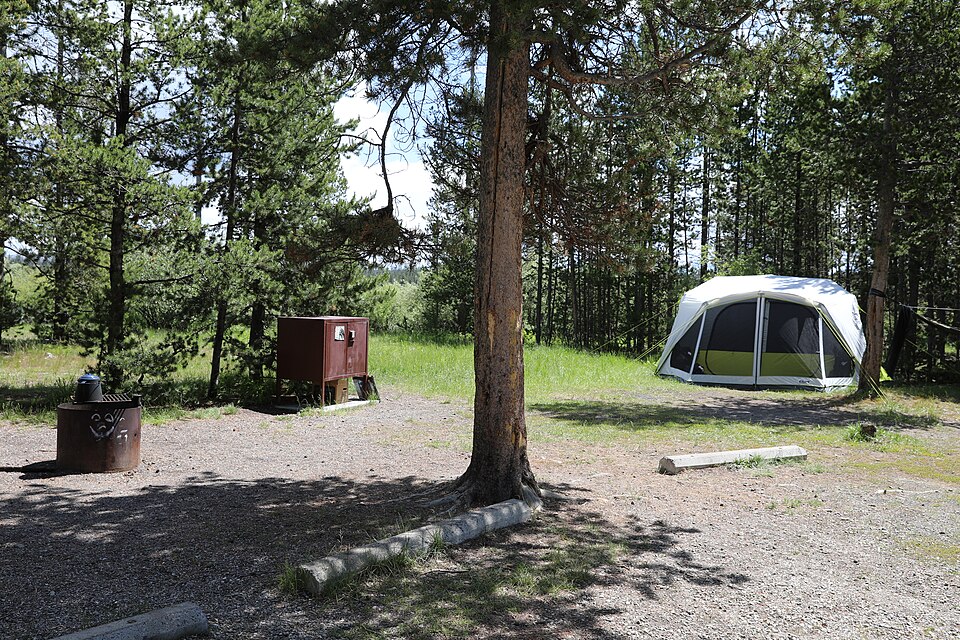
Confirm whether towels, bedding, cookware, and drinking water are supplied before adding them to your bag. Keep food and scented items in the storage location required by the property, not in an unsecured tent. Review official wildlife guidance for nearby trails. If you plan to carry bear spray, learn its use and check transport rules; it cannot travel in airline baggage.
Choose Between Glamping, Camping, and an RV
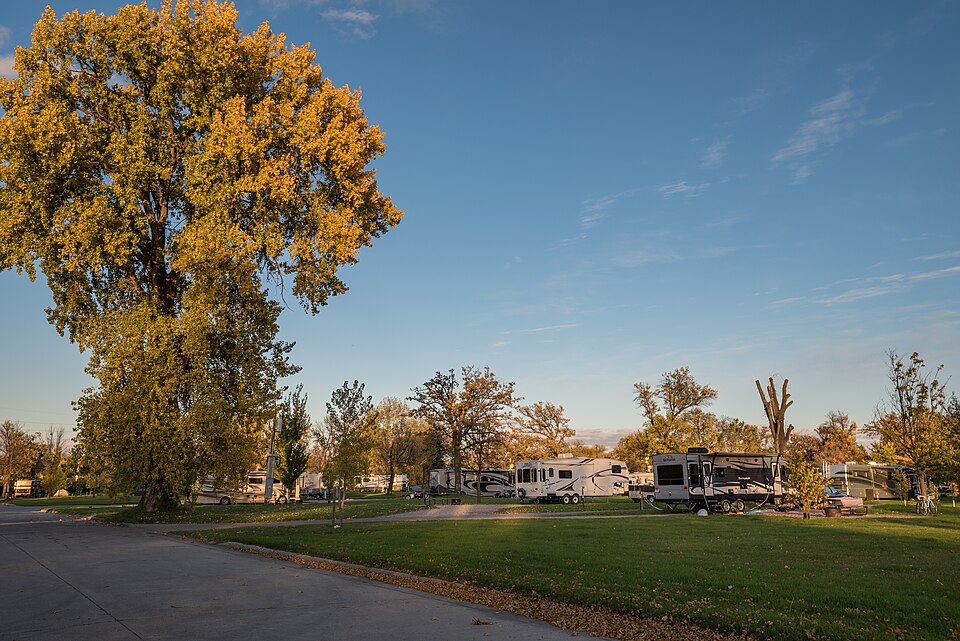
Glamping suits travelers who want an outdoor setting without transporting a full camp setup, but comfort depends on the specific unit. Tent camping generally means lower lodging costs and more responsibility for weather protection, food storage, and equipment. An RV adds enclosed living space and flexibility, along with rental, fuel, campsite, and possible service costs.
Compare rough total-trip estimates rather than nightly rates alone, including transportation, cleaning charges, bedding, and parking. Glamping is not automatically cheaper than a hotel, and an RV is not automatically economical for a short stay. Check official campground and Alaska State Parks pages for reservations and rules; consult the NPS site for park-managed camping on a Kenai Fjords extension. Never assume overnight parking is permitted.