
The most memorable things to do in White Sands are simple: walk into the white dunes, watch shadows change their shape, and give yourself time to notice the desert around them. A scenic drive and a few short stops can fill a satisfying first visit, while marked hikes and ranger programs add depth for travelers spending another day in the Alamogordo area or nearby gateways.
Explore the Dunes and Try Sand Sledding
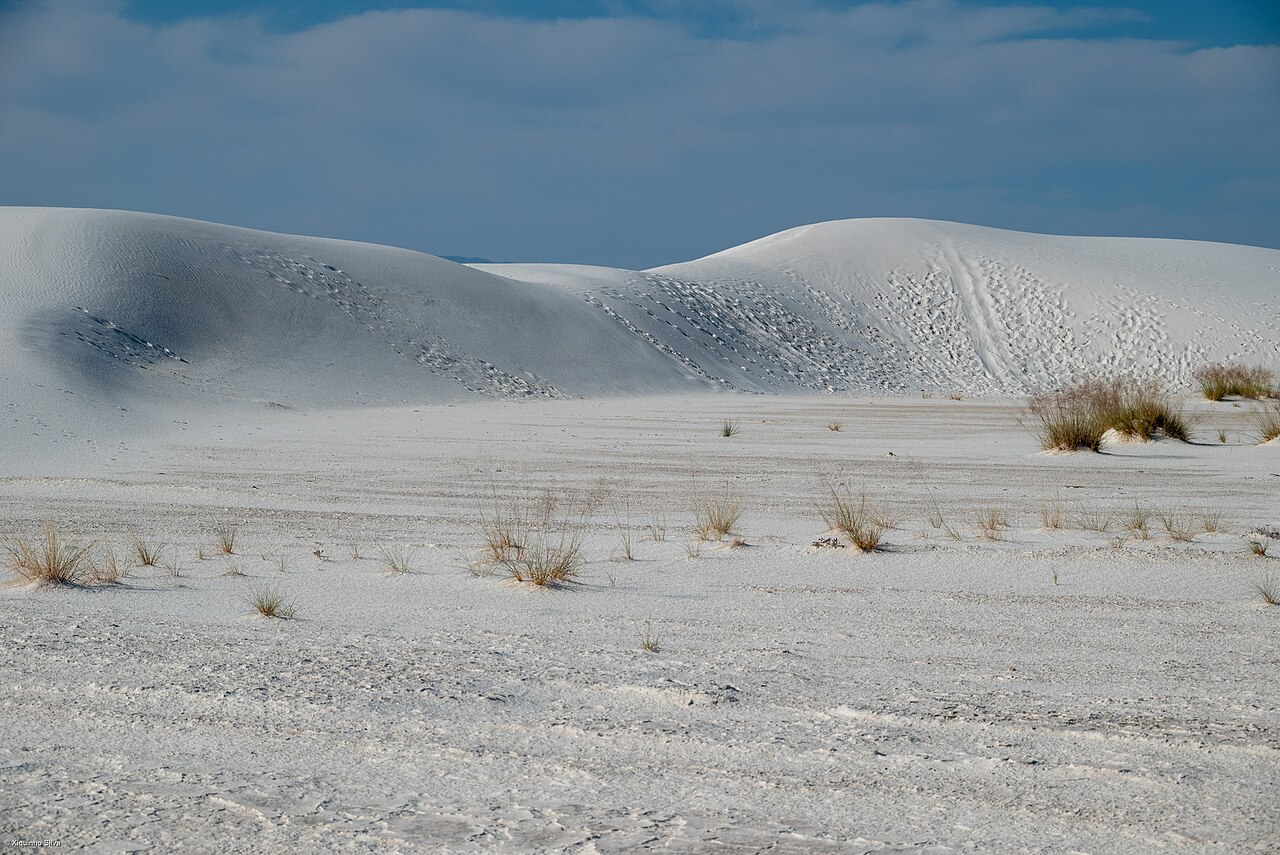
Walking onto the gypsum dunes is the park's defining experience. Choose a designated stopping area along Dunes Drive, note your surroundings, and explore at a scale that matches the weather and your energy. Late-day light can reveal ripples and long shadows, but confirm closing times before planning a photography session.
Sledding is another popular activity, using a sled suited to sand. Bring your own or check current availability through the park's official visitor information. Choose a slope with a clear runout, away from roads, vegetation, and other visitors. Climbing back up takes effort, so begin with a small dune rather than committing to the steepest slope you can find.

Drive the Scenic Road and Choose a Marked Trail
Dunes Drive runs about eight miles one way into the dunefield, with paved and packed-gypsum stretches. Allow time for pullouts rather than treating it as a quick out-and-back drive. Road conditions and temporary closures can change the experience, so check NPS alerts before arrival.
For a short introduction, consider the Interdune Boardwalk or Playa Trail. The Dune Life Nature Trail adds a closer look at the ecosystem, while the roughly five-mile Alkali Flat Trail is a much more strenuous dune hike despite its name. Choose based on current conditions, not distance alone. Carry water and follow route markers; footprints are not a dependable navigation system in shifting sand.
Look for Wildlife and Learn the Water Story
White Sands is a desert wildlife destination, not a swimming or paddling stop. Look for tracks in undisturbed sand and watch quietly for lizards, insects, and birds. Some animals are more active during cooler hours, although sightings are never assured. Binoculars can help you observe without approaching or disturbing wildlife.
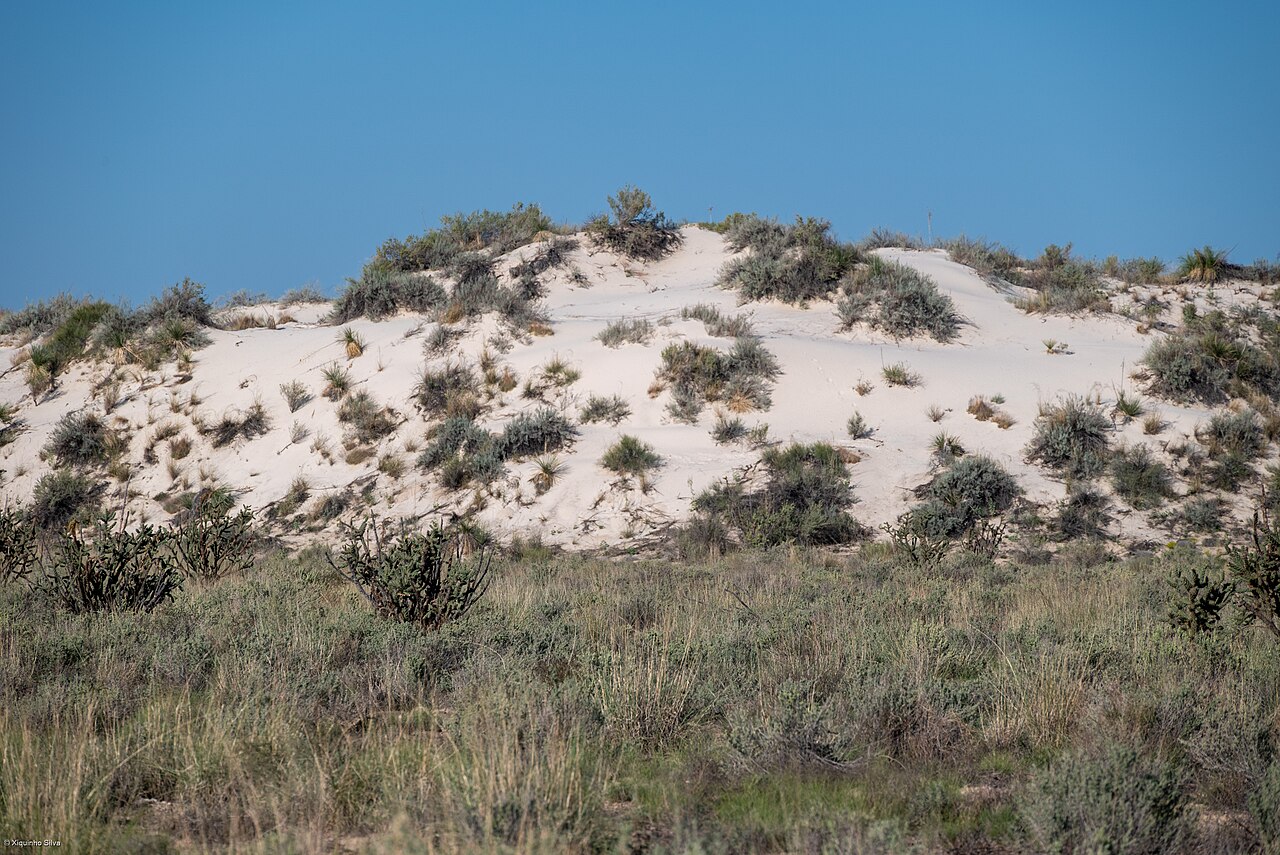
The Playa Trail offers a useful introduction to an environment shaped by water even when the surface looks dry. Read interpretive signs to understand how changing moisture supports the landscape. Stay on designated routes, leave plants and natural objects in place, and never feed animals. Ranger talks, when offered, can connect the dunes' geology with the adaptations of the creatures living here.
Make It a Kid-Friendly Desert Visit
For children, a short dune walk and a little sledding often work better than a long checklist. Start at the visitor center to ask about the Junior Ranger program and current family-friendly activities. The Interdune Boardwalk can introduce the landscape without requiring an immediate climb through loose sand.
Pack snacks, drinking water, sun protection, and spare clothing for sandy play. Choose a clear meeting point and keep children close; similar-looking dunes can make orientation surprisingly difficult. Picnic areas offer a useful pause, but do not count on finding shade everywhere you stop. Build in breaks, and let the day's weather determine how long your family stays outside.
Have a Windy- or Rainy-Day Backup
Rain, thunderstorms, or strong wind can make an outdoor-focused plan impractical. If the park remains open, begin with visitor center exhibits and ask staff which activities suit the current conditions. Do not enter the dunes during lightning, and avoid assuming that a short trail is appropriate simply because it is close to the road.
Alamogordo provides an alternative for an indoor day. The New Mexico Museum of Space History offers a different perspective on the region's scientific and aerospace connections; verify its current schedule directly. Keep any return to the dunes optional until conditions improve. Checking the official NPS alerts before driving can prevent an unnecessary trip to a closed entrance.