
The best time to visit White Sands is generally October through May, when cooler conditions make exploring the gypsum dunes more comfortable than in summer. Spring brings changeable weather and wind, fall offers a useful balance of daylight and cooler temperatures, and winter rewards flexible travelers with crisp scenery—so choose your dates around how much walking you want to do, not just the forecast high.
Spring: Comfortable Temperatures, With Wind to Watch
Spring is a rewarding season for dune walks, photography, and a first visit, but wind can shape the day as much as temperature. Blowing gypsum may reduce visibility and make an exposed walk unpleasant. Keep your schedule flexible enough to swap a longer hike for a shorter roadside stop when conditions change.
Wear layers, carry eye protection, and protect cameras and phones from blowing sand. Spring break can bring more visitors, especially around weekends and holidays. Start with the official NPS conditions page, then check the local forecast close to departure. If you want quiet photographs, consider a weekday visit rather than assuming the dunes will be empty.
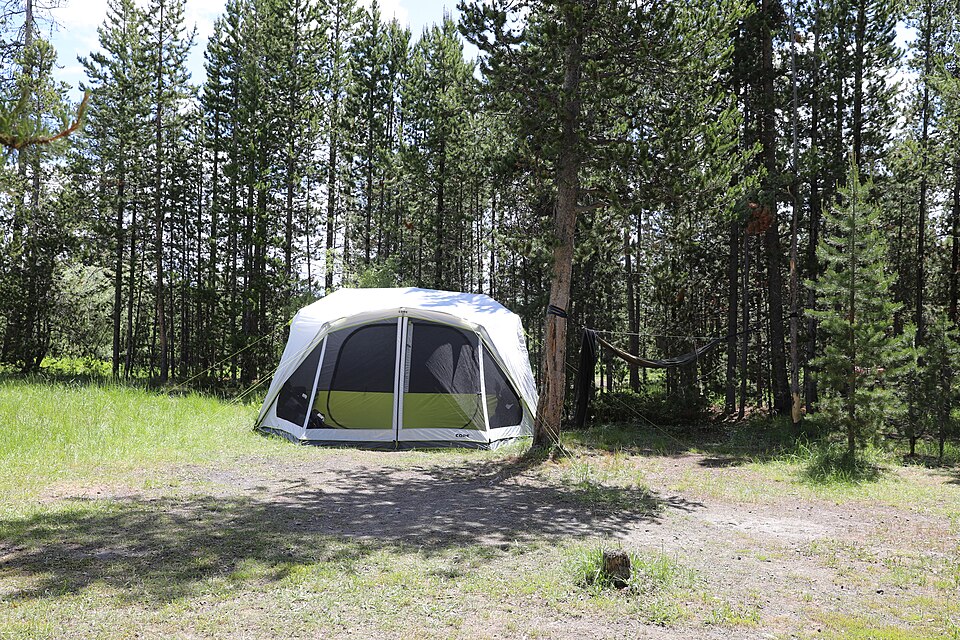
Lock in a stay for this season
RV parks near White Sands National Park on RoverPass
Partner link · RoverPass
Summer: Short Outings and Careful Timing
Summer is the most demanding season for active sightseeing at White Sands. Strong sun, high air temperatures, and very little shade can make even a modest walk strenuous. The pale gypsum may feel different from darker desert sand, but that does not remove the risks of heat and exposure.
Plan shorter outings during cooler portions of the park's operating day, and avoid building your visit around a long midday hike. Bring ample drinking water from developed facilities, since water is not available along dune trails. Summer thunderstorms can also interrupt plans. Check forecasts and NPS alerts, and do not assume sunrise access or late-evening entry is available on your chosen date.
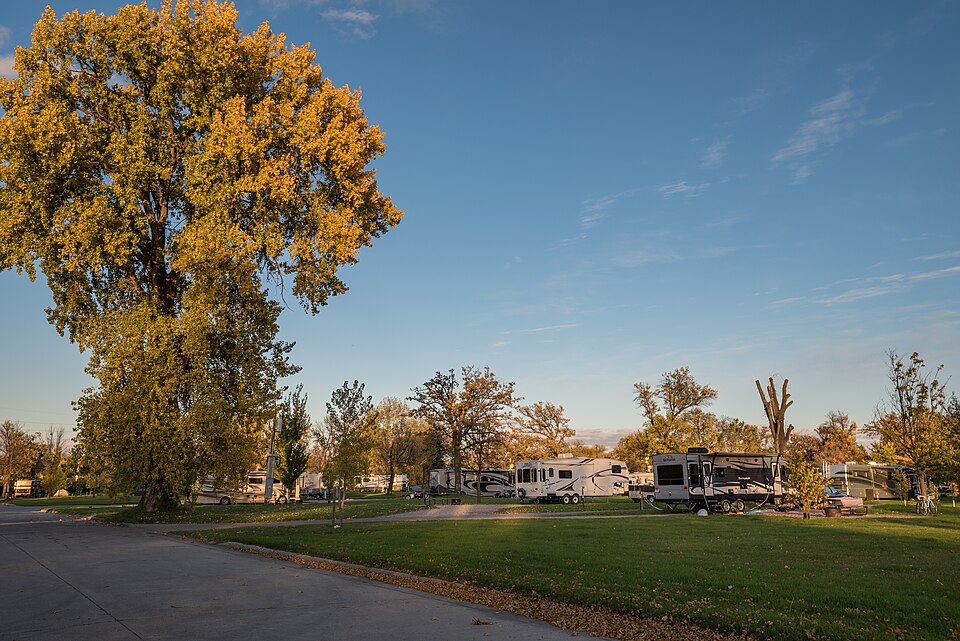
Lock in a stay for this season
Campsites near White Sands National Park on Campspot
Partner link · Campspot
Fall: A Strong Choice for Walking and Photography
Fall is often an appealing compromise between summer heat and winter cold. Early fall can still feel hot, while later dates usually call for an extra layer. Shorter days also make it easier to combine daytime sightseeing with late-afternoon photography, provided the park's current closing schedule allows it.
Use the cooler conditions for a marked dune trail rather than treating them as permission to wander without a plan. Carry water, watch the route markers, and turn around before fatigue becomes a problem. Holiday weekends can still be busy. For an overnight trip, compare lodging in Alamogordo with options farther away in Las Cruces, factoring the extra driving into your schedule.
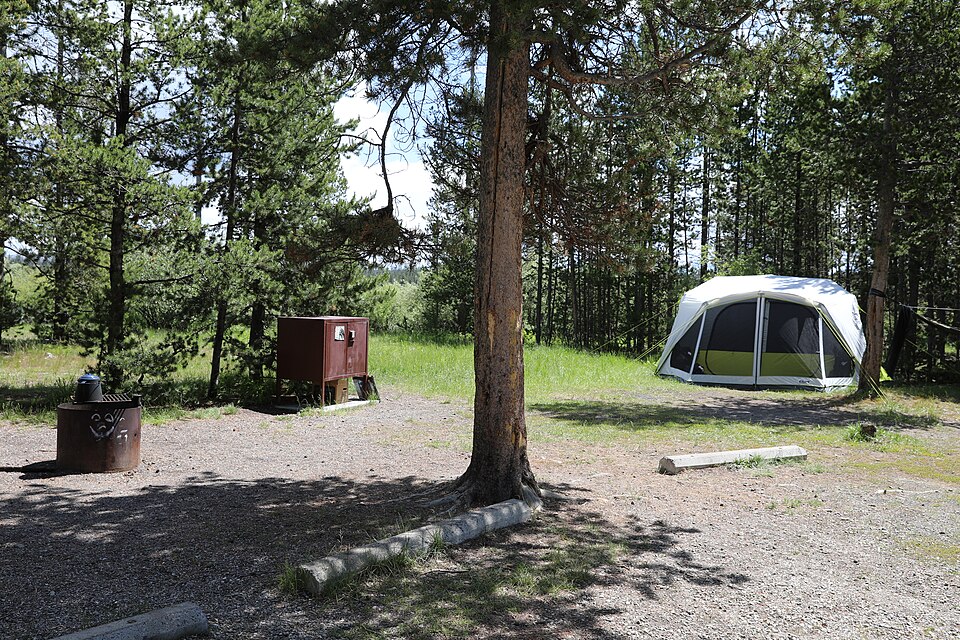
Lock in a stay for this season
Harvest Hosts stays on the way to White Sands National Park
Partner link · Harvest Hosts
Winter: Crisp Views and Cold Starts
Winter can suit travelers who prefer cool walks and do not mind bundling up. Mornings may be freezing, and wind can make exposed dunes feel colder than the temperature suggests. Snow or ice is possible, so keep enough flexibility to adjust a driving day when weather affects roads or access.
Dress in removable layers, including a warm outer layer for stops when you are standing still. Daylight is limited, making a late start less forgiving than in spring. A compact visit with the visitor center, Dunes Drive, and one short walk often works better than an ambitious hiking agenda. Check official park conditions before leaving your lodging.
Crowds, Reservations, and When to Commit
Weekends, school breaks, and holidays generally draw more visitors than ordinary weekdays. White Sands does not usually require a timed-entry reservation for a standard day visit, but special programs can have separate requirements. Check the official NPS site before booking around a particular activity, and reserve nearby lodging earlier for popular travel periods.
Temporary closures related to activity at the neighboring missile range can affect park access and nearby travel. Review alerts when planning, then check again shortly before arrival. Avoid a tightly timed connection immediately after your park visit. A flexible one- or two-day stay gives you more room to work around wind, weather, and access changes.
More ways to book White Sands National Park
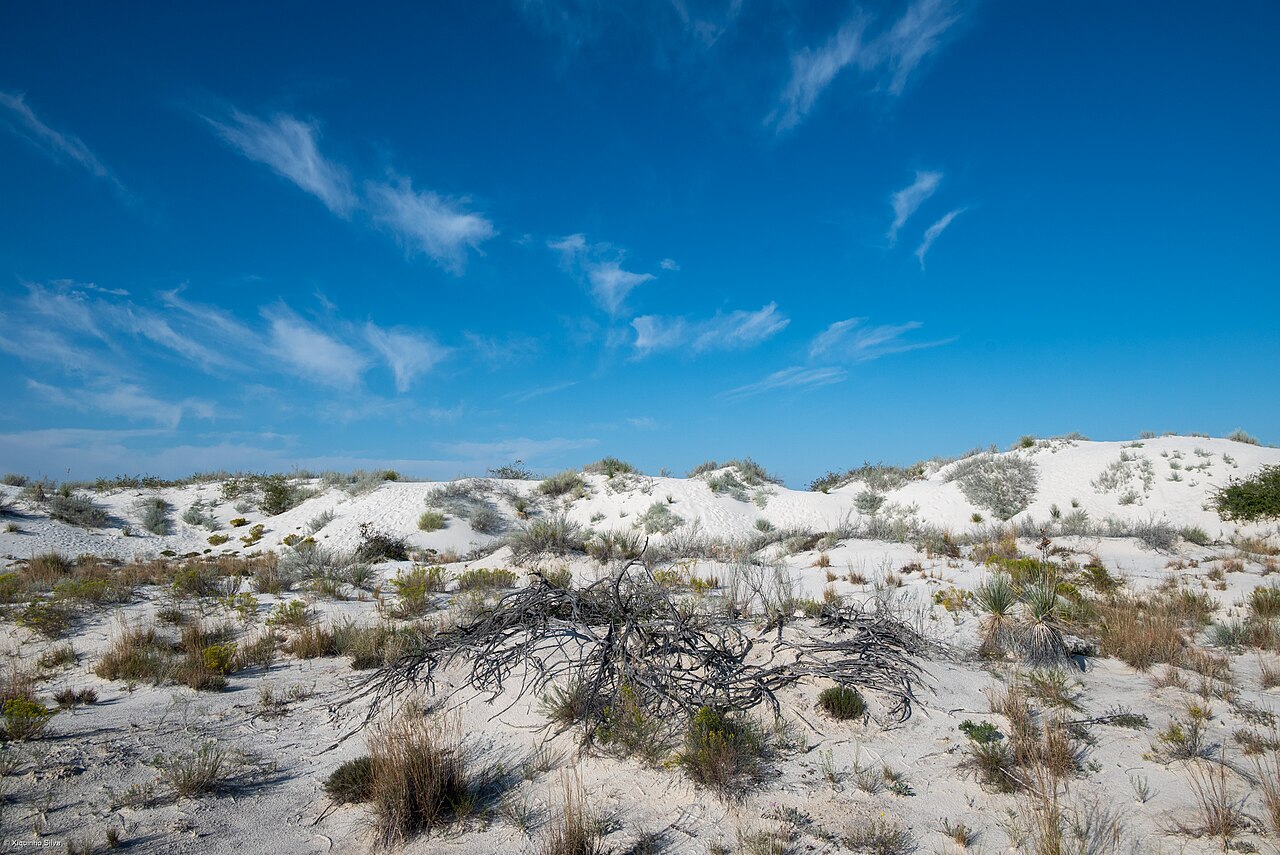
 Illustrative · xiquinhosilva
Dunes Drive
One of the classic ways to experience White Sands.
Varies (estimate)
Partner link · Viator