
Spanning over a quarter-million acres across three distinct units, Wayne National Forest is a playground for outdoor enthusiasts. Whether you are seeking a rugged backpacking adventure, a quiet afternoon by a lake, or a scenic drive through historic river towns, the forest provides a diverse array of activities. Because the forest is non-contiguous, there are endless opportunities to discover hidden pockets of wilderness nestled between the charming small towns of Southeastern Ohio.
Hiking and Backpacking the North Country Trail
Hiking is undoubtedly one of the premier things to do in Wayne National Forest. The forest hosts a significant portion of the North Country National Scenic Trail, which winds through the Athens Unit. Hikers can experience a variety of terrain, from high ridges offering views of the Hocking River Valley to deep, cool hollows filled with hemlocks. For a shorter but equally scenic experience, the Wildcat Hollow Trail provides a popular loop for both day hikers and overnight backpackers, featuring impressive rock formations and pine groves.
If you are looking for something more interpretive, the Ora E. Anderson Nature Trail offers an accessible path through wetland habitats, perfect for observing local flora. The trail systems here are well-marked but can be rugged, so hikers should always carry a physical map and plenty of water. The elevation changes are frequent but manageable for most fitness levels, providing a classic Appalachian hiking experience without the extreme heights of the Blue Ridge or Smokies.
Water Activities and Lake Vesuvius
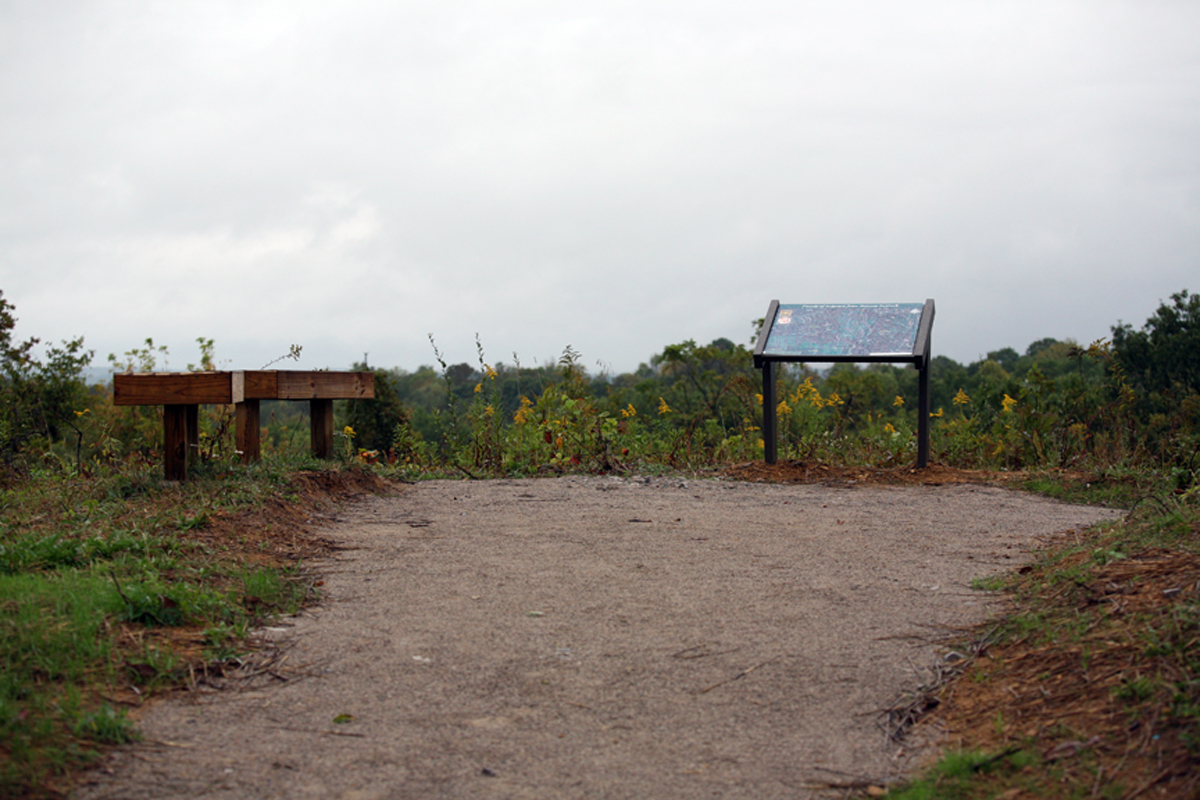
In the southernmost part of the forest, the Ironton Ranger District is home to Lake Vesuvius, a 143-acre reservoir surrounded by striking rock cliffs. Boating and fishing are the primary draws here. You can spend a peaceful morning paddling a kayak or canoe along the shoreline, looking for turtles and blue heron. The lake is stocked with bass and sunfish, making it a favorite spot for local anglers.
For those who prefer to stay on land near the water, the Lakeshore Trail circles the entire reservoir, offering continuous views of the water and access to several secluded fishing piers. There is a designated swimming area that is popular during the summer months, providing a cool reprieve from the Ohio heat. The boardwalk near the dam is an excellent spot for a casual stroll, offering a unique vantage point of the historic Vesuvius furnace and the surrounding hardwood forest. It is a centrally located hub for families looking to mix hiking with water-based relaxation.
Off-Roading and Mountain Biking Adventures
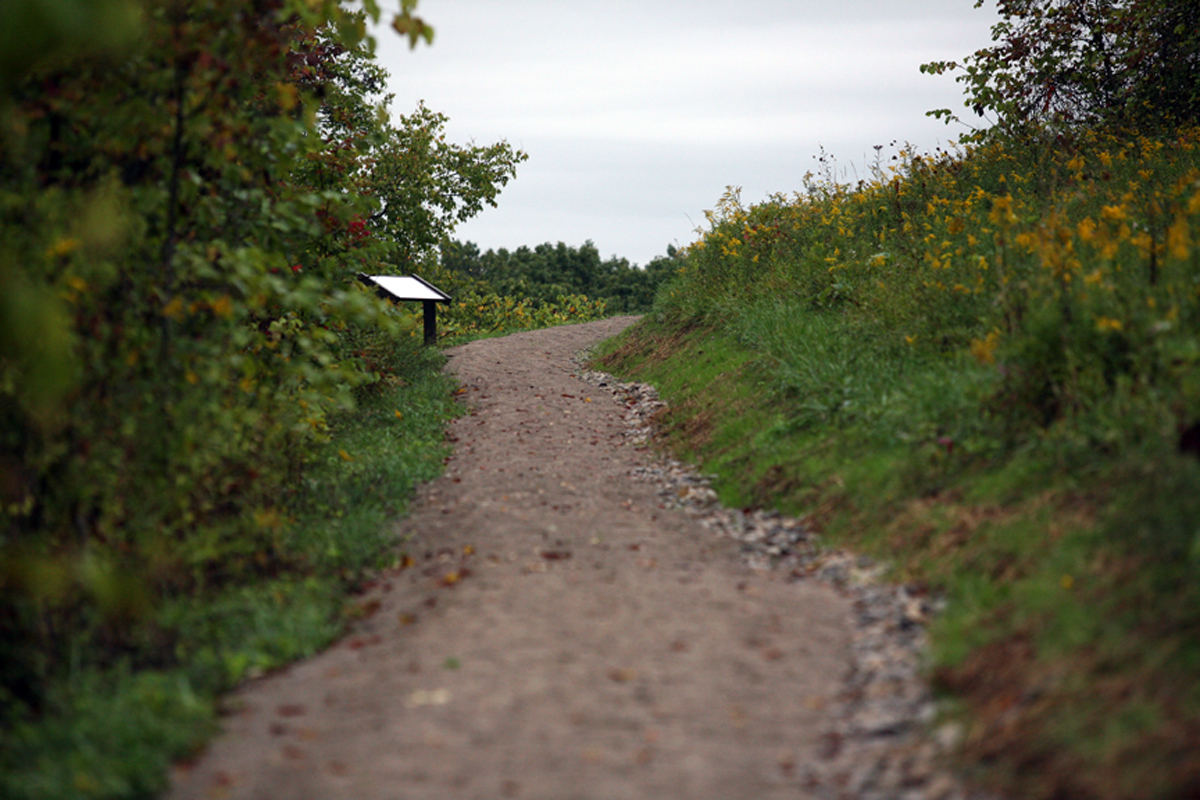
Wayne National Forest is well-known for its extensive motorized trail system, particularly in the Monday Creek and Hanging Rock areas. Riders come from across the Midwest to navigate hundreds of miles of designated trails for ATVs, UTVs, and off-road motorcycles. These trails wind through dense woods and over challenging ridges, providing an adrenaline-filled way to see the forest. Note that a forest-specific permit is required for motorized use, and trails are generally open from mid-April through mid-December.
Mountain bikers will also find plenty to love, especially on the Baileys Trail System near Nelsonville. This purpose-built network of trails is designed for riders of all skill levels, offering everything from flowy beginner loops to technical descents for experts. The Baileys trails are a recent addition that has quickly become a regional destination, showcasing how modern trail design can integrate seamlessly with the natural Appalachian landscape. Whether you prefer an engine or pedals, the forestâs varied topography ensures a challenging and rewarding ride.

Wildlife Viewing and Scenic Drives
For a slower pace, take a drive along the Covered Bridge Scenic Byway (State Route 26) in the Marietta Unit. This route follows the Little Muskingum River and takes you past several historic covered bridges, including the Hune and Knowlton bridges. It is a fantastic way to see the forestâs beauty from the comfort of your car, with plenty of roadside pull-offs for photography and picnicking.
Wildlife enthusiasts should keep their eyes peeled for white-tailed deer, wild turkeys, and the occasional black bear. The forest is a major corridor for migratory birds, making it a hotspot for warblers and tanagers in the spring. In the quieter sections of the forest, you might even spot a bobcat or a red fox darting through the underbrush. The diversity of habitatsâranging from young forests and wetlands to mature stands of oak and hickoryâensures that there is always something moving in the shadows for the observant visitor.
Family-Friendly Exploration and Rainy Days
Families visiting the forest will find plenty of low-impact activities. The various nature centers and ranger stations provide educational exhibits about the regionâs coal mining history and natural ecology. Kids often enjoy exploring the rock shelters and small caves that dot the hillsides, which can also serve as a dry refuge if a sudden rain shower passes through.
On truly rainy days, the nearby gateway cities provide excellent indoor alternatives. You can visit the historic Stuartâs Opera House in Nelsonville or explore the quirky shops and local eateries in Athens, home to Ohio University. Marietta offers a wealth of riverboat history and museums that can keep a family entertained while waiting for the clouds to clear. Even in the rain, a slow drive through the forest reveals a misty, atmospheric side of the Appalachians that is quite beautiful. Always remember to check the official forest website for any weather-related trail closures or safety alerts before heading out on your adventure.