
Wayne National Forest transforms with each passing season, offering a distinct experience for every type of traveler. Located in the rolling Appalachian foothills of Southeastern Ohio, the forest is most vibrant during the shoulder seasons. Whether you are looking for the delicate wildflowers of a late April morning or the crisp, fiery canopy of October, timing your visit is essential to enjoying the vast trail systems and scenic overlooks without the humidity of peak summer or the deep chill of winter.
Spring Blooms and Refreshing Hikes
Spring is widely considered the best time to visit Wayne National Forest for hikers and nature photographers. From mid-April through June, the forest floor awakens with a carpet of trillium, bloodroot, and wild geranium. The temperatures are typically mild, ranging from the low 50s to the mid-70s, making it ideal for long-distance treks on the North Country Trail or the Wildcat Hollow loop.
As the snow melts and spring rains arrive, the creeks and small waterfalls throughout the Athens and Ironton districts flow with renewed energy. This is a prime time for birdwatching, as migratory species return to the dense hardwood canopy. Be prepared for muddy trail conditions during this window, as the clay-rich soil of Southeastern Ohio tends to retain moisture. Sturdy, waterproof boots are highly recommended if you plan to explore the deeper ravines or low-lying creek beds during the early spring thaw.
Lock in a stay for this season
RV parks near Wayne National Forest on RoverPass
Partner link · RoverPass
Fall Foliage and Autumn Crispness
Autumn is perhaps the most popular season for visitors heading to the Hocking Valley and surrounding forest lands. Starting in late September and peaking in mid-to-late October, the oak, hickory, and maple trees ignite in shades of burnt orange, deep red, and bright gold. The air turns crisp and dry, providing the perfect climate for evening campfires and clear, starry nights.
Because this is peak season, the gateway cities like Athens and Marietta see a significant influx of visitors. You should plan your trip well in advance if you intend to stay in a local lodge or established campground. The humidity of the Ohio summer vanishes, leaving behind refreshing afternoon highs in the 60s. Fall is also a favorite time for mountain bikers and off-road vehicle enthusiasts, as the trails are generally at their driest and firmest, offering the best traction for navigating the rolling terrain and steep ridgelines characteristic of the region.
Lock in a stay for this season
Campsites near Wayne National Forest on Campspot
Partner link · Campspot
Summer Heat and Lush Greenery
Summer in Wayne National Forest is characterized by deep, lush greenery and significant humidity. From July through August, temperatures frequently climb into the upper 80s or 90s. While the dense forest canopy provides ample shade, the moisture in the air can make strenuous hikes feel much more taxing. This is the best time for water-based activities along the Ohio River or the various lakes scattered near the forest borders.
If you visit during the summer, plan your heavy activity for the early morning hours to avoid the midday sun. Summer also brings out the forest's insect life, so packing reliable repellent is a necessity. Evening thunderstorms are common in the late afternoon, often providing a brief but dramatic cooling effect. While the forest is at its most overgrown and vibrant green, some trails may feel a bit narrower due to the rapid growth of ferns and summer flora. It is a great time for shaded forest drives along the Scenic Byways.
Lock in a stay for this season
Harvest Hosts stays on the way to Wayne National Forest
Partner link · Harvest Hosts
Winter Solitude and Stark Beauty
For those seeking true solitude, winter offers a completely different perspective of the Appalachian foothills. Once the leaves have fallen, the unique geology of the regionâincluding sandstone outcroppings and hidden rock sheltersâbecomes much more visible. While Ohio winters can be unpredictable, January and February often bring dusting of snow that turns the forest into a quiet, white wonderland.
Many of the seasonal campgrounds close during the winter months, and some forest roads may become difficult to navigate without a four-wheel-drive vehicle after a heavy snowfall. However, for hardy backpackers and day hikers, the lack of crowds and the absence of insects make for a peaceful experience. Daytime temperatures often hover near freezing, so layering is vital. Always check the official NPS or Forest Service site for current alerts regarding road closures or storm damage before heading out. Winter is also an excellent time to find lower rates at indoor accommodations in nearby Nelsonville or Athens.
Crowds, Reservations, and Planning Tips
Wayne National Forest is a vast, decentralized area, so it rarely feels overcrowded compared to major national parks. However, specific popular spots like the Lake Vesuvius Recreation Area or the trailheads near Athens can get busy on holiday weekends and during the peak of fall colors. If you are planning a trip for October or a holiday weekend in May, it is wise to secure your lodging or campsite reservations at least three to four months in advance.
Outside of these peak windows, you can often find plenty of space for spontaneous trips. Weekdays are particularly quiet, offering a sense of total immersion in the wilderness. Keep in mind that hunting seasons occur in the fall and winter; if you are hiking during these times, wearing bright orange is a standard safety practice. Regardless of when you visit, always consult the official forest website for the most up-to-date information on trail permits, especially if you are bringing an ATV or mountain bike for the designated trail systems.
More ways to book Wayne National Forest
 Illustrative · usfs_Eastern_Region
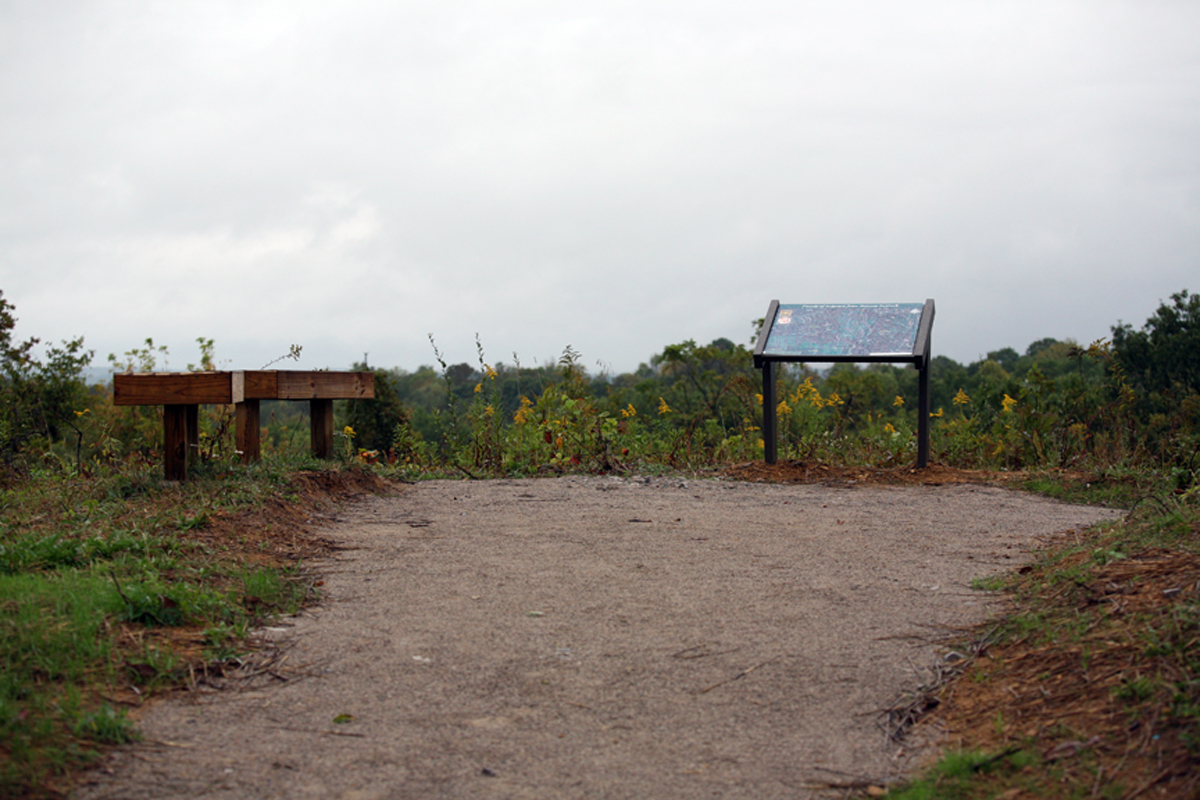
Leith Run Scenic Overlook
One of the classic ways to experience Wayne National Forest.
Varies (estimate)
Partner link · Viator