
While Waikiki is famous for its high-rise luxury hotels and bustling urban atmosphere, a new way to experience the island's natural beauty has emerged: glamping. Waikiki glamping offers the perfect middle ground for those who want to be immersed in the tropical landscape without sacrificing the comforts of a traditional hotel. By stepping slightly away from the concrete jungle of Honolulu, you can find unique accommodations that allow the sound of the Pacific and the rustle of palm fronds to be your nighttime soundtrack.
What to Expect from Glamping on Oahu
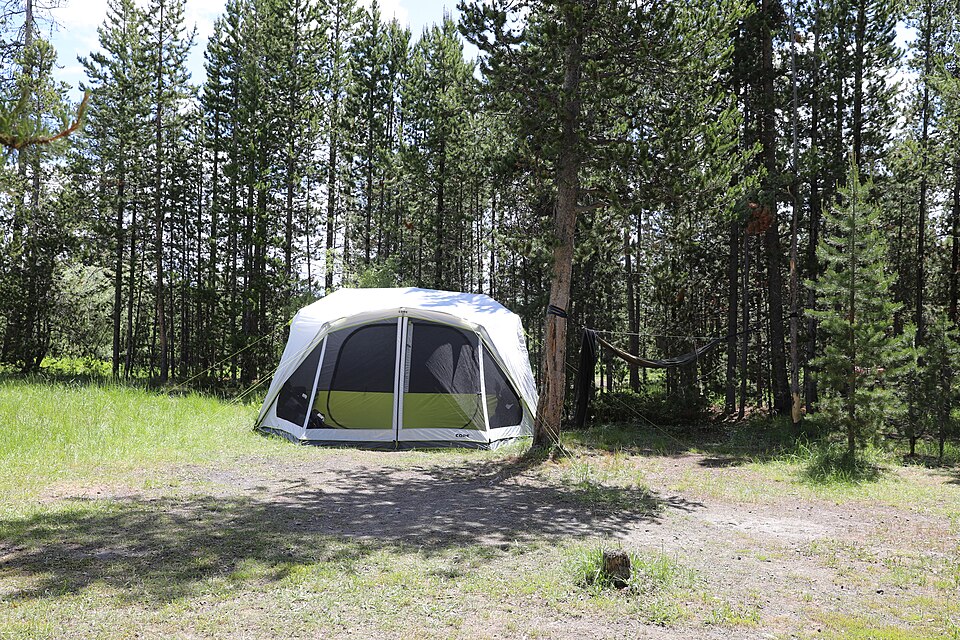
Glamping near Waikiki typically takes the form of well-appointed safari tents, eco-yurts, or converted Airstreams tucked into the lush valleys or along the quieter coastal stretches just outside the main city center. Unlike traditional camping, these accommodations come equipped with comfortable mattresses, high-quality linens, and often private decks for watching the sunrise. Many sites provide essential amenities such as solar-powered lighting, outdoor showers, and even small kitchenettes, allowing you to prepare simple meals with local ingredients purchased from a Honolulu farmers' market.
The experience is designed to be immersive. Instead of air conditioning, you rely on the natural trade winds that flow through the screened windows of your tent. Instead of a television, you have a clear view of the stars, which are remarkably bright once you move away from the city lights of the South Shore. It is an invitation to slow down, disconnect from the digital world, and reconnect with the rhythmic pace of island life. While you won't find these setups directly on the sand of Waikiki Beach, they are often located within a short drive, providing a peaceful sanctuary to return to after a day of surfing.
Top Areas for Glamping Near the South Shore
To find the best glamping experiences, you generally look toward the windward side of the island or the lush interior valleys like Manoa or Palolo, which are only a fifteen to twenty-minute drive from Waikiki. The Windward Coast, including areas near Waimanalo and Kailua, offers a more rural feel with stunning turquoise waters and dramatic mountain backdrops. Here, you might find glamping sites situated on private estates or small eco-farms that emphasize sustainability and a connection to the 'aina (land). These locations provide a stark contrast to the high-density resorts, offering a sense of privacy that is hard to find in the heart of the city.
Another emerging area for unique outdoor stays is the Leeward Coast near Kapolei. While this area is developing rapidly, there are still pockets of land where elevated camping experiences are available, often overlooking the rugged coastline. These sites are excellent for those who want to be close to the newer amenities of the West Side while still enjoying a rustic, outdoor-focused stay. Always ensure that any glamping site you book is a legally permitted accommodation by checking official local zoning or tourism boards, as Hawaii has strict regulations regarding short-term rentals and land use.
Glamping vs. Traditional Camping on Oahu
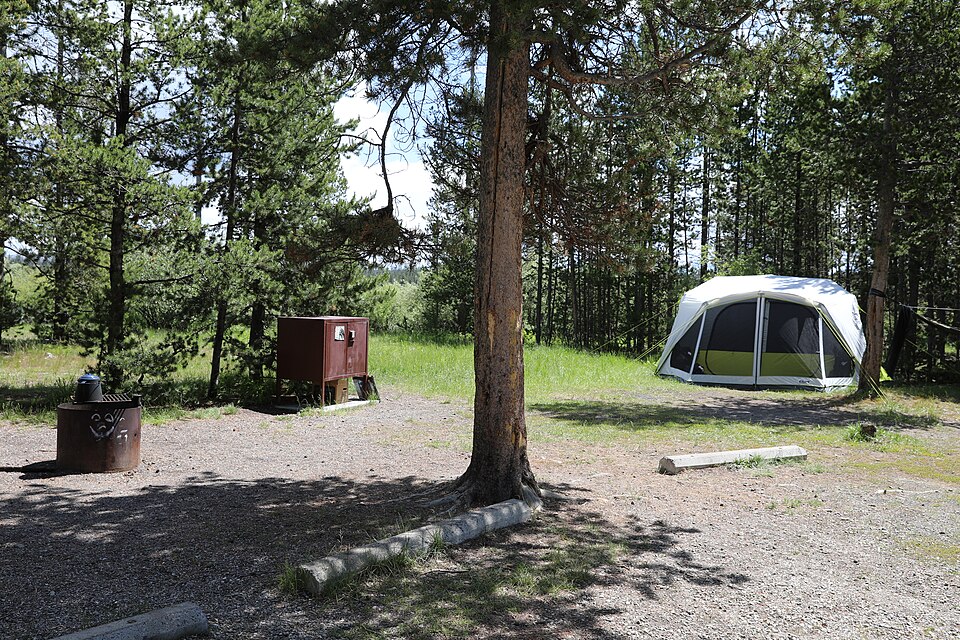
The choice between glamping and traditional camping in the Waikiki area depends largely on your desired level of comfort and preparation. Traditional camping is available at several state and county parks, such as Sand Island or Malaekahana. However, these sites require you to bring all your own gearâtents, sleeping bags, and cooking equipmentâwhich can be difficult for travelers flying into HNL. Traditional camping also requires permits that must be secured weeks or even months in advance through the official Hawaii State Parks or City and County websites. These permits are inexpensive but highly sought after.
Glamping removes the logistical hurdle of transporting gear. It provides a turn-key outdoor experience that is much more accessible for international or mainland visitors. Furthermore, many glamping sites are located on private property, offering a level of security and seclusion that public campgrounds may lack. While traditional camping is the most budget-friendly way to stay on the island, glamping offers a curated, aesthetic experience that many find worth the higher price point. Itâs the difference between 'roughing it' and enjoying a thoughtfully designed outdoor retreat.
RV Travel and Van Life Near Waikiki
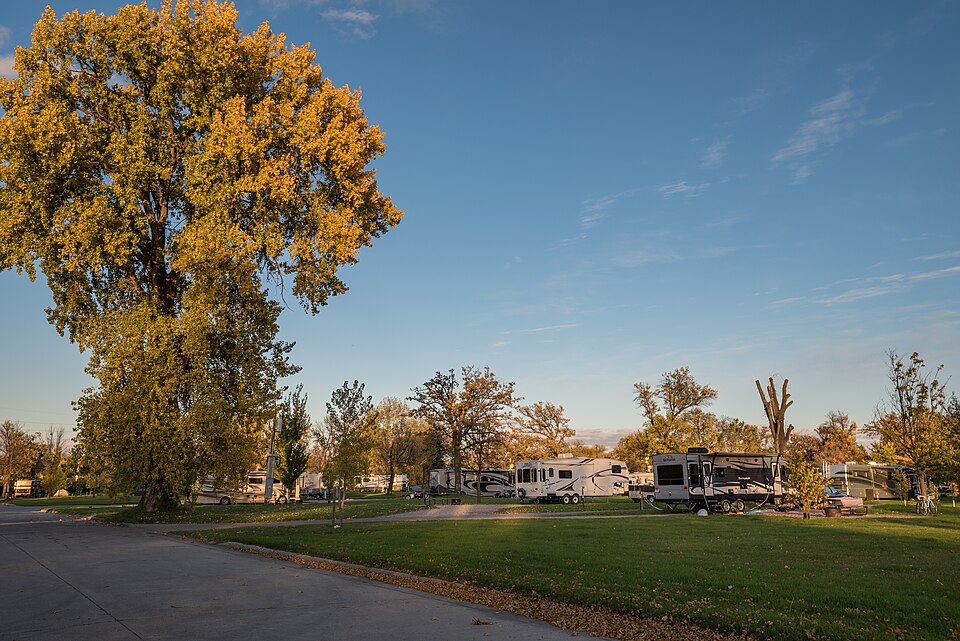
Another popular alternative to traditional hotels is the 'van life' or RV experience. Several companies near Honolulu offer campervan rentals that come fully equipped with beds and kitchenettes. This allows for a mobile glamping experience where your view changes every day. However, it is important to note that Hawaii has very strict laws regarding where you can park and sleep overnight. You cannot simply park on the side of the road or at a beach park without a valid camping permit for that specific location.
Navigating an RV or large camper through the narrow, busy streets of Waikiki can be challenging, so this option is better suited for those who plan to spend more time exploring the North Shore or the interior of the island. If you choose this route, use Waikiki as a starting point to stock up on supplies at major retailers before heading out to the more remote areas. The combination of a campervan and pre-booked permits at state parks can provide a sense of freedom that is unique among island travelers, allowing you to wake up to the sound of the ocean at various spots around Oahu.
Seasonal Considerations for Outdoor Stays
When planning a glamping trip near Waikiki, the season is a critical factor. During the winter months (December through March), the island receives more rainfall, particularly on the windward side and in the valleys. While a luxury tent is designed to be weather-resistant, the sound of heavy rain on a canvas roof can be loud, and the increased humidity can make things feel damp. If you are glamping during this time, it is essential to check the weather forecast frequently and ensure your site has adequate drainage and protection from the elements.
The summer months offer the most consistent weather for glamping, with dry days and warm nights. However, this is also when insects, such as mosquitoes, are most active, especially in the lush valley locations. Most high-quality glamping sites provide netting and natural repellents, but it is always good to come prepared. Regardless of the season, always check the official Hawaii Department of Land and Natural Resources website for any weather alerts or park closures that could affect your outdoor stay. A well-timed glamping trip provides a profound connection to the island's ecology that a standard hotel room simply cannot match.