
Choosing the best time to visit Waikiki involves balancing Hawaii's consistent tropical warmth with the rhythmic shifts of the Pacific swells and seasonal visitor trends. While the South Shore of Oahu enjoys sunshine nearly year-round, the atmosphere changes significantly between the bustling winter holidays and the quieter shoulder seasons. Understanding the nuances of the local climate and the timing of major events will help you secure the ideal experience, whether you are seeking calm waters for a family swim or the perfect wave.
The Sweet Spot: Spring and Late Summer
The window between April and June, as well as the months of September through November, are widely considered the ideal times to visit Waikiki. During these shoulder seasons, the weather remains consistently warm and sunny, but you will avoid the peak crowds that descend during the traditional winter holidays and mid-summer school breaks. The temperatures generally hover in the comfortable low-80s, and the trade winds provide a refreshing breeze that keeps the humidity at bay.
Visiting during these months often means a more relaxed pace on the Kalakaua Avenue sidewalks and easier access to beach space at Kuhio Beach or Fort DeRussy. Furthermore, the ocean temperatures remain inviting for long afternoon swims. Because these periods sit outside the busiest travel windows, you may find that accommodations are slightly more accessible, though it is always wise to monitor the local calendar for specific festivals that might temporarily increase the density of visitors in the heart of Honolulu.
Winter in Waikiki: Big Surf and Festive Energy
Winter in Waikiki, running from December through March, is a time of high energy and dramatic contrasts. While the North Shore of Oahu sees massive, world-class swells during this time, Waikikiâs south-facing waters remain relatively manageable, though they can experience occasional surges. This is the wettest time of year for Hawaii, but on the leeward side of the island where Waikiki sits, rain usually comes in short, passing showers followed by bright rainbows. It is rarely a total washout, and the cooling rain can be a welcome relief.
Crowds peak significantly around late December and early January. Travelers from around the globe flock here to escape colder climates, creating a festive, international atmosphere. If you plan to visit during this window, expect a vibrant nightlife and bustling shopping districts. However, this is the time when you must be most diligent about planning ahead. The demand for everything from catamaran tours to sunset dinners is at its highest, so checking the official park sites and making your arrangements months in advance is essential.
Summer Sun and South Shore Swells
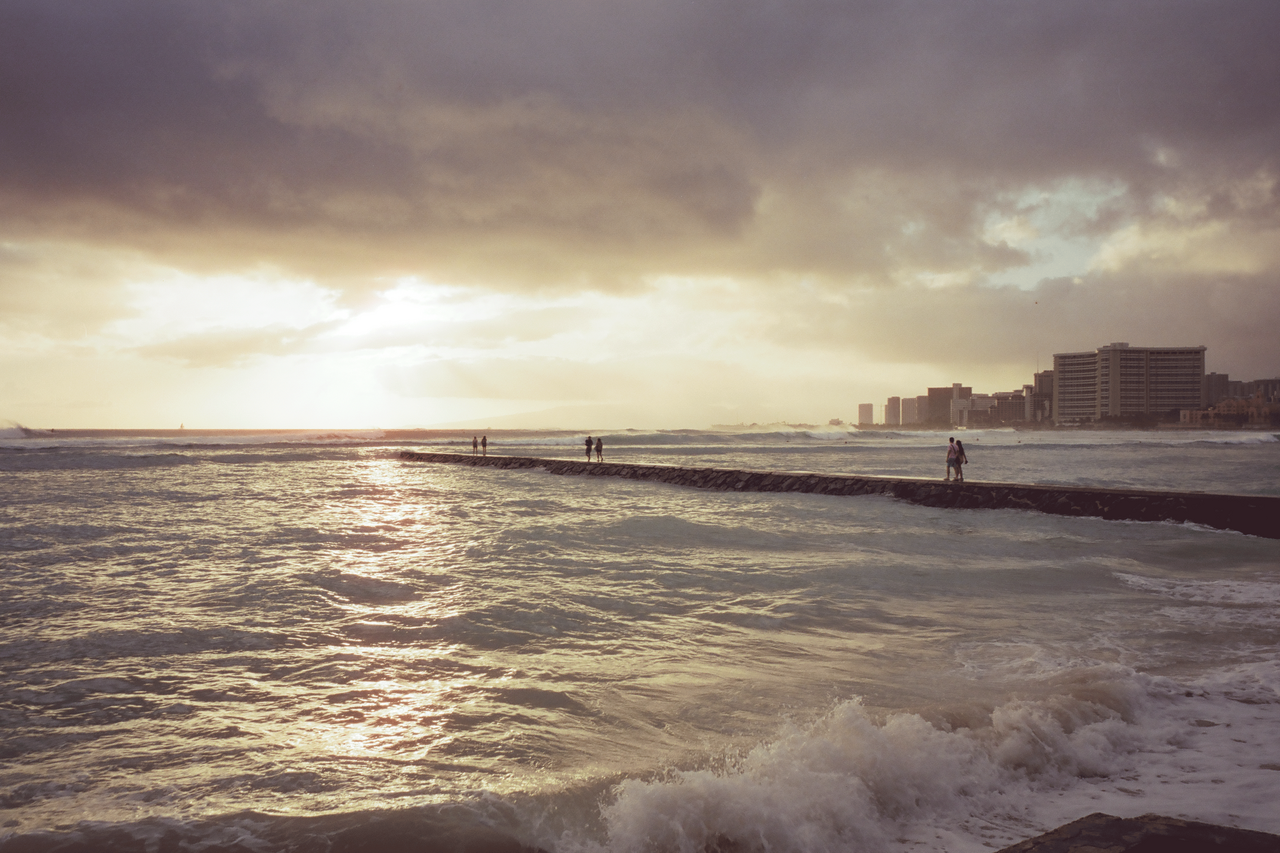
Summer, particularly July and August, brings the hottest temperatures and the most consistent south swells to Waikiki. For surfers, this is a prime season as the southern storms in the Pacific send long-period waves toward the island, creating the legendary longboard conditions Waikiki is famous for. The water is at its warmest, often reaching the low 80s, making it feel like a heated pool. This is also the time when family travel is at its peak due to school vacations.
The days are long and filled with sunshine, perfect for those who want to spend every possible hour outdoors. However, the heat can be intense during midday. Visitors should plan outdoor activities like hiking Diamond Head for the early morning to avoid the strongest sun. During the summer, the city feels alive with outdoor concerts and night markets. While the humidity is higher than in the spring, the cooling ocean is never more than a few steps away, providing the ultimate respite from the tropical sun.
Lock in a stay for this season
Harvest Hosts stays on the way to Waikiki
Partner link · Harvest Hosts
Navigating Crowds and Peak Holidays
Understanding the rhythm of Waikikiâs crowds is key to a peaceful vacation. Beyond the standard American holidays, Waikiki is a popular destination for international travelers, particularly during Japan's Golden Week in late April and early May. During these times, the area can feel exceptionally crowded, and popular spots like the Duke Kahanamoku Statue become hubs of activity. If you prefer a quieter experience, target the weeks immediately following Labor Day or the start of the school year in early September.
To manage the crowds, consider starting your day early. The sunrise over the Pacific is stunning, and the beaches are at their most peaceful before 9:00 AM. By mid-afternoon, the main stretches of sand can become quite packed. If you find the central areas too busy, a short walk toward the Diamond Head end of the beach, near Queen's Surf, often offers a bit more breathing room. Always check the official City and County of Honolulu websites for any beach closures or special events that might impact public access during your stay.
Reservations and Planning Advice
Regardless of when you choose to visit, Waikiki requires a proactive approach to planning. Many of the most iconic experiences, such as the sunrise hike at Diamond Head State Monument, now require advanced reservations through official government portals. These spots can fill up weeks in advance, especially during the summer and winter peaks. It is no longer possible to simply show up at many of Oahu's most popular natural landmarks, so checking the official National Park Service or Hawaii State Parks websites is a vital step in your preparation.
Budgeting for your trip is also a seasonal consideration. While we estimate an average daily budget of three hundred and fifty dollars, this can fluctuate based on the time of year. During the winter holidays, costs for lodging and transport can rise significantly. To get the most out of your visit, aim for the mid-week arrivals during the shoulder seasons. By doing so, you will find a more tranquil version of Waikiki that allows for a deeper connection with the natural beauty and historical significance of this legendary Hawaiian coastline.
More ways to book Waikiki
Kuhio Beach Hula Show
One of the classic ways to experience Waikiki.
Varies (estimate)
Partner link · Viator