
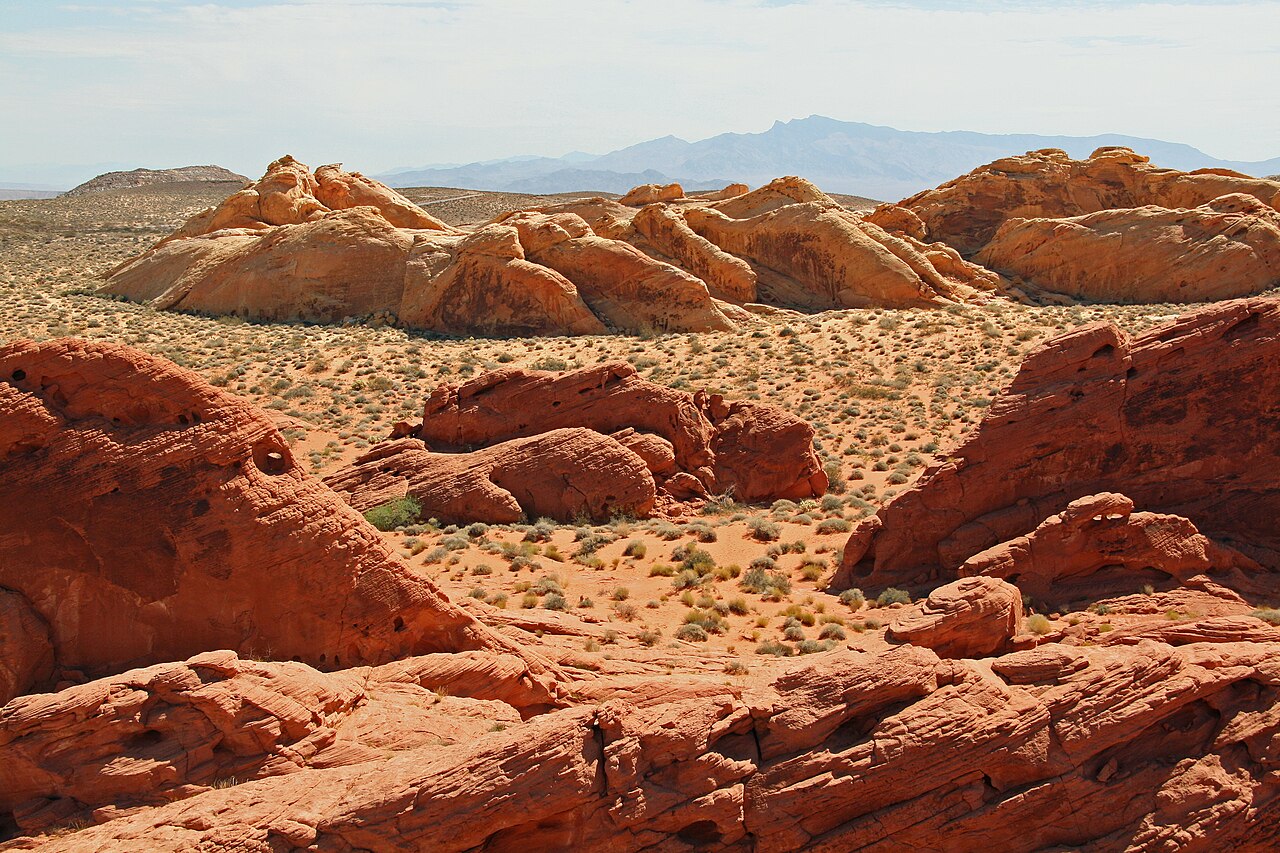
Valley of Fire State Park is a wonderland of geological marvels, offering everything from ancient historical sites to surreal rock formations that look like they belong on another planet. Whether you are an avid hiker looking for a challenge or a family seeking a scenic picnic spot, the park provides a diverse range of activities. The landscape is defined by its fiery red Aztec Sandstone, which serves as a backdrop for ancient carvings and diverse desert wildlife. Prepare for a full day of exploration by packing plenty of supplies and a camera to capture the dramatic scenery.
Iconic Hikes and Geological Wonders
The most popular activity in the park is undoubtedly hiking. The Fire Wave is a must-see, featuring swirling interchanging stripes of red, white, and pink sandstone that resemble a giant marble cake. For those seeking a more varied terrain, the White Domes Loop offers a moderate 1.1-mile trek through slot canyons, desert washes, and even the remains of an old movie set. It showcases the incredible diversity of the park's geology in a relatively short distance.
Another essential stop is the Seven Wonders Loop, which connects the Fire Wave with other stunning spots like the Pink Canyon. As you walk through these areas, you will see how wind and water have sculpted the rock into bizarre shapes over millions of years. For a shorter walk, the Mouse's Tank trail leads you through a sandy canyon to a natural rock basin that once served as a water source. Along the canyon walls, keep a sharp eye out for prehistoric petroglyphs left behind by the Ancestral Puebloans.
Ancient History and Petroglyphs
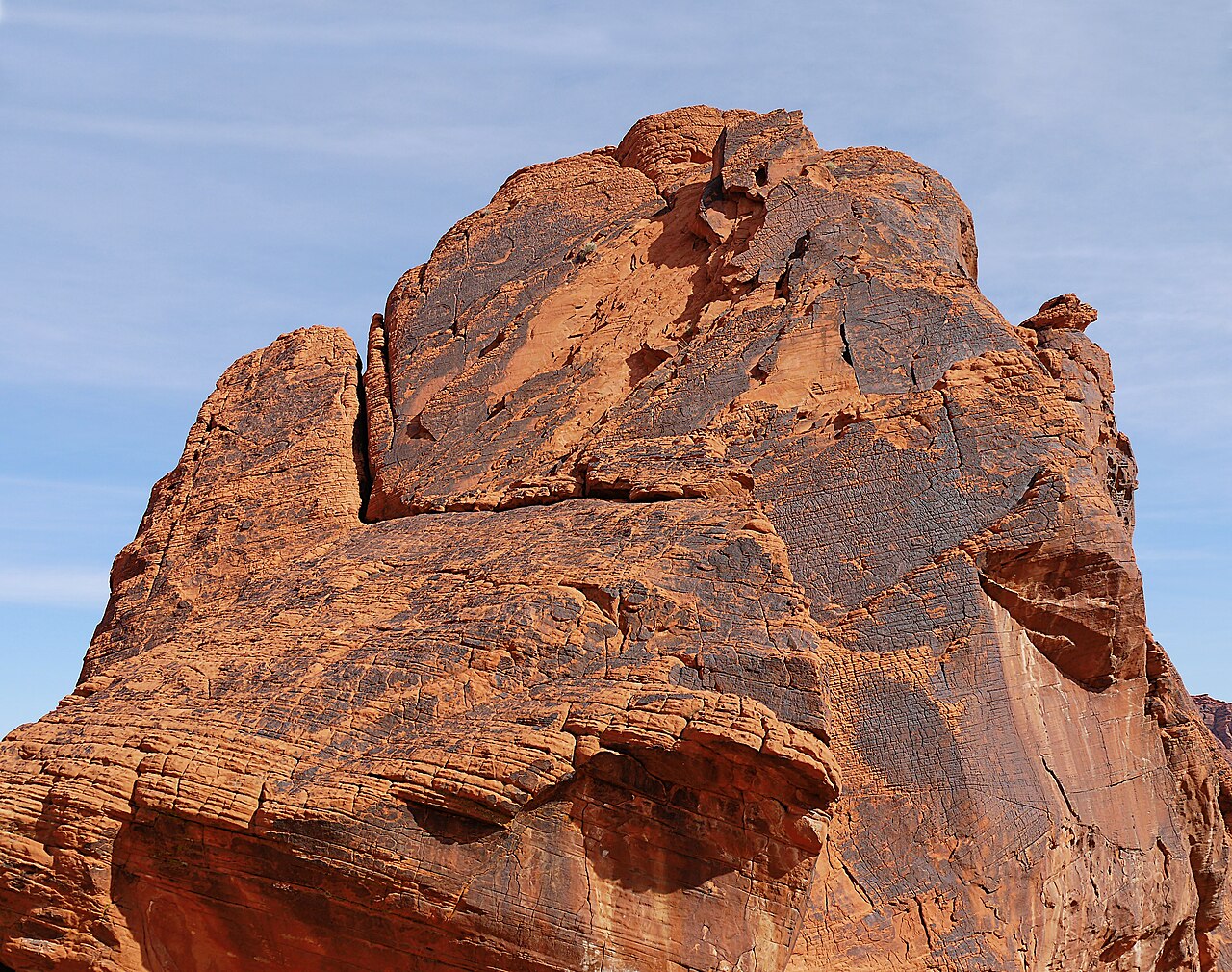
Valley of Fire is not just a geological marvel; it is a significant cultural site. Atlatl Rock is one of the best places to view ancient rock art. A staircase leads you up the side of a massive boulder to a viewing platform where you can see well-preserved petroglyphs, including depictions of the atlatl, a traditional throwing stick used by ancient hunters. These carvings provide a fascinating glimpse into the lives of the people who inhabited this arid landscape thousands of years ago.
Nearby, Petroglyph Canyon offers another opportunity to see these ancient messages. As you walk the sandy path, the dark 'desert varnish' on the rock faces serves as the canvas for hundreds of carvings. It is important to remember that these sites are sacred and fragile; never touch the petroglyphs or lean against the rock walls. Reading the interpretive signs at the visitor center before heading to these sites will give you a deeper appreciation for the symbols and stories etched into the stone.
Scenic Drives and Photography
If you prefer to see the sights from your car, Valley of Fire Highway and White Domes Road offer some of the most spectacular driving in the American Southwest. The road winds through towering red cliffs and open desert vistas, providing numerous pullouts for photography. One of the most famous photo spots is the view looking down White Domes Road, where the black asphalt cuts through the vibrant red rocks, creating a stunning contrast.
Photography enthusiasts should aim for the 'golden hour'âthe hour after sunrise or before sunset. During these times, the sandstone glows with an intensity that justifies the park's name. Rainbow Vista is an excellent spot for panoramic views of the multicolored hills, offering a wide perspective of the vast landscape. Even if you aren't a professional photographer, the sheer scale and color of the formations like Elephant Rock, located near the east entrance, make it easy to capture breathtaking images of the Nevada desert's natural beauty.
Family Activities and Easy Outings
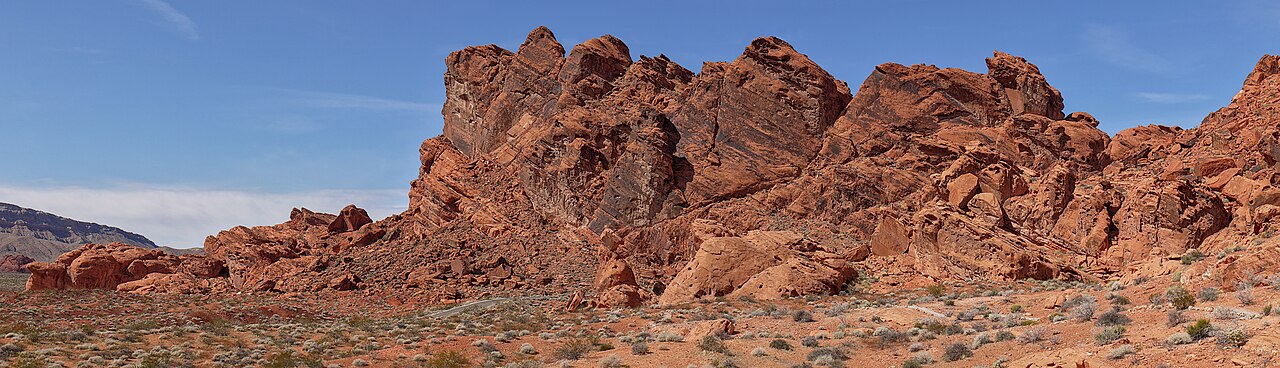
Valley of Fire is a great destination for families with children. The Beehives are a group of sandstone formations that look like giant, petrified beehives, and they are perfect for kids to explore. The area is flat and easily accessible, allowing children to climb on the smaller mounds and learn about cross-bedding, a geological process visible in the layers of the rock.
For a relaxing break, the park has several shaded picnic areas, including those at Atlatl Rock and Seven Sisters. These spots provide a welcome respite from the sun and a chance to enjoy a meal surrounded by towering rock monoliths. The Visitor Center is also a highlight for families, featuring educational exhibits on the park's geology, ecology, and history. Kids can participate in the Junior Ranger program, which encourages them to engage with the park through a series of fun and educational activities. The relatively short lengths of many park trails make it possible to see several major sites without tiring out younger explorers.
Rainy Day and Wildlife Watching
While rain is infrequent in the Mojave Desert, it can transform the park. During a light rain, the colors of the sandstone become even more vibrant, and the scent of creosote bush fills the air. However, be cautious of flash floods; never enter slot canyons if rain is in the forecast. If it does rain, the Visitor Center is an excellent place to spend time, offering comprehensive indoor exhibits and a bookstore.
Wildlife watching is another rewarding activity. Early morning and late evening are the best times to spot Desert Bighorn Sheep, which are often seen grazing near the roads or perched on rocky outcrops. You might also spot black-tailed jackrabbits, lizards, and various bird species like the Gambel's quail. In the spring, the desert comes alive with wildflowers, attracting butterflies and bees. Always observe wildlife from a distance and never feed the animals, as this can disrupt their natural behavior and diet. Watching a group of Bighorn sheep navigate the steep cliffs with ease is a highlight for many park visitors.