
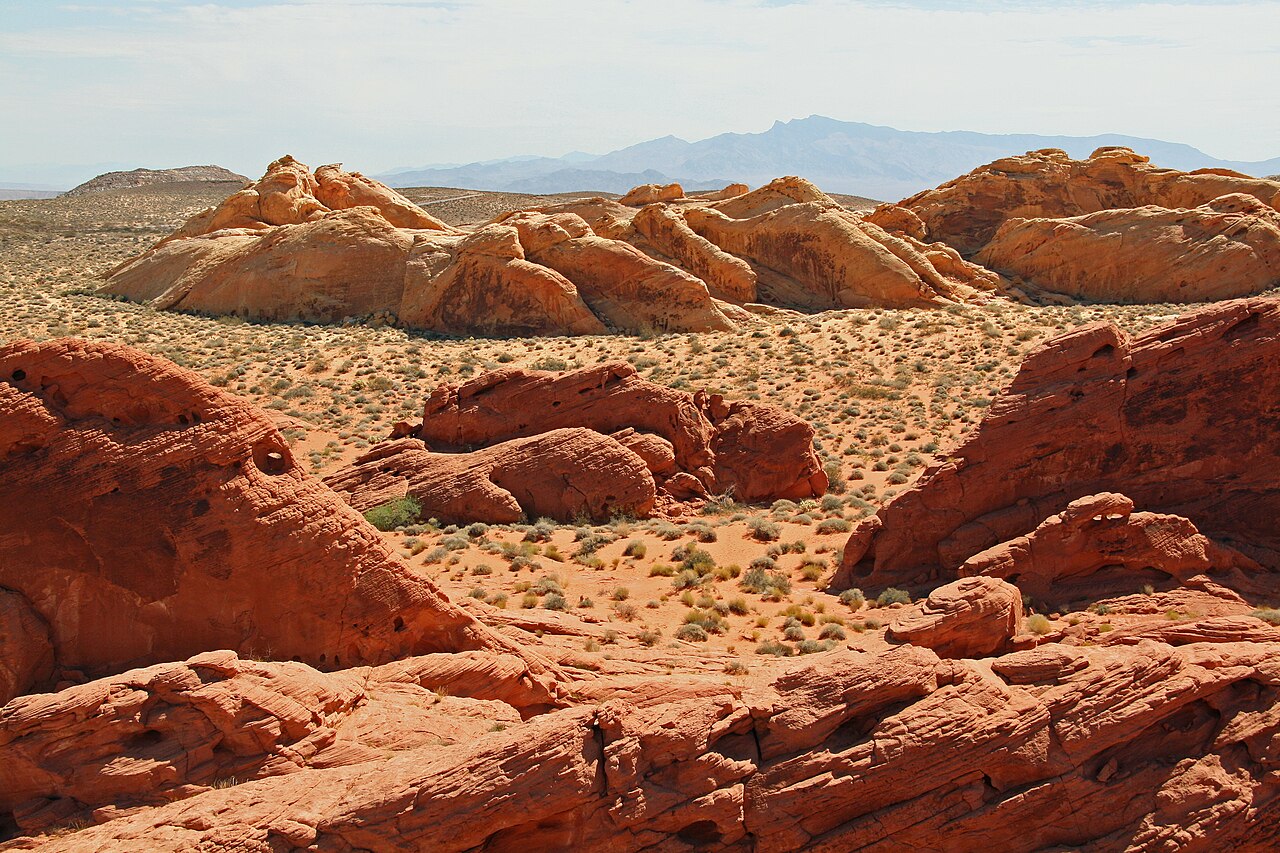
Timing your trip to Valley of Fire State Park is essential for enjoying the vibrant red sandstone formations without the burden of extreme Nevada temperatures. While the park is open year-round, the desert environment dictates a narrow window for comfortable hiking and photography. Planning ahead allows you to witness the sunrise hitting the Aztec Sandstone when the air is crisp and the colors are at their most saturated. Always check the official Nevada State Parks website for seasonal trail closures and heat advisories before your departure.
Spring and Fall Highlights
Spring and fall are widely considered the ideal windows for a visit to this Mojave Desert gem. From March to May, temperatures typically range from the 70s to the low 90s, making it the perfect climate for tackling longer treks like the Seven Wonders Loop or the Fire Wave. During spring, you might even catch the desert in bloom, with brittlebush and desert marigold adding splashes of yellow against the red rocks.
Fall, spanning from late September through November, offers similarly mild conditions and clearer skies. This is a favorite time for photographers who want to capture the sharp contrasts of the landscape without the spring haze. Because these seasons are popular, you should expect more company at popular overlooks like Mouse's Tank. Arriving early in the morning during these peak months is the best strategy to secure a parking spot at the trailheads before the midday crowds arrive from nearby urban centers.
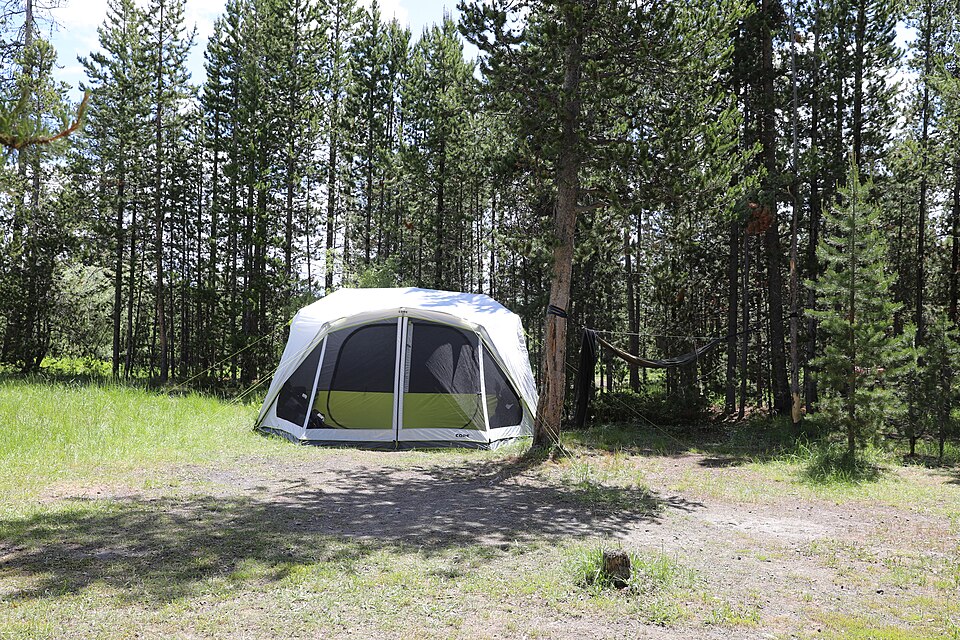
Lock in a stay for this season
RV parks near Valley of Fire on RoverPass
Partner link · RoverPass
Navigating the Summer Heat
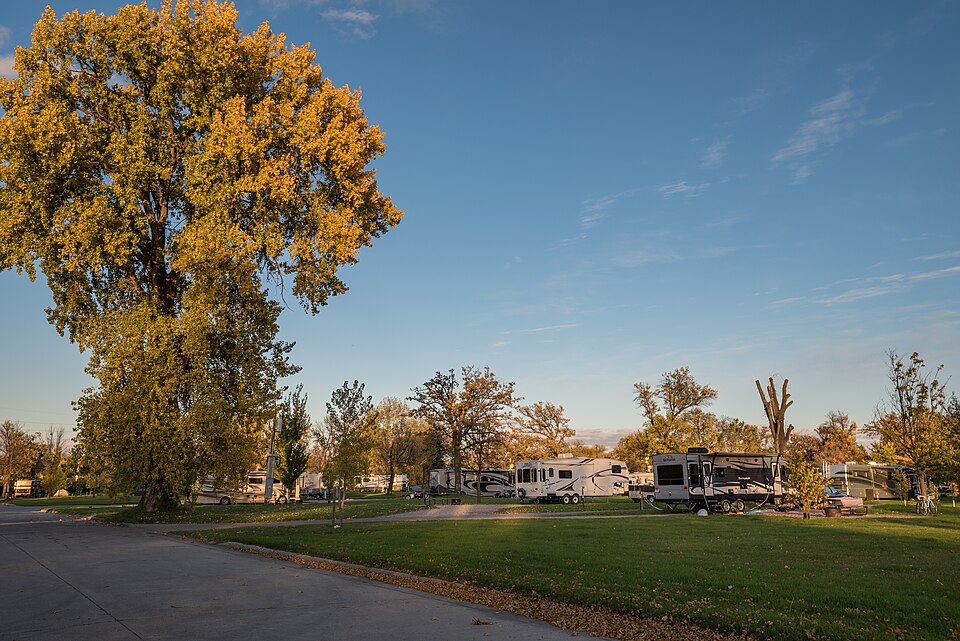
Summer in southern Nevada is intense, with temperatures frequently soaring well above 100 degrees Fahrenheit from June through August. While the park remains open, hiking is often restricted during the hottest parts of the day for safety reasons. If you choose to visit during this time, it is vital to limit your activities to the very early morning hours, ideally finishing all strenuous outdoor movement by 9:00 AM.
Sunlight in the summer can be relentless, as there is virtually no natural shade among the sandstone outcrops. Many visitors opt for a scenic drive along White Domes Road, staying in the comfort of an air-conditioned vehicle and only stepping out for brief photo opportunities at marked pullouts. If you are camping, be prepared for warm nights that rarely dip below the 80s. Always carry significantly more water than you think you will need, as the dry desert air evaporates moisture from your body rapidly without you noticing.
Winter's Quiet Beauty
Winter offers a peaceful, contemplative experience in Valley of Fire. From December through February, daytime temperatures usually hover in the 50s and 60s, which is excellent for vigorous hiking that might be too taxing in warmer months. The sun sits lower in the sky, casting long, dramatic shadows across the canyons and highlighting the intricate textures of the Beehives and Elephant Rock.
While snow is extremely rare, the nights can get quite chilly, sometimes dropping near freezing. If you are planning to camp during the winter, high-quality sleeping bags and insulated layers are necessary. The park is significantly less crowded during this time, offering a sense of solitude that is hard to find during the spring peak. It is a fantastic season for those who prioritize quiet and want to explore the petroglyphs at Atlatl Rock without a queue. Just keep in mind that daylight hours are shorter, so you will need to start your adventures early to maximize your time.
Lock in a stay for this season
Harvest Hosts stays on the way to Valley of Fire
Partner link · Harvest Hosts
Managing Crowds and Peak Days
As one of Nevada's most popular state parks, Valley of Fire sees a significant influx of visitors on weekends and federal holidays. If your schedule allows, visiting on a Tuesday or Wednesday will provide a much more intimate experience with the landscape. During the busy spring break and Thanksgiving weeks, the park can reach capacity, leading to temporary closures at the entrance gates.
To avoid the frustration of waiting in line, try to enter the park shortly after sunrise. Not only is the lighting superior for photography at this hour, but you will also have your pick of the most popular trails. The late afternoon, about two hours before sunset, is another excellent time to visit as the day-trip crowds begin to head back to their hotels. By staying until dusk, you can watch the rocks live up to their name, glowing with an internal fire as the sun dips below the horizon.
Reservations and Planning Tips
Unlike some major national parks, Valley of Fire traditionally operates on a first-come, first-served basis for many of its amenities, though the state has been transitioning toward reservation systems for camping. It is crucial to check the Nevada State Parks official site for the most current information on entrance fees and how to secure a campsite. If you are planning a trip during the high season, booking your accommodation months in advance is highly recommended.
Keep in mind that the park's popularity means that even on-site campgrounds fill up quickly. Having a backup plan in nearby communities or looking for dispersed camping options on surrounding public lands can save your trip if the park is full. Always account for a modest entrance fee per vehicle, which helps maintain the trails and facilities. By keeping an eye on the weather forecast and park alerts, you can ensure that your visit aligns with the best possible conditions for a safe and memorable desert adventure.
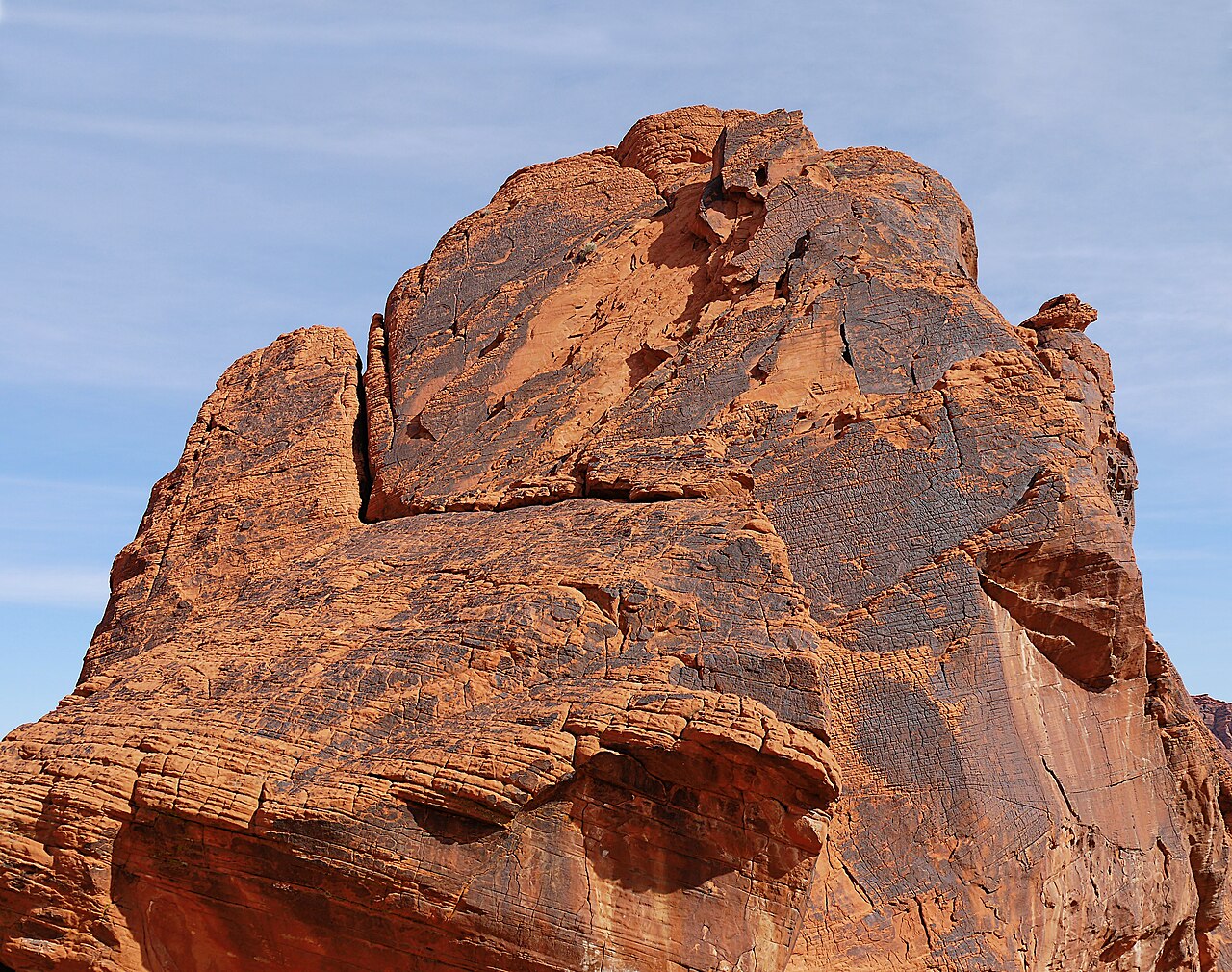
More ways to book Valley of Fire
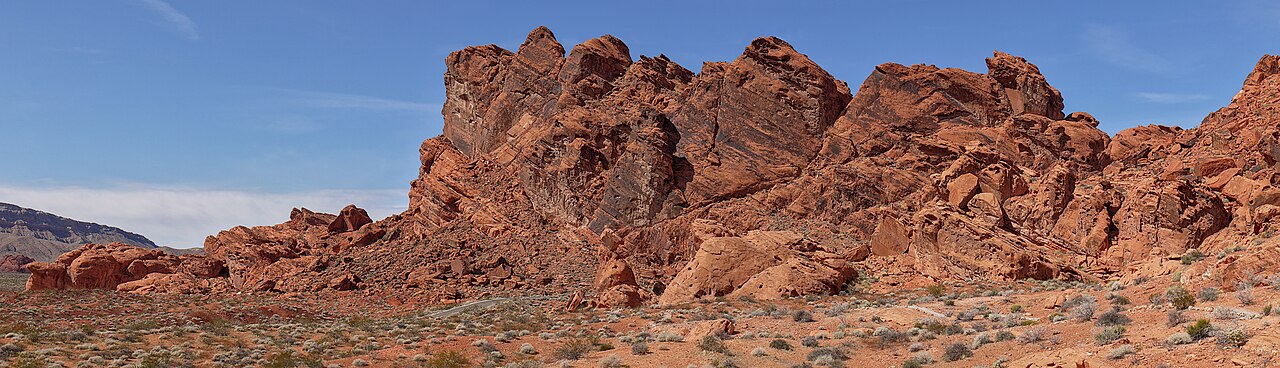 Illustrative · The Cosmonaut
Elephant Rock Trail
One of the classic ways to experience Valley of Fire.
Varies (estimate)
Partner link · Viator