

Tucson is a city that thrives at the intersection of wild nature and rich cultural history. Surrounded by five distinct mountain ranges, it offers a playground for hikers, cyclists, and stargazers alike. Whether you are looking to wander through groves of ancient cacti or explore the storied streets of one of the oldest inhabited areas in North America, there is no shortage of adventure here. Be sure to check the official National Park Service website for current trail conditions and any required permits before heading out.
Explore Saguaro National Park
A visit to Tucson is incomplete without spending time in Saguaro National Park. The park is uniquely split into two districts: the Rincon Mountain District to the east and the Tucson Mountain District to the west. The West District is famous for its dense forests of giant saguaros and the stunning Bajada Loop Drive, which offers numerous easy-to-access overlooks and short nature trails like the Valley View Overlook Trail. This area is particularly magical at sunset when the silhouettes of the cacti stand tall against a purple and orange sky.
The East District offers a more rugged, mountainous feel with the paved Cactus Forest Scenic Loop Drive, which is a favorite for both motorists and road cyclists. For those seeking a challenge, the hiking trails here lead deep into the wilderness, rising in elevation where the vegetation shifts from desert scrub to pine forests. Both sides offer visitor centers where you can learn about the complex ecosystem of the Sonoran Desert and the incredible longevity of the iconic saguaro cactus.
Outdoor Adventures in Sabino Canyon
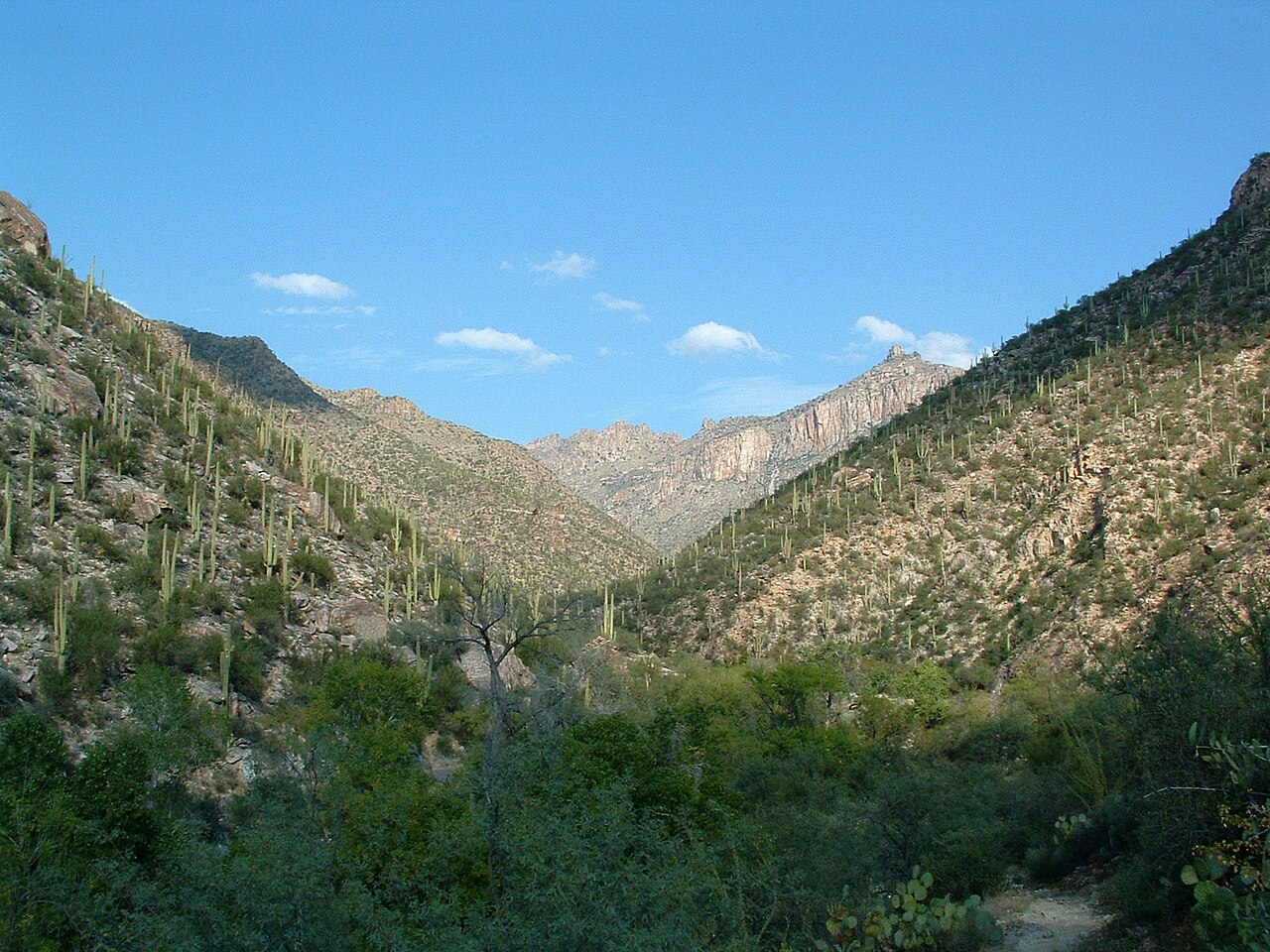
Located in the foothills of the Santa Catalina Mountains, Sabino Canyon Recreation Area is a local favorite for its striking scenery and accessibility. You can choose to hike the well-maintained trails or take the electric shuttle that winds deep into the canyon, offering a narrated history of the geology and plant life. The Seven Falls trail is one of the most popular hikes in the region, leading visitors through creek crossings to a series of stunning waterfalls that flow during the wetter months.
For a different perspective, the Bear Canyon area provides a slightly more secluded feel while still offering incredible views of the towering rock walls. Because this area features water, it is a haven for local wildlife, including deer, javelina, and various bird species. It is important to remember that water levels vary significantly by season; checking local conditions before you set out to find waterfalls is always a smart move. The paved paths also make this an excellent spot for families or those looking for a less strenuous walk in nature.
Mount Lemmon and the Sky Islands
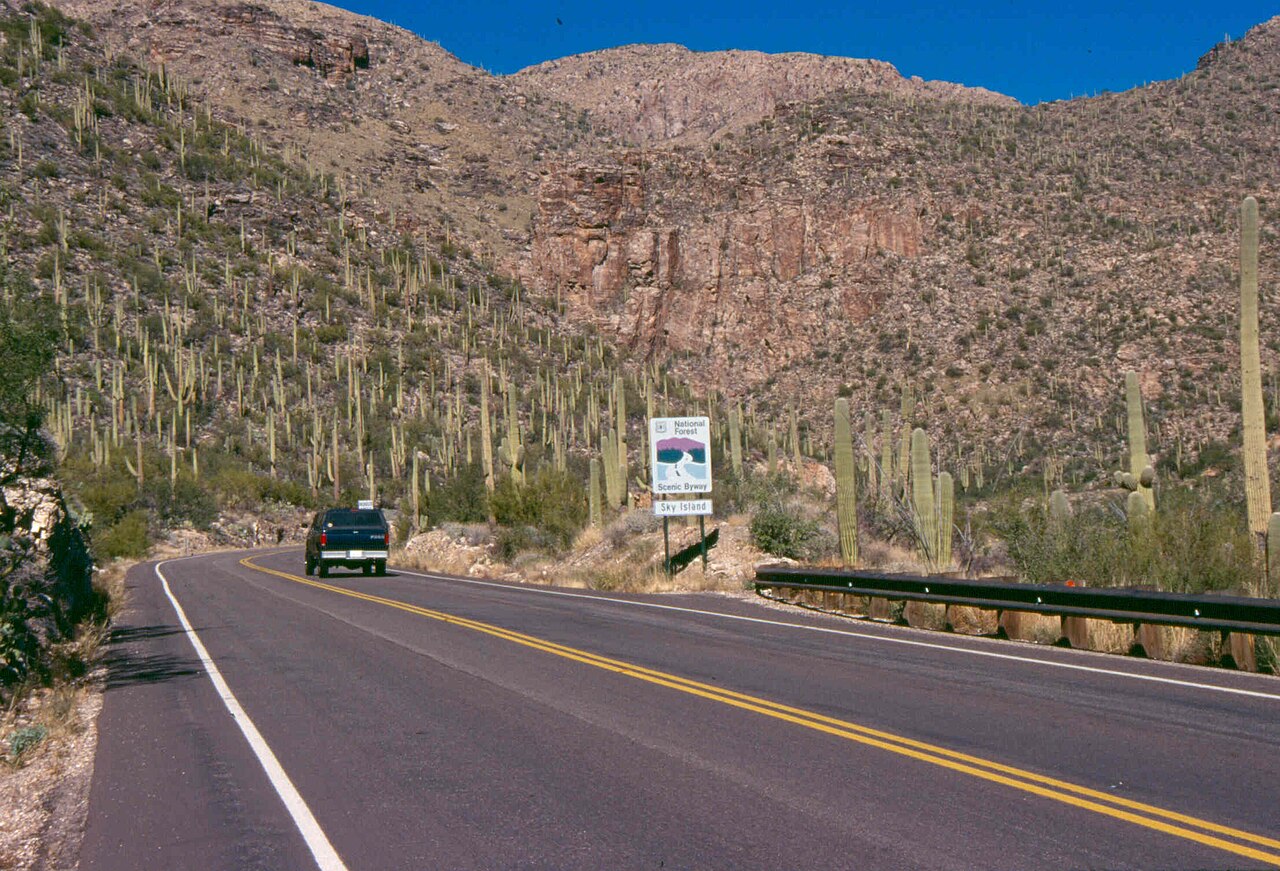
When the desert heat becomes too much, Tucsonans head to Mount Lemmon. The drive up the Santa Catalina Highway, also known as the Sky Island Scenic Byway, is one of the most dramatic in the country. In just about an hour, you transition from the saguaro-filled desert floor to a cool alpine forest at over 9,000 feet. The temperature can drop by as much as 30 degrees during the ascent, providing a refreshing escape during the summer months.
At the top, you will find the small community of Summerhaven, offering local treats and cozy atmosphere. There are numerous hiking trails through the ponderosa pines, as well as rock climbing opportunities on the granite crags that line the highway. In the winter, you might even find enough snow for skiing at the southernmost ski destination in the United States. The overlooks along the way, such as Windy Point Vista, offer breathtaking panoramic views of the Tucson valley and the surrounding mountain ranges, especially as the city lights begin to twinkle at dusk.
Wildlife at the Arizona-Sonora Desert Museum
Part zoo, part botanical garden, and part art gallery, the Arizona-Sonora Desert Museum is a world-class institution that provides a deep dive into the natural history of the region. Unlike traditional zoos, most of the exhibits are outdoors and integrated into the natural landscape. You can walk along paths to see mountain lions, Mexican wolves, and Gila monsters in habitats that mimic their natural surroundings. The hummingbird aviary is a particular highlight, allowing for up-close encounters with these tiny, vibrant birds.
The museum also features an extensive collection of desert plants, showcasing the incredible diversity of the Sonoran Desert. Seasonal live demonstrations, such as the Raptor Free Flight program, allow you to see hawks and owls flying just inches above the crowd. It is a fantastic destination for families with kids, offering educational displays that are both engaging and informative. Plan to arrive early in the morning, especially during the warmer months, to see the animals while they are most active before the afternoon sun sets in.
Indoor Culture and Rainy Day Activities
While Tucson is known for its sunshine, there are plenty of indoor activities for the rare rainy day or the heat of a summer afternoon. The Pima Air & Space Museum is one of the largest non-government funded aviation museums in the world, featuring hundreds of aircraft ranging from historic Wright Flyer replicas to massive modern jets. The indoor hangars house meticulously restored planes and space artifacts that could keep history buffs busy for an entire day.
Downtown Tucson also offers a variety of cultural experiences, including the Tucson Museum of Art and the historic Fox Theatre. The city was designated a UNESCO City of Gastronomy, so a rainy day is the perfect excuse to explore the local food scene, trying legendary Sonoran hot dogs or artisanal Mexican cuisine. For a quirky and fascinating experience, the Mini Time Machine Museum of Miniatures offers an intricate look at historical and fantasy worlds in small scale, providing a unique indoor diversion that appeals to all ages.