

Choosing the best time to visit Tucson depends largely on your tolerance for the desert sun and your desire for outdoor adventure. While this southern Arizona gem offers sunshine nearly 350 days a year, the experience shifts dramatically between the temperate, breezy winters and the scorching, monsoon-fueled summers. Most travelers find that the shoulder seasons of spring and fall provide the perfect balance of comfortable hiking temperatures and vibrant desert life. It is essential to check the official National Park Service website for seasonal trail closures or weather alerts before you finalize your dates.
Winter: Peak Season for Desert Lovers
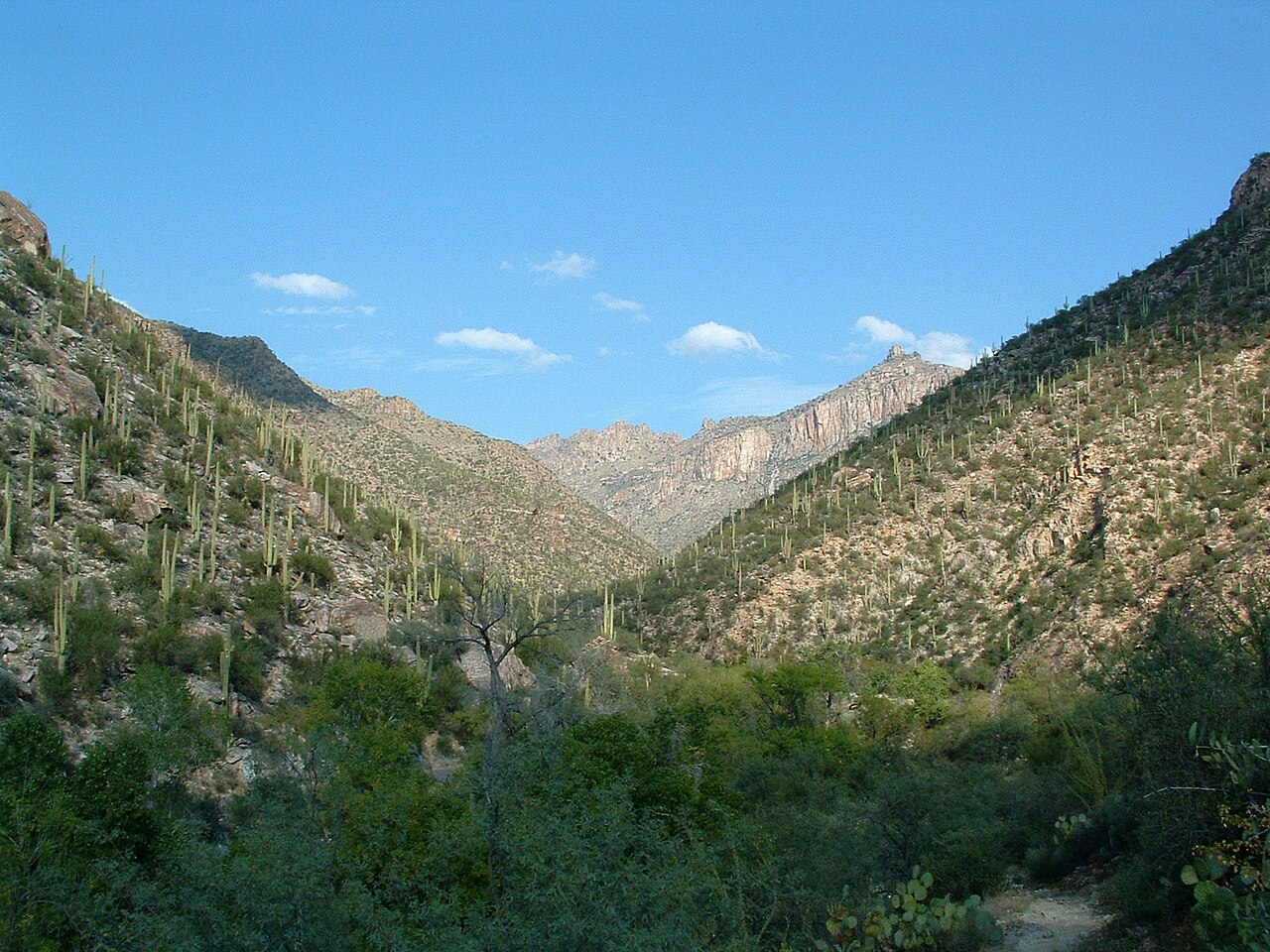
Winter is widely considered the best time to visit Tucson for those looking to escape the snow elsewhere. From December through February, daytime temperatures typically hover in the mid-60s to low 70s, making it ideal for exploring Saguaro National Park or hiking the rugged trails of Sabino Canyon. Evenings can get quite chilly, sometimes dipping near freezing, so packing layers is a necessity for sunset viewing or outdoor dining.
Because this is peak season, you should expect larger crowds at popular trailheads and higher demand for local accommodations. Many visitors flock to the area in February for the world-renowned gem and mineral shows, which can make the city feel much busier than usual. If you plan to visit during these months, booking your lodging and rental car well in advance is highly recommended to ensure you get your preferred choices while staying within your budget.
Spring: Wildflowers and Perfect Temps
Spring, particularly March and April, is arguably the most beautiful window for a Tucson getaway. This is when the Sonoran Desert truly comes to life. If the winter rains were sufficient, you will see a carpet of colorful wildflowers and blooming cacti across the valley floor. The temperatures are remarkably consistent, generally staying in the 70s and 80s, which is perfect for long bike rides on The Loop or birdwatching in the mountain foothills.
This is also a prime time for wildlife sightings as animals become more active in the mild weather. However, keep in mind that spring break brings a steady stream of families and university visitors, so popular spots like the Arizona-Sonora Desert Museum may be crowded. It is a fantastic time for outdoor photography, as the light is crisp and the vegetation is at its greenest before the intense dry heat of May arrives.
Summer: The Heat and Monsoon Magic
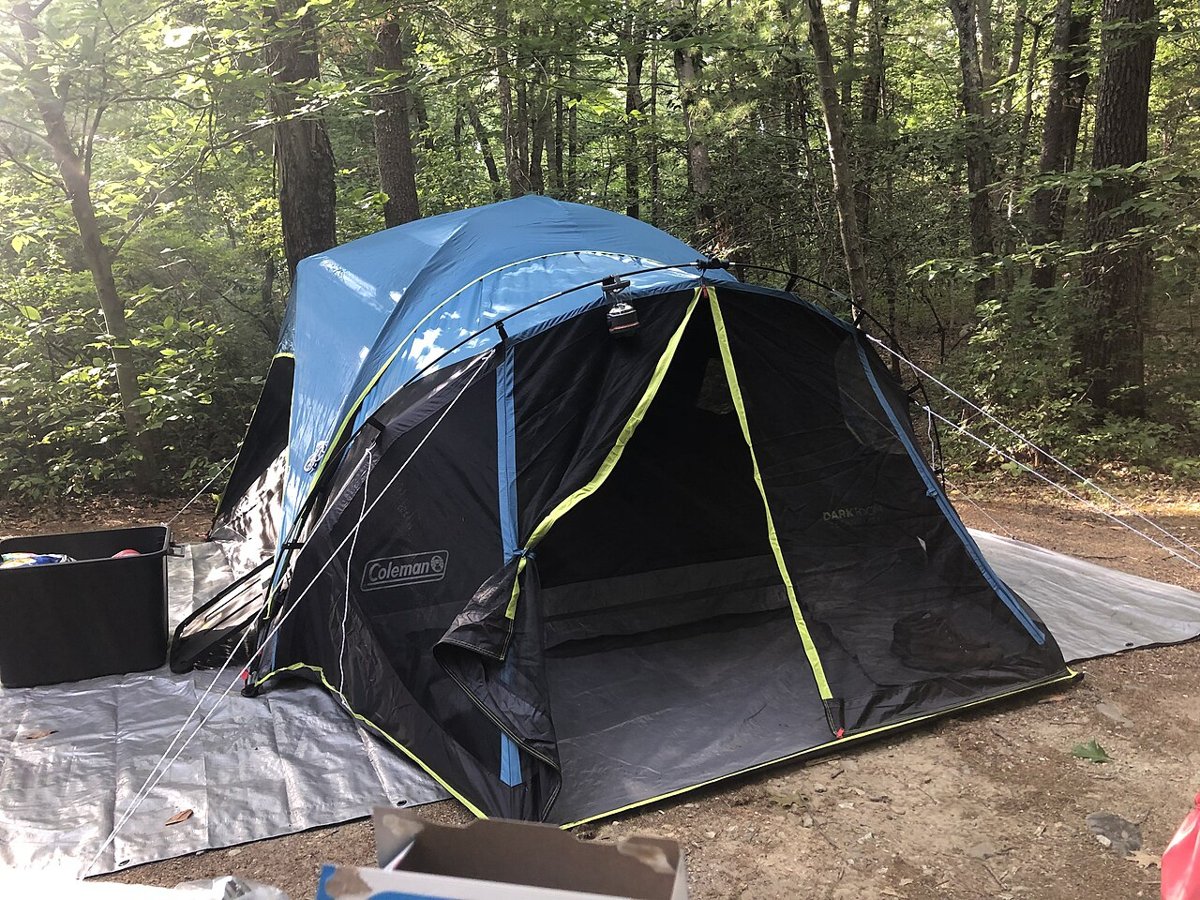
Visiting Tucson in the summer, from June through August, requires a different strategy. Temperatures frequently soar above 100 degrees Fahrenheit, making mid-day outdoor activities dangerous for those not acclimated to the climate. While this is the off-season with lower lodging costs, it is vital to limit hiking to the very early morning hours, often starting before sunrise, and retreating to air-conditioned museums or higher-elevation spots like Mount Lemmon during the afternoon.
Late June usually marks the beginning of the monsoon season, which brings spectacular lightning storms and heavy, brief downpours. These storms provide a dramatic backdrop and a much-needed cooling effect, though they can also cause sudden flash flooding in dry washes. Always consult the official park websites for weather warnings during this time. If you enjoy dramatic skies and don't mind staying indoors during the heat of the day, summer offers a unique, quieter perspective of the desert landscape.
Lock in a stay for this season
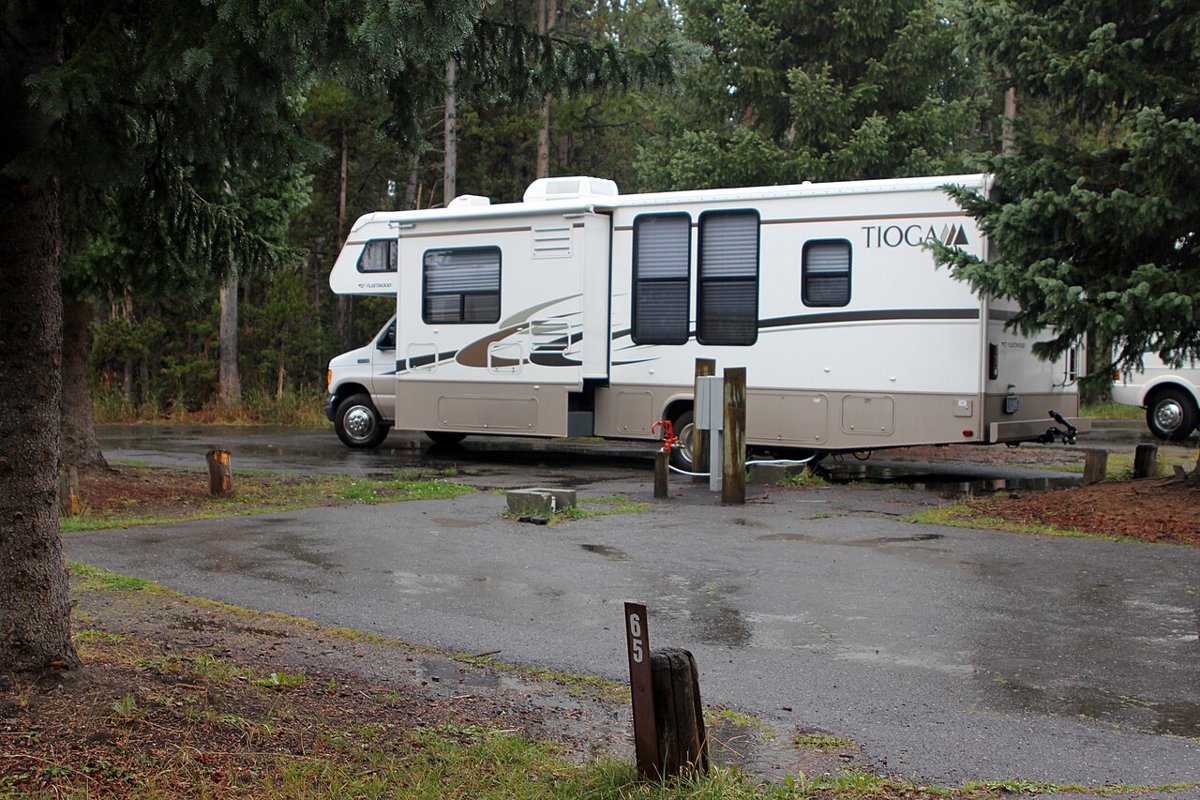
Harvest Hosts stays on the way to Tucson
Partner link · Harvest Hosts
Fall: Crisp Air and Returning Comfort
As the calendar turns to October and November, the oppressive summer heat breaks, ushering in some of the most pleasant weather of the year. Fall is an excellent time for those who want to experience the desert without the peak winter crowds. The air becomes crisp and dry, and the golden hour light during sunset against the Santa Catalina Mountains is particularly stunning. You can once again enjoy full days of hiking, rock climbing, or exploring the downtown historic districts comfortably.
Many outdoor festivals and cultural events return during the fall, providing a vibrant atmosphere throughout the city. While the cacti aren't blooming like they do in the spring, the visibility for stargazing is often at its peak during these clear autumn nights. It is a great middle-ground for travelers seeking moderate prices and plenty of elbow room at the most popular scenic overlooks and trailhead parking lots.
Reservations and Planning Tips
Regardless of when you choose to visit, planning ahead is the key to a successful Tucson trip. If you are aiming for the popular winter or spring months, try to secure your reservations at least three to six months in advance. Many of the most sought-after campgrounds and glamping spots near the national park boundaries fill up quickly during the temperate months. During the peak season, even popular brunch spots and guided tours might require a bit of foresight.
Always remember that desert weather is unpredictable. Even in the height of spring, a sudden cold front or a late-season heat wave can shift your plans. Checking the official National Park Service and local forest service websites will give you the most accurate information on trail conditions, water availability in the canyons, and any temporary closures due to fire risk or maintenance. This proactive approach ensures you can focus on the stunning scenery rather than logistical hurdles.
More ways to book Tucson
 Illustrative · Unknown authorUnknown author or not provided
Desert Museum Tour
One of the classic ways to experience Tucson.
Varies (estimate)
Partner link · Viator