
Theodore Roosevelt National Park rewards a mix of windshield views and time on foot, with layered badlands, prairie dog towns, and the Little Missouri River shaping the landscape. Use Medora for the South Unit and Watford City for the North Unit, allowing extra travel time if you want to experience both. Over two or three days, build your visit around scenic drives, short hikes, and patient wildlife watching rather than trying to cover every trail.
Drive the Badlands and Stop at the Overlooks
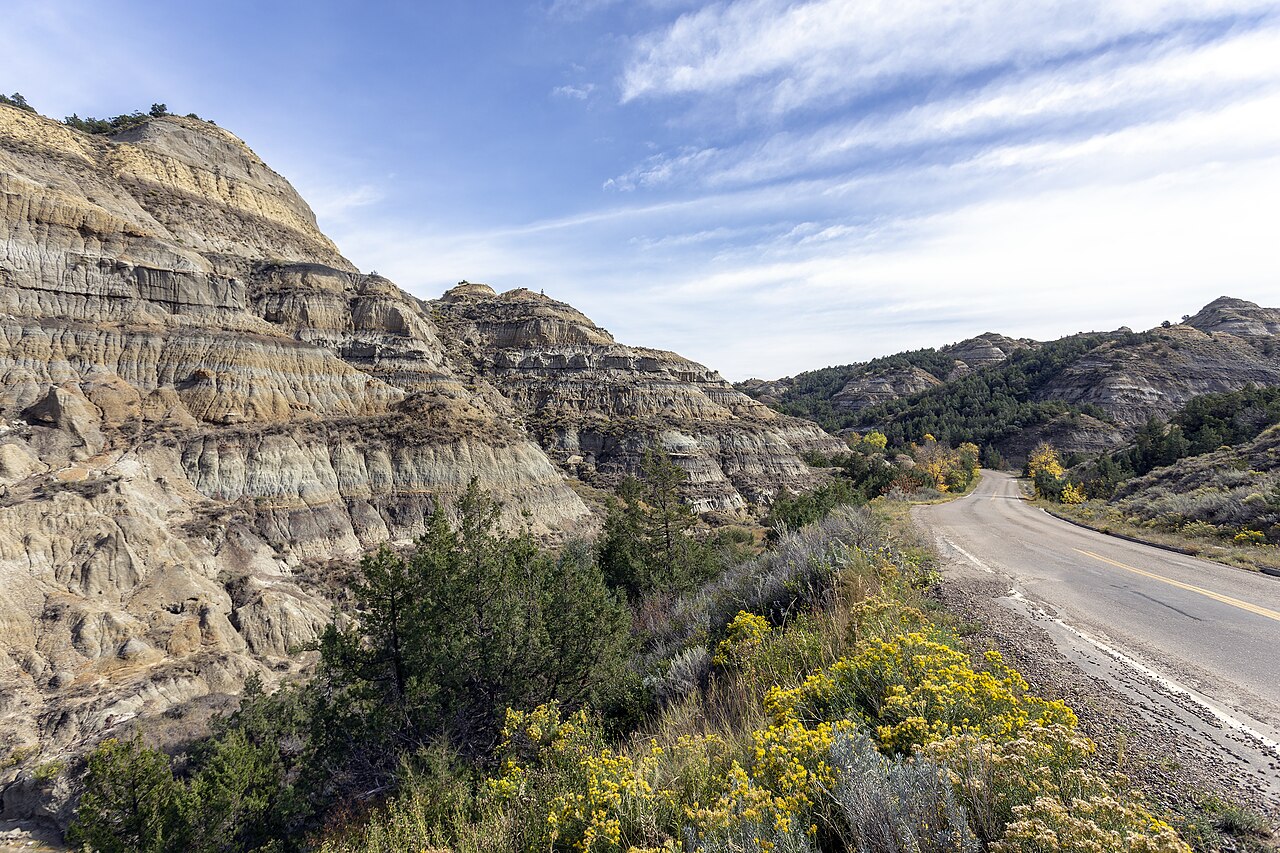
A scenic drive is the easiest introduction to the park’s scale, especially after a travel day. In the South Unit, use the scenic road to reach overlooks and short walking stops; check the current road configuration before assuming you can complete a loop. Painted Canyon, accessed separately from Interstate 94, offers another memorable look across the badlands.
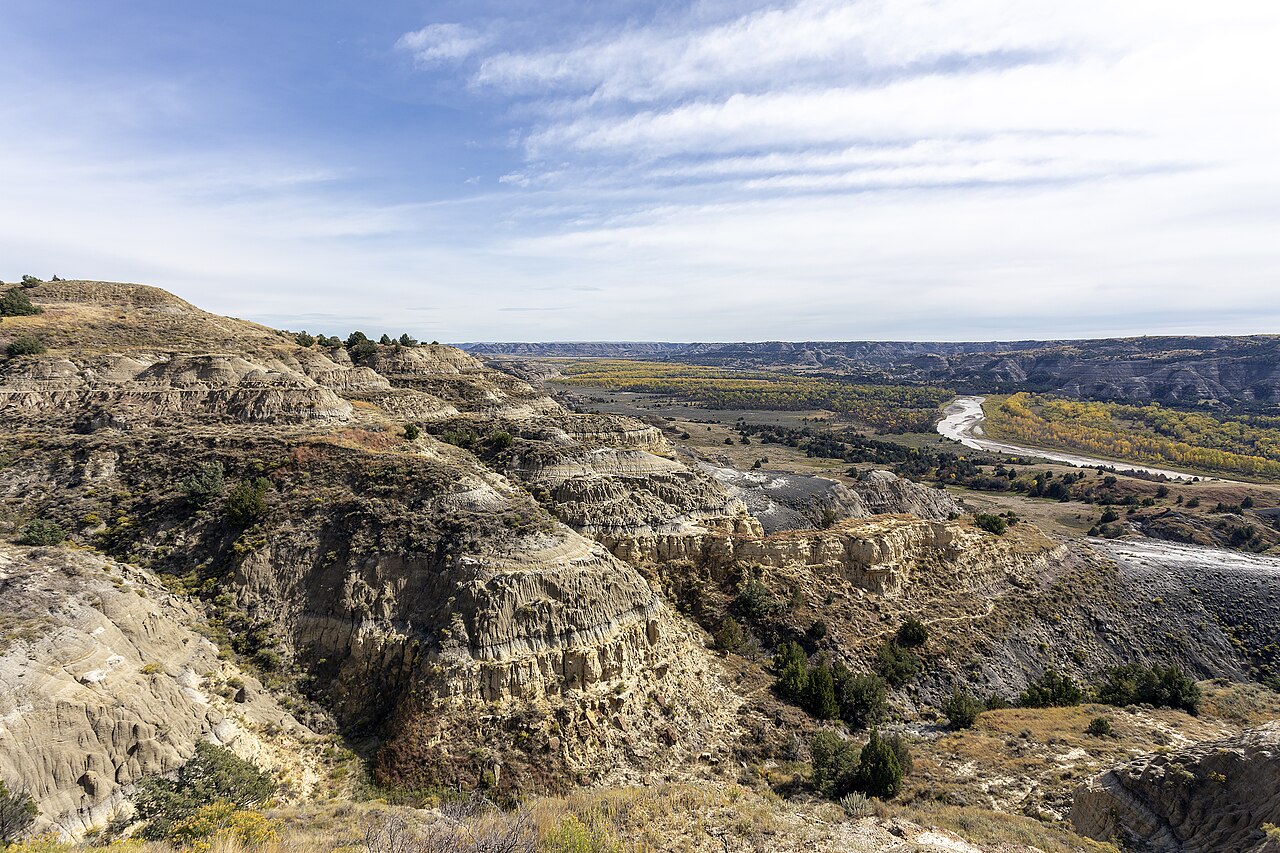
The North Unit has its own scenic drive, with River Bend Overlook and Oxbow Overlook providing different perspectives on the Little Missouri River landscape. Allow time to stop rather than treating either drive as a quick transfer. Stay in designated parking areas, keep roads clear when watching wildlife, and consult the official NPS site for closures.
Choose a Short Hike or a Longer Badlands Walk
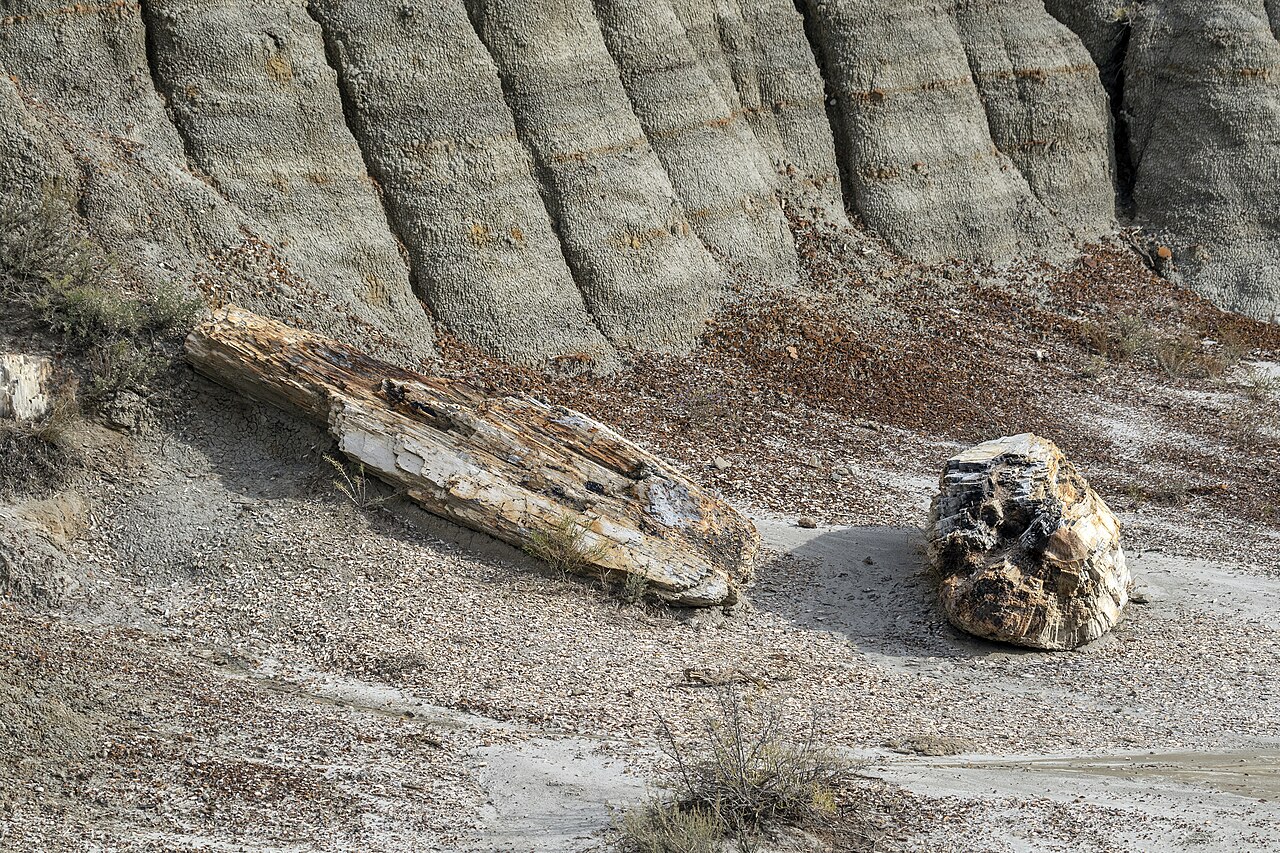
For shorter outings in the South Unit, consider Wind Canyon Trail or Buck Hill. Both offer a chance to step beyond roadside views without committing your entire day, though uneven ground, steps, and exposed sections can still matter for your group. Check current trail descriptions before deciding what fits your ability and available time.
In the North Unit, Caprock Coulee offers a closer look at badlands formations and grassland habitat. Longer routes require more preparation than their mileage alone may suggest: shade is limited, weather changes quickly, and wet ground can become difficult underfoot. Carry water and an offline map, wear shoes with traction, and turn around if conditions no longer suit your plan.
Watch Wildlife and Explore the River Landscape
Bison and prairie dogs are signature wildlife encounters here, while careful observers may also spot deer, birds, or other animals. Early and late daylight can be pleasant times to watch, but no time or route guarantees a sighting. Bring binoculars so you can enjoy behavior without approaching, and follow current NPS wildlife-distance guidance.
Never feed wildlife, and give bison an unobstructed path even when they interrupt your plans. View prairie dog towns from appropriate stopping places without entering burrows or pursuing animals. For water scenery, focus on river overlooks and accessible viewpoints along the Little Missouri. Do not assume the river offers easy swimming, wading, or paddling; conditions and access require separate research.
Keep a Family Visit Simple and Flexible
With kids, alternate short walks with overlooks, snacks, and time to simply watch the landscape. A prairie dog stop or a few minutes studying a bison through binoculars may be more engaging than another long trail. Ask at a visitor center about the Junior Ranger program and which activities or materials are currently available.
Build the day around one main outing rather than several ambitious hikes. Carry water for everyone, sun hats, layers, and familiar food, since services are not available at every scenic stop. Review wildlife rules before leaving the car, including what to do if an animal approaches. Confirm accessibility and stroller suitability for individual locations rather than assuming all short trails are paved.
Use Rainy Hours for History and Visitor Centers
Rain is a good reason to shift from exposed trails to the park’s human history. When open, the South Unit visitor center in Medora is a useful starting point for learning about Theodore Roosevelt’s North Dakota years and the landscape that influenced his conservation thinking. Ask staff about current exhibits and access to the Maltese Cross Cabin.
A light shower may still allow a scenic drive, but heavy rain, poor visibility, or thunderstorms call for a different plan. Avoid muddy unpaved roads and check conditions before returning to trails. In Medora, Dickinson, or Watford City, look for local museum options and verify their seasonal schedules directly. Keep an indoor stop as a backup, not a guaranteed daily service.