
May through September is the easiest planning window for Theodore Roosevelt National Park, with longer days for scenic drives, campground evenings, and walks through North Dakota’s badlands. Within that stretch, late spring and early fall often suit travelers who want milder hiking weather, while summer works well for family road trips. Choose your dates around the experience you want, then check the official NPS site for current road conditions, campground reservations, and seasonal services.
Spring: Greener Badlands and Changeable Conditions
Spring brings fresh color to the grasslands, a welcome contrast to the park’s layered buttes and exposed rock. May can be a rewarding compromise between winter’s limitations and summer’s busier travel season, especially if your plans emphasize wildlife watching, overlooks, and shorter walks rather than a rigid hiking schedule.
Expect variable temperatures, wind, and occasional cold spells. Rain and melting snow can leave unpaved access roads and trails muddy, so keep a paved-road alternative in mind. Carry warm layers even when the afternoon forecast looks pleasant. Wildlife may be visible throughout the park, but sightings are never certain; use binoculars and give animals plenty of room, particularly around young.
Lock in a stay for this season
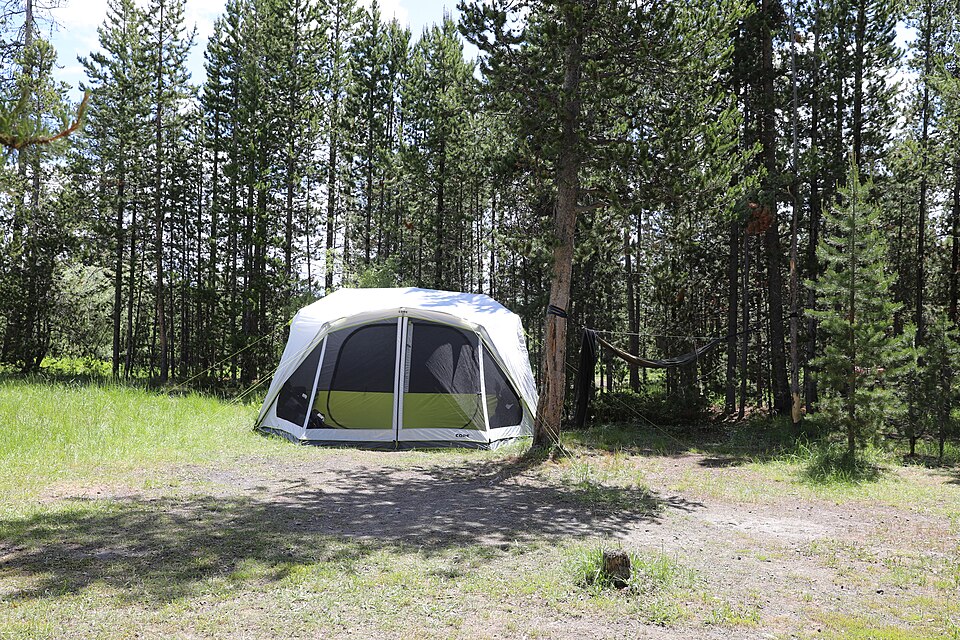
RV parks near Theodore Roosevelt National Park on RoverPass
Partner link · RoverPass
Summer: Long Days and More Road-Trip Traffic
June through August offers long daylight hours and the broadest seasonal travel infrastructure around Medora. This is a practical choice for families combining scenic drives, short hikes, and campground time, but it also brings more visitors to popular overlooks and lodging areas. Start active outings early and leave the hotter part of the day for an indoor stop or a relaxed break.
Badlands trails have limited shade, and summer weather can include strong heat, wind, and thunderstorms. Bring ample drinking water, sun protection, and a flexible schedule. Book lodging or reservable campsites once your dates are firm, especially for weekends and holidays, and verify current campground arrangements through the official NPS site.
Lock in a stay for this season
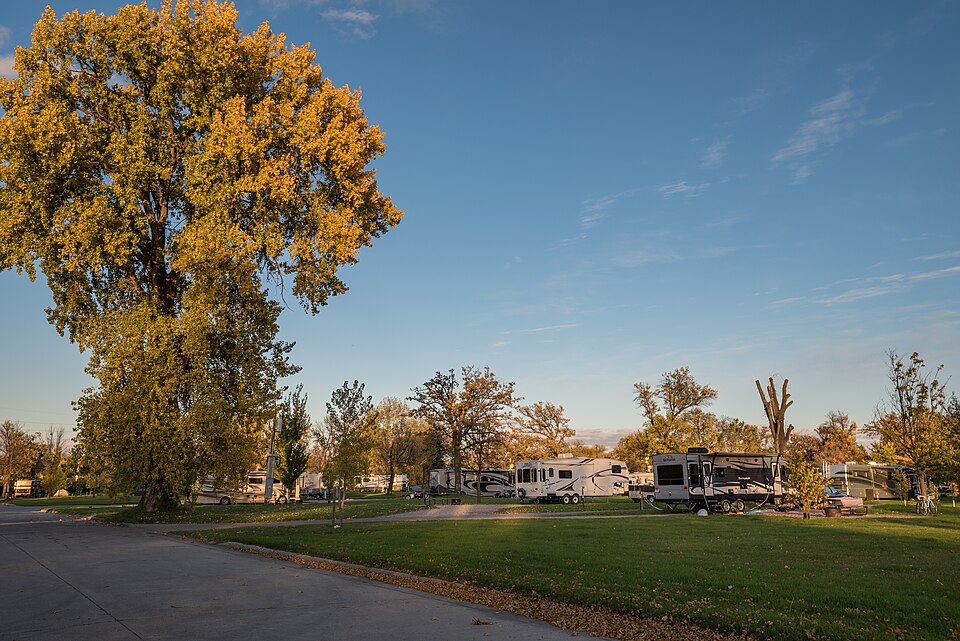
Campsites near Theodore Roosevelt National Park on Campspot
Partner link · Campspot
Fall: Comfortable Walks and Quieter Gateways
September often balances pleasant daytime exploring with fewer vacation-season crowds. Cottonwoods along the Little Missouri River can add fall color, although timing varies with weather and location. For a two- or three-day trip focused on hiking, photography, and scenic drives, early fall is worth considering alongside late spring.
Temperatures become less predictable as autumn progresses, and nights can feel sharply colder than afternoons. Daylight also shrinks, so avoid planning a long transfer between park units after a full hiking day. Some gateway services reduce their seasonal operations, particularly later in fall. Confirm your lodging, meal options, and campground availability before arriving rather than assuming summer routines will continue.
Lock in a stay for this season
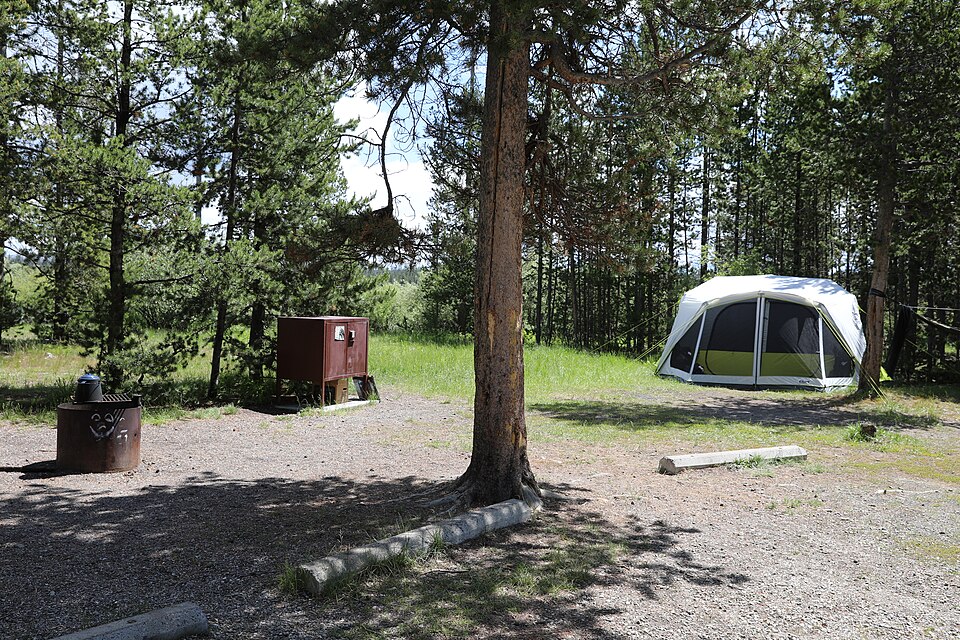
Harvest Hosts stays on the way to Theodore Roosevelt National Park
Partner link · Harvest Hosts
Winter: Solitude With More Planning
Winter changes the park into a quieter landscape of pale grass, snow, and sharply outlined badlands. Travelers seeking solitude may appreciate this season, but it is not the simplest choice for a first visit built around camping and several long hikes. Cold, wind, snow, and ice can significantly change both driving and walking conditions.
Keep your itinerary short and flexible, with indoor lodging as a practical base. Scenic-road access and visitor services may be limited, and a planned stop can become impractical after changing weather. Check the official NPS site and regional road reports before setting out. Bring appropriate winter equipment, and do not assume that a route passable earlier in the week remains accessible.
When to Reserve and How to Avoid the Rush
For summer weekends, holidays, or a particular lodging style, start looking several months ahead rather than waiting until your road trip begins. Campground booking rules and reservation windows can differ, so follow the current instructions linked from the official park website. There is no single booking deadline that fits every campground, hotel, or furnished outdoor stay.
To reduce crowd pressure, consider weekdays in May or September and visit popular overlooks earlier in the day. The North and South Units require a separate drive between them, which makes an unhurried two- or three-day visit more useful than a packed checklist. Keep one weather-flexible block in your schedule for a postponed hike or scenic drive.
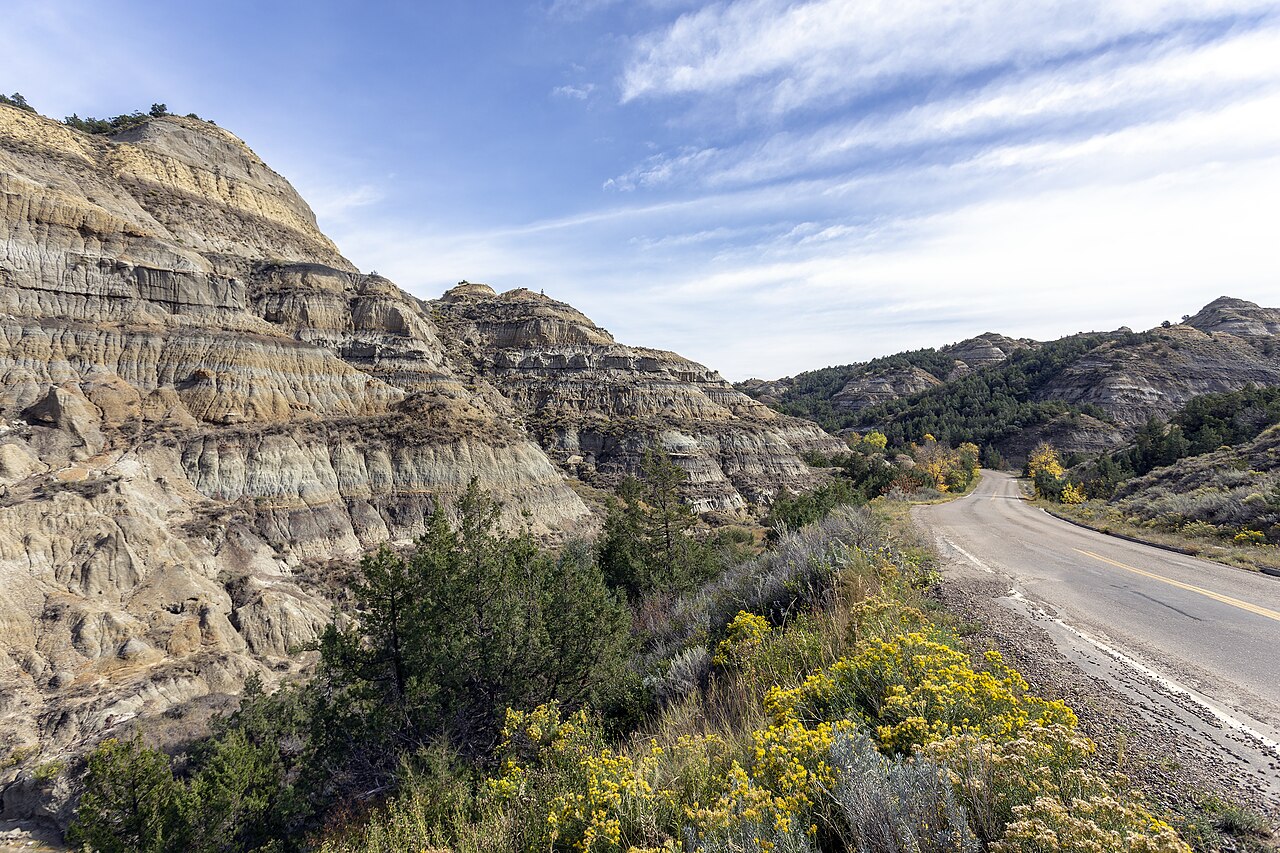
More ways to book Theodore Roosevelt National Park
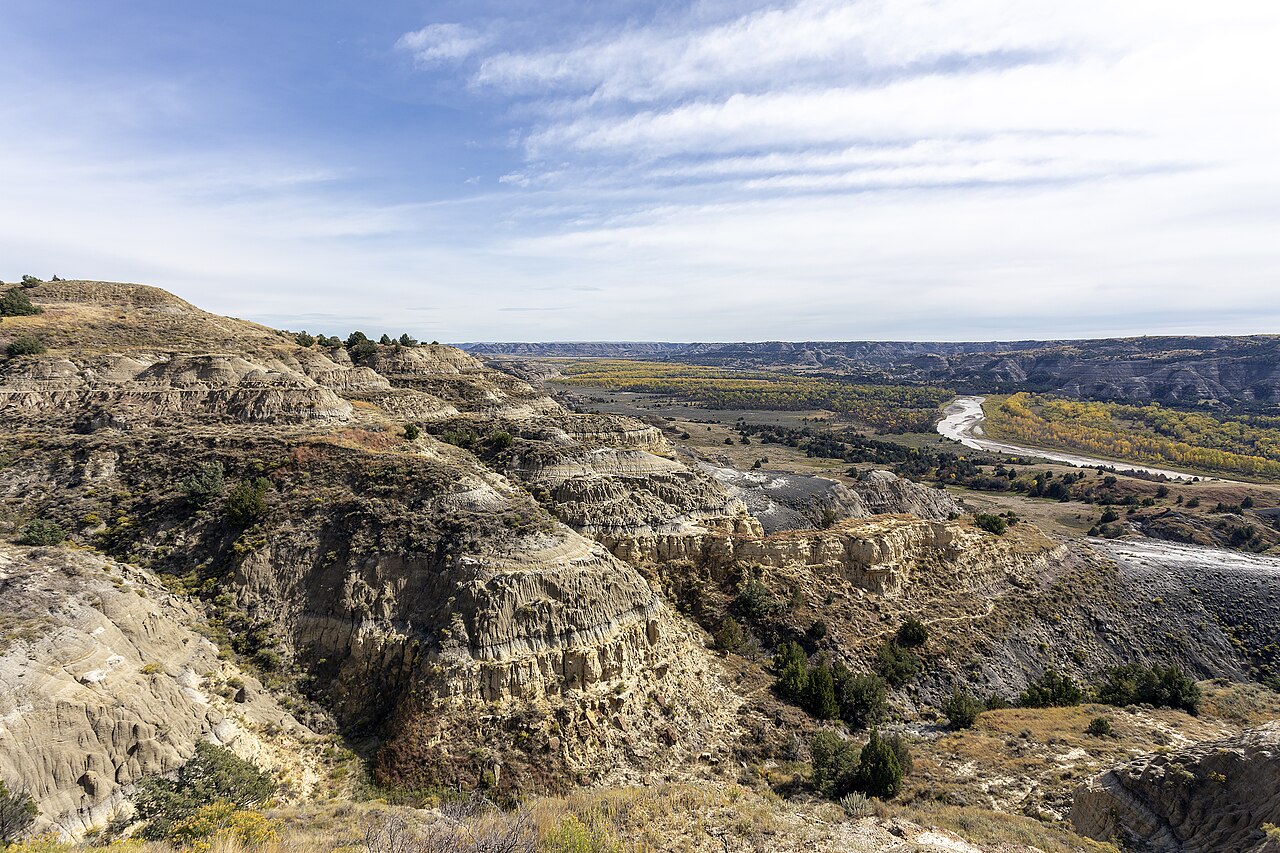 Illustrative · Acroterion
Bison Spotting
One of the classic ways to experience Theodore Roosevelt.
Varies (estimate)
Partner link · Viator