
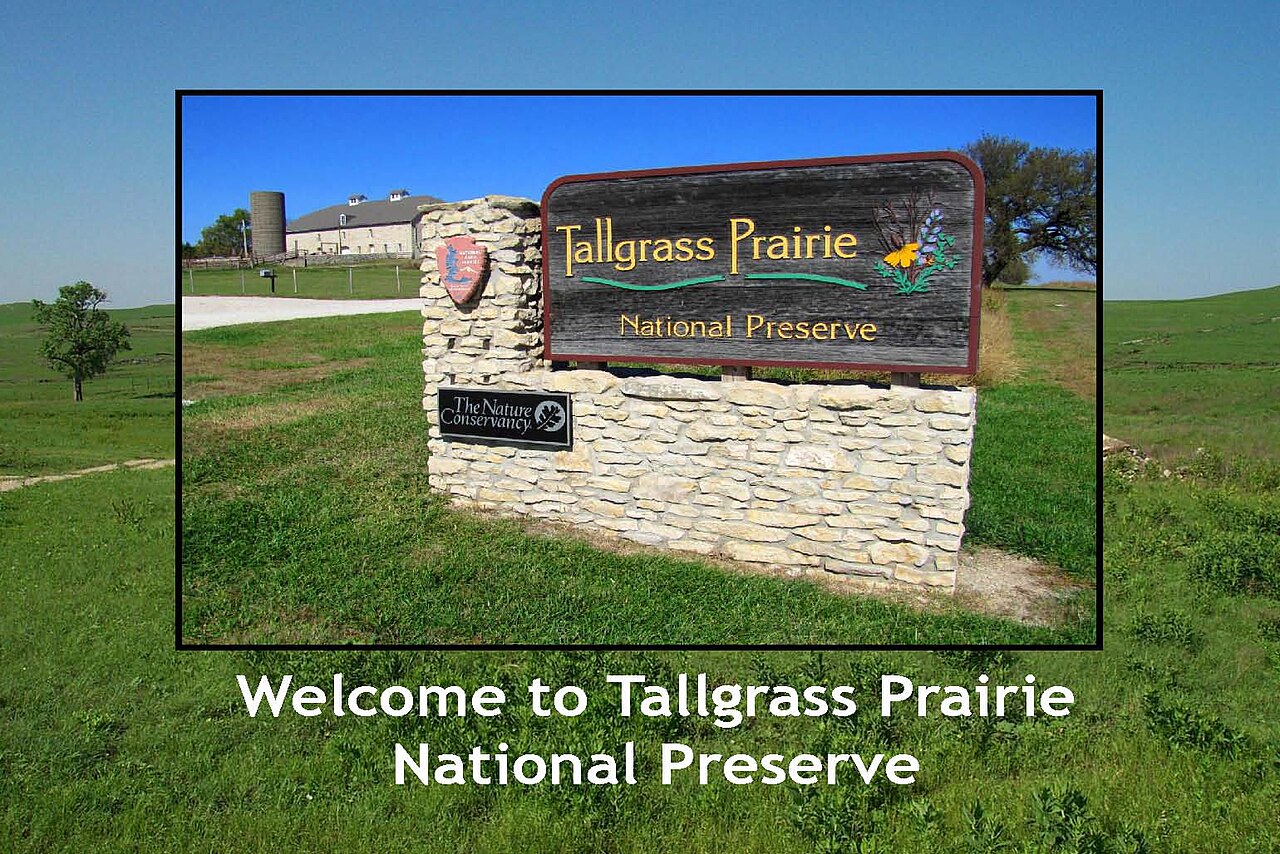
Tallgrass Prairie National Preserve offers a deep dive into both the natural history and the ranching heritage of the Kansas Flint Hills. Whether you are interested in the complex ecology of the tallgrass ecosystem or the 19th-century architecture of the American West, there is plenty to discover. Visitors can spend their days hiking through miles of open range, observing massive bison, or exploring the beautifully preserved limestone buildings of a historic working ranch.
Hiking the Historic Southwind Nature Trail
One of the most popular activities is hiking the Southwind Nature Trail. This loop provides a comprehensive introduction to the prairie ecosystem, taking you from the valley floor up to the higher ridges. As you walk, you will see a variety of native grasses and wildflowers that change with every season. The trail offers interpretive signs that explain the geological history of the Flint Hills and the importance of the limestone layers beneath your feet.
For those seeking a more rugged experience, the preserve offers over 40 miles of trails, including the Scenic Overlook Trail. This path leads you deep into the heart of the preserve where the horizon stretches out in every direction. It is common to feel a sense of immense scale here, as the lack of trees and buildings allows you to see for miles. Be sure to wear sturdy hiking boots, as the terrain can be rocky and uneven, and always carry a map provided by the visitor center.
Bison Viewing and Wildlife Photography
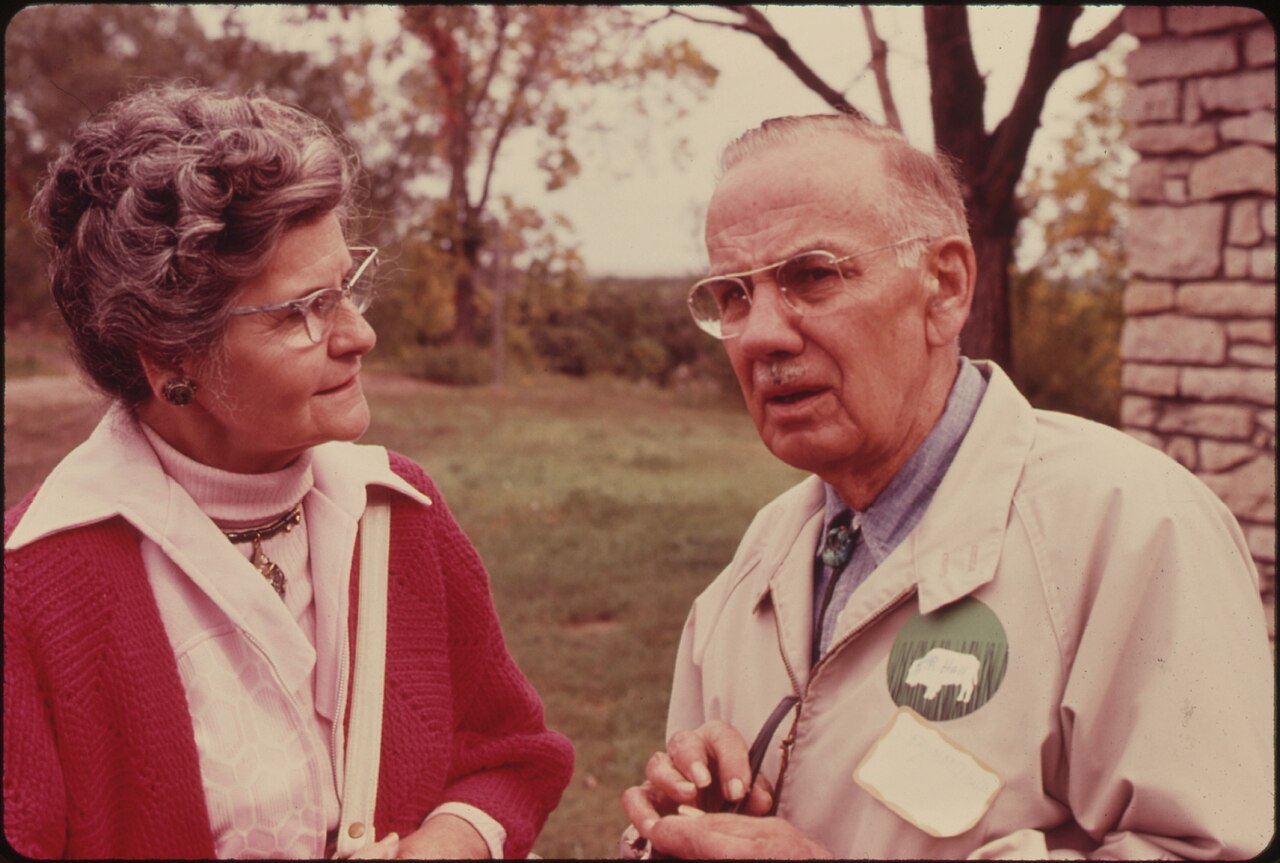
The presence of a free-roaming bison herd is a major draw for visitors. These massive animals are central to the prairie's history and health. You can often see them from the hiking trails or by taking a seasonal guided bus tour offered by the park service. Watching the herd move across the hills provides a glimpse into the past when millions of these animals roamed the Great Plains. It is important to remember that bison are wild and unpredictable; always maintain a distance of at least 100 yards.
Photographers will find endless inspiration in the movement of the herd against the backdrop of the rolling hills. Beyond the bison, the preserve is home to white-tailed deer, coyotes, and a vast array of bird species. The Greater Prairie-Chicken is a local icon, known for its unique mating dance in the spring. Bringing a pair of binoculars and a long lens is highly recommended for anyone interested in capturing the diverse fauna that calls this tallgrass habitat home.
Touring the Spring Hill Ranch Complex
For history buffs, the Spring Hill Ranch is a must-see. The centerpiece is a magnificent three-story Second Empire style limestone house built in 1881. You can take a self-guided tour of the house and the surrounding outbuildings, including a massive stone barn and a one-room schoolhouse. The craftsmanship of the limestone work is a testament to the skill of the early settlers and the abundance of natural resources in the area. The house reflects the ambitions of the ranch's founder, Stephen Jones, and provides insight into the 19th-century cattle industry.
The Lower Fox Creek Schoolhouse, located a short walk or drive from the main ranch, is another highlight. This restored building served the children of local ranch hands and farmers for decades. Standing inside the small classroom, you can almost hear the echoes of the past. The ranch complex serves as a stark reminder of how human history and natural history are inextricably linked in the Flint Hills, showing how people adapted to this challenging yet beautiful environment.
Family-Friendly Adventures and Junior Ranger Programs
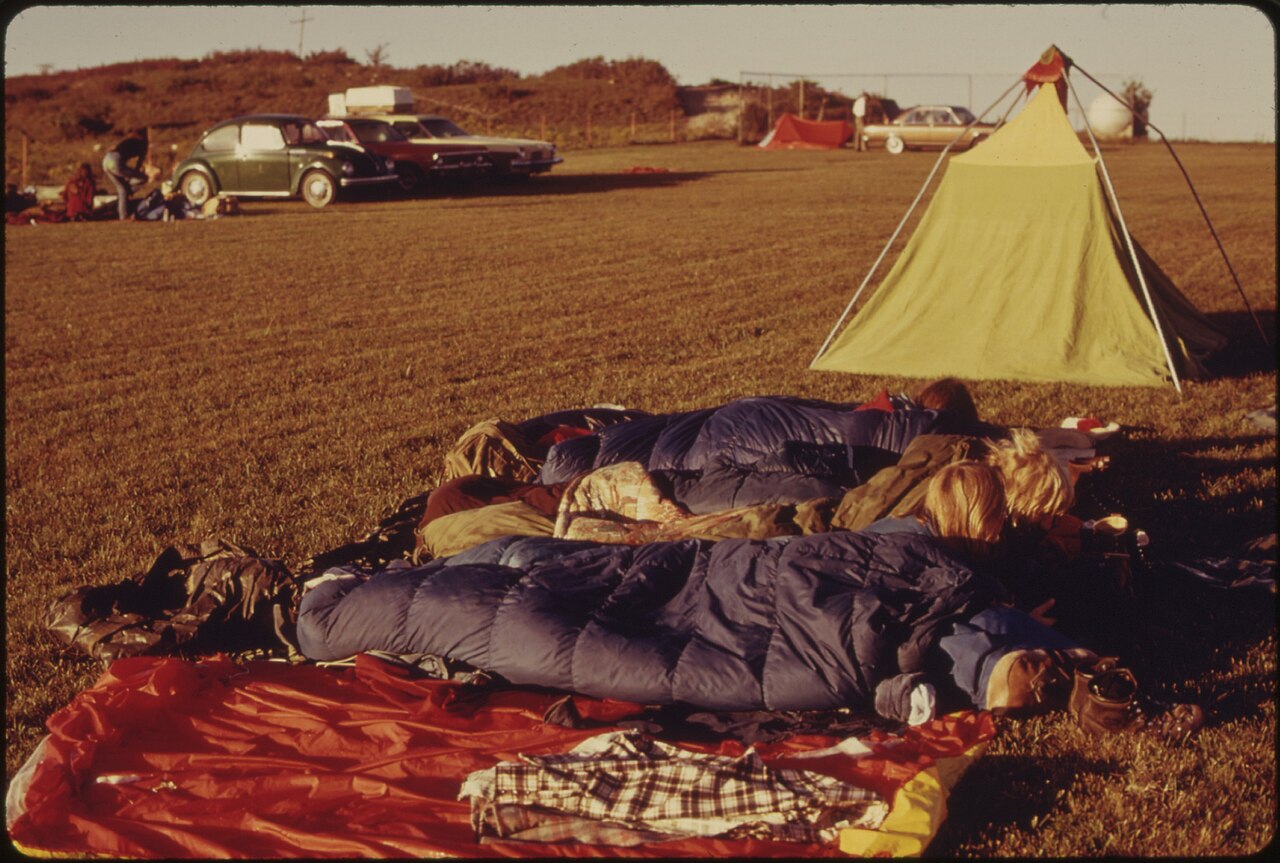
Tallgrass Prairie is an excellent destination for families. The visitor center offers a variety of interactive exhibits that engage children in the science of the prairie. Kids can participate in the Junior Ranger program, which involves completing an activity booklet to earn a badge. This is a great way to help children focus on the small details of the environment, such as identifying different types of grass or spotting local insects like the regal fritillary butterfly.
The shorter trails near the ranch house are perfect for younger children who may not be ready for a long backcountry hike. The wide-open spaces allow kids to run and explore in a way that feels adventurous yet safe. During the summer, the park often hosts special events and demonstrations that show what life was like on a working ranch. These educational experiences make the preserve more than just a scenic stop; it becomes a living classroom where the next generation can learn about conservation and heritage.
Exploring the Gateway Cities
After a day on the trails, the nearby gateway cities of Strong City and Cottonwood Falls offer a charming conclusion to your visit. Just a few minutes south of the preserve, Cottonwood Falls features a historic downtown with one of the oldest functioning courthouses in the state. The brick-paved streets are lined with small art galleries, antique shops, and local eateries where you can grab a hearty meal. Strong City, located just across the tracks, offers additional services and a look at the railroad history that shaped the region.
If you have more time, Emporia is a larger city nearby that provides a wider range of dining and shopping options, as well as the beautiful campus of Emporia State University. These towns serve as the perfect base for your prairie adventure, providing the hospitality and comfort needed after a day in the sun. Support local businesses by stopping in for a coffee or browsing the handmade crafts that reflect the culture of the Flint Hills. The connection between the preserve and these communities is a vital part of the regional identity.