
Timing your visit to the Tallgrass Prairie National Preserve is essential for witnessing the dramatic transformations of the Flint Hills. This landscape is one of the few places left where you can see the ecosystem that once covered a third of North America. Depending on the month, the prairie may appear as a short, charred expanse or a lush, emerald sea of grass taller than a person. Selecting the right season ensures you catch the iconic bison herd, the blooming wildflowers, or the distinct quiet of a Kansas winter.
Spring: The Season of Renewal and Fire
Spring is perhaps the most dynamic time to explore the Flint Hills. Starting in late March and continuing through April, the region undergoes a controlled burning process that is vital for the prairie's health. While the blackened landscape may seem stark initially, it quickly gives way to a vibrant, neon-green carpet of new growth. This is the best time to witness the rejuvenation of the tallgrass and the emergence of early wildflowers like the prairie smoke and wood violet.
Temperatures are generally mild, making it ideal for long treks on the Southwind Nature Trail. However, spring in Kansas can be unpredictable, with sudden thunderstorms and high winds. If you visit during this window, you will likely see the bison cows with their young calves, often referred to as 'red dogs' due to their orange-tinted fur. It is a season of high activity and visual drama that defines the spirit of the American heartland.
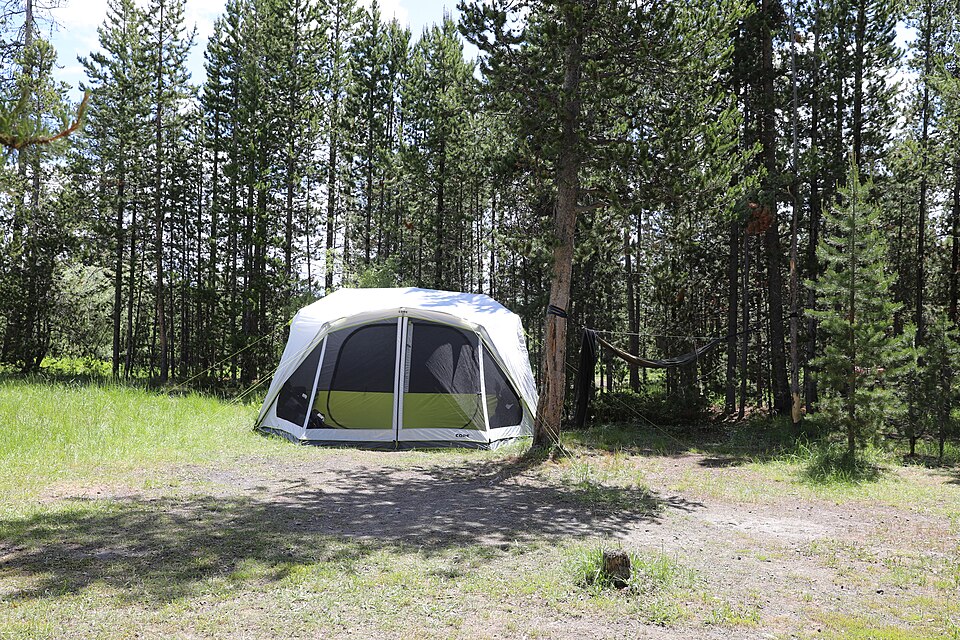
Lock in a stay for this season
RV parks near Tallgrass Prairie National Preserve on RoverPass
Partner link · RoverPass
Summer: The Peak of the Tallgrass
By mid-summer, the prairie begins to reach its full height. This is when the Big Bluestem and Indiangrass truly earn their names, sometimes growing over six feet tall by late August. The heat can be intense during these months, often reaching into the 90s with high humidity. Because there is very little shade on the open prairie, visitors should plan their hikes for the early morning or late evening to avoid the midday sun.
Summer is also the peak for insect life and birdwatching. You will hear the constant hum of cicadas and the distinct calls of the Eastern Meadowlark. While the heat is a factor, the sight of a summer sunset over the undulating hills is spectacular. The gold and purple hues of the evening sky reflect off the waving stalks, creating a sea of light. Always bring ample water and sun protection, as the exposure in the Flint Hills is constant and direct.
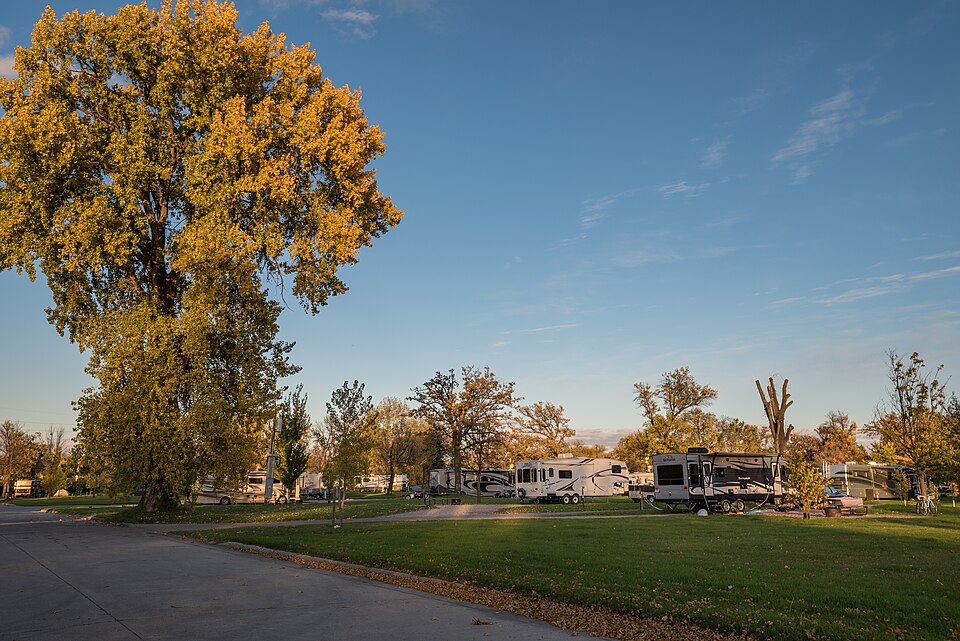
Lock in a stay for this season
Campsites near Tallgrass Prairie National Preserve on Campspot
Partner link · Campspot
Fall: A Golden Transformation
Many frequent visitors argue that autumn is the absolute best time to visit Tallgrass Prairie National Preserve. As the temperatures cool in September and October, the grasses turn from deep greens to rich russets, golds, and bronzes. The air becomes crisp, and the clarity of the vast Kansas sky is unmatched. This is a perfect time for photography, as the low autumn sun highlights the textures of the limestone outcroppings and the seed heads of the tallgrasses.
Wildlife remains active during the fall as the bison prepare for the colder months. Hiking is much more comfortable during this season, allowing for full-day explorations of the backcountry trails without the threat of summer heat exhaustion. The crowds are generally thinner than in late spring, providing a sense of solitude that is hard to find elsewhere. It is a peaceful, contemplative time where the rustle of the wind through the dried grass becomes the primary soundtrack to your journey.
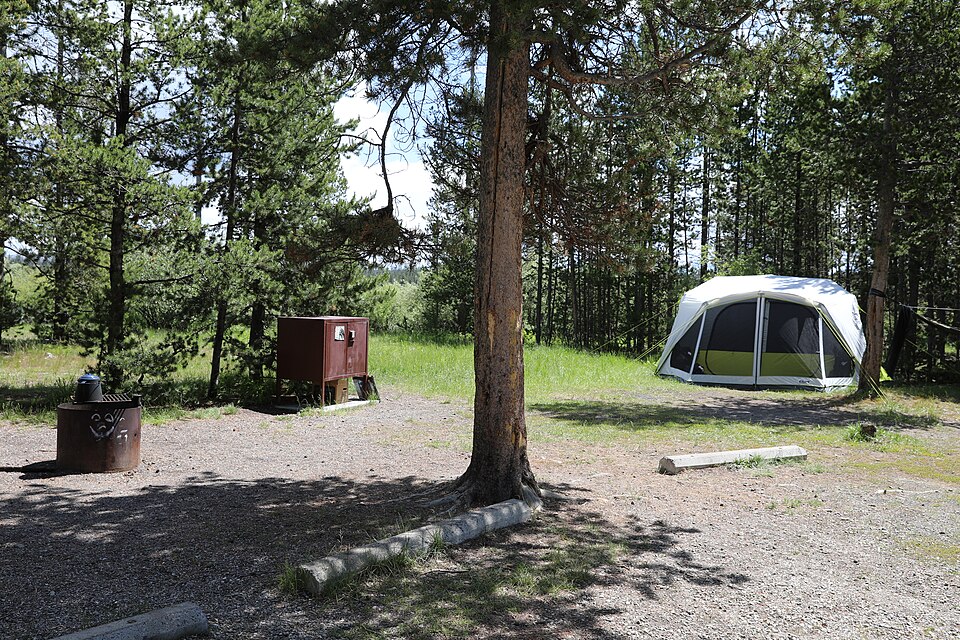
Lock in a stay for this season
Harvest Hosts stays on the way to Tallgrass Prairie National Preserve
Partner link · Harvest Hosts
Winter: Stark Beauty and Solitude
Winter in the Flint Hills is characterized by a minimalist beauty. The landscape is stripped down to its essential forms, revealing the rolling contours of the land and the stark architecture of the historic Spring Hill Ranch buildings. Snow is common but rarely stays for long, often dusting the dormant brown grasses in a layer of white. It is a quiet season, perfect for those looking to escape the hustle of modern life and experience the prairie in its most raw state.
While the preserve remains open, facilities may have reduced hours, so checking the official NPS site is crucial before a winter trip. Wind chills can be biting on the open ridges, so heavy layering is mandatory. The bison herd is often easier to spot against the brown landscape, and the lack of foliage on the few trees along the creek beds makes bird spotting simpler. It is a season for the hardy traveler who appreciates stillness and the vast, unobstructed horizon.
Crowds, Reservations, and Planning
Compared to major coastal parks, Tallgrass Prairie National Preserve rarely feels crowded. However, weekends in late May and early October can see an uptick in visitors at the historic ranch site. If you plan on taking the seasonal bus tour to see the bison in the backcountry, reservations are highly recommended as these spots fill up quickly during the peak spring and fall months. There are no entrance fees for the preserve, which makes it an accessible destination for spontaneous trips.
When planning your visit, keep in mind that the nearby towns of Strong City and Cottonwood Falls are small. Lodging can book up during regional events like the Symphony in the Flint Hills or local festivals. Always check the official park website for current trail conditions, as heavy rains can occasionally make the low-water crossings impassable. By planning around the weather and the natural cycle of the grass, you ensure a much more rewarding experience in this unique national treasure.
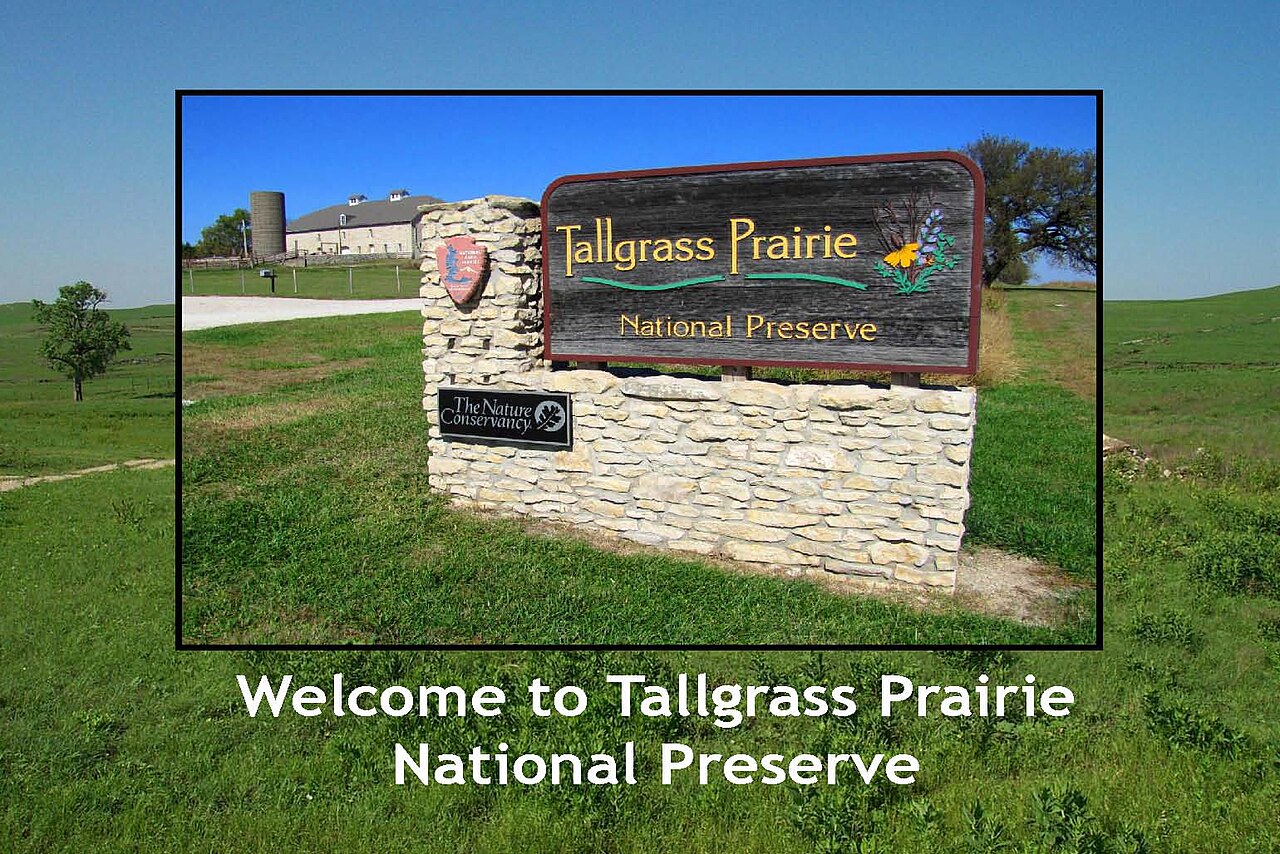
More ways to book Tallgrass Prairie National Preserve
 Illustrative · Patricia DuBose Duncan
Bison Loop Hiking
One of the classic ways to experience Tallgrass Prairie National Preserve.
Varies (estimate)
Partner link · Viator