
The Superstition Mountains offer a diverse array of activities that cater to both adrenaline seekers and those looking for a quiet connection with nature. From the legendary tales of the Lost Dutchman's Gold Mine to the soaring volcanic cliffs of the Flatiron, this region is a playground for outdoor enthusiasts. Whether you are trekking through deep canyons or exploring historic ghost towns, the area provides a quintessential Southwestern experience filled with rugged beauty and mystery.
Challenging Hikes and Iconic Peaks
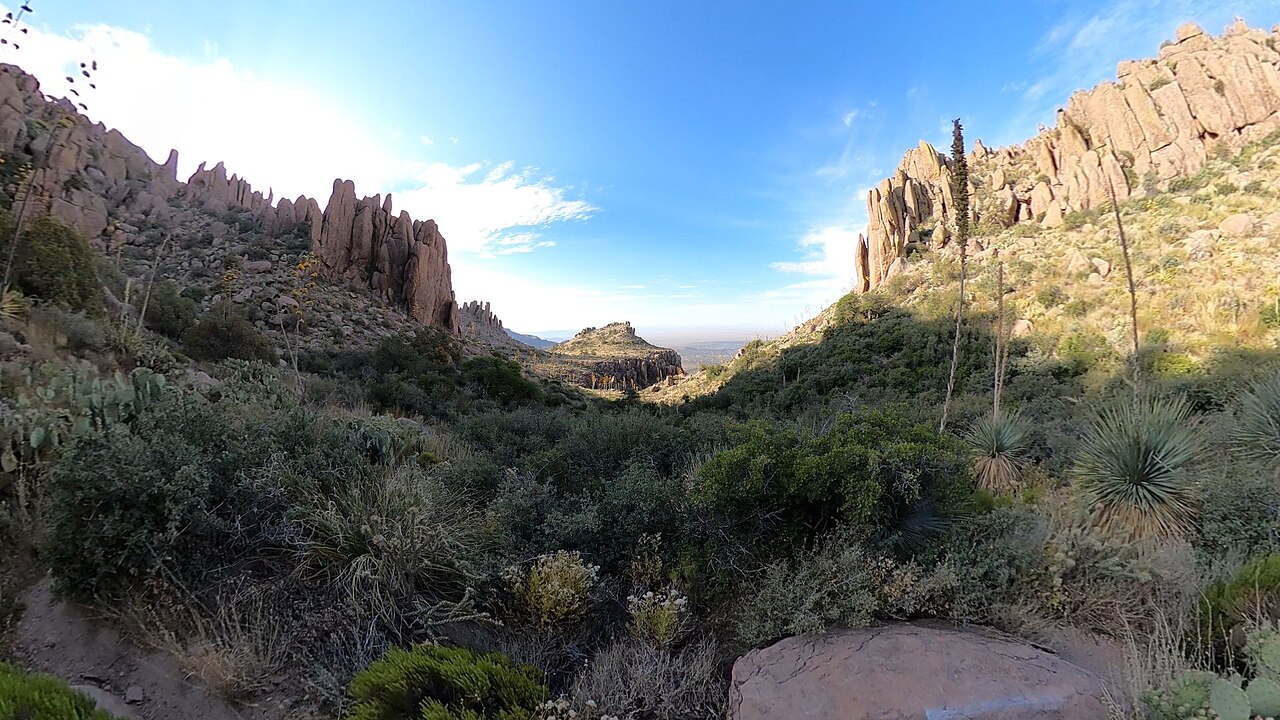
For many, the primary draw of the area is the world-class hiking. The most famous trek is the climb to the Flatiron via Siphon Draw. This is a strenuous, unmaintained trail that requires scrambling over boulders and navigating steep inclines, but the reward is a panoramic view of the entire Salt River Valley. For those seeking something slightly less vertical, the Peralta Trail to Fremont Saddle offers an incredible look at Weaverâs Needle, a massive volcanic plug that stands as a silent sentinel in the heart of the wilderness.
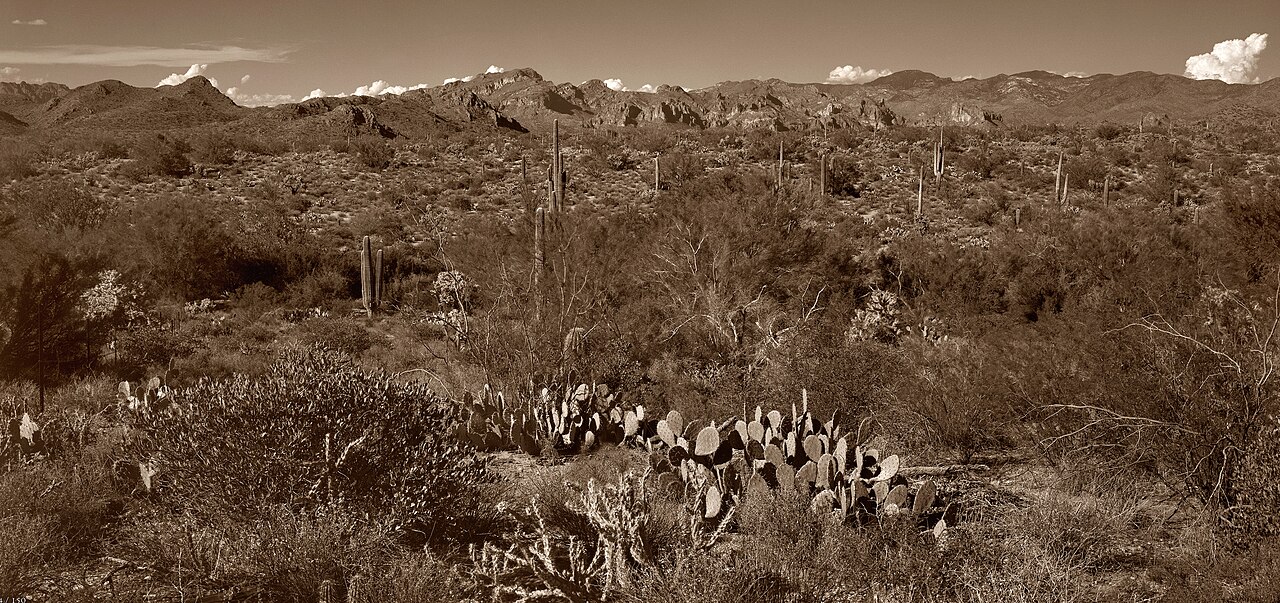
If you prefer a gentler pace, the Treasure Loop Trail in Lost Dutchman State Park provides a scenic route through the base of the mountains, showcasing towering saguaro cacti and diverse desert flora. Regardless of the trail you choose, the terrain is rocky and unforgiving, so sturdy footwear is a requirement. These trails allow you to witness the geological history of the range, characterized by ancient ash flows and cooling magma that have eroded over millions of years into the spires and walls we see today.
Scenic Drives and The Apache Trail
For a different perspective of the mountains, a drive along the historic Apache Trail (Highway 88) is a must. This winding road was originally built to facilitate the construction of the Roosevelt Dam and offers some of the most dramatic scenery in the Southwest. As you wind through the foothills, you will see steep canyon walls, sparkling blue lakes, and the winding path of the Salt River. The road passes by Canyon Lake, where you can stop for a boat tour or a picnic at the water's edge.
Part of the road is unpaved and can be rugged, so it is important to check current road conditions on the official state transportation website before heading out. Along the way, you can visit the small settlement of Tortilla Flat, which boasts a colorful history and a post office that serves as a popular stop for travelers. The drive provides a sense of the scale of the Tonto National Forest and the sheer verticality of the Superstition range from the canyon floor looking up.
Exploring Ghost Towns and Local History
The history of the Superstition Mountains is steeped in legends of lost gold and mining booms. A visit to the Goldfield Ghost Town, located just outside Apache Junction, allows you to step back into the 1890s. This reconstructed mining town features wooden boardwalks, a narrow-gauge railroad, and underground mine tours that explain the techniques used by early prospectors. It is a fantastic spot for families, offering a glimpse into the rugged lifestyle of the pioneers who moved to the desert in search of fortune.
Beyond the tourist attractions, the Superstition Mountain Museum provides a wealth of information about the regionâs geological formation, Native American heritage, and the enduring mystery of the Lost Dutchman Mine. The museum grounds include historic buildings and exhibits on the flora and fauna of the Sonoran Desert. Learning about the Salado people and the later Pima and Apache tribes provides essential context for the land you are exploring, highlighting how humans have adapted to this arid environment for centuries.
Wildlife Viewing and Desert Nature
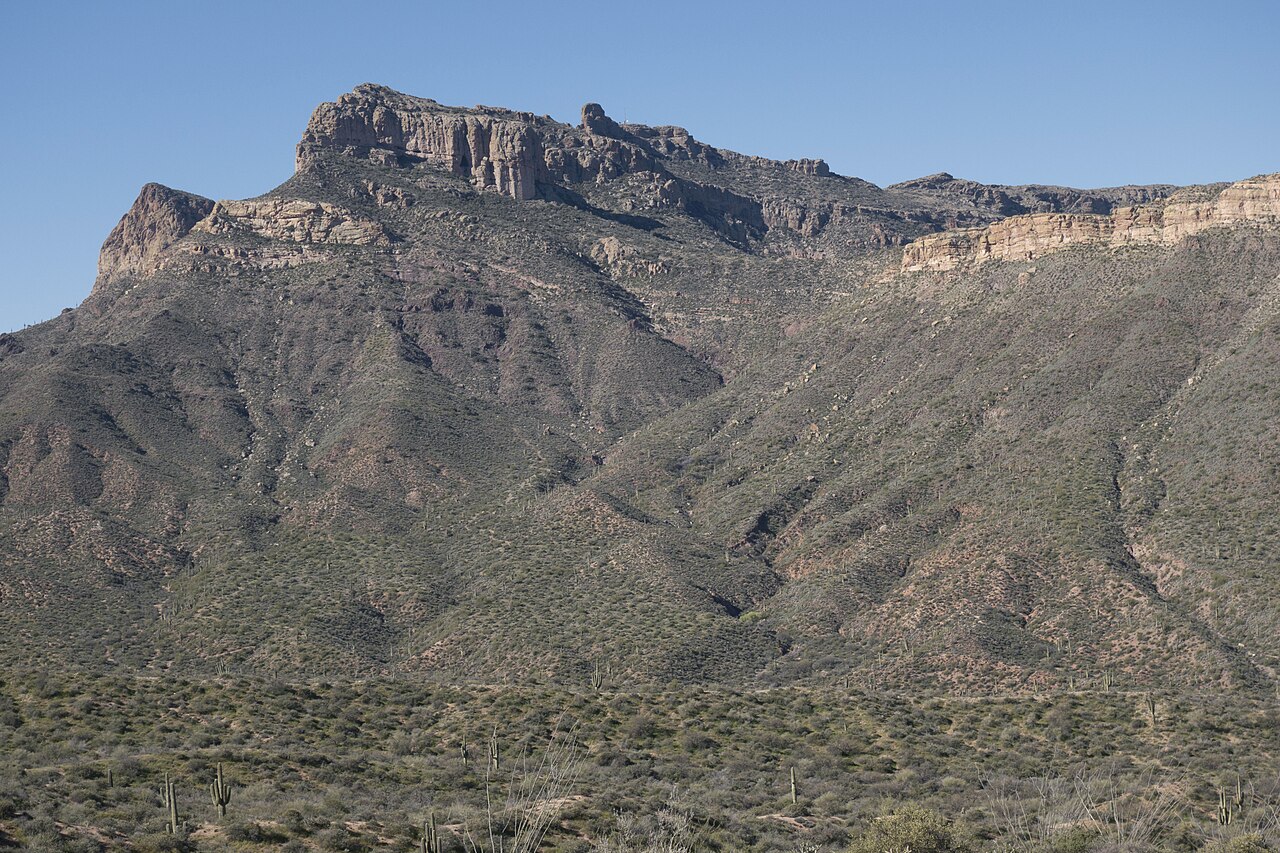
The Superstition Wilderness is a thriving ecosystem home to a surprising variety of wildlife. Birdwatchers can spot Gila woodpeckers, cactus wrens, and red-tailed hawks soaring above the cliffs. If you are observant, you might see javelinasâcollared peccaries that resemble small pigsâscurrying through the brush, or Gambel's quail darting between the creosote bushes. In the higher elevations and more remote canyons, mule deer and mountain lions roam, though the latter are elusive and rarely seen by visitors.
Early morning and dusk are the best times for wildlife sightings, as the desert heat causes many animals to remain dormant during the day. Reptiles are also common, including various species of rattlesnakes and Gila monsters. While these creatures are a natural part of the environment, it is important to keep a respectful distance and watch where you step. Bringing a pair of binoculars and a local nature guide can enhance your experience, helping you identify the unique adaptations of the plants and animals that call this rugged terrain home.
Rainy Day Activities and Lake Recreation
While rain is infrequent in the Arizona desert, the region does experience occasional downpours, particularly during the monsoon season. On rainy days, the Superstition Mountain Museum and the shops in nearby Apache Junction provide indoor alternatives to hiking. However, if the rain is light, visiting the lakes along the Salt RiverâCanyon, Saguaro, and Apache Lakesâcan be a unique experience. The sight of mist hanging over the desert peaks is a rare and beautiful occurrence that offers great photographic opportunities.
Canyon Lake offers the Dolly Steamboat, a narrated cruise that takes passengers through the secluded inner reaches of the lake. This is an excellent way to see the mountains from the water while staying dry. Even in fair weather, these lakes provide a refreshing contrast to the dry desert trails, offering opportunities for kayaking, paddleboarding, and fishing. The proximity of water to such an arid mountain range is one of the most striking features of the Central Arizona landscape, providing a vital resource for both wildlife and human recreation.