
Choosing the right season is crucial when planning an adventure in the Superstition Wilderness of Central Arizona. Because this region features high-desert terrain with extreme temperature fluctuations, your experience will depend heavily on the month you arrive. While the rugged peaks and golden canyons are accessible year-round, most travelers find that the cooler months offer the most comfortable conditions for exploring the technical trails and expansive desert floors that define this iconic American landscape.
Peak Season: Winter and Early Spring
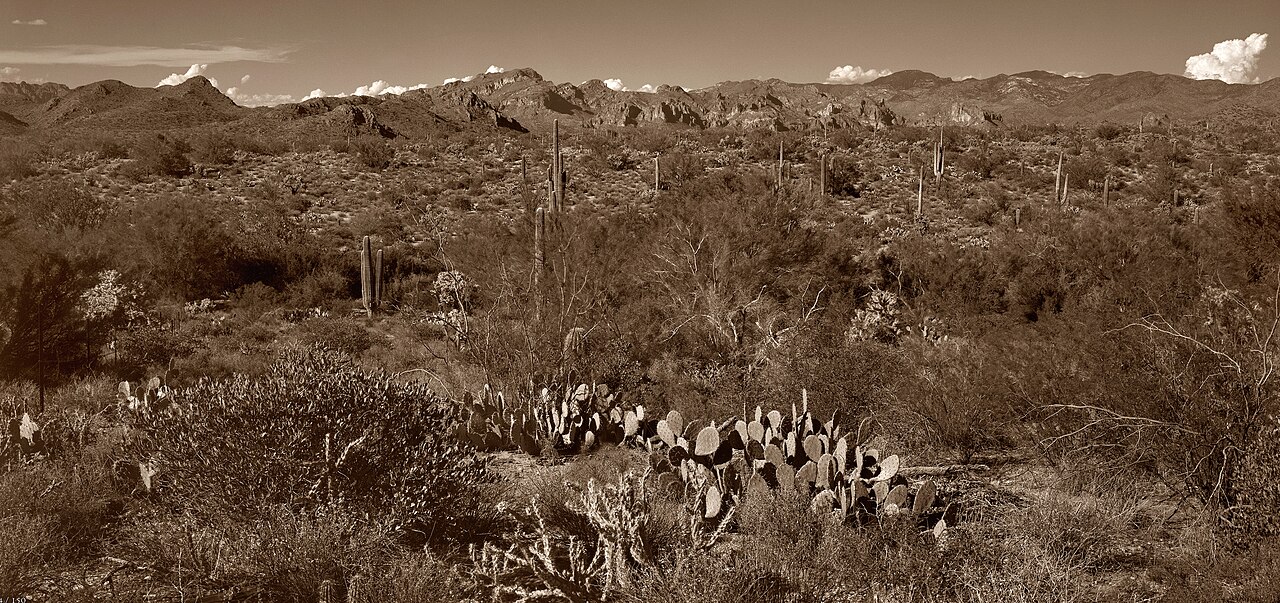
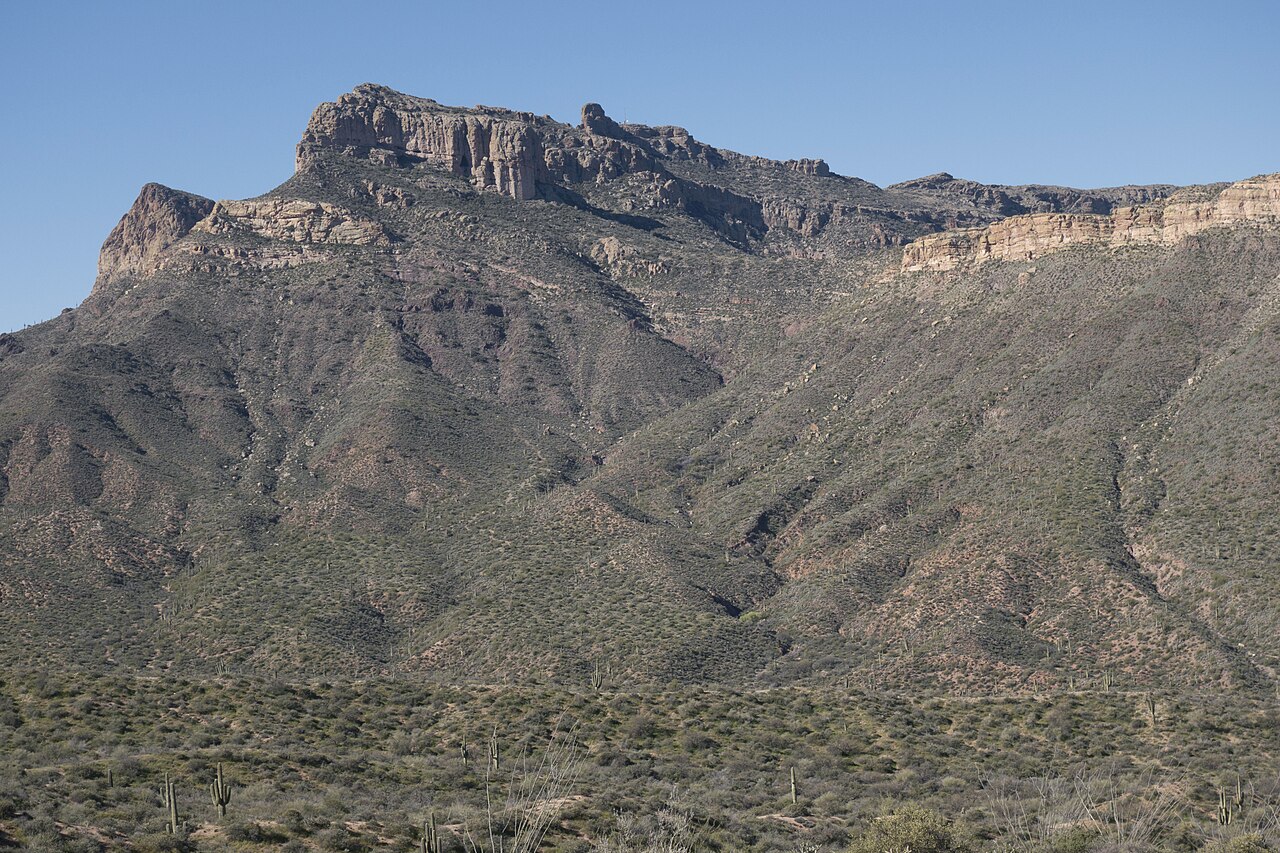
The window between October and April is widely considered the best time to visit Superstition Mountains. During these months, daytime temperatures typically hover between the 60s and 70s, providing perfect conditions for strenuous climbs like the Siphon Draw Trail. The winter air is crisp and clear, offering long-distance visibility that makes the rugged volcanic rock formations pop against the blue Arizona sky.
Spring, specifically March and April, brings a dramatic transformation to the desert floor. If the winter rains have been sufficient, the landscape erupts in a sea of yellow brittlebush, orange globe mallow, and purple lupine. This is the busiest time for the region, as hikers flock to see the blooms and enjoy the moderate weather before the intense heat of the Sonoran summer takes hold. Parking lots at popular trailheads like Peralta or First Water fill up early in the morning during these peak months.
Lock in a stay for this season
RV parks near Superstition Mountains on RoverPass
Partner link · RoverPass
Navigating the Summer Heat
Summer in the Superstition Mountains, spanning from May through September, is a season of extremes and is generally not recommended for long-distance hiking. Temperatures regularly soar above 100 degrees Fahrenheit, and the reflected heat from the dark volcanic rock can make the canyons feel significantly hotter than the surrounding desert. During these months, the sun is relentless, and shade is virtually non-existent on most of the major routes.
However, if you do visit in the summer, activities are best limited to very early morning or late evening. The desert comes alive in a different way at night, with nocturnal wildlife becoming active. Some visitors choose to drive the scenic Apache Trail (Highway 88) during the summer to enjoy the air-conditioned views of the mountains and the Salt River chain of lakes. Always prioritize hydration and sun protection, as the dry heat can lead to rapid dehydration even during short walks.
Lock in a stay for this season
Campsites near Superstition Mountains on Campspot
Partner link · Campspot
The Magic of the Monsoon Season
Late July through August marks the arrival of the North American Monsoon, bringing dramatic thunderstorms and localized flash flooding to the Central Arizona highlands. While the storms provide a welcome respite from the heat and turn the desert a vibrant green, they also present unique challenges for travelers. The sky often turns a deep charcoal color in the afternoons, followed by lightning displays that are spectacular to watch from a safe distance.
If you visit during this time, it is vital to check the weather forecast frequently. Flash floods can occur in dry washes miles away from where the rain is actually falling. The dusty trails can quickly become muddy and slick, making navigation difficult. For photographers, this is a prime season, as the post-storm light often creates incredible rainbows and dramatic shadows across the face of the Flatiron and Weaver's Needle, capturing the mysterious essence of the range.
Lock in a stay for this season
Harvest Hosts stays on the way to Superstition Mountains
Partner link · Harvest Hosts
Crowds and Reservation Timing
As the Superstition Mountains are located just east of the Phoenix metropolitan area, they are a popular weekend destination for locals and tourists alike. If you are planning to visit during the peak winter months, expect heavy traffic at the Lost Dutchman State Park and the Peralta Trailhead. Arriving at trailheads before 7:00 AM is often necessary to secure a parking spot on weekends. Weekdays are significantly quieter, offering a more solitary experience in the wilderness.
While the wilderness area itself does not require a reservation for day use, camping at nearby state parks or established campgrounds requires advance planning. During the spring bloom, sites can be booked months in advance. It is always recommended to check the official National Forest or State Park websites for current permit requirements, especially if you plan to do overnight backpacking in the backcountry where specific regulations regarding group size and campfire restrictions are strictly enforced.
Fall: The Quiet Transition
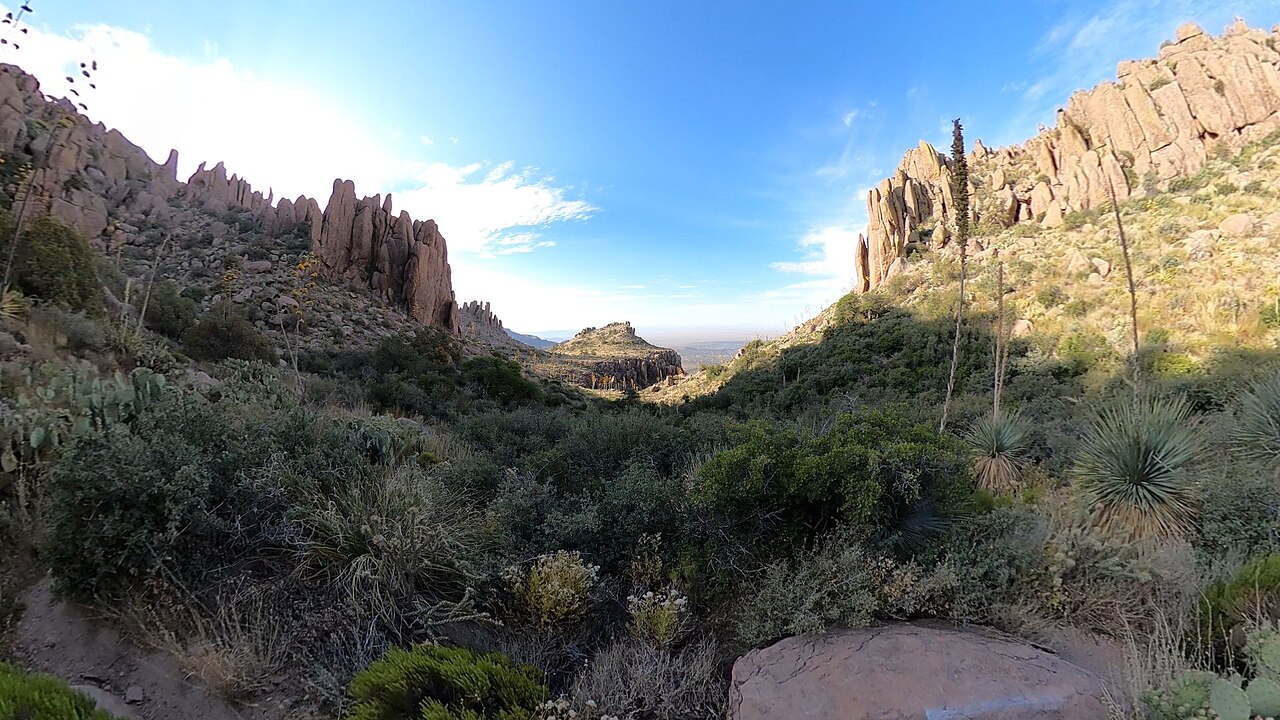
October and November represent a beautiful transition period in the Superstition Wilderness. As the summer heat finally breaks, the evening temperatures drop into a comfortable range for camping. The crowds have not yet reached their winter peak, making this an excellent time for those seeking solitude. The light during the fall is particularly golden, illuminating the dry grasses and the rugged textures of the mountain faces in a way that feels peaceful and ancient.
This is also an ideal time for long-distance backpacking loops through the inner canyons, such as the Charlebois Spring area. The water sources are often at their lowest during the fall, so hikers must be diligent about carrying enough water for their entire trip. The crisp autumn air makes the steep ascent to the ridgelines much more manageable than in the late spring, allowing for full days of exploration without the fatigue caused by high humidity or intense direct sun.
More ways to book Superstition Mountains
 Illustrative · Nicholas Hartmann
Weaver's Needle Viewpoint
One of the classic ways to experience Superstition Mountains.
Varies (estimate)
Partner link · Viator