
Smith Rock State Park is widely considered the birthplace of modern American sport climbing, but its appeal extends far beyond the climbing community. Whether you are looking to challenge your physical limits on vertical walls or simply enjoy a quiet walk along a winding river, this Central Oregon gem delivers. The park's unique geological formations, carved by the Crooked River and volcanic activity, provide a playground for hikers, photographers, and nature lovers. Every trail offers a new perspective on the towering basalt cliffs and the sweeping desert horizon.
Iconic Hiking on Misery Ridge
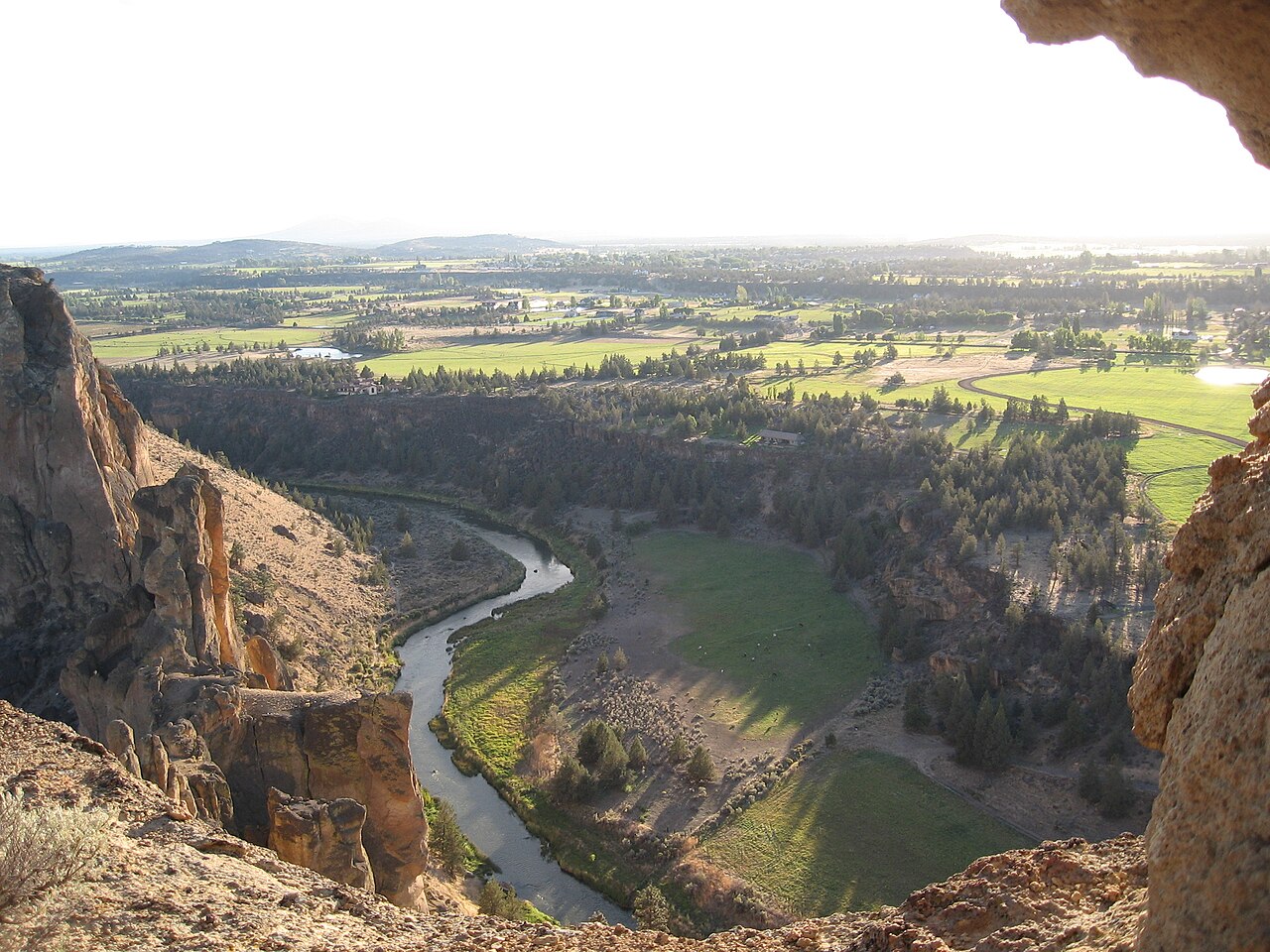
The Misery Ridge Loop is the definitive hiking experience at Smith Rock. Despite its intimidating name, the trail is a rewarding challenge that climbs steeply from the riverbank to the summit of the ridge. As you ascend the well-maintained switchbacks, you gain a bird's-eye view of the entire park, including the famous Monkey Face pillar. The summit offers a 360-degree panorama where, on clear days, you can see the snow-capped peaks of the Cascade Range, including Mount Hood, Mount Jefferson, and the Three Sisters.
The descent takes you past the back side of the monkey-shaped rock formation and down toward the river. This loop is roughly 3.7 miles but feels longer due to the elevation gain. It is essential to wear sturdy boots and bring plenty of water, as there is very little shade on the upper sections. For a less strenuous experience, the River Trail offers a flat, scenic alternative that hugs the water's edge, allowing you to watch climbers on the walls above while enjoying the sound of the flowing Crooked River.
World-Class Rock Climbing
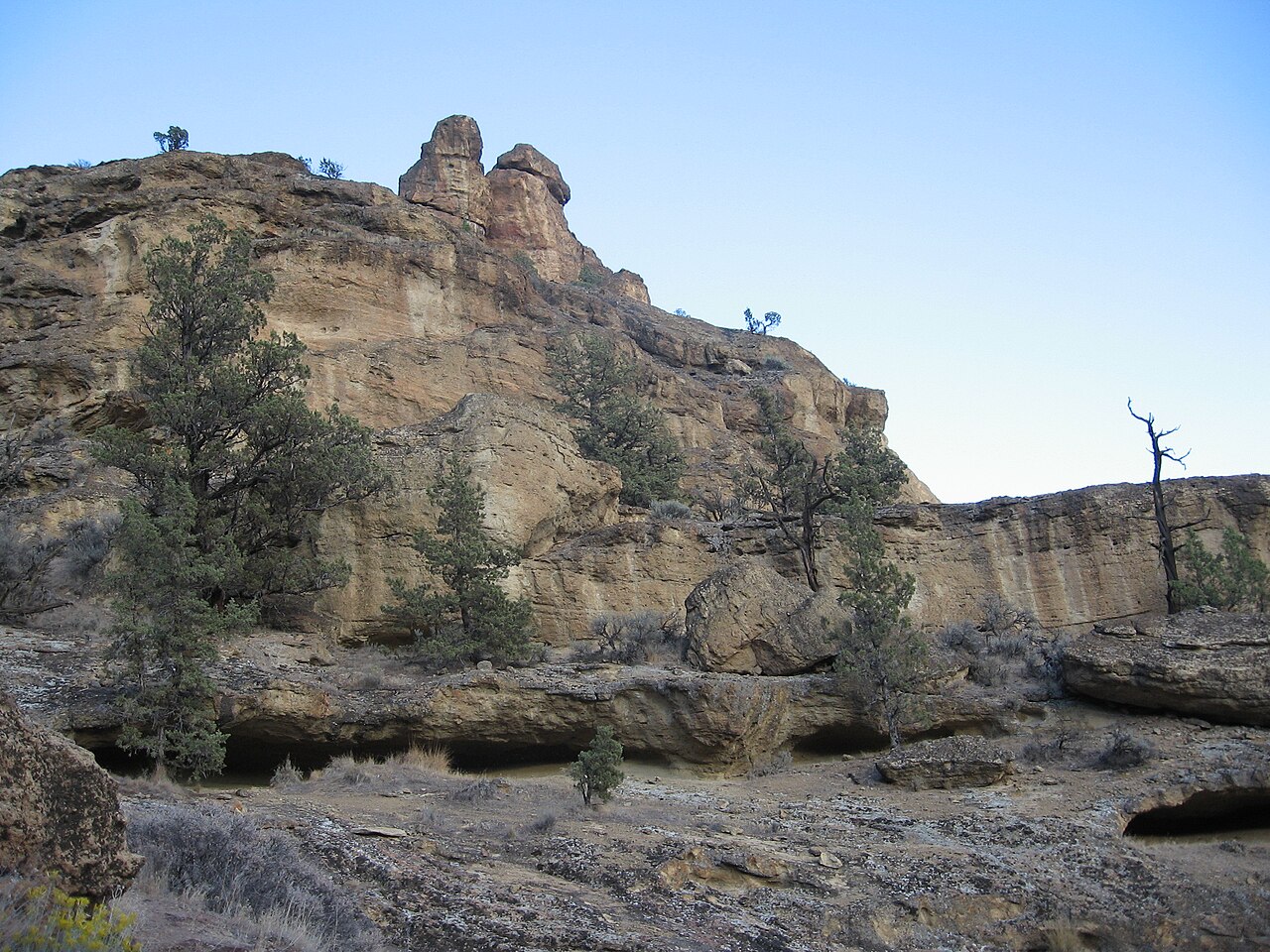
Smith Rock is a global pilgrimage site for rock climbers. With over a thousand bolted routes, it offers something for every skill level, from beginners to elite professionals. The volcanic tuff provides a unique climbing surface characterized by small 'crimps' and pockets, requiring technical precision. Areas like The Dihedrals and Morning Glory Wall are legendary for their vertical challenges. If you are new to the sport, several local guiding services offer introductory lessons that include all necessary gear and safety instruction.
For those who prefer to keep their feet on the ground, 'cragging' or watching the climbers is a popular pastime. You can see athletes navigating incredibly difficult overhangs just a few yards from the main trails. The climbing community here is generally welcoming and passionate, often sharing tips on the best routes. Because the park is so popular, it is important to follow leave-no-trace principles and respect any seasonal closures designed to protect nesting birds of prey, such as golden eagles and prairie falcons, which often inhabit the higher cliffs.
Wildlife Viewing and Bird Watching
The high desert ecosystem of Smith Rock is teeming with life if you know where to look. Bird watchers should bring their binoculars, as the park is a critical habitat for raptors. You can often spot red-tailed hawks, bald eagles, and the majestic golden eagle soaring on the thermals above the cliffs. The canyon walls provide ideal nesting sites, and the park rangers often provide information on which species are currently active.
Along the river, you might encounter mule deer drinking at dawn or dusk, and if you are lucky, you may spot a river otter playing in the currents. Small mammals like yellow-bellied marmots and Townsend's ground squirrels are frequently seen scurrying among the rocks near the trailheads. While sightings of larger predators like cougars are extremely rare, it is always wise to remain aware of your surroundings. The interplay between the arid desert uplands and the riparian river corridor creates a rich biodiversity that makes every hike a potential nature documentary in the making.
Family-Friendly Adventures
Smith Rock is a fantastic destination for families with children, provided you choose the right paths. The Canyon Trail is a great starting point, as it is relatively flat and wide, making it accessible for older strollers or younger walkers. Children often enjoy searching for the 'Monkey Face' from different angles along the trail, turning the hike into a fun visual scavenger hunt. The bridge crossing the Crooked River is another highlight, offering a safe place to watch the water and look for fish.
For a more educational experience, stop by the visitor center to learn about the area's volcanic history. The interactive displays explain how ash and lava created the colorful rock layers seen today. Remember that the high desert sun can be harsh on little ones, so planning activities for the early morning and packing extra snacks and sunscreen is key. There are several picnic areas near the parking lots where families can relax and enjoy a meal with a million-dollar view of the towering cliffs without having to hike deep into the backcountry.
Rainy Day Alternatives and Sightseeing
While Central Oregon is known for its sunshine, occasional rain clouds do roll in. If the trails are too muddy or slippery, you can still enjoy the beauty of the park from several scenic overlooks accessible by car near the main entrance. These viewpoints offer stunning vistas of the Crooked River winding through the basalt gorge. If outdoor activity is totally rained out, the nearby town of Redmond offers indoor bouldering gyms where you can still get a climbing fix in a controlled environment.
Another great rainy-day option is to take a scenic drive through the surrounding Deschutes County countryside. You can explore the local agricultural history or visit nearby geological wonders like the Peter Skene Ogden State Scenic Viewpoint, which offers a dramatic look at a deep canyon carved by the same river system. The proximity to the city of Bend also means you are never far from museums, art galleries, and cozy cafes where you can wait out the storm while still enjoying the high desert atmosphere. Always check the official NPS or state park site for current weather alerts and trail conditions before heading out.