
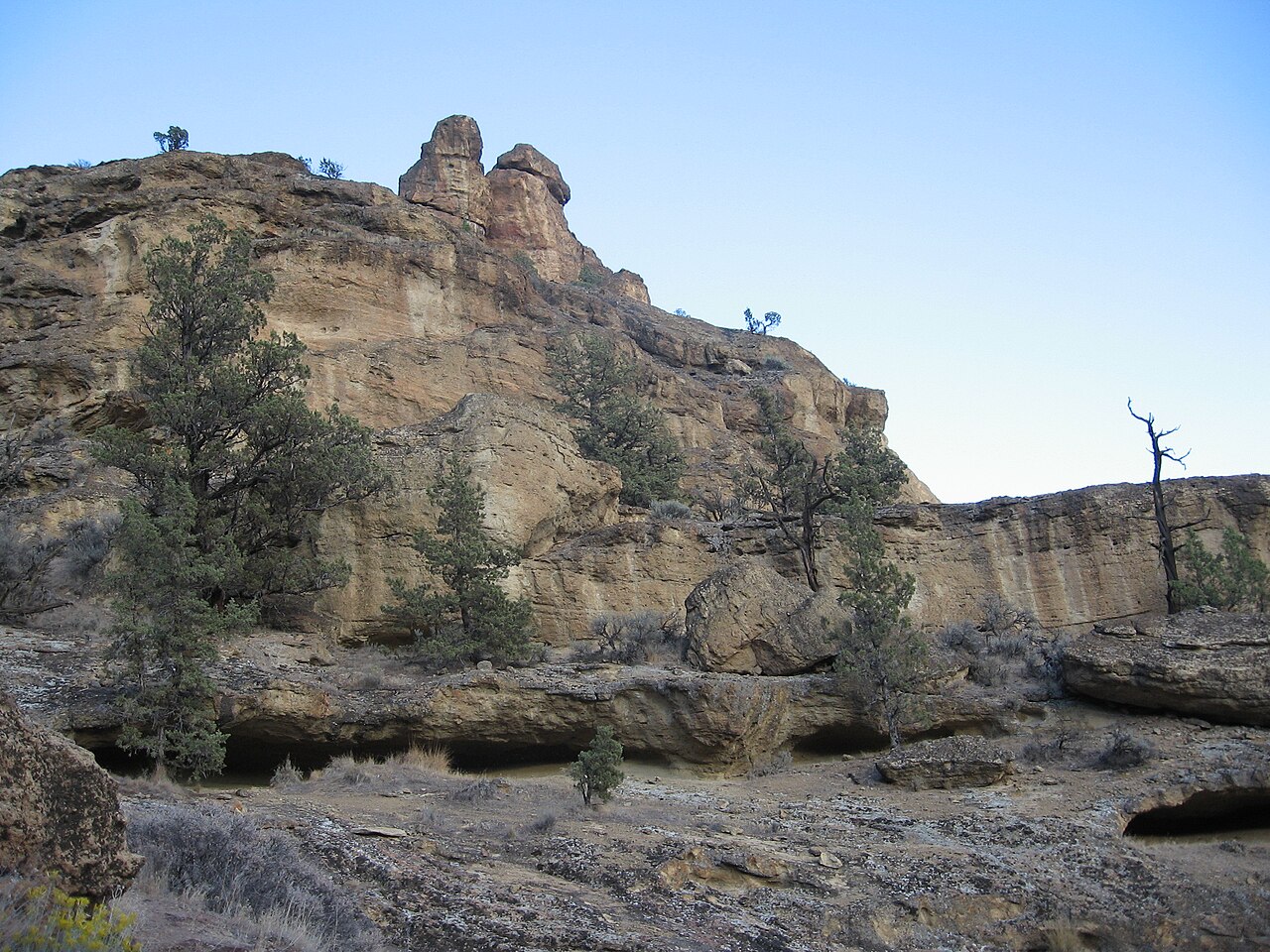
Located in the high desert of Central Oregon, Smith Rock State Park is a year-round destination, but the timing of your visit significantly impacts your experience. The dramatic volcanic tuff spires react intensely to the changing seasons, shifting from snow-dusted silhouettes in winter to sun-drenched monoliths in mid-summer. Understanding the local climate is essential for anyone planning to scale the famous Monkey Face or hike the steep switchbacks of Misery Ridge. Generally, visitors find that late spring and early fall offer the most reliable conditions for outdoor adventure.
Springtime Bloom and Fresh Air
Spring is widely considered the best time to visit Smith Rock for hikers and climbers alike. From March through May, the high desert begins to wake up with vibrant displays of wildflowers and the return of migratory birds. Temperatures are typically mild, often hovering between the 50s and 60s, which is ideal for strenuous physical activity. You will avoid the punishing heat that characterizes the summer months, allowing for all-day explorations without the risk of overheating.
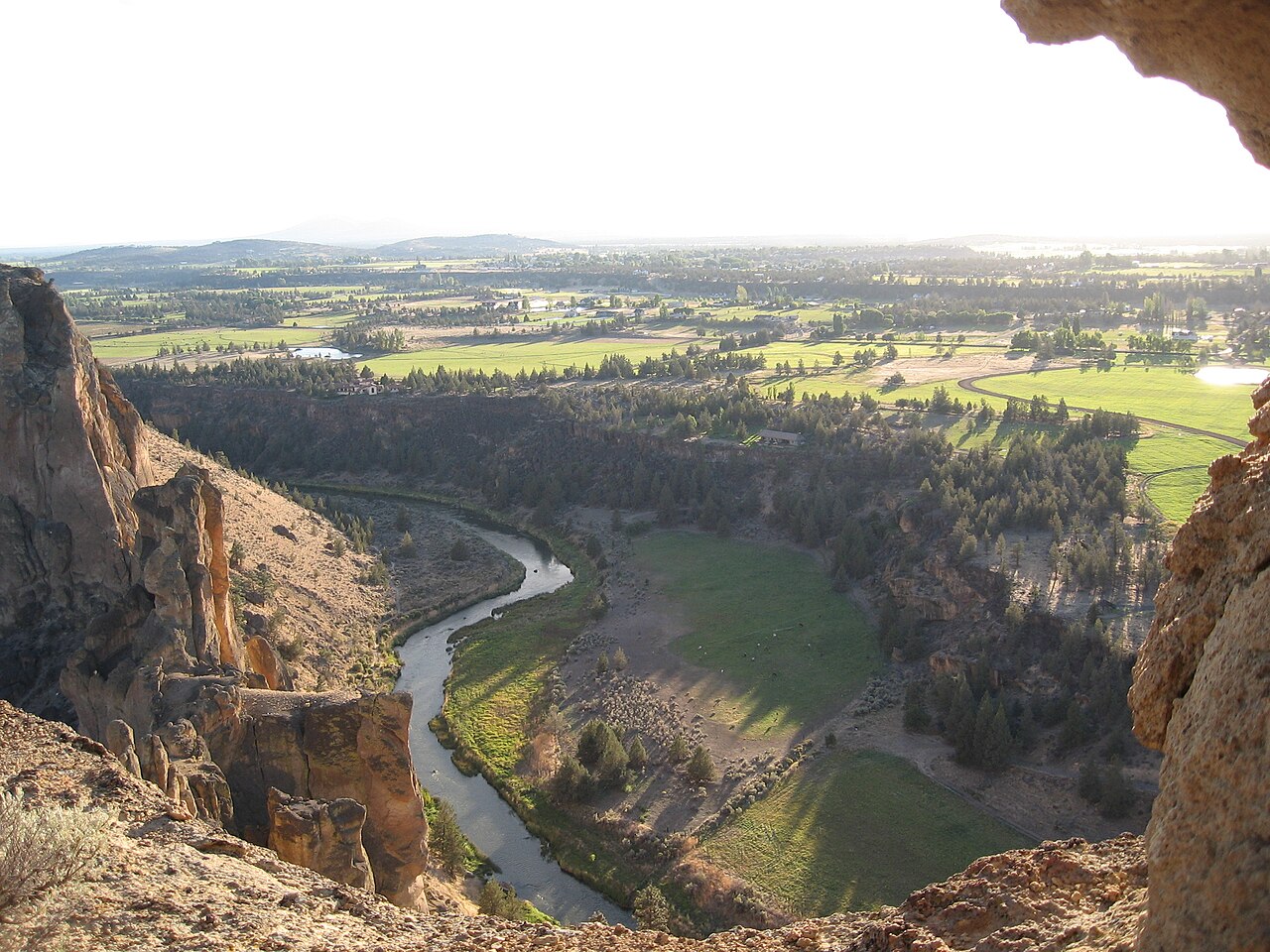
However, spring in Oregon is famously unpredictable. You should be prepared for sudden rain showers or even a late-season dusting of snow. The Crooked River, which winds through the canyon, often runs high during this time due to snowmelt from the nearby Cascade Range. This creates a lush, green landscape that contrasts beautifully with the deep oranges and reds of the rock faces. Because this is a peak season, popular trailheads can fill up quickly on weekends, so arriving early is a must.
Summer Sun and High Desert Heat
Summer brings consistent sunshine and clear blue skies, making it a favorite for photographers and vacationers. From June to August, the park experiences its warmest weather, with temperatures frequently climbing into the 80s or 90s. While this is great for evening strolls along the River Trail, mid-day sun can be intense. The rock surfaces absorb heat, which can make climbing difficult during the afternoon hours. Serious adventurers often start their day at sunrise to finish their most difficult tasks before the heat peaks.
During the summer, the park becomes a bustling hub of activity. You can expect to see families, professional climbers, and sightseers sharing the main thoroughfares. If you plan to visit during these months, hydration is your top priority. The dry air means you may not realize how much moisture you are losing. Despite the heat, the low humidity keeps the air feeling crisp rather than muggy. Always check the official NPS or state park site for any fire restrictions that may be in place during the dry season.
Autumn Gold and Perfect Friction
Many locals argue that autumn is the true prime season for Smith Rock. As September turns to October, the intense summer heat fades into crisp, cool mornings and comfortable, sunny afternoons. For rock climbers, this is 'sending season,' as the cooler temperatures provide better friction on the volcanic rock. The cottonwood trees lining the Crooked River turn a brilliant golden yellow, providing a stunning visual contrast to the vertical basalt and tuff walls.
The crowd levels begin to taper off slightly compared to the mid-summer rush, though weekends remain popular. The weather is generally stable and dry, which is perfect for long-distance hiking or multi-pitch climbing routes. As the days grow shorter, the 'golden hour' light becomes even more dramatic, casting long shadows across the canyon. It is important to bring layers during this time, as the temperature can drop rapidly once the sun dips behind the canyon walls. By late November, the first signs of winter begin to appear, signaling a transition to a much quieter park.
Lock in a stay for this season
Harvest Hosts stays on the way to Smith Rock
Partner link · Harvest Hosts
Winter Solitude and Snowy Peaks
Winter at Smith Rock offers a completely different perspective for those willing to brave the cold. From December through February, the park sees significantly fewer visitors, offering a sense of solitude that is hard to find during the rest of the year. The jagged peaks are often topped with a layer of white snow, creating a serene, monochrome landscape. While hiking trails can become icy or muddy, the lower River Trail usually remains accessible for those with proper footwear.
Temperatures often stay in the 30s or 40s during the day and drop well below freezing at night. Climbing is still possible on south-facing walls that catch the winter sun, but it requires careful planning and plenty of warm gear. The lack of foliage means you have a better chance of spotting wildlife, such as golden eagles or mule deer, against the stark canyon backdrop. Facilities like the bivy campground may have limited services or closures during the coldest months, so always verify current conditions on the official park website before traveling.
Crowd Mitigation and Reservations
Because Smith Rock is one of the most iconic destinations in Oregon, managing your expectations regarding crowds is vital. During the peak months of May, June, September, and October, the main parking lots often reach capacity by 10:00 AM. To ensure a peaceful experience, consider visiting on a Tuesday or Wednesday. Planning your trip around mid-week not only guarantees easier parking but also provides a more intimate connection with the landscape.
Currently, Smith Rock operates on a day-use fee system, which can be paid at automated stations. While the park does not generally require advanced entry reservations for hikers, the walk-in bivy campground operates on a first-come, first-served basis and fills up almost every night during the spring and fall. If you are looking for more structured lodging, you should book nearby accommodations in Terrebonne or Redmond several months in advance. Always keep an eye on the official park social media or website for updates on temporary closures for raptor nesting, which can affect access to certain climbing routes during the spring.
More ways to book Smith Rock
 Illustrative · Larry D. Moore
Crooked River Trail
One of the classic ways to experience Smith Rock.
Varies (estimate)
Partner link · Viator