
For those who love the idea of sleeping under the stars but prefer a real mattress and a warm shower, Shenandoah Valley glamping offers the perfect middle ground. The region surrounding Shenandoah National Park has become a premier destination for luxury outdoor stays, ranging from high-end safari tents to refurbished vintage Airstreams and geodesic domes. Staying just outside the park boundaries allows you to enjoy the comforts of a boutique hotel while remaining steps away from the rugged beauty of the Virginia wilderness.
What to Expect from a Glamping Stay
Glamping in the valley is designed to connect you with nature without the 'roughing it' aspect of traditional camping. Most sites feature permanent structures or heavy-duty canvas tents set on wooden platforms. Inside, you will typically find comfortable queen or king-sized beds with high-quality linens, electricity for charging devices, and often small kitchenettes or coffee stations. Some of the more luxurious options even include private bathrooms with hot water, while others offer high-end shared facilities that are a significant step up from standard campground bathhouses.
Outdoor spaces are a major focus, with private decks, fire pits, and comfortable seating designed for stargazing. Many glamping sites are located on private farms or forested acreage in gateway towns like Luray, Stanley, and Harrisonburg. This positioning provides a sense of seclusion and privacy that can be hard to find in the parkâs busy public campgrounds. Prices for these stays vary widely depending on the level of luxury, but you should generally budget for rates comparable to a mid-to-high-end boutique hotel.
Yurts and Domes Near the Blue Ridge
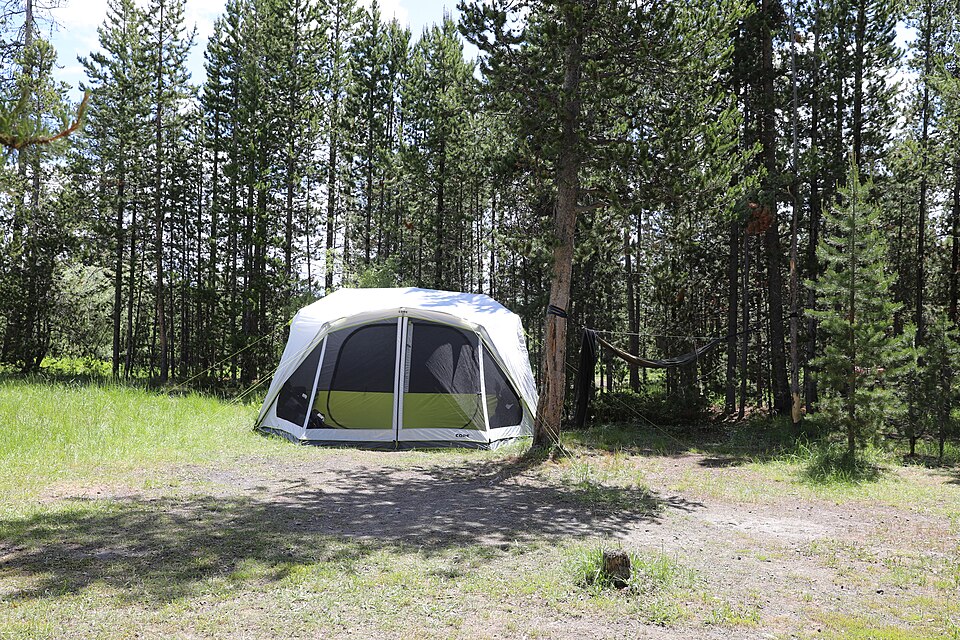
One of the most popular forms of Shenandoah Valley glamping is the yurt. These circular, wood-framed structures are inspired by traditional nomadic dwellings but outfitted with modern amenities. They are particularly well-suited for the valleyâs climate, as they are sturdy enough to handle mountain winds and often come equipped with heating or air conditioning, making them a viable option for three-season travel. You can find these tucked into the woods near the Thornton Gap entrance or overlooking the Shenandoah River.
Geodesic domes have also become a trend in the area, offering a futuristic aesthetic with large panoramic windows that let you wake up to the sunrise over the mountains. These structures often feature lofted sleeping areas and modern, minimalist interiors. Because these sites are often located on family-owned land or small resorts, they provide a more intimate experience than a large hotel. They are perfect for couples looking for a romantic retreat or solo travelers seeking a quiet space to unplug and recharge surrounded by the sounds of the forest.
Safari Tents and Vintage Trailers
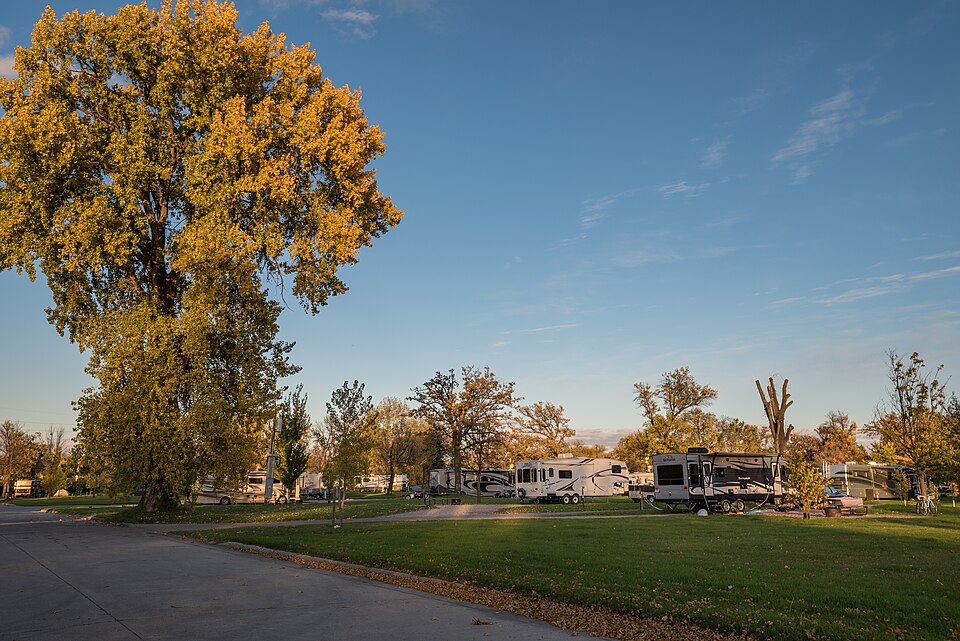
For a classic 'out of Africa' feel in the heart of Virginia, many glamping sites offer large safari-style canvas tents. These are typically open during the warmer months, from late spring through early fall. They provide a unique sensory experience, allowing you to hear the rustle of leaves and the song of the wood thrush through the canvas walls while you remain tucked into a cozy bed. Many of these sites are located near the South Fork of the Shenandoah River, offering easy access to kayaking and tubing.
If you prefer a bit of nostalgia, look for sites featuring vintage trailers or Airstreams. These have been meticulously restored with a retro-chic vibe and often include private outdoor 'living rooms' with hammocks and Edison bulb lighting. These options are particularly popular near the northern end of the valley in Front Royal. They offer a self-contained experience with private bathrooms and kitchens, making them a great choice for those who want total independence during their stay. Regardless of the style, these accommodations fill up quickly during the fall foliage season, so early booking is essential.
Glamping vs. Camping vs. RVs
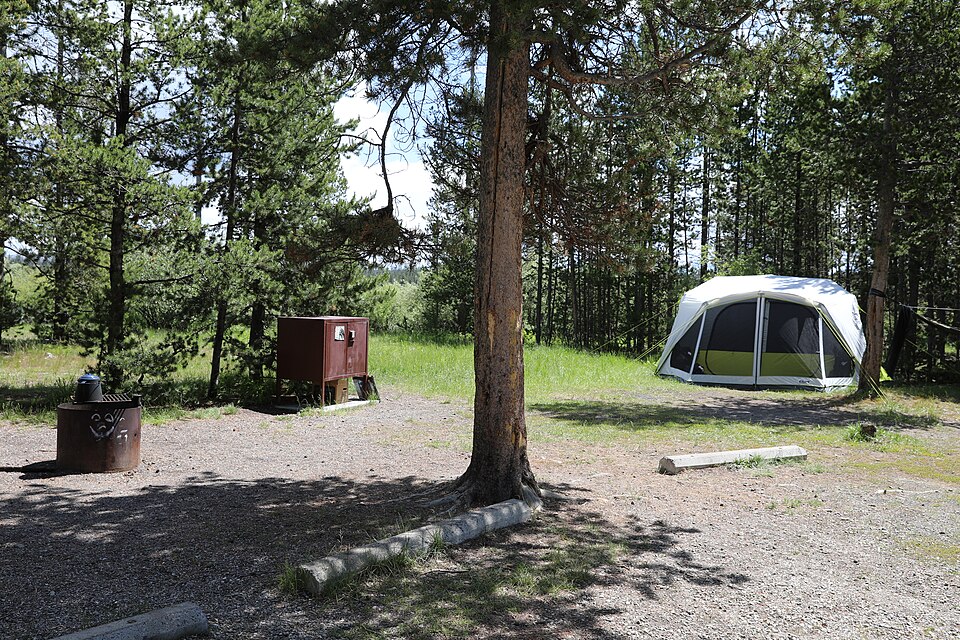
Deciding between glamping and other forms of accommodation depends on your desired level of convenience. Traditional camping in Shenandoah National Park is budget-friendly and puts you right on the trailheads, but requires you to bring and set up all your own gear. RVing offers the benefit of your own kitchen and bathroom, but navigating the narrow, winding turns of Skyline Drive in a large rig can be stressful for some drivers. Glamping removes the logistical burden of hauling gear while providing a more immersive outdoor experience than a standard hotel.
Furthermore, glamping sites often provide amenities that campgrounds don't, such as pre-chopped firewood, artisanal breakfast baskets, and high-speed Wi-Fi. However, it is important to note that most glamping sites are located outside the official park boundaries, meaning you will have a short drive to reach the park entrances each morning. For those who want the best of both worldsâadventure by day and luxury by nightâglamping is an ideal solution. Always check the specific pet policies of glamping hosts, as many allow dogs but may require an additional cleaning fee.
Planning Your Luxury Outdoor Escape
When booking your Shenandoah Valley glamping trip, consider the timing of your visit carefully. While some cabins and yurts are open year-round, many canvas tent sites close during the winter months when temperatures drop below freezing. Late spring and early fall are the most comfortable times to stay in a non-insulated structure. Be sure to read the descriptions carefully to see if your chosen site includes a private bathroom or if you will be using a shared facility, as this can vary significantly between properties.
Budgeting for a glamping trip should include not just the nightly rate, but also the cost of park entrance fees and meals. Since many glamping sites are located a bit further from town centers, you might want to stop at a local market in Waynesboro or Harrisonburg to stock up on supplies for your fire-pit cookouts. As always, check the official NPS website for the most up-to-date information on park conditions and hiking trail status to ensure you can make the most of your mountain getaway. Whether youâre in a dome, a yurt, or a tent, the valleyâs beauty is sure to make for an unforgettable stay.