
The Shenandoah Valley follows the classic rhythm of the Mid-Atlantic, offering four distinct seasons that each bring a new personality to the Blue Ridge Mountains. Choosing the best time to visit Shenandoah Valley depends largely on whether you are chasing the legendary autumn colors, looking for cool mountain breezes in the heat of summer, or seeking the quiet solitude of a winter forest. Because weather can change rapidly at higher elevations, checking the official National Park Service site for current conditions is always a smart first step before heading out.
Fall Foliage and Peak Crowds
Autumn is arguably the most famous season in the valley, usually peaking in mid-to-late October. During this window, the hardwood forests turn brilliant shades of crimson, gold, and orange, drawing visitors from across the country to drive the length of Skyline Drive. This is the busiest time of year, meaning you should plan to make lodging and campsite reservations several months in advance.
Traffic on popular weekends can be heavy, especially at the northern Thornton Gap and Front Royal entrances. To enjoy the colors with fewer crowds, try visiting on a Tuesday or Wednesday. The air is crisp and cool, perfect for strenuous hikes like Old Rag, but be prepared for nighttime temperatures that can drop toward freezing. Even if you miss the absolute peak, the late fall offers better visibility through the thinning trees, allowing for expansive views of the valley floor that are often obscured by summer haze.
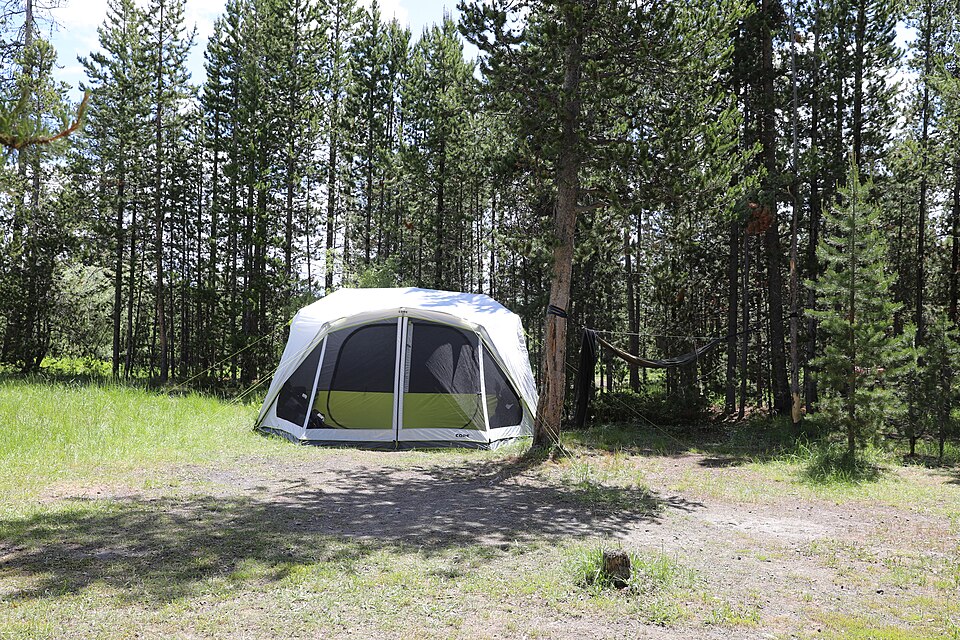
Lock in a stay for this season
RV parks near Shenandoah Valley on RoverPass
Partner link · RoverPass
Spring Blooms and Rushing Waterfalls
Spring is a time of rebirth and is often considered the best time to visit Shenandoah Valley for hikers who love water features. As the winter snow melts and spring rains arrive, the park's many waterfalls, such as Overall Run and Dark Hollow Falls, flow with their greatest intensity. The forest floor awakens with a carpet of wildflowers, including trilliums, wild geraniums, and pink lady's slippers, typically starting in April at lower elevations and moving upward by late May.
While the weather can be unpredictable with frequent rain showers, the lush green canopy is incredibly vibrant. Birdwatchers also flock to the region during this time to witness the spring migration of warblers and other songbirds. Crowds are much thinner than in the fall, making it easier to find parking at popular trailheads. However, be sure to pack layers, as the mountain air remains chilly long after the valley floor has warmed up.
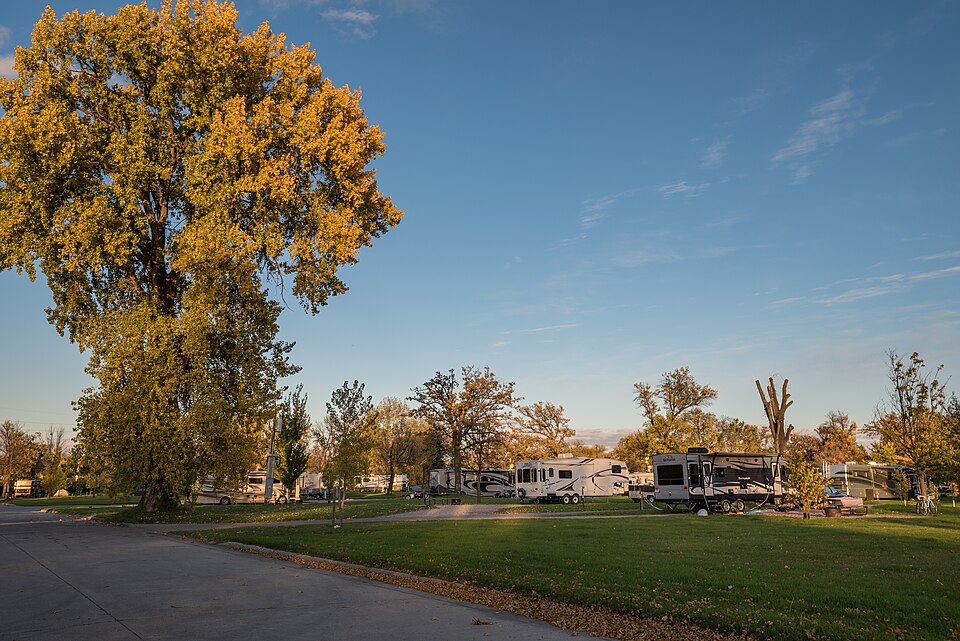
Lock in a stay for this season
Campsites near Shenandoah Valley on Campspot
Partner link · Campspot
Summer Sunsets and Mountain Breezes
When the humidity and heat become oppressive in Washington D.C. or Richmond, the Shenandoah Valley offers a welcome escape. Temperatures on the ridges are often 10 degrees cooler than in the surrounding lowlands, providing a natural refuge for outdoor enthusiasts. Summer is the prime season for camping and evening programs led by park rangers. The long daylight hours allow for extended treks and leisurely picnics at overlooks like Big Meadows.
During June and July, the mountain laurel and rhododendrons bloom, adding splashes of white and pink to the green hillsides. While summer is popular for families on vacation, the sheer size of the valley allows for plenty of space if you venture off the most famous paths. Be aware that afternoon thunderstorms are common; they usually pass quickly but can make rocky trails slippery. It is also the best time for spotting black bears, who are active and frequently seen foraging near the roadsides and meadows.
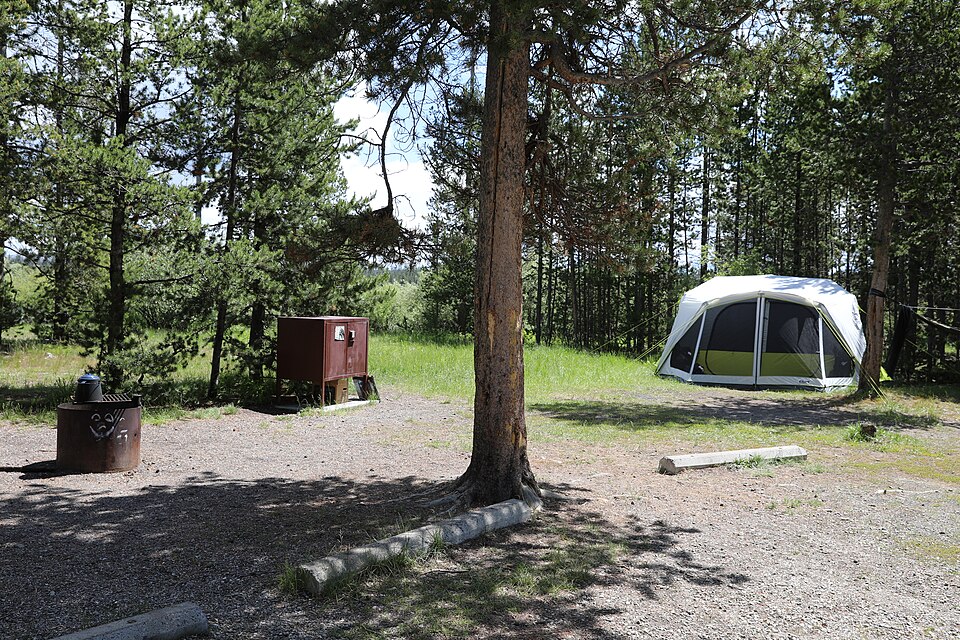
Lock in a stay for this season
Harvest Hosts stays on the way to Shenandoah Valley
Partner link · Harvest Hosts
Winter Solitude and Clear Vistas
Winter in the Shenandoah Valley is for those who appreciate quiet and stark, dramatic landscapes. Once the leaves have fallen, the geological features of the Blue Ridgeâsuch as the massive basalt columns and rock outcropsâare fully revealed. On clear, cold days, the visibility is unparalleled, allowing you to see for dozens of miles across the Piedmont and into the Alleghenies. It is the least crowded season, offering a sense of true wilderness that is hard to find at other times of the year.
However, winter travel requires flexibility. Portions of Skyline Drive frequently close due to ice and snow, and many facilities, including visitor centers and lodges, operate on reduced schedules or close entirely for the season. If you plan a winter trip, monitor the NPS alerts closely. For those prepared with the right gear, winter hiking provides a peaceful experience, though you should be wary of ice on the trails. Nearby towns like Staunton and Harrisonburg remain lively with indoor attractions and cozy dining options.
Reservation Timing and Planning
Because the Shenandoah Valley is a premier destination in the Eastern United States, timing your logistics is just as important as timing the weather. For peak fall weekends, campground and lodge reservations often fill up six months out. If you are looking for a last-minute getaway, late spring or early summer mid-week slots are your best bet. Always check the official park website for reservation windows, especially for the highly sought-after sites at Big Meadows or Loft Mountain.
Budget-wise, visiting during the 'shoulder' seasons of early spring or late autumn can sometimes result in lower rates at hotels in gateway towns like Luray or Waynesboro. Entry fees are required for the National Park year-round, though there are several fee-free days throughout the year. Regardless of when you go, arriving early in the morning at park entrances will save you time spent idling in vehicle queues and ensure you find a spot at the most popular trailheads before they fill up for the day.

More ways to book Shenandoah Valley
 Illustrative · APK
Blue Ridge Parkway Drive
One of the classic ways to experience Shenandoah Valley.
Varies (estimate)
Partner link · Viator