
Sequoia glamping usually means staying outside the national park in a furnished tent, cabin-style rental, or another outdoor-focused accommodation with more comfort than a basic campsite. The important choice is not just the bed: it is the elevation, bathroom setup, and driving time to the giant-tree groves. Start your search near Three Rivers for southern park access, then compare amenities carefully before assuming a listing offers hotel-style heating, cooling, or private facilities.
What Glamping Looks Like Near Sequoia
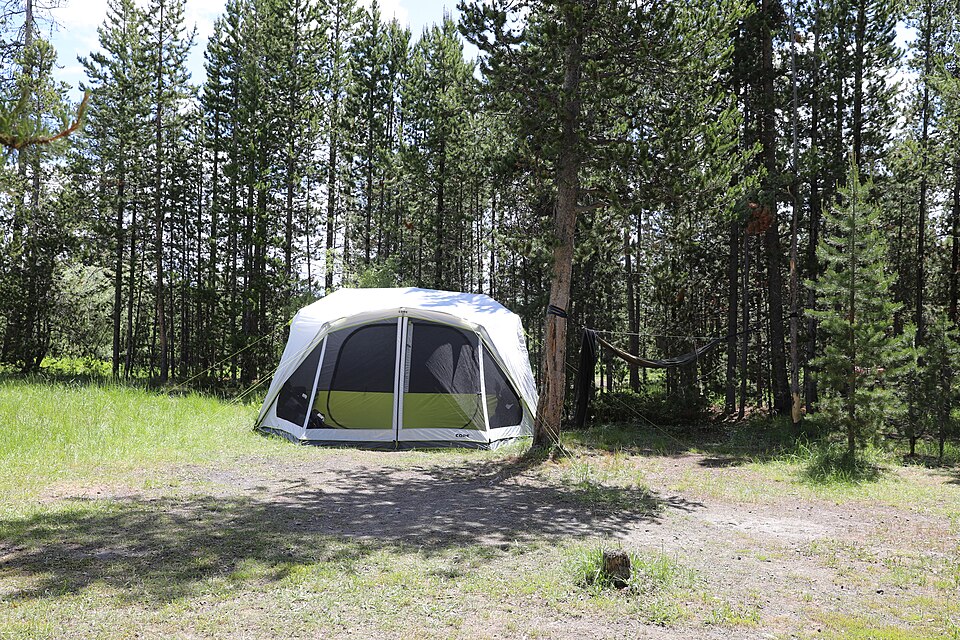
Glamping is a broad marketing term, not a standard set of amenities. Around Sequoia’s gateways, look for furnished tents, small cabins, or similar stays that combine an outdoor setting with a real bed and some basic conveniences. A canvas tent with shared bathrooms is a different experience from an insulated cabin with a kitchen, even if both appear in the same search results.
Read the listing for heating, air-conditioning, electricity, potable water, bedding, and bathroom distance. Ask whether the accommodation is suitable for your travel season and whether cooking is permitted. Do not assume a glamping stay is inside the park or within walking distance of sequoia groves; most searches will include outside-park accommodations.
Where to Search: Three Rivers and Other Gateways
Three Rivers is the natural starting point for a southern-entrance stay, with a foothill setting outside the park. A property near the entrance can still be a substantial winding drive from Giant Forest, so compare the full route to your planned trailheads rather than distance to the park boundary alone.
Visalia and Fresno can work for arrival nights or travelers prioritizing urban services, but they add driving to mountain sightseeing days. If you are also visiting Kings Canyon, you might consider the northern gateway area around Grant Grove and communities along Highway 180, while checking how that location changes your Sequoia plans. Choose the gateway first, then evaluate individual listings and road access.
Choose the Season for Your Sleeping Setup
June through September generally makes mountain sightseeing easier, but lower-elevation glamping near Three Rivers can be hot in summer. A furnished tent without cooling may feel very different from the forest temperatures you experience during the day. Shade, ventilation, and the property’s elevation matter as much as attractive photos.
Spring and fall can suit a foothill stay, with cooler nights and potentially quieter surroundings, but mountain snow may limit some excursions. Winter tent stays require especially careful attention to heating and weather exposure. Ask about seasonal availability and cancellation terms, and check the official NPS website for current conditions and park reservations. Accommodation availability does not mean all park roads or trails are open.
Where to sleep
Harvest Hosts stays on the way to Sequoia National Park
Partner link · Harvest Hosts
What to Pack for a Comfortable Stay
Bring layers for the contrast between warm foothills and cooler mountain forests, plus a rain shell and comfortable walking shoes. A headlamp is useful even at a furnished property, especially when bathrooms or parking are separate from your sleeping space. Pack refillable water bottles, sun protection, insect repellent, and downloaded maps for areas with limited reception.
Confirm what the host supplies before packing towels, bedding, cookware, or a cooler. Ask about food storage and follow both property instructions and park requirements during outings. Do not bring firewood from home; check local sourcing guidance and current fire restrictions. For cold-season travel, verify whether your vehicle needs chains and whether the accommodation has reliable heating appropriate to expected conditions.
Glamping vs. Camping vs. an RV Stay
Glamping suits travelers who want an outdoor setting without carrying a complete sleeping setup, but convenience varies widely. Basic camping usually requires more equipment and preparation, while an RV provides a familiar sleeping space but adds vehicle-size and road-access considerations. Inside-park camping may reduce commuting, though campground locations and seasonal availability differ.
Compare total costs as rough estimates, including cleaning charges, taxes, bedding fees, fuel, and any kitchen access that could reduce meal spending. Glamping often costs more than a basic campsite, but it does not automatically offer more space or better park access. For RVs, check official road advisories and campsite dimensions before booking. Choose based on driving time, comfort needs, and the facilities you will actually use.