
June through September is the most practical window for a first visit to Sequoia National Park, especially if you want mountain hikes, giant-tree walks, and access to higher elevations. Spring and fall can offer quieter days, but snow and changing road conditions make flexibility important, while winter brings a very different forest experience. Choose your dates around the elevations you want to explore, not just the weather forecast for nearby Three Rivers.
Spring: Green Foothills, Snowy Mountain Forests
Spring arrives at different times across Sequoia. The lower foothills warm first, with green hillsides and possible wildflowers, while the Giant Forest can still have substantial snow. March and April are better suited to flexible sightseeing than a firm list of high-elevation hikes. By late spring, more routes may become accessible, but snowmelt and lingering ice can affect trails.
Expect warmer afternoons near Three Rivers and much colder conditions among the sequoias. Weekends and school breaks can still draw visitors, even before summer. Pack layers and waterproof footwear, and check the official NPS website for road restrictions, trail conditions, and seasonal facility openings before traveling uphill.
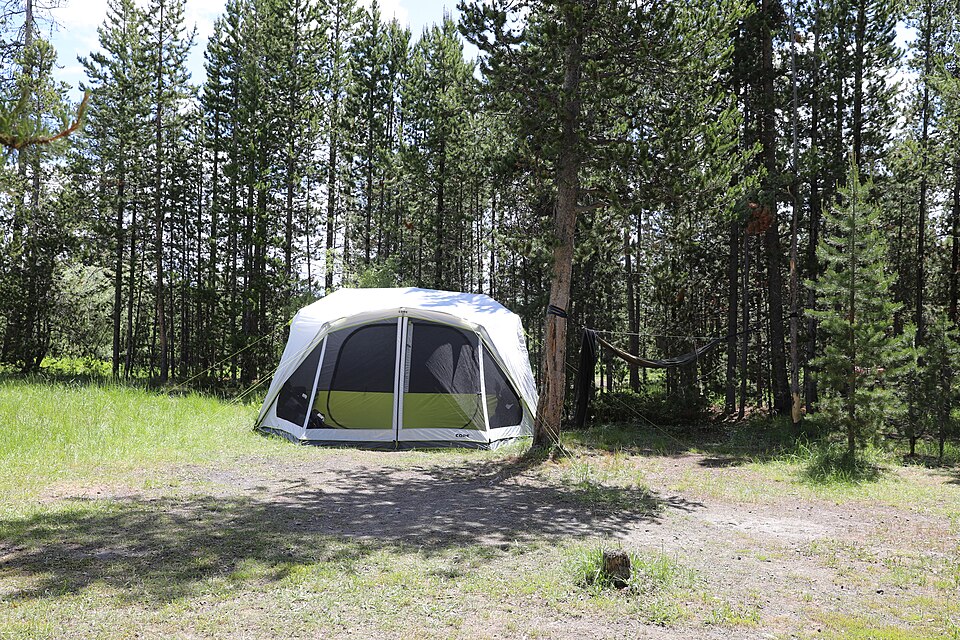
Lock in a stay for this season
RV parks near Sequoia National Park on RoverPass
Partner link · RoverPass
Summer: Broadest Access and Busiest Days
June through September generally provides the broadest access to Sequoia’s mountain attractions, although early June can still bring snow on higher trails. Giant Forest days are often comfortable for walking, while the foothills can be hot. Afternoon thunderstorms are possible in summer, so start longer hikes early and reconsider exposed destinations when storms threaten.
This is also the busiest season. Popular parking areas around General Sherman and other major stops can fill, particularly on weekends and holidays. Stay nearby, leave early, and group activities by area to reduce driving. Check whether seasonal park shuttles are operating and confirm current routes rather than assuming every attraction has shuttle access.
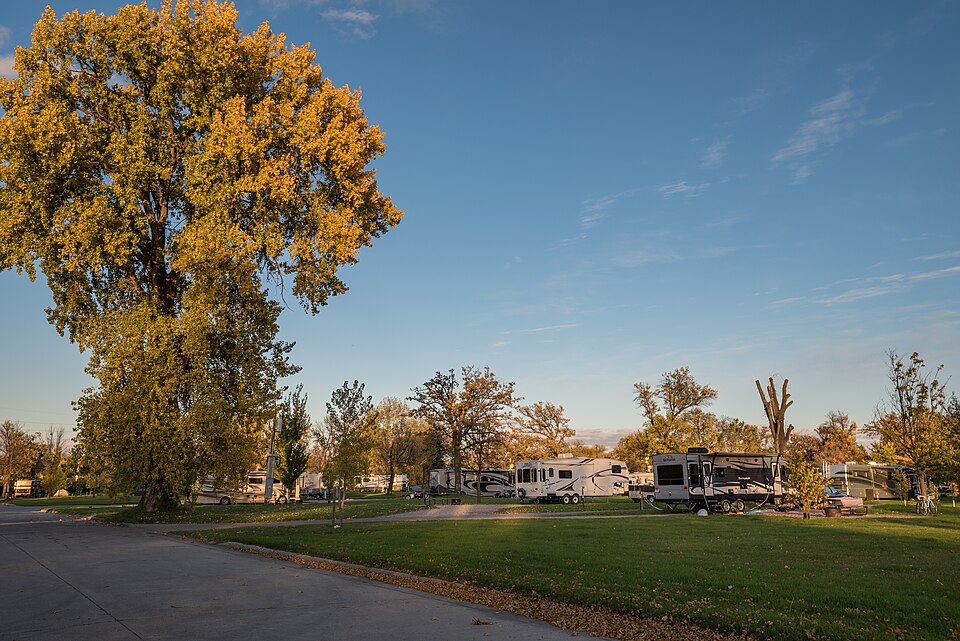
Lock in a stay for this season
Campsites near Sequoia National Park on Campspot
Partner link · Campspot
Fall: Quieter Visits With a Weather Trade-Off
September often offers a useful balance of mountain access and lighter crowds after the holiday weekend. October can be appealing for unhurried forest walks, but nights get colder and daylight shrinks. Sequoia is primarily an evergreen landscape, so treat scattered fall color as a bonus rather than the main reason to visit.
Early storms can change road and trail access, especially later in the season. Some facilities reduce service or close as winter approaches. Wildfire smoke can also affect visibility and outdoor plans in late summer and fall. Check official park alerts and local air-quality information, and keep an alternate lower-elevation outing in mind.
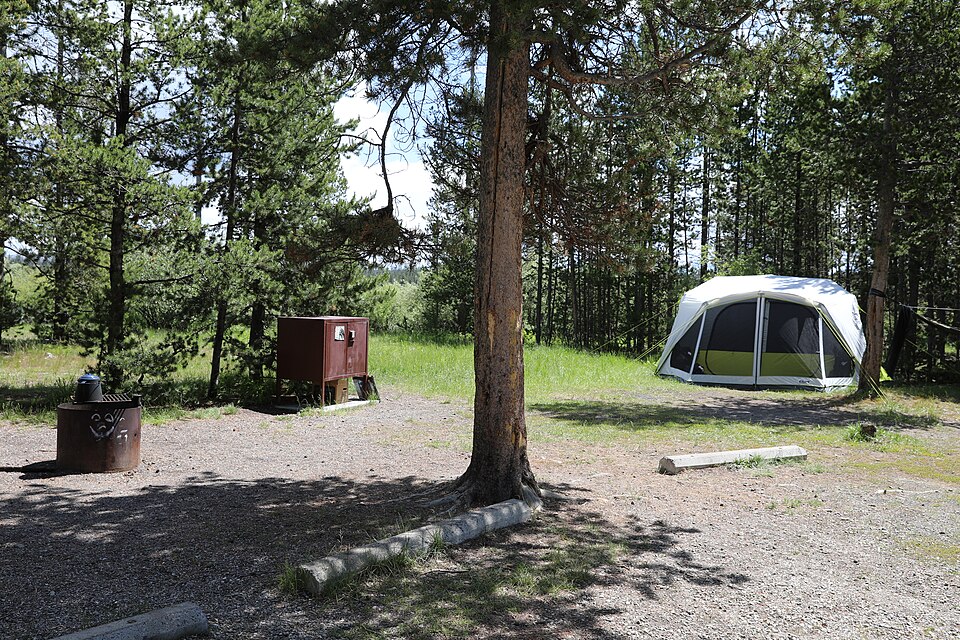
Lock in a stay for this season
Harvest Hosts stays on the way to Sequoia National Park
Partner link · Harvest Hosts
Winter: Snow Among the Giant Trees
Winter transforms the sequoia groves into a snowy mountain setting, with fewer visitors outside holiday periods. It is not simply a quieter version of summer: some roads close seasonally, walking routes may be snow-covered, and storms can disrupt travel. Snowshoeing or other winter activities may be options when conditions and access allow.
Generals Highway can have chain requirements, and temporary closures are possible. Review current NPS instructions, your vehicle’s restrictions, and any rental agreement before committing to a mountain drive. Bring warm layers, traction appropriate to conditions, food, and water. For travelers uncomfortable with winter driving, a foothills-focused visit or a later travel date may be more practical.
When to Reserve and How to Choose Your Dates
For summer weekends and holidays, start looking at lodging and campgrounds several months ahead. Availability and booking windows differ by property and campground, so check the official NPS website and its linked reservation services rather than relying on a single release date. Entrance access, camping reservations, and wilderness permits are separate planning questions.
If your schedule is flexible, compare weekdays in June or September with peak summer weekends. Midweek travel may mean less competition for parking and accommodations, but quiet conditions are never guaranteed. Before departure, review park alerts for wildfire impacts, road work, snow, and facility changes. Build a short list of alternatives so one closure does not determine the whole trip.
More ways to book Sequoia National Park
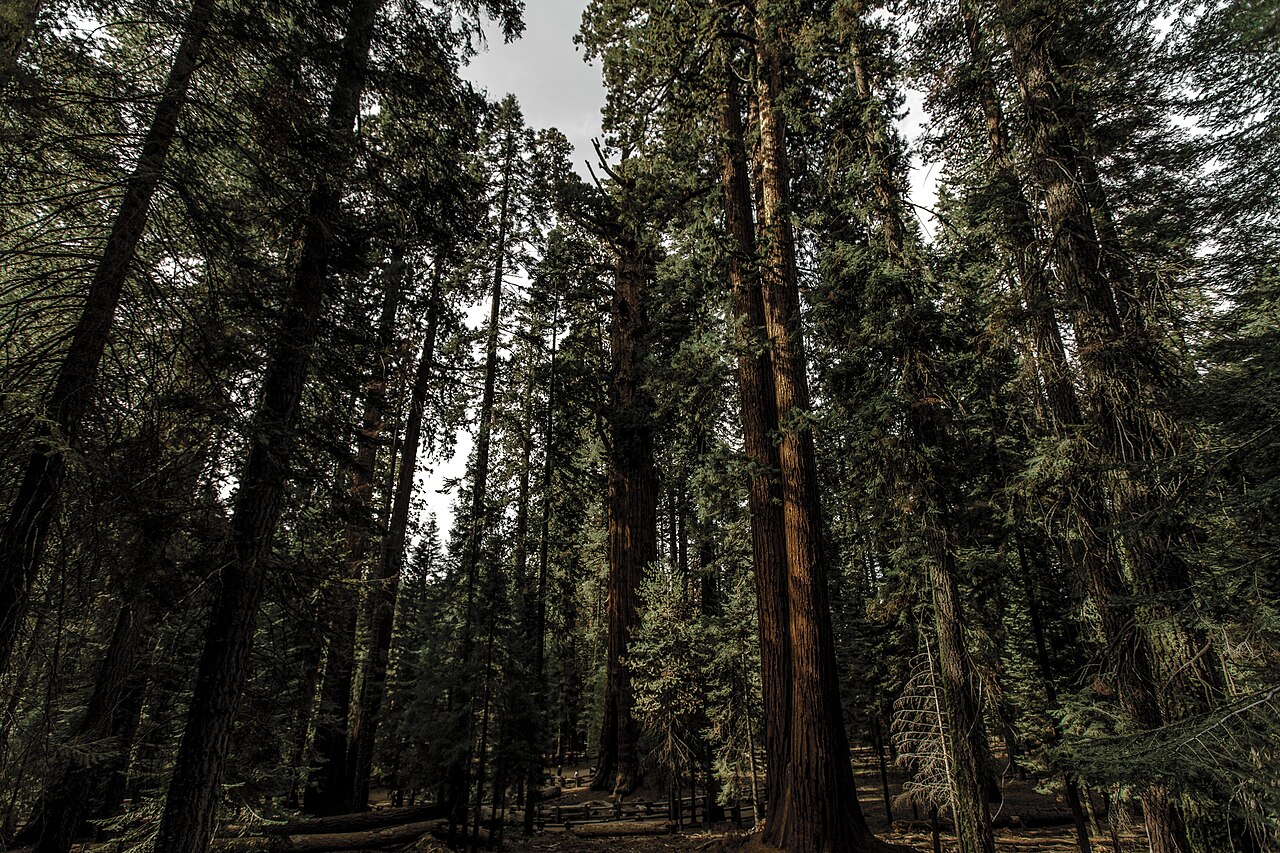 Illustrative · Daniel G. Rego
Congress Trail
One of the classic ways to experience Sequoia.
Varies (estimate)
Partner link · Viator