
For those who want to experience the rugged beauty of the West Virginia mountains without sacrificing modern comforts, glamping near Seneca Rocks offers the perfect compromise. This region, characterized by its dramatic cliffs and deep river valleys, has seen a rise in elevated outdoor accommodations that allow you to fall asleep to the sounds of the forest while enjoying a comfortable bed and stylish surroundings. Whether it's a refurbished vintage trailer or a luxury safari tent, glamping provides a unique home base for your Appalachian adventures.
What Glamping Looks Like Here
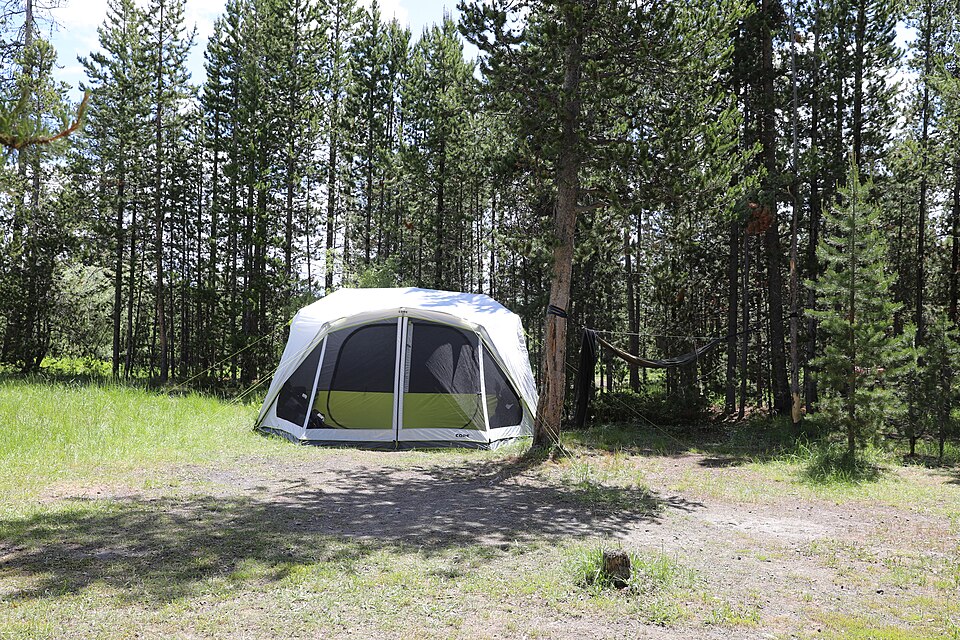
Glamping in the Seneca Rocks area typically emphasizes a connection to nature with a touch of rustic luxury. You won't find large, commercialized glamping resorts here; instead, the offerings are often smaller, more intimate setups tucked into the woods or positioned along the riverbanks. Many of these accommodations feature private decks, high-quality linens, and sometimes even small wood-burning stoves for chilly mountain nights.
The aesthetic often leans into the "mountain cabin" vibe, using local wood and stone to blend in with the environment. You might find a bell tent with a real queen-sized mattress or a tiny house that offers a kitchenette and a hot shower. These sites are designed for travelers who want to spend their days hiking the steep trails of the Monongahela National Forest but want to return to a sanctuary where they don't have to worry about setting up a tent or sleeping on the ground.
Where to Find Glamping Stays
Most glamping opportunities are located in the small communities surrounding the Seneca Rocks Recreation Area. The town of Mouth of Seneca is the most immediate hub, but you can also find unique stays in nearby areas like Cabins, Upper Tract, and Riverton. These locations put you within a 10- to 20-minute drive of the main climbing and hiking areas.
Some of the best glamping spots are situated along the North Fork South Branch Potomac River, offering direct water access and the soothing sound of the rapids. Others are perched higher up on the ridges, providing expansive views of the surrounding peaks. When searching for a place to stay, look for properties that emphasize their proximity to the National Forest boundaries, as these will offer the most authentic and quiet mountain experience. Because the area is rural, these glamping sites often provide a much-needed sense of seclusion and a front-row seat to the region's incredible dark skies.
The Best Season for Glamping
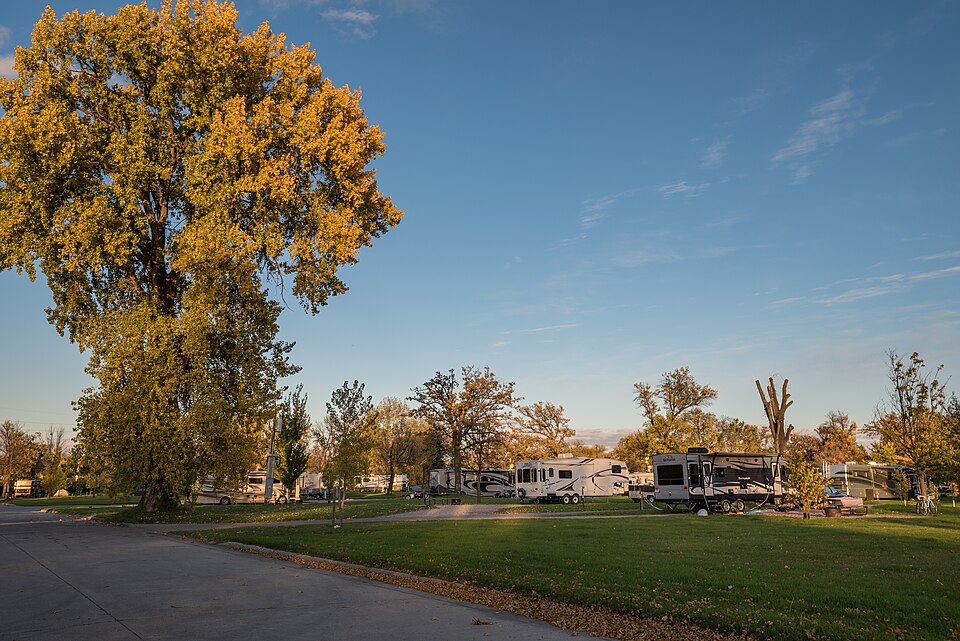
While Seneca Rocks is a year-round destination, glamping is most enjoyable from late spring through late autumn. Spring brings blooming mountain laurels and rhododendrons, though you should be prepared for the occasional rainy day. Summer is the most popular time, as the elevated platforms and shade of the forest canopy provide a natural cooling system, making a luxury tent or cabin a pleasant escape from the valley heat.
Fall is arguably the most spectacular season for a glamping stay. As the leaves change color, staying in a structure with large windows or a spacious deck allows you to be fully immersed in the foliage. However, mountain nights in October and November can get quite cold, so it's important to choose a glamping option that provides adequate heating. Many seasonal glamping sites may close during the winter months when heavy snow and freezing temperatures make tent-style living impractical, so always check availability for your specific dates.
Glamping vs. Traditional Camping
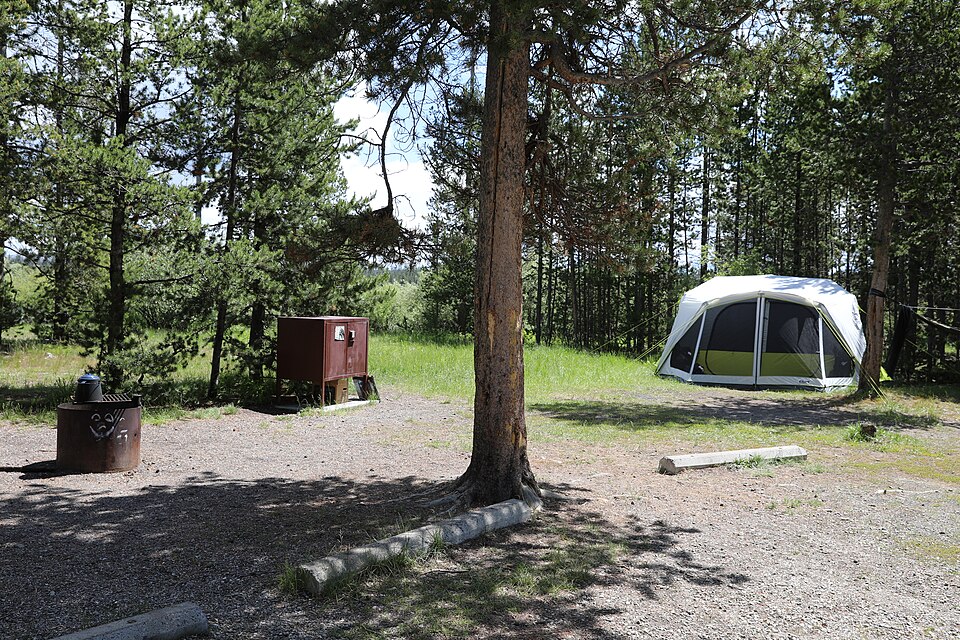
Choosing between glamping and traditional camping at Seneca Rocks depends on your desired level of immersion and effort. The area has excellent Forest Service campgrounds like Seneca Shadows, which offer traditional tent sites and some RV hookups. These are affordable and put you right in the heart of the action, but they require you to bring all your own gear and manage your own cooking and cleanup.
Glamping, by contrast, removes the logistical hurdles of a camping trip. You don't need to pack a tent, sleeping bags, or a camp stove. This makes it an excellent option for travelers who are flying into the region or those who have limited experience with outdoor gear. While the cost of glamping is higher than a standard campsite, the time saved and the added comfort can make it a worthwhile investment for a relaxing getaway. Itâs the difference between a rugged wilderness experience and a curated outdoor retreat.
Preparing for Your Stay
Even though you'll be staying in a more comfortable environment, you should still prepare for the realities of the West Virginia mountains. Cell service is extremely scarce, so be sure to have the directions to your glamping site printed out or saved offline. Most glamping hosts will provide basics, but it's always a good idea to bring your own headlamp for walking between your unit and common areas at night.
Pack clothing in layers, as temperatures can shift rapidly between the valley floor and the higher ridges where some glamping sites are located. Even if your site provides a grill or kitchenette, consider bringing a cooler for your favorite drinks and snacks, as the local general stores have limited selections. Finally, remember that you are still in bear country. Even in a glamping setup, you must follow all food storage instructions provided by your host to keep yourself and the local wildlife safe. Check the official park websites for any current advisories regarding wildlife or weather before you arrive.