
Choosing the best time to visit Seneca Rocks depends largely on whether you intend to scale the legendary Tuscarora quartzite cliffs or simply enjoy the view from the valley floor. Located in the Monongahela National Forest, this iconic formation experiences the full range of Appalachian seasons, each offering a distinct atmosphere for outdoor enthusiasts. While the rocks are accessible year-round, the transition seasons provide the most comfortable temperatures for the physical demands of the steep trails and technical climbs that define this destination.
Spring Blooms and Climbing Season
Spring is a favorite for many travelers, typically beginning in late March and extending through May. During this window, the surrounding Potomac Highlands burst into life with wildflowers and the vibrant green of new forest growth. The weather is generally cool, which is ideal for the strenuous hike up the Seneca Rocks Trail or the technical multi-pitch climbs on the south peak.
You should be prepared for unpredictable mountain weather during this time. Rainfall is common in West Virginia during the spring months, which can make the rock surfaces slick and the trails muddy. However, the cooling effect of a spring breeze makes the sun-exposed face of the rocks much more manageable than in the height of summer. Early spring is also a quieter time before the summer crowds arrive, though you should check the official NPS or Forest Service sites for any seasonal trail maintenance or road closures that might affect your access to the crag.
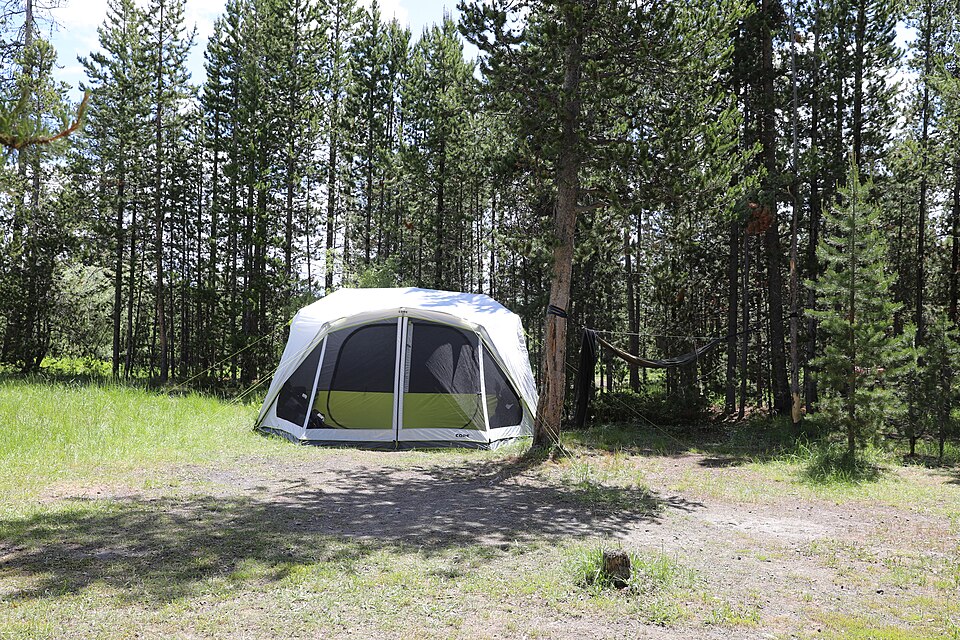
Summer Heat and High Season
Summer, spanning June through August, is the peak tourist season at Seneca Rocks. The long daylight hours allow for extended climbing sessions and sunset hikes, but the humidity can be intense. Temperatures often climb into the 80s or 90s, and the humidity typical of the mid-Atlantic region can make the steep ascent feel significantly more difficult.
Because this is the most popular time to visit, the Discovery Center and the main trailhead can become quite crowded, especially on weekends and holidays. If you are planning a summer trip, aim for midweek visits to secure a spot in the nearby campgrounds and to enjoy a bit more solitude on the viewing platforms. Even in summer, evening temperatures in the mountains can drop, so a light jacket is still a smart addition to your pack. This is also the prime time for cooling off in the nearby North Fork South Branch Potomac River after a long day of exploring the vertical landscape.
Fall Foliage and Peak Conditions
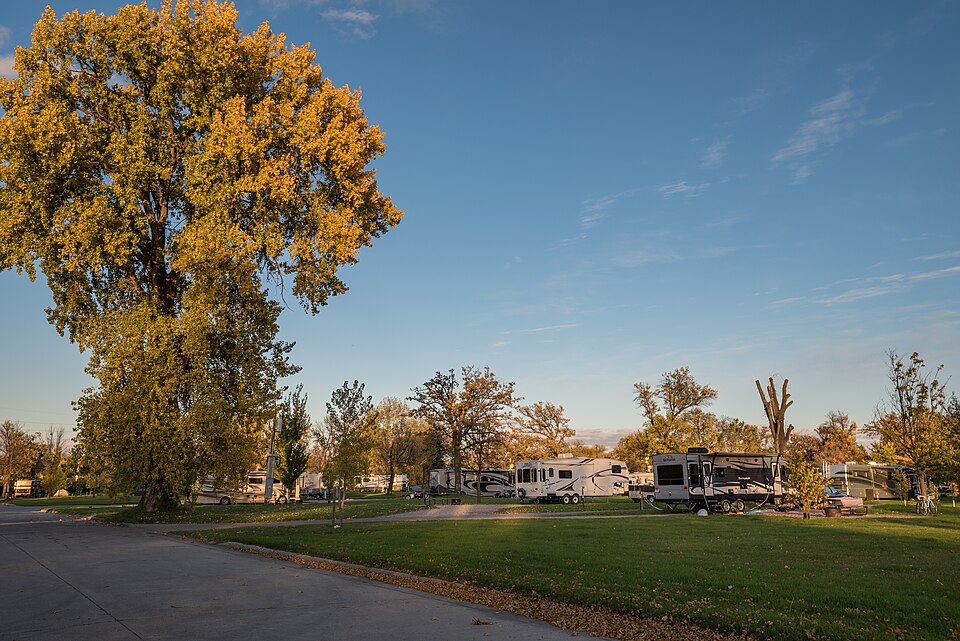
Many locals and frequent visitors consider autumn to be the absolute best time to visit Seneca Rocks. From late September through October, the hardwood forests of the Monongahela National Forest transform into a sea of brilliant oranges, reds, and yellows. The crisp, dry air provides the best friction for rock climbers and the most comfortable temperatures for hikers.
The scenery from the top of the rocks during peak foliage is arguably some of the best in the eastern United States. However, this beauty draws significant crowds. The parking lots often fill up early in the morning, and the small town of Mouth of Seneca hums with activity. If you are planning an autumn visit, it is essential to look into campsite reservations or local lodging months in advance. The visibility is usually excellent during the fall, offering clear views across the valley toward Spruce Knob, though early morning fog is a common and beautiful sight in the river valley.
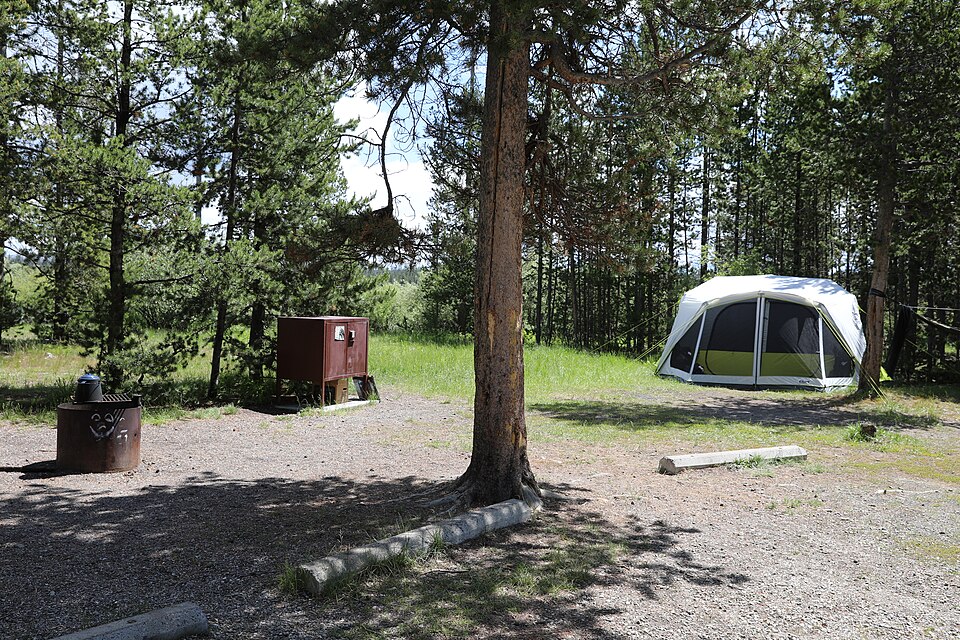
Lock in a stay for this season
Harvest Hosts stays on the way to Seneca Rocks
Partner link · Harvest Hosts
Winter Quiet and Mountain Chill
Winter at Seneca Rocks is a season of solitude and stark beauty. From December through February, the crowds disappear, and the dramatic silhouette of the rocks stands out against the gray winter sky or a blanket of white snow. While the trails remain open, they can become extremely hazardous due to ice and snow accumulation. Technical climbing is generally reserved for the most experienced and hardy individuals during this time, as the rock becomes ice-cold to the touch.
Travelers visiting in winter should be prepared for mountain road conditions, as Route 33 and Route 55 can be challenging during winter storms. Most visitor services at the Discovery Center are closed for the season, meaning you must be entirely self-sufficient. For those who enjoy winter photography or a quiet walk in a snowy woods, the peace of the valley is unmatched. Just ensure you have high-clearance vehicles and proper winter gear, as cellular service is notoriously unreliable in this region, making safety preparations even more vital.
Planning for Crowds and Reservations
To ensure the best experience, timing your visit to avoid the busiest windows is key. Holiday weekends like Memorial Day, Labor Day, and the peak of leaf-peeping season in October see the highest volume of traffic. During these times, the limited parking near the base of the rocks can result in a long walk from overflow areas.
For those intending to stay overnight, the nearby campgrounds managed by the Forest Service operate on a mix of reservation and first-come, first-served systems. Check the official government recreation websites well in advance to secure a spot. If you are a climber, keep in mind that the most popular routes on the South Peak can have queues during busy weekends. Arriving at the trailhead at sunrise is often the best strategy to beat the heat and the crowds, regardless of the season. Always check the official Forest Service site before heading out for the latest on weather-related closures or specific alerts regarding the fragile cliff environment.
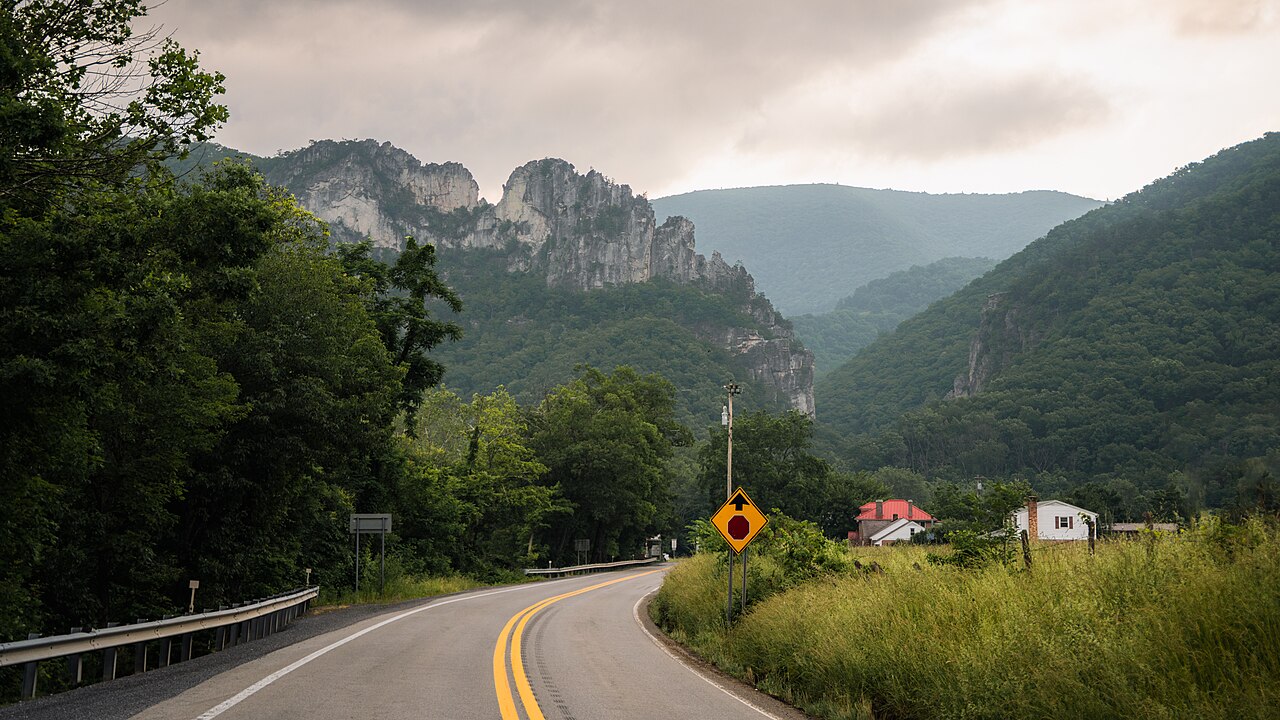
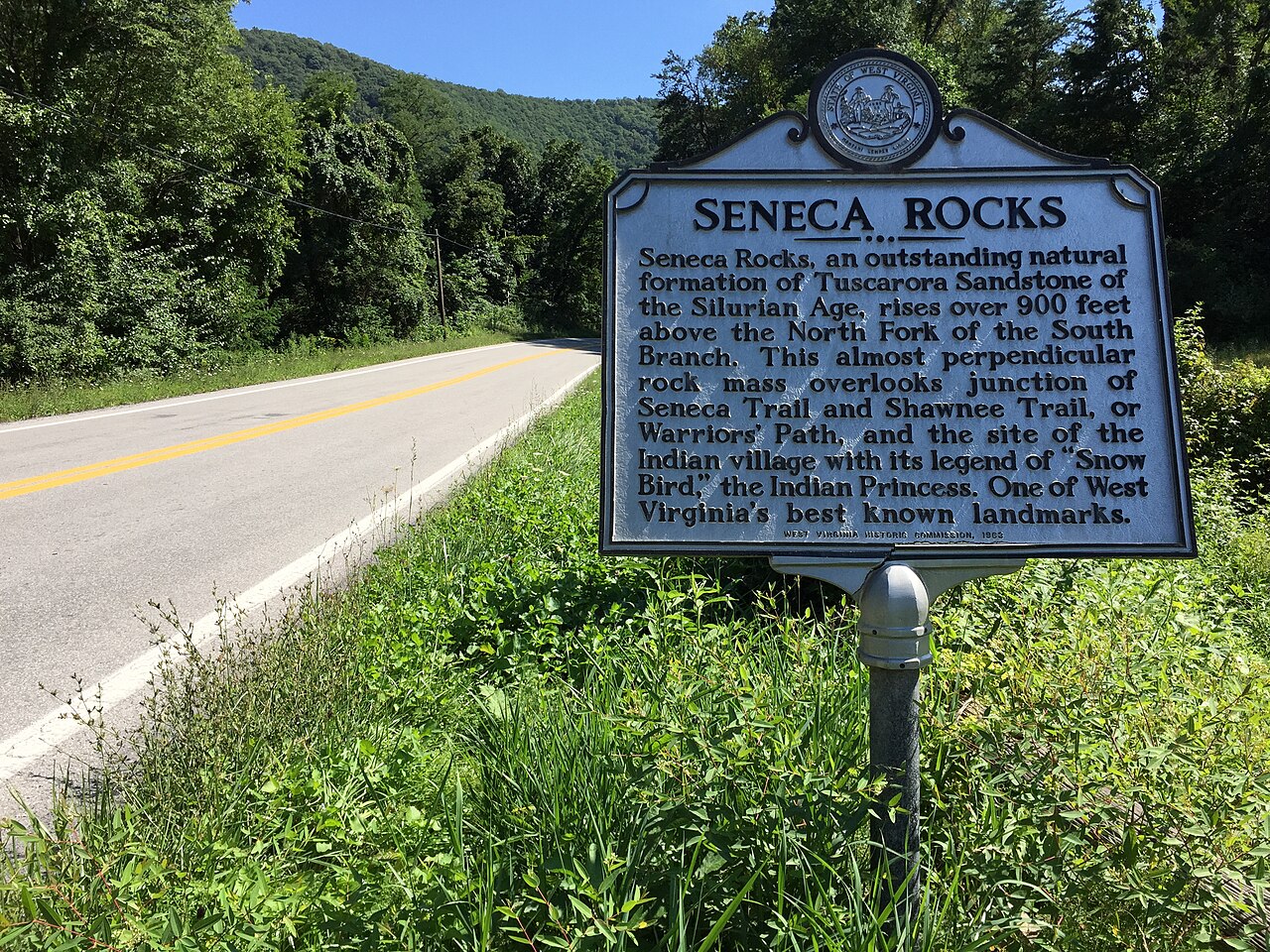
More ways to book Seneca Rocks
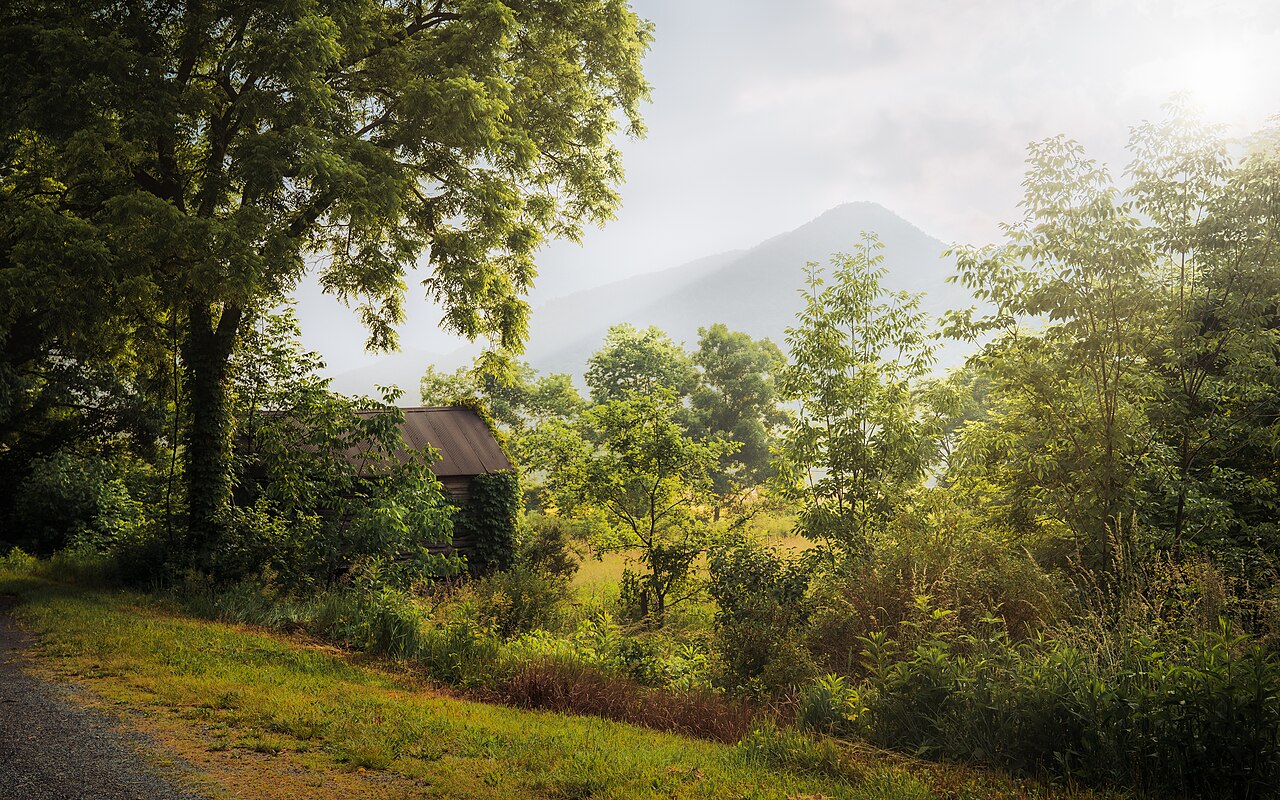 Illustrative · John Brighenti from Rockville, MD, United States
North Fork River Fishing
One of the classic ways to experience Seneca Rocks.
Varies (estimate)
Partner link · Viator