
Welcome to the Pacific Northwest. This itinerary is designed to help you navigate Seattle's diverse neighborhoods and stunning natural surroundings efficiently. From your arrival at King County International Airport - Boeing Field (BFI) to your final sunset over the Sound, you will experience the perfect blend of urban culture and outdoor exploration. Get ready to discover why this corner of the country is so beloved by travelers and locals alike.
Day 1: Markets, Monorails, and Mountains
After landing at BFI, you are only about a 15-minute drive from the heart of the city. Start your first day at Pike Place Market. Arrive early, around 9:00 AM, to beat the largest crowds and watch the market come to life. Grab a coffee and a fresh pastry, then wander the stalls to see the iconic neon signs and the famous gum wall. Once you have had your fill of the market, take a short walk to the Westlake Center and board the Seattle Center Monorail. This historic elevated train whisks you to the Seattle Center in just two minutes.
Spend your afternoon exploring the Seattle Center grounds. You can choose to go up the Space Needle for a panoramic view of the city, Mount Rainier, and the Olympic Mountains, or visit the colorful glass installations at Chihuly Garden and Glass. As the sun begins to set, head to Kerry Park in the Queen Anne neighborhood. This is the spot for the quintessential Seattle postcard view. End your evening with dinner in the Lower Queen Anne area, which offers a variety of local Pacific Northwest cuisine.
Day 2: Waterways and Coastal Wilderness
On your second day, focus on Seattleâs relationship with the water. Start your morning at the Colman Dock ferry terminal. Walk onto the Bainbridge Island ferry for a round-trip journey. The ride offers incredible views of the city skyline receding behind you. Once you return, head north to the Ballard neighborhood. Visit the Ballard Locks to watch the maritime traffic move between the sound and the lakes, and take a stroll through the beautiful botanical gardens on site.
In the afternoon, drive or take a ride-share to Discovery Park. This is Seattle's largest green space and offers a wonderful escape into nature. Hike the 2.8-mile Loop Trail, which winds through forest and meadow to the bluff overlooking Puget Sound. If you are feeling energetic, descend the stairs to the West Point Lighthouse. It is a rugged, beautiful spot that feels far removed from the city. For dinner, stay in Ballard to enjoy its historic district, which is home to some of the best seafood and independent breweries in the region.
Day 3: Urban Lakes and Arboretums
For your final day, explore the eastern side of the city. Start at Lake Union. You can rent a classic wooden rowboat or a kayak at the Center for Wooden Boats to explore the shoreline at your own pace. Watch the seaplanes take off and admire the diverse collection of houseboats. Afterward, make your way to the Washington Park Arboretum. This sprawling 230-acre park is a living museum of plants. Walk the Graham Visitors Center trails or the Waterfront Trail for a peaceful morning in the trees.
In the afternoon, visit the Capitol Hill neighborhood. This area is the cultural heart of the city, filled with vibrant street art, independent record stores, and the beautiful Volunteer Park. You can climb the historic water tower for a free 360-degree view or visit the Asian Art Museum. As your trip winds down, enjoy a final meal at one of the many farm-to-table restaurants in the area. The drive back to BFI is short, but give yourself extra time if traveling during rush hour, as Seattle traffic can be significant.
Travel Tips and Getting Around
Navigating Seattle is relatively straightforward, but having a plan helps. While the city is very walkable in the downtown core, it is quite hilly, so comfortable walking shoes are a must. For longer distances, the Link Light Rail is an excellent way to travel between downtown and neighborhoods like Capitol Hill or the Rainier Valley. If you plan to visit the mountains or more remote parks, renting a car is necessary, but be aware that parking downtown can be expensive and difficult to find.
Remember to pack for all types of weather, even in the summer. A light, waterproof shell is a Seattle essential, as mist can roll in unexpectedly. For dining, look for 'hidden gems' in neighborhoods like Fremont or Columbia City to escape the tourist prices of the waterfront. Always check the official King County Metro or Sound Transit websites for real-time updates on public transportation. By staying flexible and prepared, you can navigate the city's unique geography with ease and focus on the incredible views.
Extending Your Stay
If you have an extra day or two, consider heading out of the city limits to explore the broader region. Mount Rainier National Park is about a two-hour drive south and offers some of the most spectacular alpine scenery in North America. To the west, the Olympic Peninsula holds temperate rainforests and rugged Pacific beaches. Closer to home, the city of Bellevue offers high-end shopping and beautiful lakefront parks, while Tacoma to the south features a world-class glass museum and a large waterfront park system.
For a shorter excursion, a trip to Snoqualmie Falls is only 30 minutes away and offers a dramatic 268-foot waterfall that is easily accessible. Each of these destinations offers a different perspective on the Pacific Northwest landscape. Whether you stay within the city or venture into the wild, the region's natural beauty is sure to leave a lasting impression. Be sure to check the National Park Service websites for current conditions and any necessary vehicle reservations before you depart.
More ways to book Seattle
 Illustrative · Diego Angel
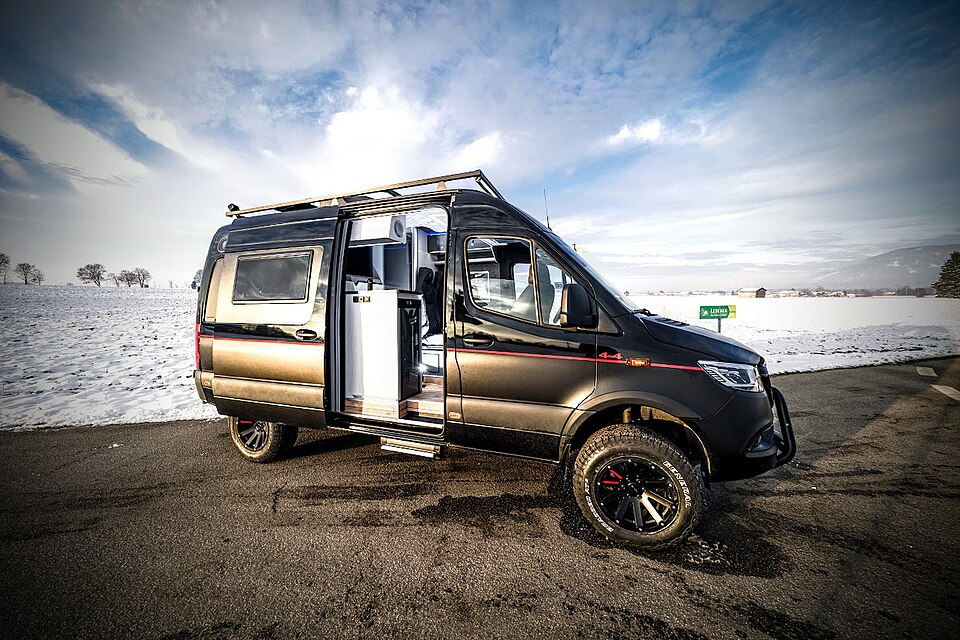
Sprinter Adventure Van
Small enough to park at the trailhead, comfy enough to sleep in.
$189/day (estimate)
Direct link · RVshare