
Seattle is a city defined by its relationship with the elements, nestled between the salty waters of Puget Sound and the rain-shadowed slopes of the Cascade Range. While the region is famous for its misty atmosphere, the timing of your visit significantly alters the landscape from snow-capped mountain vistas to sun-drenched coastal harbors. Planning your trip around the Pacific Northwest's distinct seasonal shifts ensures you experience the lush greenery and maritime culture at their absolute peak.
Summer: The Golden Window
From late June through September, Seattle sheds its reputation for gray skies and transforms into one of the most beautiful outdoor destinations in the United States. This is widely considered the best time to visit Seattle because the weather is consistently dry, mild, and sunny, with temperatures typically hovering in the 70s and 80s. During these months, the snow in the nearby Olympic and Cascade mountains has finally melted, opening up hundreds of miles of high-alpine hiking trails that are inaccessible during the rest of the year.
The long daylight hoursâsometimes lasting until 9:00 PMâallow for extended evenings on the waterfront or late-day paddles in Lake Union. Because this is the peak tourism season, the city buzzes with energy, outdoor concerts, and festivals. You will find the urban parks like Discovery Park and the Washington Park Arboretum at their most vibrant, though you should expect higher volumes of visitors at popular landmarks. It is the perfect window for whale watching tours and ferry rides to the San Juan Islands.
Fall: Crisp Air and Changing Leaves
As October arrives, the city experiences a gentle transition into autumn. This shoulder season offers a unique charm for travelers who enjoy cooler temperatures and the dramatic colors of changing maples and oaks. While the chance of rain increases as the weeks progress, the early fall often sees 'Indian summers' with crisp, clear afternoons. This is an excellent time for photography enthusiasts to capture the reflection of the city skyline against the darkening blue of the Sound.
Lower elevations remain perfect for hiking, and the crowds at major attractions begin to thin significantly. The harvest season also brings a bounty to the local markets, with fresh cider and seasonal produce taking center stage. If you plan to explore the mountain passes, keep in mind that early snow can begin to fall at higher elevations by late October, potentially closing some scenic seasonal roads. It is a fantastic time for those seeking a quieter, more contemplative experience of the Pacific Northwest landscape without the summer bustle.
Winter: The Emerald City in the Mist
Winter in Seattle, spanning November through March, is characterized by the 'Big Dark'âa period of frequent light rain, overcast skies, and cool temperatures usually ranging from the high 30s to the low 50s. While it rarely gets bitterly cold or experiences heavy snow at sea level, the persistent dampness defines the season. This is the quietest time for tourism, making it ideal for visiting indoor attractions like the Seattle Art Museum or the tropical greenhouses at the Volunteer Park Conservatory without any wait times.
For outdoor lovers, winter is the prime season for snow sports. While the city stays green, the surrounding mountains are buried in deep powder. Snoqualmie Pass, Stevens Pass, and Crystal Mountain become hubs for skiing, snowboarding, and snowshoeing just a short drive from the city center. It is essential to carry tire chains if you plan on driving into the mountains, and always check the Department of Transportation website for pass conditions. The city itself takes on a cozy, moody atmosphere perfect for exploring the local coffee culture.
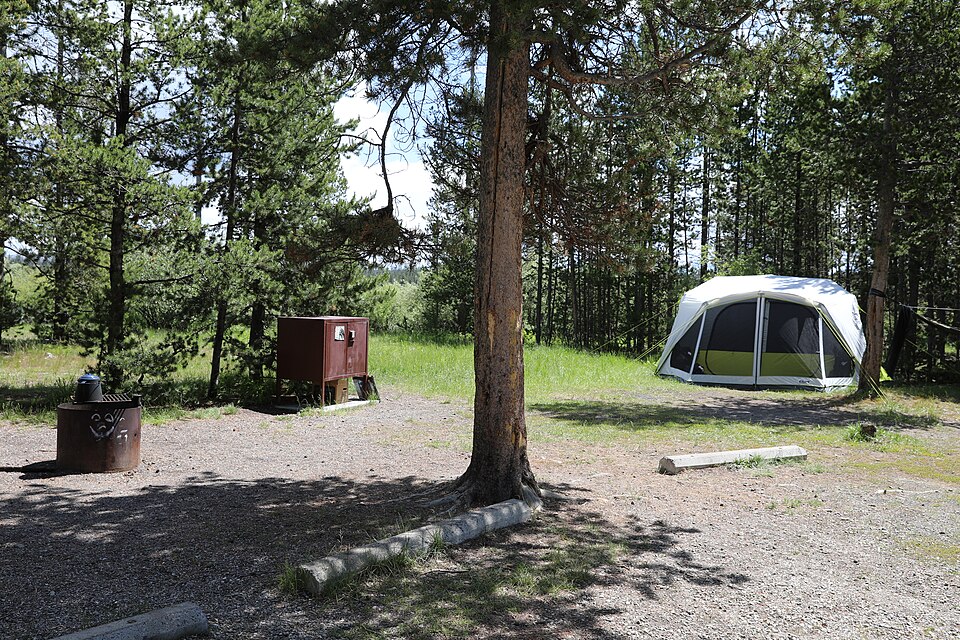
Lock in a stay for this season
Harvest Hosts stays on the way to Seattle
Partner link · Harvest Hosts
Spring: Blooms and Rushing Waterfalls
Springtime in the Pacific Northwest is a season of dramatic rebirth. Starting in April, the city erupts in color as cherry blossoms, rhododendrons, and tulips bloom across the Puget Sound region. The weather remains unpredictable, frequently oscillating between bright sunshine and sudden rain showers, so dressing in layers is mandatory. This is a spectacular time to visit the nearby Skagit Valley for the tulip festivals or to witness the region's waterfalls at their most powerful due to the spring snowmelt.
Hiking trails at lower elevations, like those along the Issaquah Alps, become lush and vibrant with new growth, though they can be quite muddy. The air is fresh, and the mountain peaks are still heavily draped in white, providing a stunning backdrop to the greening city. Spring is also a great time for birdwatching as migratory species return to the coastal wetlands. While it is not as dry as summer, the smaller crowds and the sheer beauty of the blooming flora make it a rewarding time for a getaway.
Crowds and Reservations Timing
Because Seattle is a major gateway for Alaskan cruises and international travel, summer logistics require significant advance planning. If you intend to visit during the peak window of July and August, booking your accommodations and rental cars several months in advance is highly recommended. Popular National Parks nearby, such as Mount Rainier and Olympic National Park, may require vehicle reservations or permits for specific high-traffic corridors during the summer months to manage the flow of visitors.
For those looking to balance good weather with fewer crowds, the 'shoulder' weeks in late June or early September are often the sweet spot. During these times, you can often find more availability at popular waterfront hotels and shorter lines at the ferry terminals. Regardless of when you go, checking the official National Park Service websites and local transit alerts is vital for staying informed about trail closures or ferry schedule changes. Planning ahead allows you to spend less time in lines and more time enjoying the spectacular natural beauty that surrounds the Emerald City.
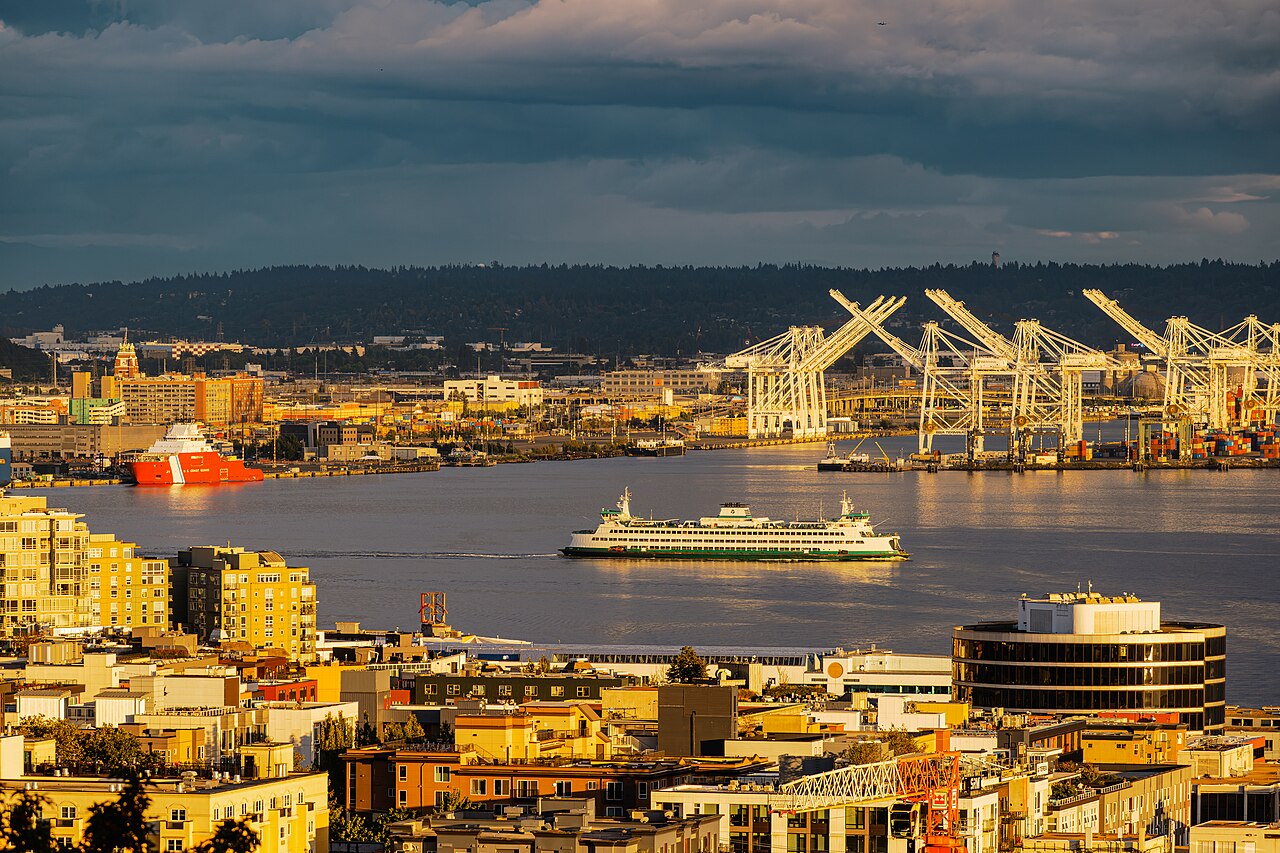
More ways to book Seattle
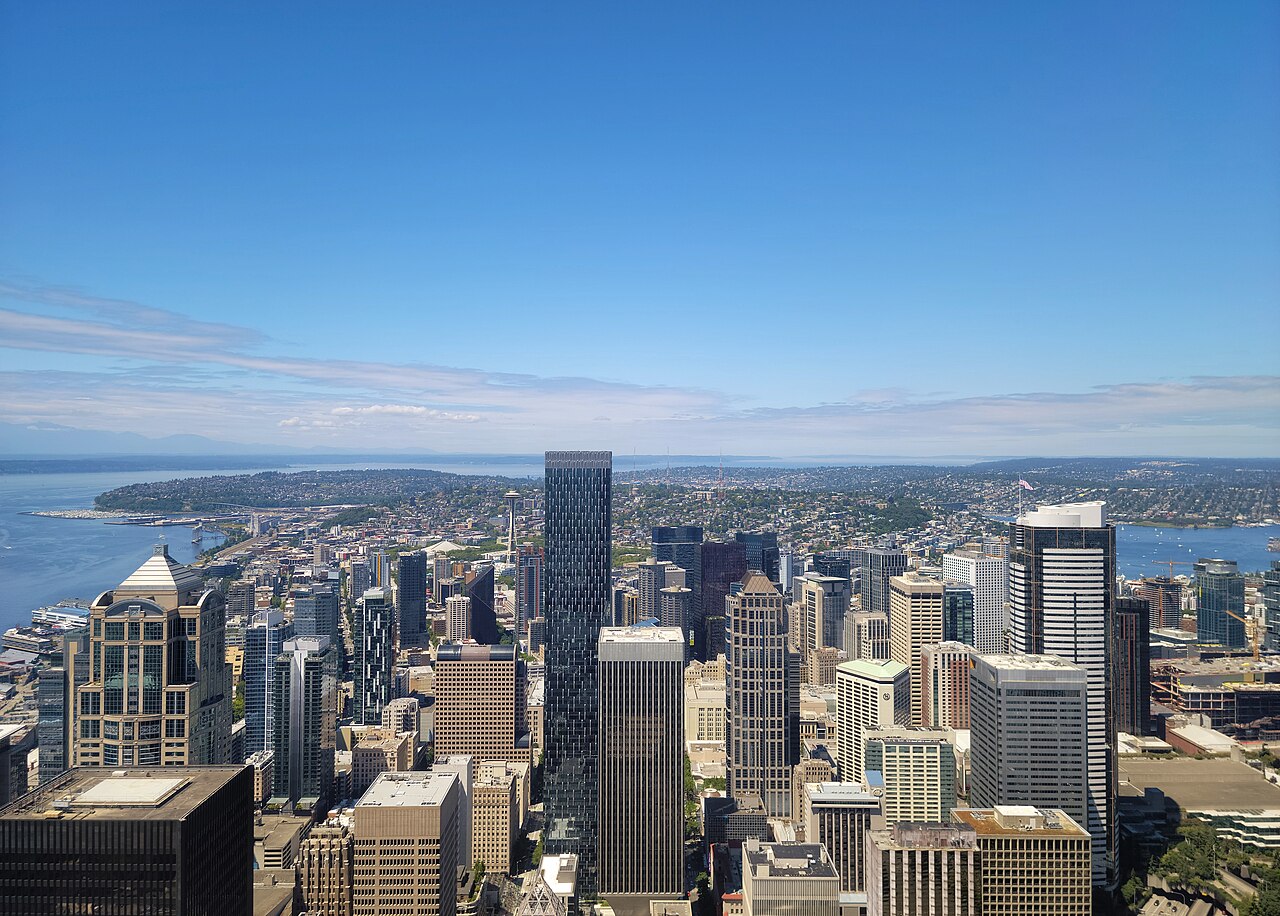 Illustrative · GyozaDumpling
Discovery Park Loop
One of the classic ways to experience Seattle.
Varies (estimate)
Partner link · Viator