
Scotts Bluff National Monument is more than just a landmark; it is a sprawling outdoor classroom and a sanctuary for hikers and history buffs alike. Standing 800 feet above the North Platte River, the bluff offers a variety of ways to engage with the rugged landscape of the Nebraska panhandle. Whether you are retracing the footsteps of emigrants on the Oregon Trail or seeking a quiet moment of reflection overlooking the vast prairies, the activities here provide a deep connection to the American West.
Conquering the Saddle Rock Trail
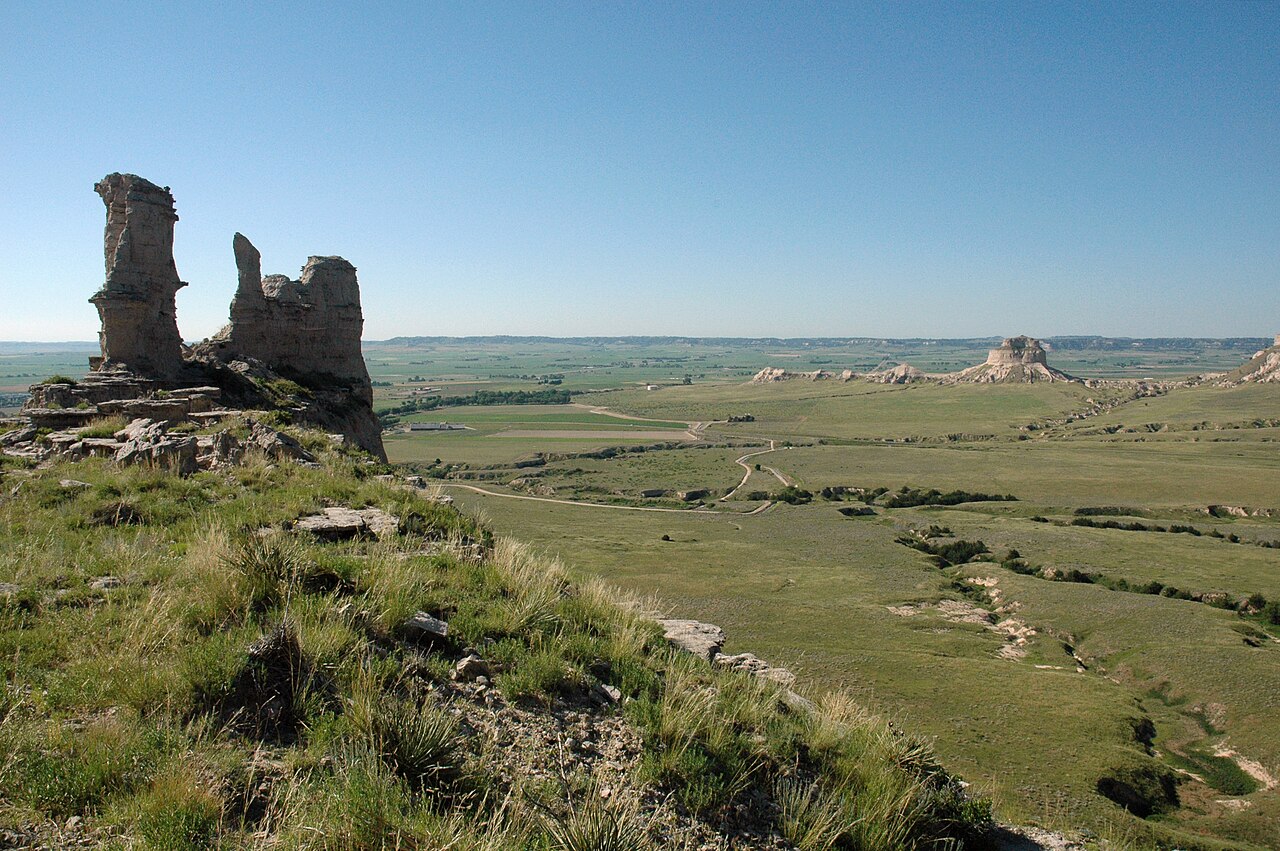
The Saddle Rock Trail is the premier hiking experience at Scotts Bluff, offering a 1.6-mile trek that gains significant elevation as it winds from the visitor center to the summit. This trail is paved but steep, taking hikers through a variety of geological layers and even through a short tunnel carved into the rock. As you ascend, the views of the valley floor expand, revealing the winding path of the North Platte River and the distant silhouettes of other prominent rock formations.
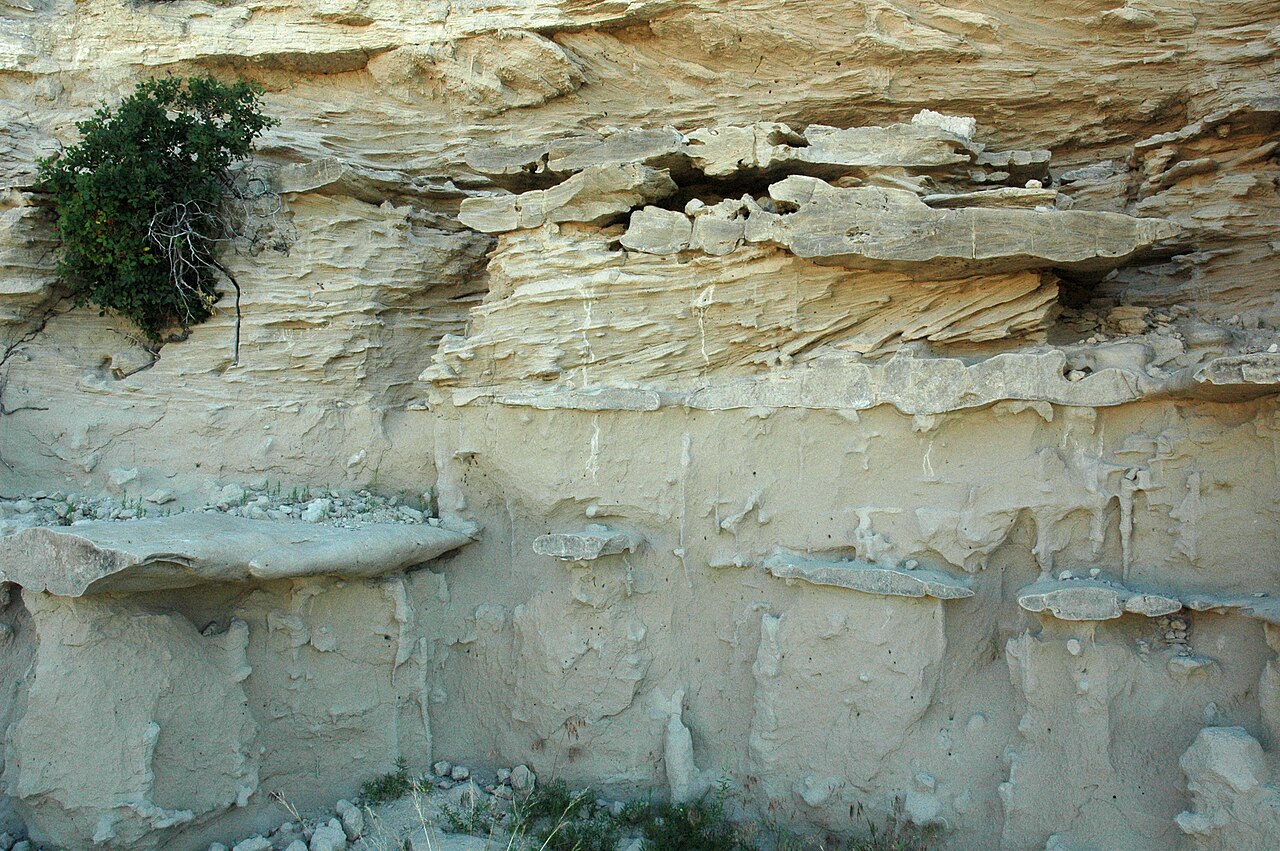
Along the way, keep an eye out for interpretive signs that explain the unique composition of the bluff, which consists of sandstone, volcanic ash, and siltstone. The hike is moderately strenuous, especially in the heat, so it is best tackled in the early morning. It offers a unique perspective that you simply cannot get from a vehicle, allowing you to feel the scale of the cliffs that served as a beacon for thousands of wagons heading west in the mid-19th century.
Scenic Driving the Summit Road
For those who prefer a less strenuous way to reach the top, the Summit Road is a historic engineering marvel in its own right. As the oldest concrete road in Nebraska, it winds through three tunnels and climbs the face of the bluff, offering pullouts with spectacular overlooks. Once you reach the parking area at the summit, there are two easy, relatively flat trailsâthe North Bluff Summit Trail and the South Bluff Summit Trailâthat provide 360-degree views of the surrounding plains and the city of Gering below.
Driving the road allows you to see the changing vegetation and rock textures up close. It is important to note that vehicles over 25 feet in length or 8 feet in width are not permitted on this road due to the narrow tunnels and tight turns. If you are traveling in a large RV, plan to leave it at the visitor center parking lot and use a smaller towed vehicle or enjoy the hike instead. The drive takes about 10 minutes each way, but you will want to spend at least an hour at the top.
Exploring Oregon Trail History
A visit to Scotts Bluff is incomplete without spending time at the Oregon Trail Museum and Visitor Center. The museum houses the world's largest collection of original sketches and paintings by William Henry Jackson, a pioneer artist who captured the essence of the westward expansion. These artworks provide a visual bridge to the past, showing what the landscape looked like when the trail was active. Outside, you can see authentic Murphy wagons and walk along a preserved section of the actual Oregon Trail.
Walking through Mitchell Pass, the gap between Scotts Bluff and Dome Rock, you can still see the deep ruts worn into the earth by thousands of wagon wheels. Standing in these ruts is a powerful experience, connecting you to the hundreds of thousands of people who moved through this narrow corridor. The visitor center also offers a film that details the history of the various indigenous tribes, fur traders, and emigrants for whom this landmark was a crucial milestone on their journey toward a new life.
Wildlife Spotting and Photography
The prairie ecosystem surrounding the bluff is teeming with wildlife if you know where to look. Birdwatchers will find plenty to see, from soaring prairie falcons and golden eagles to colorful mountain bluebirds. In the early morning or late evening, mule deer are frequently spotted grazing near the base of the cliffs or moving through the scrub brush. While the region is dry, the nearby river attracts various species that venture toward the monument's boundaries.
Photographers will find endless inspiration here, especially during the 'blue hour' when the shadows stretch long across the valley. The textures of the eroded rock faces provide excellent subjects for macro photography, while the expansive vistas are perfect for wide-angle shots. The contrast between the rugged, ancient rock and the soft, swaying prairie grasses creates a composition that changes with every hour of the day. Remember to stay on designated trails to protect the fragile desert crust and avoid disturbing the nesting sites of local birds.
Family-Friendly Activities and Rainy Days
Families visiting Scotts Bluff will find several engaging options for children. The Junior Ranger program is a highlight, offering kids a chance to earn a badge by completing an activity booklet that guides them through the park's history and geology. The museum's interactive displays are also a hit, providing a tactile way to learn about the gear pioneers carried and the hardships they faced. The paved nature of the main trails makes them accessible for families with older children, though strollers might struggle with the steepness of the Saddle Rock Trail.
On a rainy day, the visitor center serves as an excellent indoor destination. You can spend a couple of hours browsing the extensive exhibits and watching the historical films. If the weather is only lightly misting, the short walk to the wagon displays near the parking lot is still manageable. Nearby, the Legacy of the Plains Museum in Gering offers additional indoor exhibits focused on the agricultural history of the region, making it a great companion site when the weather doesn't cooperate for hiking.