
Determining the best time to visit Scotts Bluff depends on your tolerance for the dynamic weather of the Great Plains. While the monument is open year-round, the transition seasons of late spring and early autumn offer the most comfortable temperatures for exploring the steep trails and historic wagon paths. These windows provide a perfect balance between vibrant natural colors and manageable outdoor conditions, allowing you to fully immerse yourself in the pioneer history of Western Nebraska without the extremes of summer heat or winter blizzards.
Springtime Rebirth on the Plains
Spring, particularly May and June, is widely considered the best time to visit Scotts Bluff for those who enjoy seeing the prairie in full bloom. After the snow melts, the bluffs turn a brilliant shade of green, and wildflowers begin to dot the landscape near the visitor center and along the base of the cliffs. The temperatures are generally mild, often hovering in the 60s and 70s, making it ideal for the strenuous hike up the Saddle Rock Trail.
However, visitors should be prepared for the unpredictability of Nebraska spring weather. Afternoon thunderstorms are common and can move in quickly, sometimes bringing heavy rain or hail. During this time, the wind can be quite strong across the high plains, so packing layers is essential. The moisture makes the rock formations look particularly dramatic against the deep blue sky, providing photographers with excellent lighting conditions during the golden hours of sunrise and sunset.
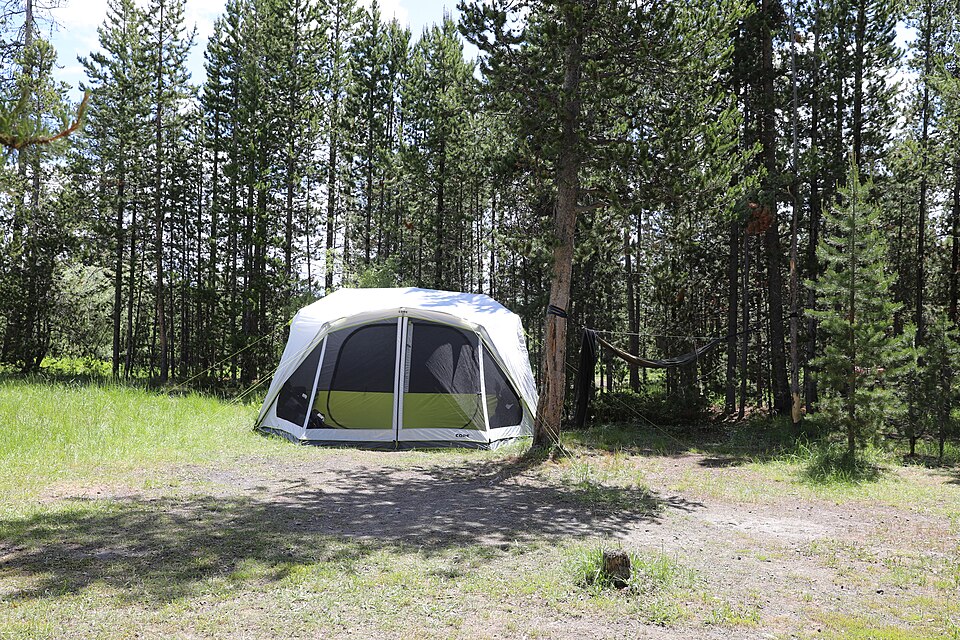
Autumn Colors and Crisp Air
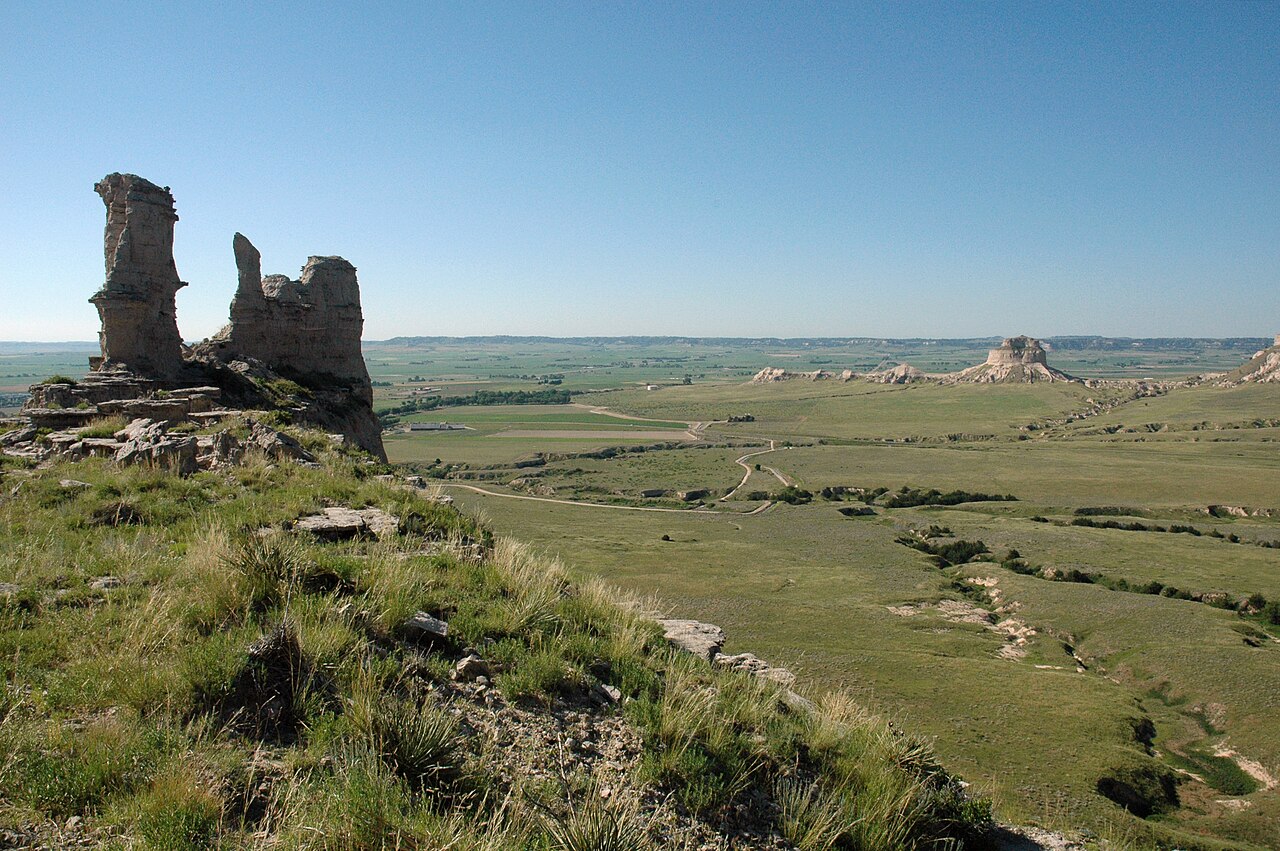
September and October represent another peak period for travelers. As the summer heat fades, a crispness enters the air, and the cottonwoods along the North Platte River begin to turn a golden yellow. This season offers stable weather patterns and lower humidity, which is perfect for spending long hours outdoors. The visibility is often at its peak in the fall, allowing for expansive views that stretch toward Chimney Rock and the distant horizon.
Walking the paved Summit Road or the hiking trails during the fall feels significantly less taxing than in the mid-summer months. The insect population, particularly the gnats and mosquitoes that can be active near water sources, diminishes as the overnight temperatures drop. While the days are still warm enough for short sleeves, you will notice a significant chill once the sun dips below the bluffs, so bringing a sturdy jacket is recommended for evening stargazing or late-day photography sessions.
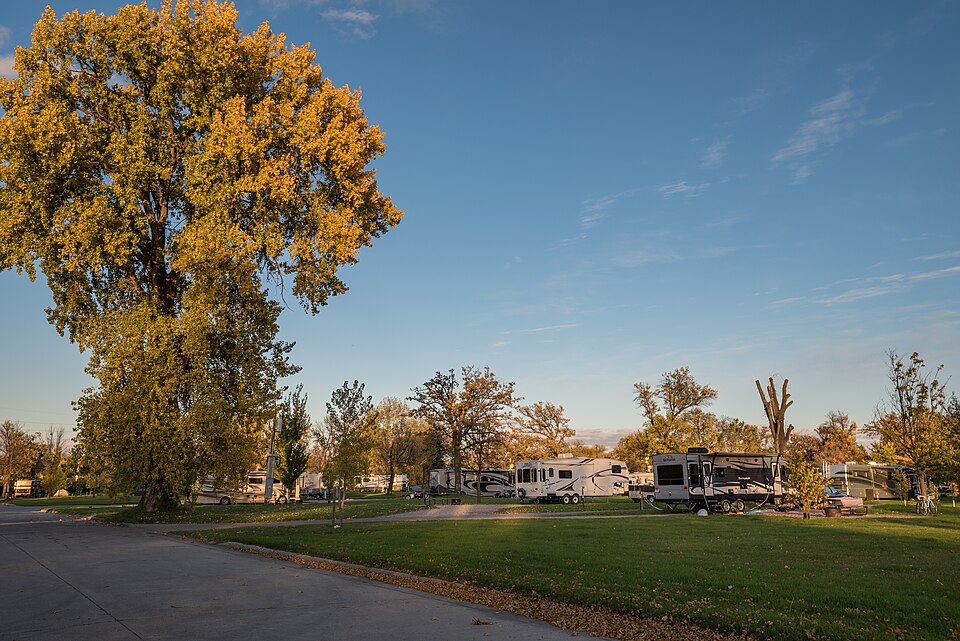
Navigating Summer Heat and Crowds
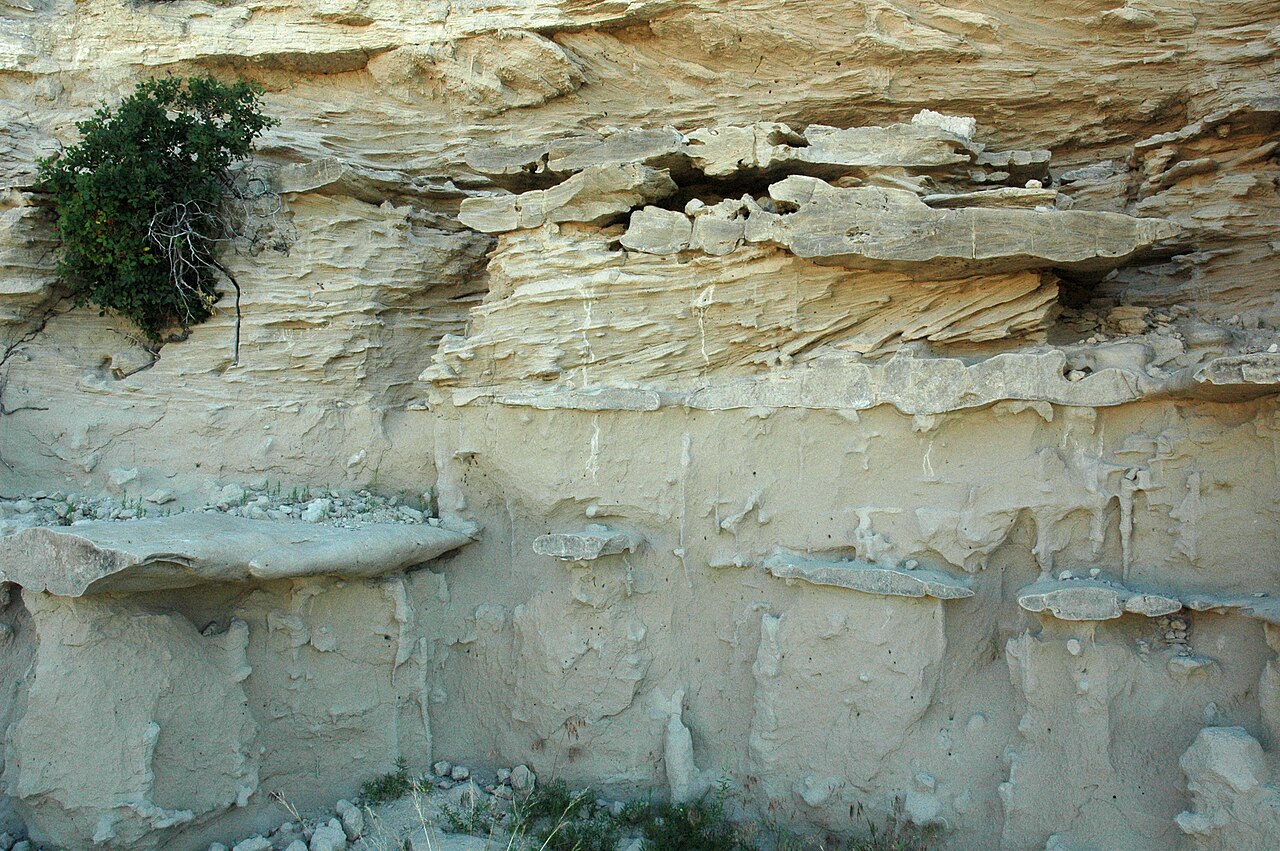
July and August are the warmest months in Western Nebraska, with temperatures frequently climbing into the 90s. If you visit during this time, it is crucial to start your activities as early as possible. The sun reflects intensely off the light-colored sandstone and siltstone layers of the bluff, creating a localized heat effect that can make hiking feel much hotter than the official temperature suggests.
Despite the heat, summer is a popular time for families on road trips. While Scotts Bluff rarely feels truly crowded compared to major national parks like Yellowstone, the small parking areas at the summit and the visitor center can fill up by mid-day. To avoid the midday sun, consider spending the afternoon hours exploring the indoor museum exhibits or taking a scenic drive to nearby historic sites. Always carry significantly more water than you think you will need, as the dry prairie air can lead to dehydration faster than many visitors anticipate during the peak of summer.
Lock in a stay for this season
Harvest Hosts stays on the way to Scotts Bluff
Partner link · Harvest Hosts
Winter Solitude and Snow
Winter in Western Nebraska is for the hearty traveler. From November through March, the region experiences freezing temperatures and occasional heavy snowfall. While the monument remains a striking sight when dusted in white, the Summit Road often closes due to ice and snow accumulation, limiting access to the top of the bluff. If you visit in winter, you may find yourself alone on the trails, offering a profound sense of the isolation early pioneers must have felt.
Short days and biting winds are the primary challenges during these months. However, the visitor center remains a warm refuge where you can learn about the geology and history of the Oregon Trail. If the road is closed, the Gering Valley still offers beautiful vistas from below. Always check the official NPS website for current road conditions and weather alerts before heading out, as winter storms can lead to rapid closures of local highways and park access points for safety reasons.
Planning for Reservations and Events
Scotts Bluff National Monument generally does not require advanced reservations for entry, making it a flexible stop for RV travelers and road trippers. However, the nearby gateway cities of Gering and Scottsbluff can see spikes in lodging demand during local festivals or regional sporting events. Planning your trip around the late spring or early fall ensures you get the best selection of accommodations without the premium pricing sometimes seen during peak summer weekends.
If you are interested in specific ranger-led programs or living history demonstrations, these are most frequently scheduled during the summer months. To ensure a smooth visit, confirm the seasonal hours for the Summit Road, as the gates close at specific times that change throughout the year. Even during the 'best' months, the Great Plains environment is dynamic. Checking the local forecast 24 hours in advance is the most reliable way to ensure your hiking boots and gear are appropriate for the day's specific conditions on the bluff.
More ways to book Scotts Bluff
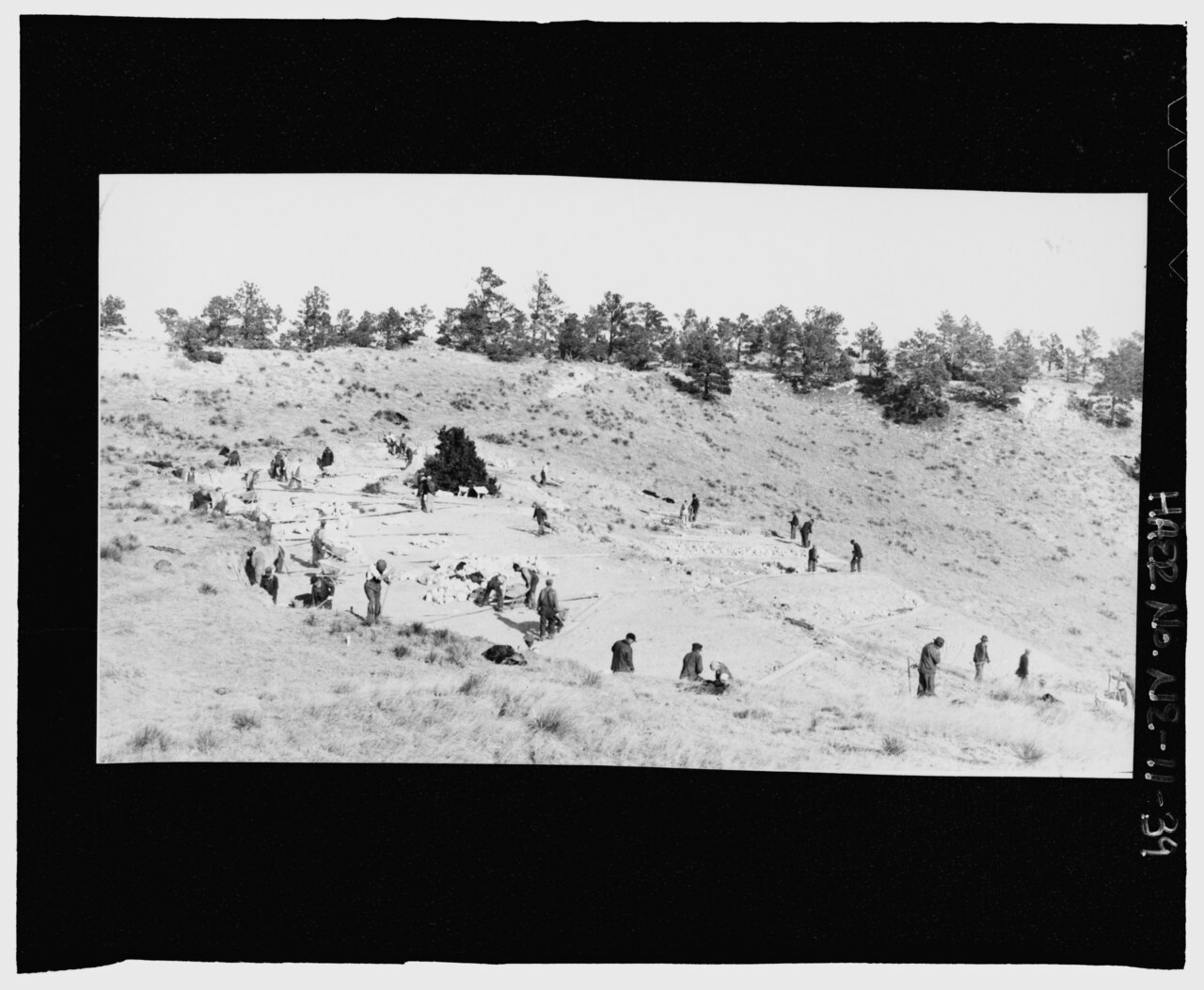 Illustrative · Related names:
Gunite Corporation; Nichols, E W; Gross and Stevens; Northwestern Engineering Company; Orshek and Christ
Illustrative · Related names:
Gunite Corporation; Nichols, E W; Gross and Stevens; Northwestern Engineering Company; Orshek and ChristOregon Trail Pathway
One of the classic ways to experience Scotts Bluff.
Varies (estimate)
Partner link · Viator