
For those who want to immerse themselves in the rugged beauty of Idaho without sacrificing the comforts of home, Sawtooth National Recreation Area glamping is an ideal solution. This middle ground between traditional camping and a hotel stay allows you to sleep under the vast Idaho sky while enjoying a real mattress and sometimes even a heater. It is the perfect way to recharge after a long day of hiking the granite peaks.
What Glamping Looks Like Here
In the Sawtooth region, glamping typically takes the form of canvas wall tents, yurts, or boutique cabins. These structures are often situated on the edge of the wilderness, providing immediate access to trails while offering amenities like plush bedding, solar lighting, and sometimes small wood-stoves for chilly mountain nights. Unlike a thin nylon tent, these accommodations provide a sturdy barrier against the elements, which is a major plus in a region known for sudden temperature drops.
Many glamping sites are designed to blend into the natural environment, using wood and canvas to maintain a rustic aesthetic. You might find a private deck where you can drink your morning coffee while watching the mist rise off the Salmon River. It is an elevated way to experience the outdoors, focusing on the connection to nature without the 'roughing it' aspects of sleeping on the ground. This style of travel has become increasingly popular in the Sawtooth Valley, catering to those who love the mountains but value a good night's sleep.
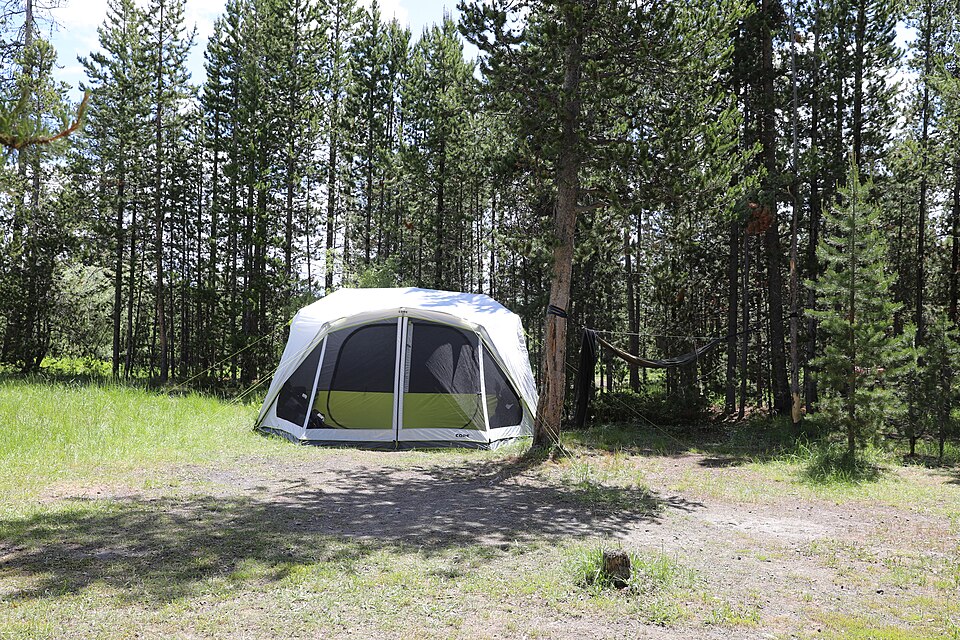
Where to sleep
RV parks near Sawtooth National Recreation Area on RoverPass
Partner link · RoverPass
Top Areas for Elevated Stays
The primary hub for glamping and high-end outdoor stays is the area surrounding the town of Stanley. Here, several properties offer luxury tent setups or renovated historic cabins that lean into the glamping vibe. Being near Stanley is convenient, as it provides easy access to local restaurants and gear shops while keeping you just minutes away from the major trailheads like Iron Creek or Redfish Lake.
Another excellent area to look for these types of accommodations is along the Salmon River corridor. These spots often offer more privacy and the soothing sound of the river as your nighttime soundtrack. Some ranchers in the Sawtooth Valley also offer unique stays in refurbished sheep wagons or stationary A-frame huts on their land. These locations provide a unique vantage point of the Sawtooth front, often with unobstructed views of the sunset hitting the peaks. Always check for availability well in advance, as these specialized sites are limited and in high demand during the summer months.
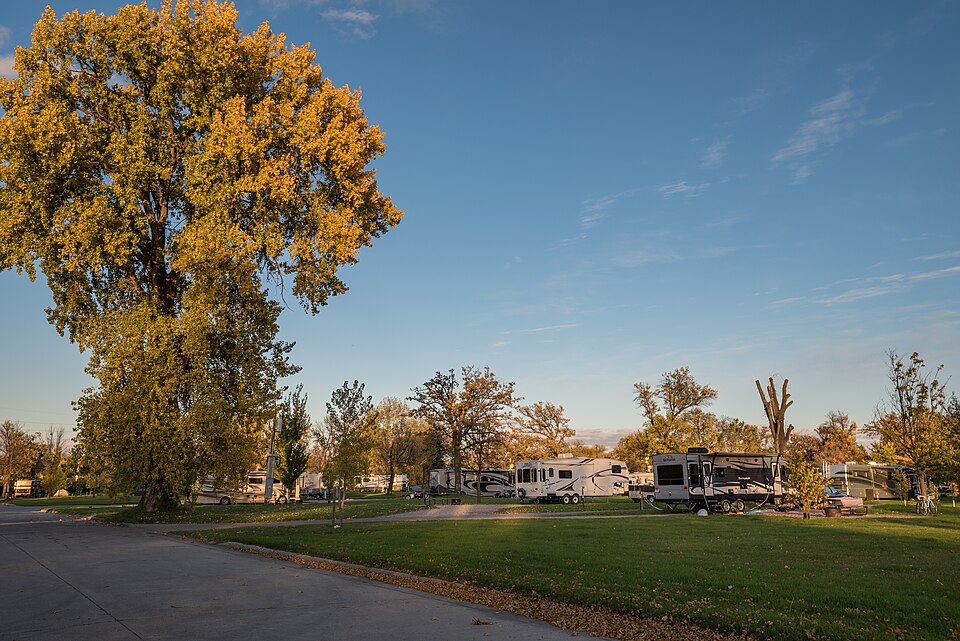
Where to sleep
Campsites near Sawtooth National Recreation Area on Campspot
Partner link · Campspot
Seasonality and Weather Considerations
Because most glamping structures are made of canvas or are minimally insulated, the season for Sawtooth National Recreation Area glamping is relatively short. Most operators open in late June once the nights stop freezing consistently and close down by mid-September. Some yurt operations, however, are specifically designed for winter use and cater to backcountry skiers who want a warm base camp in the snowy mountains.
If you choose to glamp in the early or late season, be prepared for significant temperature swings. Even if the daytime is a sunny 75 degrees, the high elevation means it can drop into the 30s once the sun goes down. Most glamping hosts provide heavy blankets or small heaters, but bringing your own warm loungewear is highly recommended. Always check the official park weather forecasts before your trip, as high-altitude weather is notoriously unpredictable and can include summer hailstorms or early autumn snow.
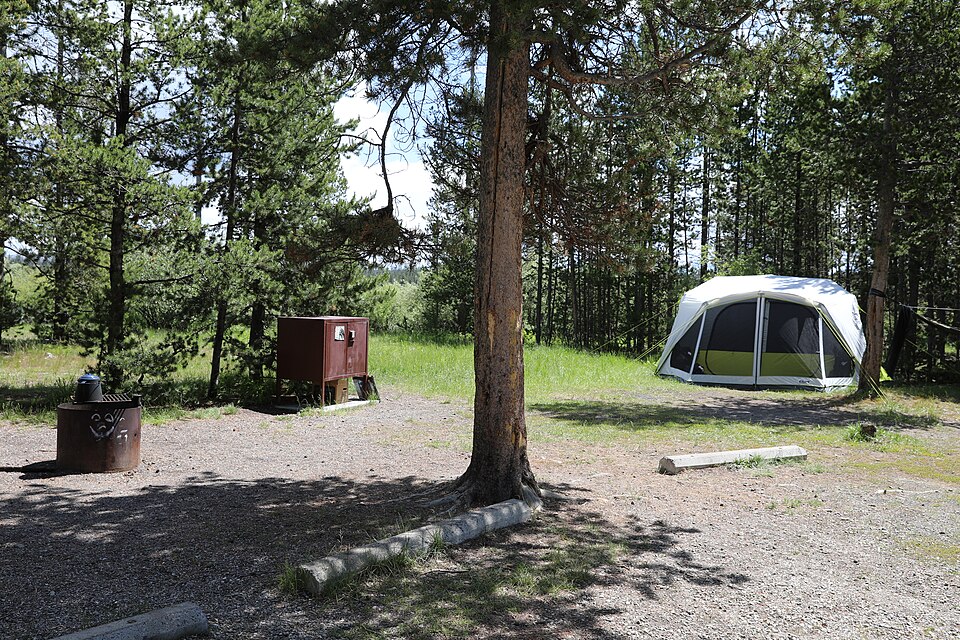
Where to sleep
Harvest Hosts stays on the way to Sawtooth National Recreation Area
Partner link · Harvest Hosts
Glamping vs. Camping vs. RVs
Choosing between glamping, traditional camping, and RVing in the Sawtooths depends on your desired level of autonomy and comfort. Traditional camping in a tent is the most common way to stay and offers the most flexibility for those who want to be deep in the backcountry. RVing is a great middle ground for those who have their own gear, but many of the forest service roads can be narrow and difficult to navigate for larger rigs. Additionally, hookups are rare in the more scenic forest service campgrounds.
Glamping removes the need for you to pack and set up heavy equipment, making it a favorite for those flying into the state or those who want a stress-free arrival. It offers a level of comfort that an RV can provide but with a more direct connection to the outdoors. While camping is the most budget-friendly option, glamping is a worthwhile investment for a special occasion or for travelers who might be intimidated by the logistics of a full camping trip. Each method offers a unique way to wake up to the sound of the Idaho wilderness.
Preparing for Your Glamping Trip
Even though you are staying in a more comfortable environment, you are still in a wild area. Bear safety is just as important at a glamping site as it is at a primitive campsite. Never keep food, trash, or scented items inside your tent or cabin unless specifically told by the host that it is a bear-proof structure. Most sites will provide a bear box or a central area for food storage. Following these rules is essential for protecting the local wildlife and ensuring your own safety.
Budgeting for a glamping trip should account for higher nightly rates compared to standard campgrounds, reflecting the amenities and service provided. You should also consider the cost of activities, as many glamping sites can help arrange guided hikes, fishing trips, or horseback riding. Before booking, always check the official site of the recreation area for any alerts regarding fire restrictions, as these can affect whether you can use a fire pit or wood-stove during your stay. With the right preparation, a glamping trip in the Sawtooths can be a truly transformative outdoor experience.