
Deciding on the best time to visit Sawtooth National Recreation Area depends largely on your tolerance for snow and your desire for alpine lake access. This high-altitude Idaho gem experiences long winters and short, vibrant summers that draw hikers from around the globe. While the summer months offer the most reliable trail conditions, the shoulder seasons of late spring and early autumn provide a different, quieter perspective on the rugged skyline.
Summer High Season
July and August are widely considered the peak months for visiting the Sawtooths. During this window, the snow has usually melted from the high mountain passes, allowing full access to the iconic alpine lakes like Alice Lake and Sawtooth Lake. Daytime temperatures are generally comfortable, often reaching the 70s or 80s, though nights remain crisp and can dip toward freezing even in mid-summer. This is the prime window for backpacking, fishing, and boating on Redfish Lake.
Because this is the most popular time, you can expect higher traffic on the trails and full campgrounds. If you plan to visit during these months, it is essential to monitor the official Forest Service or NPS websites for trail conditions and fire safety updates. The clarity of the Idaho sky during these months is legendary, making it the top choice for photographers and stargazers looking to experience the Central Idaho Dark Sky Reserve.
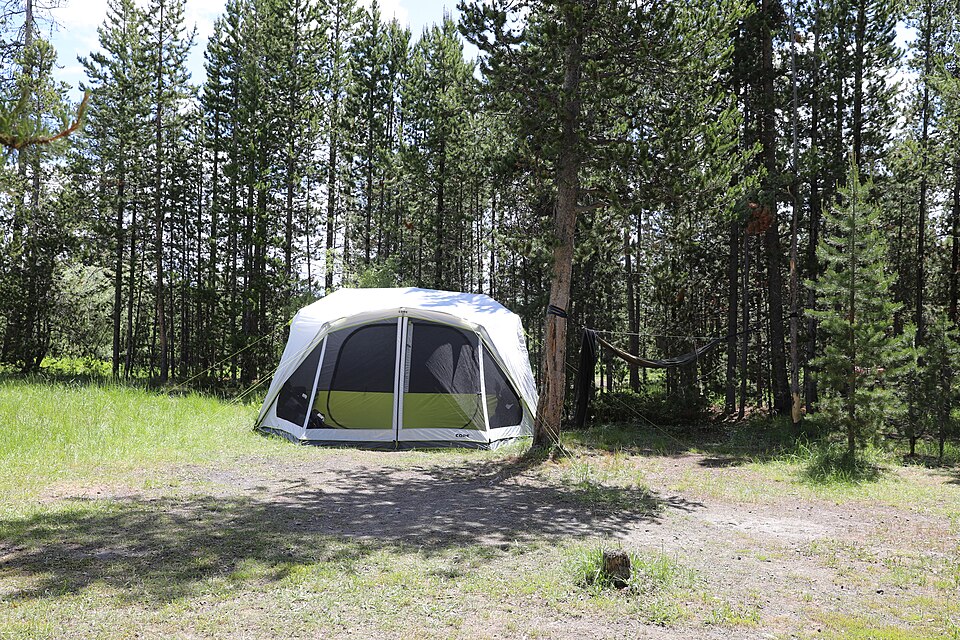
Lock in a stay for this season
RV parks near Sawtooth National Recreation Area on RoverPass
Partner link · RoverPass
Autumn Colors and Cool Breezes
September and October represent a transition into a quieter, golden era in the recreation area. As the summer crowds dissipate, the aspen trees begin to turn a brilliant yellow, contrasting sharply against the dark evergreens and gray granite peaks. This is arguably the best time to visit Sawtooth National Recreation Area if you prefer solitude and cooler hiking weather. However, visitors should be prepared for unpredictable mountain weather; early snowstorms are not uncommon in October.
Many of the seasonal services, such as boat shuttles and certain lodge facilities, begin to scale back operations after Labor Day. While the days are shorter, the crisp air is perfect for strenuous climbs that might feel too hot in July. It is a fantastic time for wildlife viewing as elk and deer are active. Always check for seasonal road closures if you are planning a late autumn trip, as high-elevation access can change overnight.
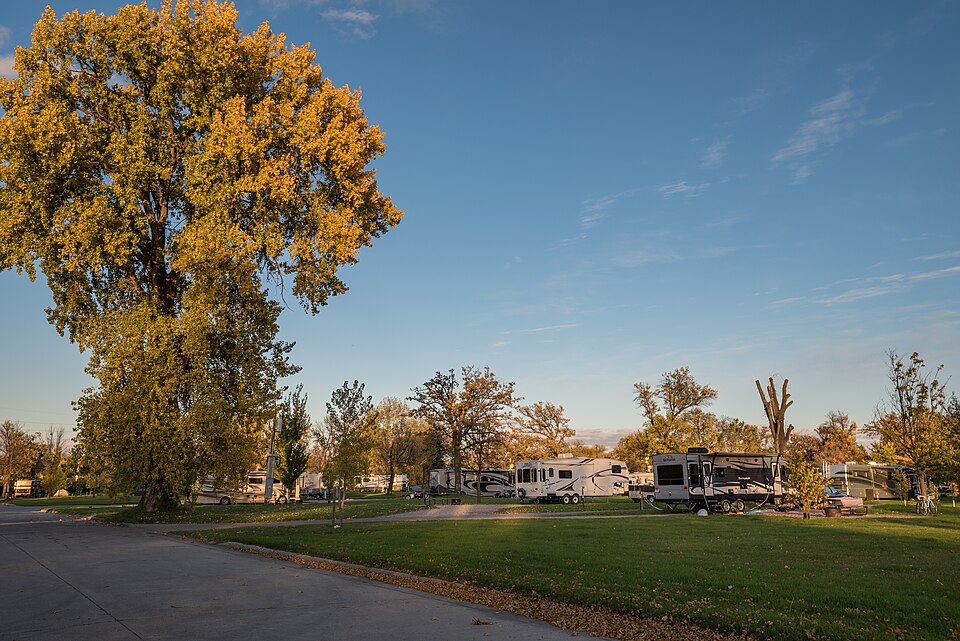
Lock in a stay for this season
Campsites near Sawtooth National Recreation Area on Campspot
Partner link · Campspot
Spring Runoff and Awakening
Spring in the Sawtooths, typically spanning May through June, is a season of dramatic change. This is when the heavy winter snowpack begins to melt, feeding the Salmon River and filling the basin lakes to their brims. While the lower elevations near Stanley may show signs of green, the high-altitude trails often remain buried under several feet of snow until well into June or even July. This is a time for valley floor activities and scenic drives along the Salmon River Scenic Byway.
Visitors should be aware that river levels are at their highest during this period, making some stream crossings hazardous for hikers. However, the waterfalls are at their most powerful and spectacular. If you visit in late spring, bring waterproof gear and be prepared for mud on the lower trails. It is a peaceful time to explore the valley before the summer rush, provided you are comfortable with limited access to the highest peaks.
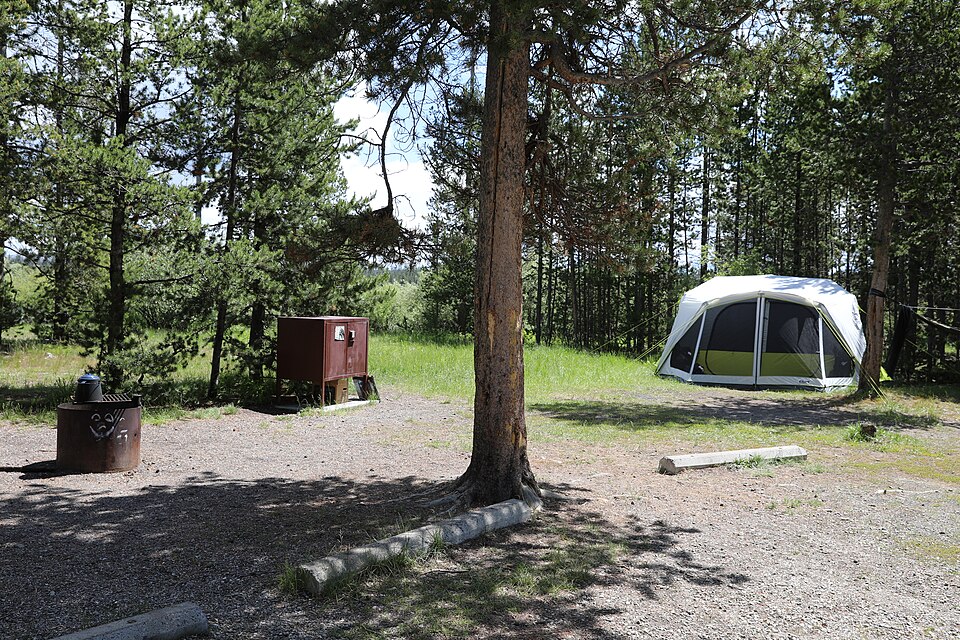
Lock in a stay for this season
Harvest Hosts stays on the way to Sawtooth National Recreation Area
Partner link · Harvest Hosts
Winter's Snowy Embrace
Winter transforms the Sawtooth National Recreation Area into a quiet, frozen wilderness. From November through April, the region is a haven for Nordic skiing, snowshoeing, and snowmobiling. The jagged peaks covered in deep powder provide a stunning backdrop for winter sports enthusiasts who don't mind the biting cold. Temperatures frequently drop well below zero, especially in the Stanley basin, which is known as one of the coldest spots in the lower 48 states.
While most traditional hiking trails are inaccessible without specialized winter gear, the scenic beauty of the snow-draped mountains is unparalleled. Travel can be difficult during this time, as Highway 75 and Highway 21 can experience closures due to heavy snowfall or avalanche risk. If you choose to visit in winter, ensure your vehicle is equipped for icy mountain roads and that you have packed sufficient thermal layers. The local community in Stanley remains active, though many summer-only businesses will be shuttered for the season.
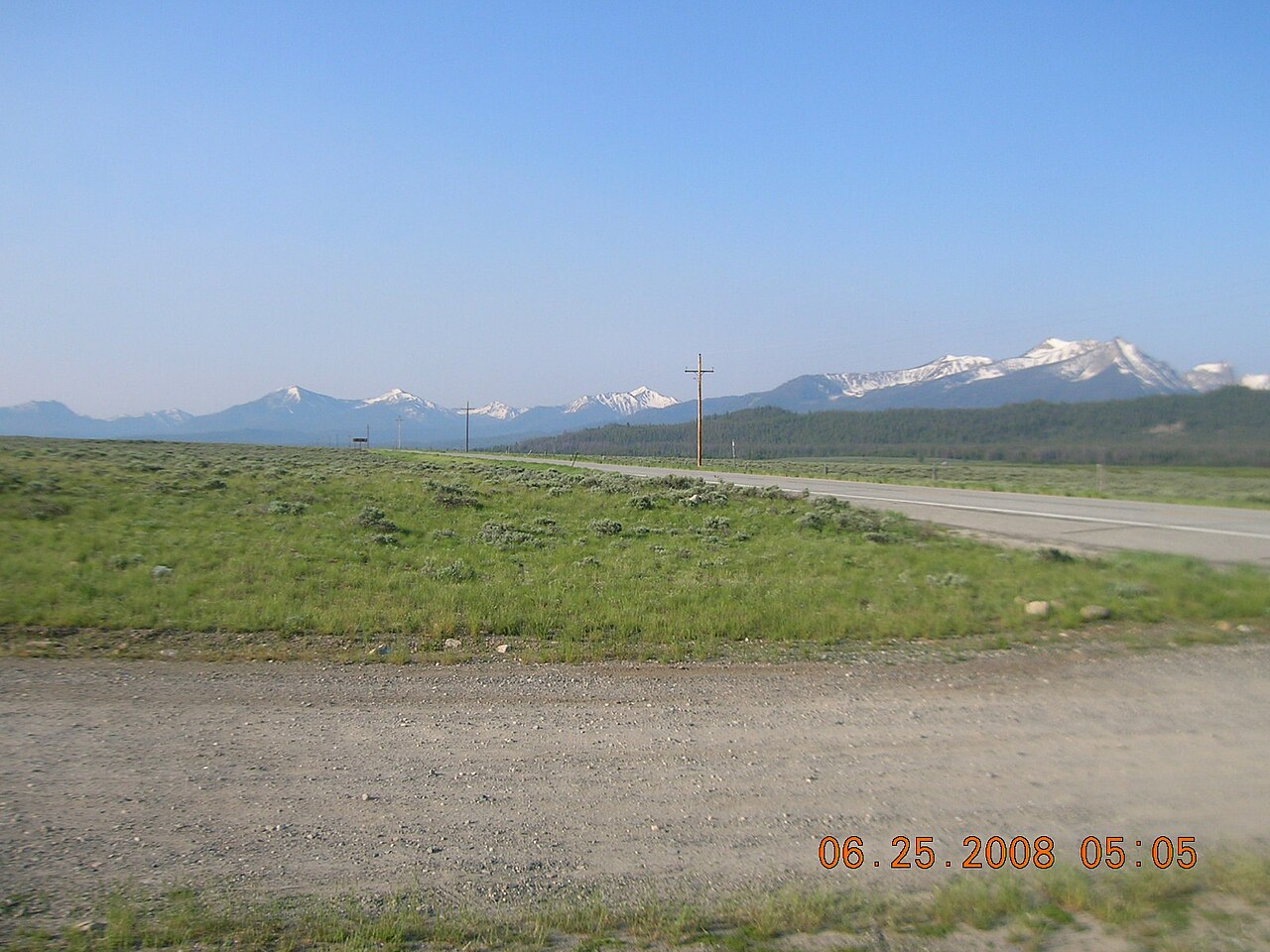
Reservations and Planning Tips
Securing your spot in this popular recreation area requires forward thinking, especially for summer stays. Many of the developed campgrounds near Redfish Lake and Alturas Lake operate on a rolling reservation system that opens six months in advance. These sites often fill up within minutes of becoming available. If you miss out on a reservation, there are several first-come, first-served sites, but you will need to arrive early in the week to have a chance at snagging one.
For those planning to head into the backcountry, permit requirements vary. While some areas only require a self-issued permit at the trailhead, others may have stricter regulations to protect the delicate alpine environment. Budgeting for your trip should include modest fees for camping and day-use areas. Always consult the official Sawtooth National Forest website for the most current information on fees, wilderness regulations, and mandatory food storage requirements to keep both you and the local bear population safe.
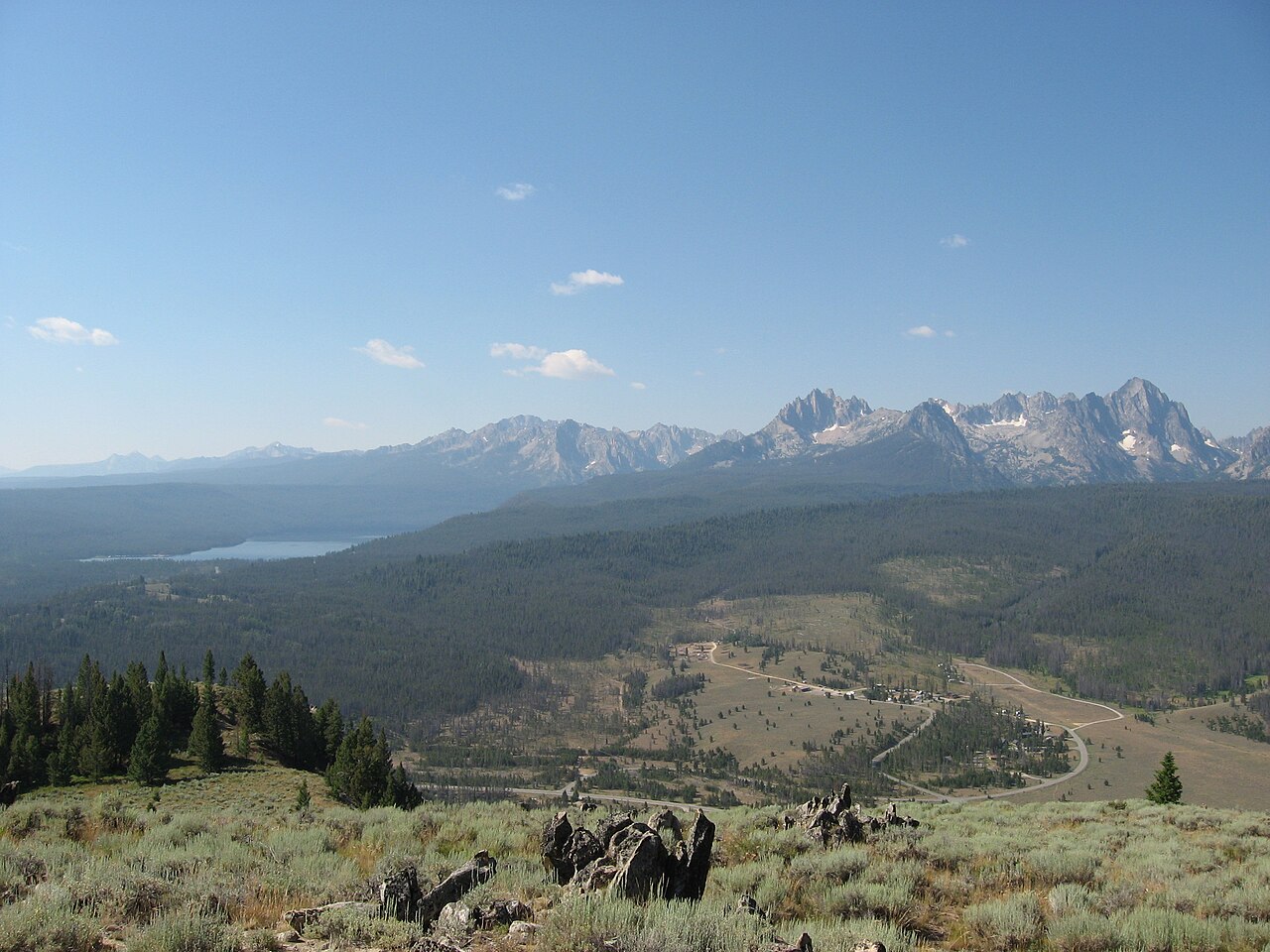
More ways to book Sawtooth National Recreation Area
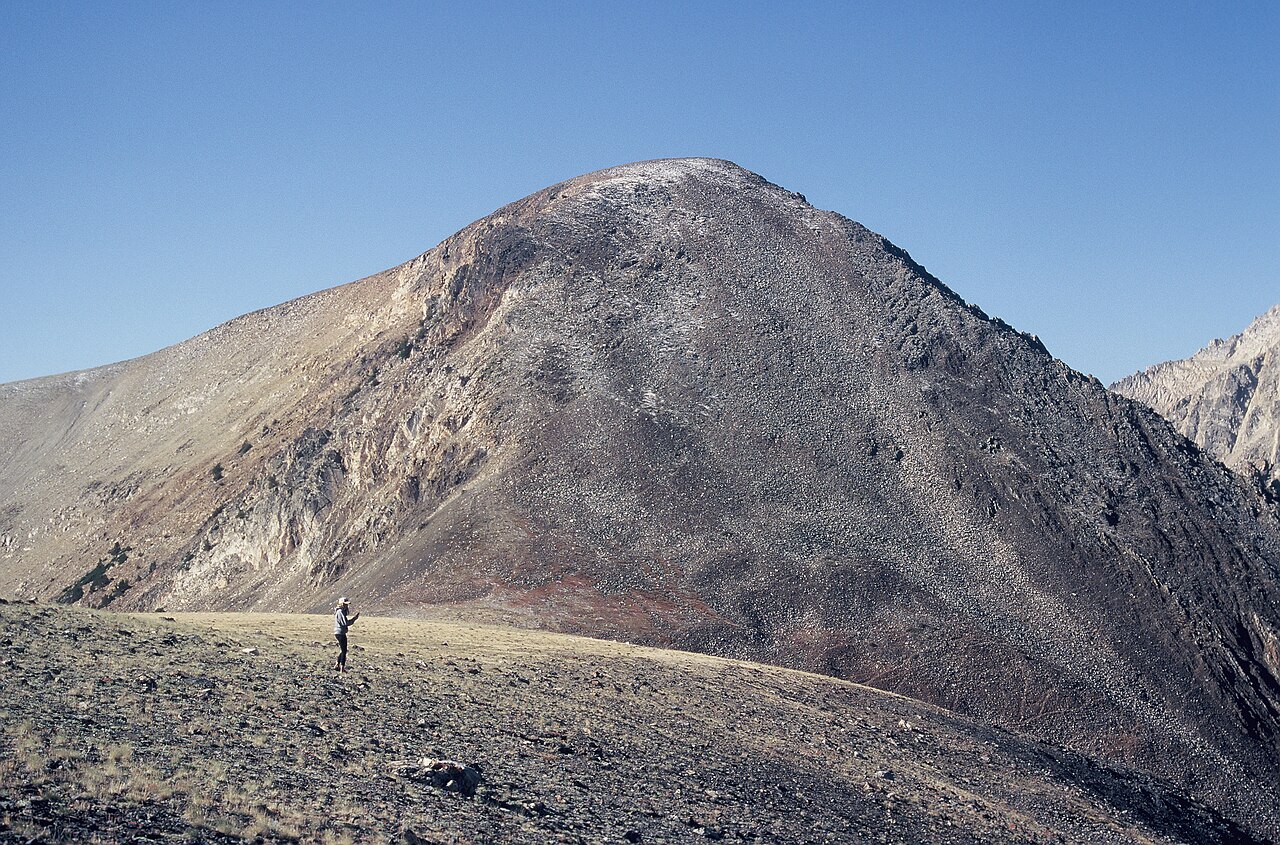 Illustrative · Intermountain Forest Service, USDA Region 4 Photography
Sawtooth Lake Trail
One of the classic ways to experience Sawtooth National Recreation Area.
Varies (estimate)
Partner link · Viator