
For those who want to experience the raw, unbridled beauty of the Idaho wilderness without sacrificing the comforts of home, glamping in the Sawtooth Mountains is the perfect solution. This region, known for its jagged skylines and pristine lakes, has seen a rise in high-end outdoor accommodations that provide a bridge between traditional camping and boutique lodging. From heavy-canvas wall tents with real mattresses to modernized rustic cabins, glamping allows you to fall asleep to the sound of the wind through the pines while waking up in a plush bed.
What to Expect from Glamping in Idaho
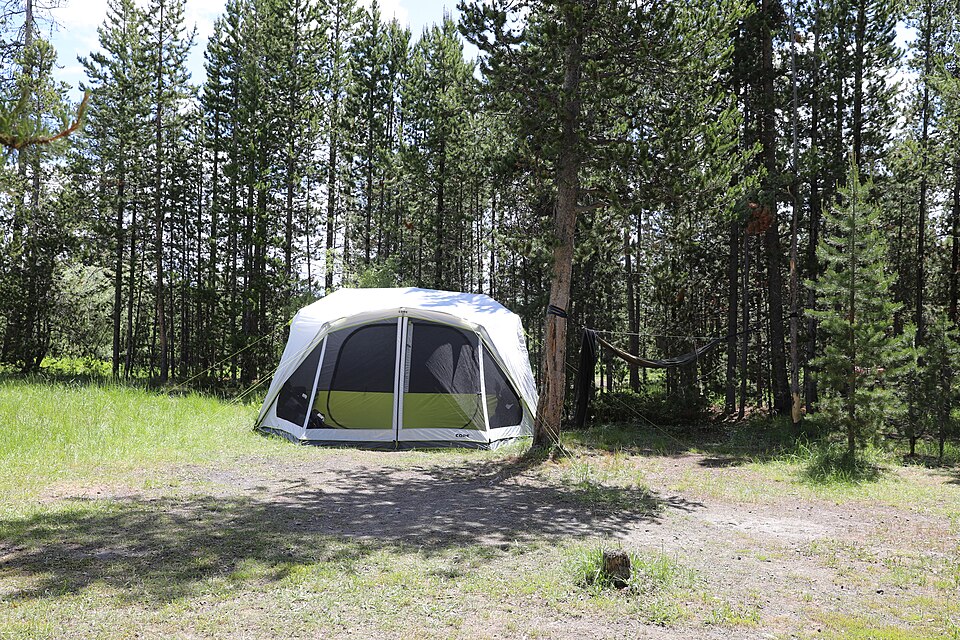
Glamping in the Sawtooths typically takes the form of well-appointed safari-style tents or refurbished historic cabins located on the outskirts of the wilderness area. Unlike traditional camping, where you might be sleeping on an inflatable pad, glamping sites often feature high-quality linens, comfortable furniture, and sometimes even wood-burning stoves for those chilly Idaho nights. These accommodations are designed to let the outside in, with large windows or zip-down mesh walls that provide views of the mountains while keeping the elements at bay.
Most glamping sites in the area are located near the town of Stanley or along the banks of the Salmon River. While you are still 'outdoors,' you will likely have access to shared or private bathroom facilities that are a significant step up from a forest service pit toilet. Some locations may offer communal fire pits, gourmet breakfast options, or even on-site gear rentals. It is a way to enjoy the ruggedness of the Sawtooth National Recreation Area with a level of hospitality that makes the experience accessible to everyone.
Glamping vs. Traditional Camping and RVs
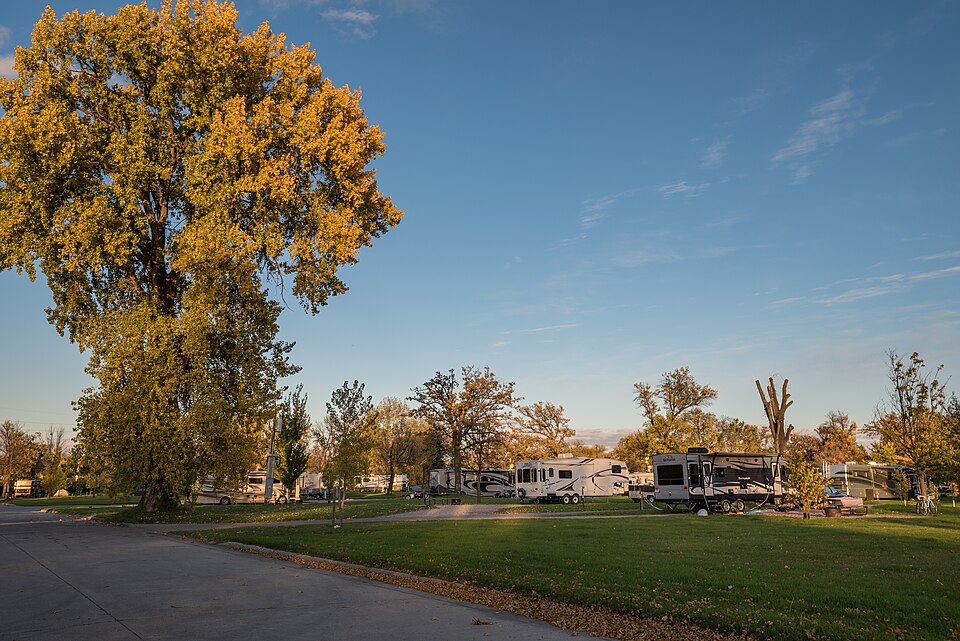
Choosing between glamping and other forms of stay depends on your desired level of immersion and effort. Traditional tent camping in the Sawtooths is a rugged affair, requiring you to haul all your gear and manage your own food storage in bear country. RVing is a popular middle ground, offering a hard-sided shelter and kitchen facilities, but it is limited by the availability of hookups, which are scarce in the more scenic forest service campgrounds. RVers also have to navigate the winding mountain passes, which can be stressful for some drivers.
Glamping removes the logistical burden of packing and setting up a camp. It is ideal for travelers flying into Idaho who don't want to check bags full of camping gear. You get the immersive experience of hearing the night sounds and breathing the fresh mountain air, similar to tent camping, but with the convenience and amenities of a hotel. It is particularly popular for romantic getaways or for those celebrating special occasions who want the 'wilderness vibe' without the 'wilderness grit.'
Best Locations for Luxury Outdoor Stays
The primary hub for glamping and luxury outdoor stays is the area immediately surrounding Stanley. This tiny town serves as the gateway to the Sawtooths and is home to several properties that offer upscale cabins and tent experiences. Staying near Stanley puts you within minutes of the Redfish Lake trailheads and the Salmon River, making it a convenient base camp for daily adventures. You can spend your day on a grueling hike and return to a hot shower and a soft bed.
Another excellent area to look for these accommodations is south toward the Galena area or north along the Salmon River canyon. These locations offer a bit more seclusion away from the main summer crowds of Redfish Lake. Some ranches in the valley also provide glamping-style setups as part of a larger western experience, including guided horseback rides and fly-fishing access. When searching for these spots, look for descriptions like 'luxury wall tents' or 'boutique mountain cabins' to ensure you are getting the glamping experience rather than a basic primitive rental.
Seasonal Considerations for Glampers
Because glamping involves semi-permanent structures like canvas tents, the season is much shorter than for traditional hotels. Most glamping operations in the Sawtooth Mountains open in late June, once the overnight freezes become less frequent, and close by mid-September. The weather is the primary factor; even the best canvas tent can be difficult to heat when an early October snowstorm rolls through. If you are planning a trip in the 'shoulder' months of June or September, be sure to ask your host about the heating options provided.
Reservations for these high-end spots are in high demand and often sell out months in advance for the July and August peak. Unlike forest service campsites, which can sometimes be found last-minute on weekdays, glamping sites are limited in number and require early planning. A typical daily budget for glamping will be significantly higher than a standard campsite, reflecting the luxury amenities and personalized service. Always check the official website of the provider for their specific cancellation policies and what gear, like towels or headlamps, you might still need to bring.
Packing for Your Glamping Adventure
Even though you'll have a comfortable bed and likely a roof over your head, you are still in a high-alpine environment. The most important thing to pack is layers. Even in the height of summer, temperatures in the Stanley basin can drop into the 30s at night. Bring a warm hat, wool socks, and a down jacket for sitting outside by the fire. Sturdy shoes are still necessary, as most glamping sites have gravel paths or uneven dirt terrain between the sleeping quarters and the main facilities.
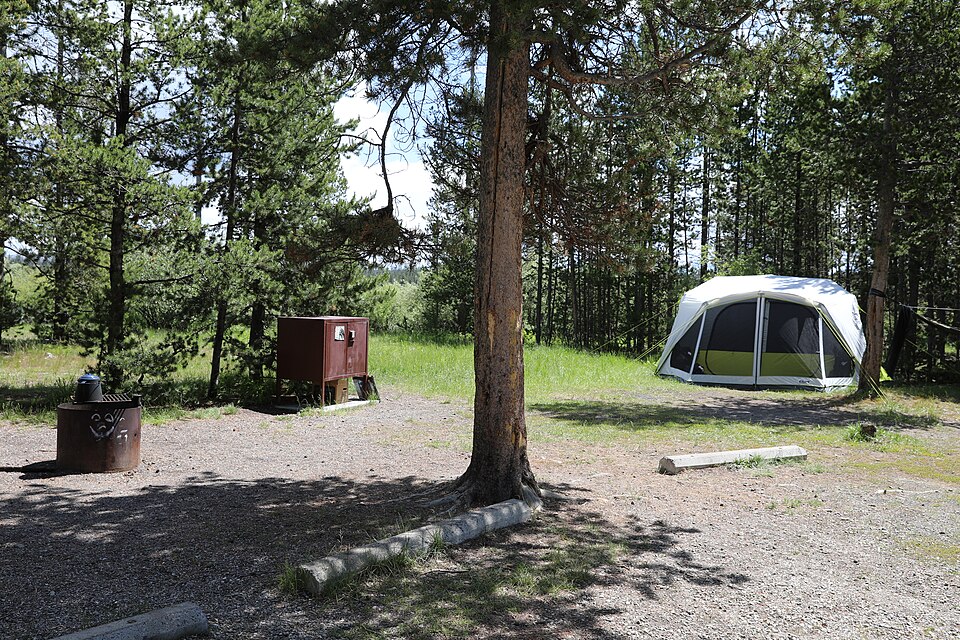
Don't forget the essentials for mountain life: high-SPF sunscreen, insect repellent, and a good reusable water bottle. While many glamping sites provide lighting, a small headlamp is always useful for navigating your tent at night. If your site doesn't include meals, you'll want to bring a cooler for drinks and snacks, though many glampers choose to eat at the local restaurants in Stanley. Finally, remember that you are in bear country; even at a luxury site, you must follow all rules regarding food storage to keep both yourself and the local wildlife safe.