
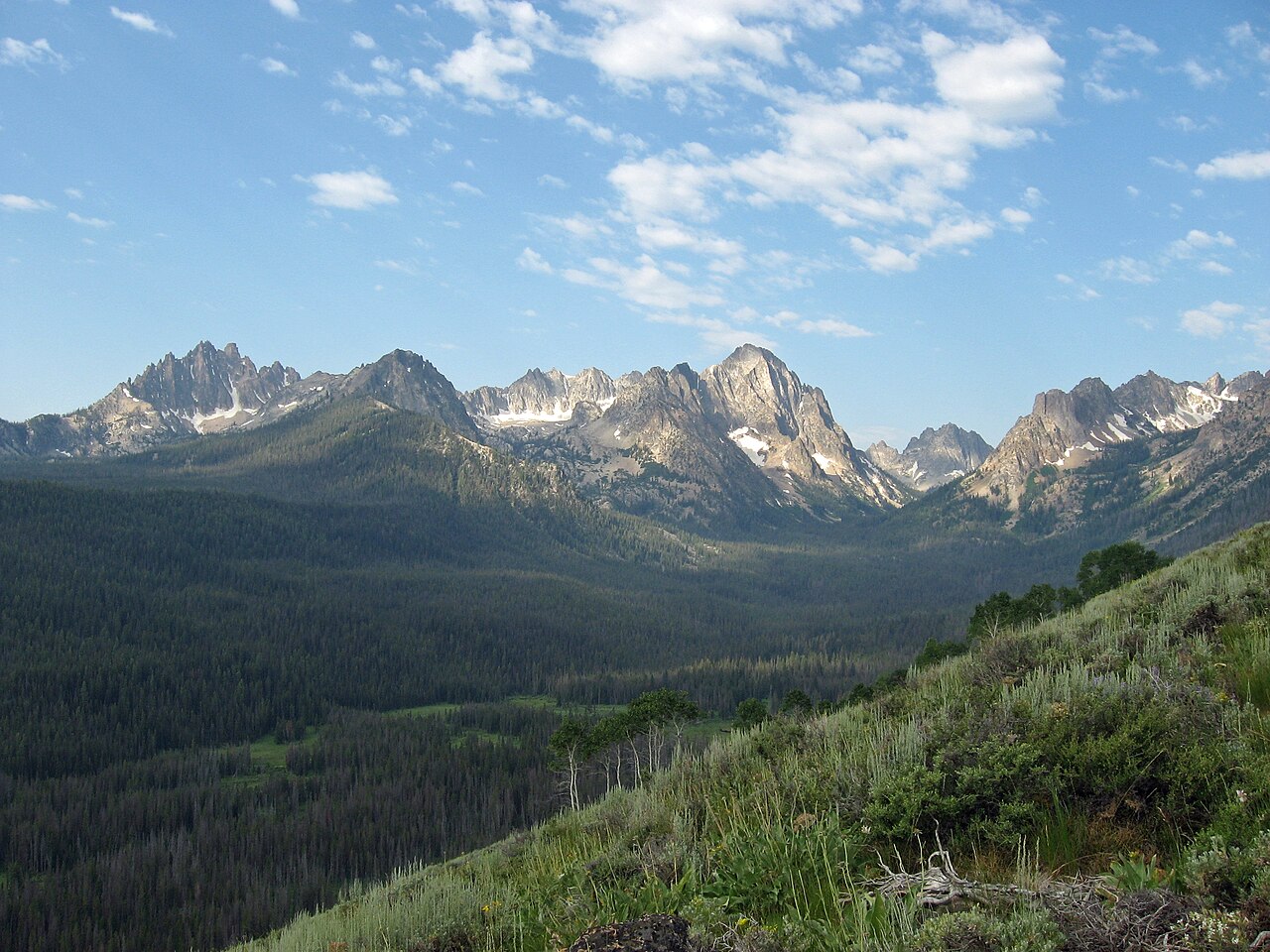
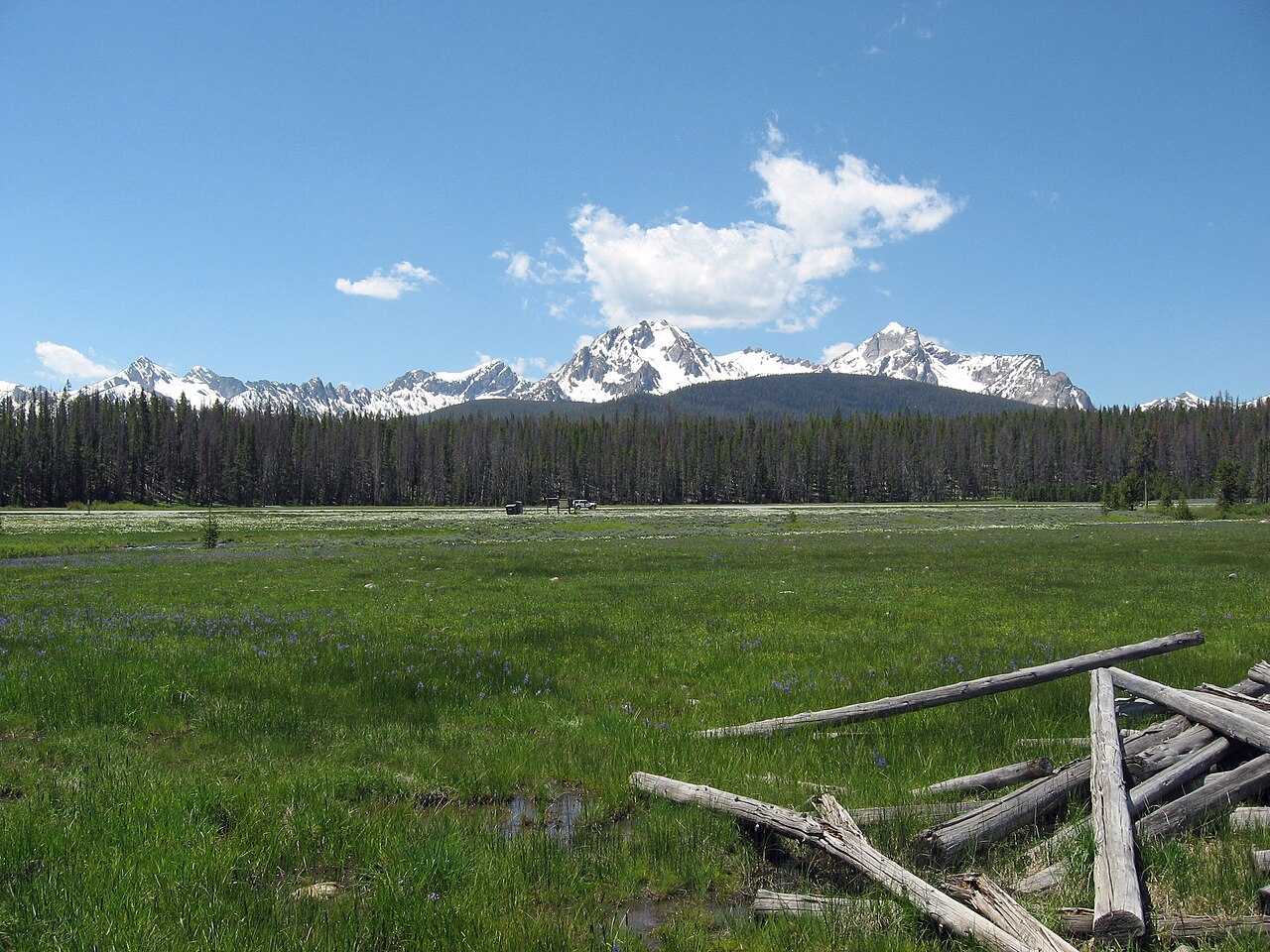
Choosing the best time to visit Sawtooth Mountains depends heavily on your tolerance for snow and your desire for high-alpine access. This jagged range in central Idaho offers a brief but spectacular window for exploration, characterized by crystal-clear lakes and granite spires. While summer is the most popular period, the shifting seasons each bring a unique character to the wilderness, from the rushing snowmelt of spring to the golden hues of autumn. Understanding the rhythm of the Sawtooth National Recreation Area ensures you arrive when the trails are ready for your boots.
Summer Solitude and High Alpine Access
July and August are widely considered the peak months for any Idaho mountain excursion. By mid-July, the heavy snowpack usually recedes from the higher passes, allowing hikers to reach iconic spots like Alice Lake or Sawtooth Lake without post-holing through deep drifts. The daytime temperatures are pleasantly warm, often reaching the 70s or 80s, while the nights remain crisp and cool, perfect for a campfire. This is the prime season for backpacking, lake fishing, and rock climbing.
However, because this window is short, these months see the highest volume of visitors. Popular trailheads near Redfish Lake can fill up early in the morning, and the limited developed campgrounds often reach capacity weeks or months in advance. If you plan to visit during these months, it is essential to check the official National Forest Service website for current trail conditions and to secure any necessary overnight permits or site reservations as early as the booking window allows.
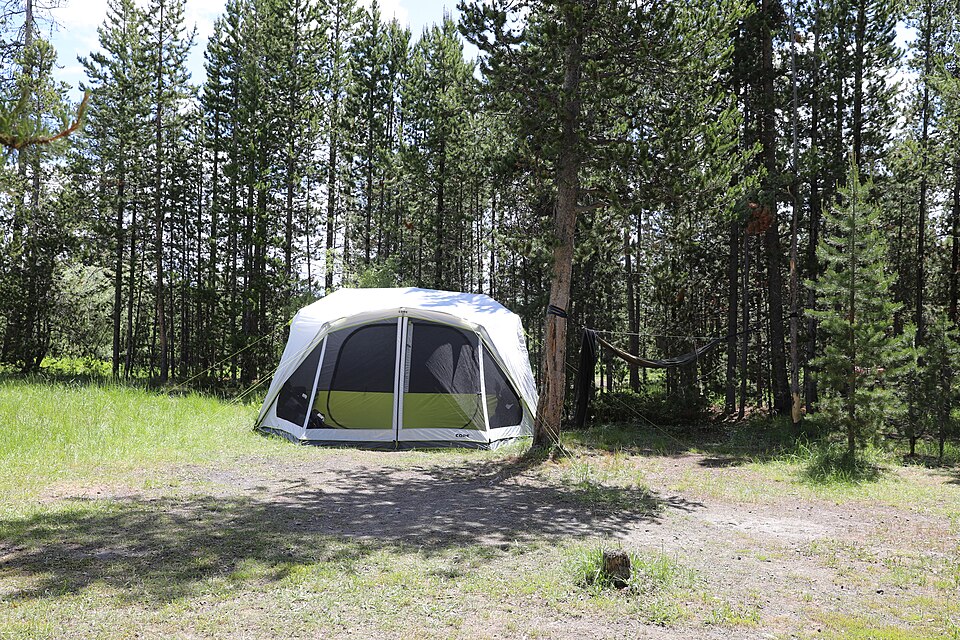
Lock in a stay for this season
RV parks near Sawtooth Mountains on RoverPass
Partner link · RoverPass
The Transition of Spring
Spring in the Sawtooths, typically spanning from late April through June, is a season of dramatic change. In the lower elevations near Stanley, the valley floor begins to green up, and the Salmon River swells with snowmelt, providing thrilling conditions for whitewater enthusiasts. However, visitors should be aware that "spring" in the high country looks very different than in the lowlands. Many high-elevation trails remain buried under several feet of snow well into June, making technical hiking difficult without specialized gear.
Wildlife viewing is particularly rewarding during this time as elk and deer move through the valleys. The crowds are significantly thinner than in mid-summer, offering a sense of quietude that is hard to find later in the year. If you visit in late spring, be prepared for unpredictable weather, including late-season snowstorms and muddy trail conditions. It is a time for flexible itineraries and lower-elevation explorations along the riverbanks rather than summit pushes.
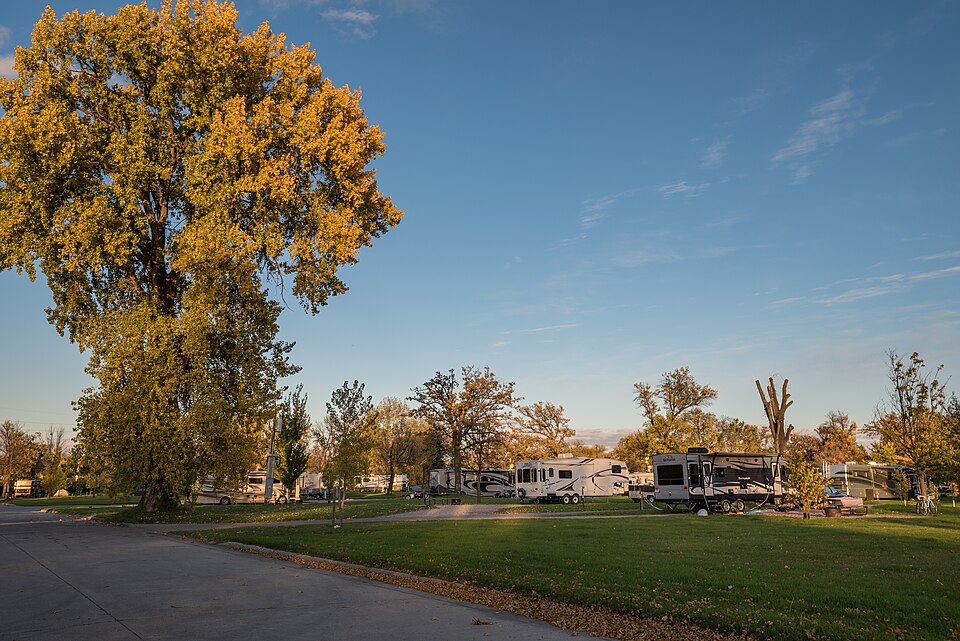
Lock in a stay for this season
Campsites near Sawtooth Mountains on Campspot
Partner link · Campspot
Golden Tones of Autumn
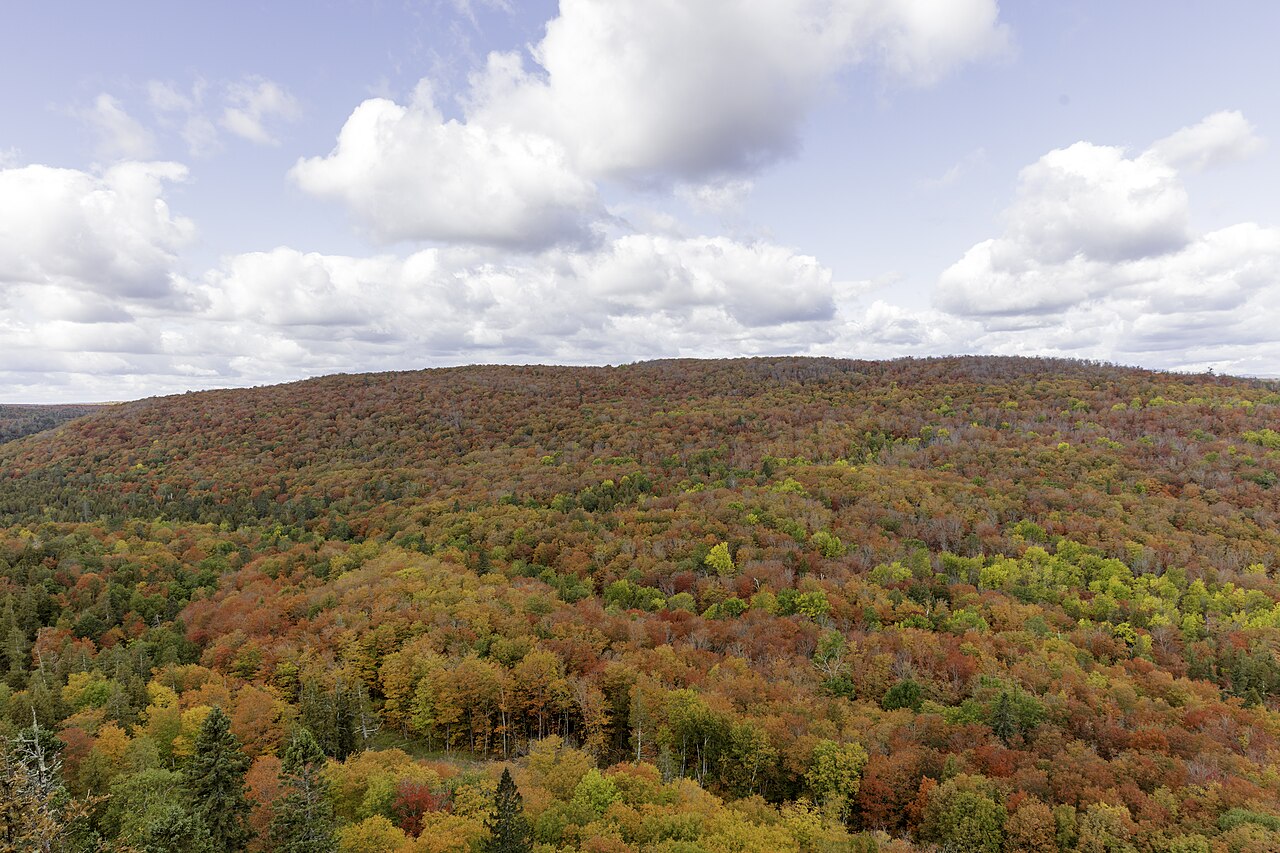
September and early October represent a hidden gem for travelers seeking cooler temperatures and vibrant colors. As the heat of summer fades, the underbrush turns shades of orange and red, and the occasional aspen grove flickers with gold against the backdrop of dark evergreens and gray granite. The insects that can be bothersome in July are largely gone, and the air takes on a sharp, clean clarity that makes for incredible photography.
While the days remain sunny and mild, nighttime temperatures can plummet below freezing, so packing high-quality layers is mandatory. Many of the seasonal services, including boat shuttles and some general stores, begin to wind down or close for the season after Labor Day. For those who enjoy solitude, the fall offers a peaceful atmosphere where you might have an entire alpine basin to yourself. Just be mindful of the approaching winter; the first significant snowfalls often arrive by mid-October, effectively closing the high-country hiking season.
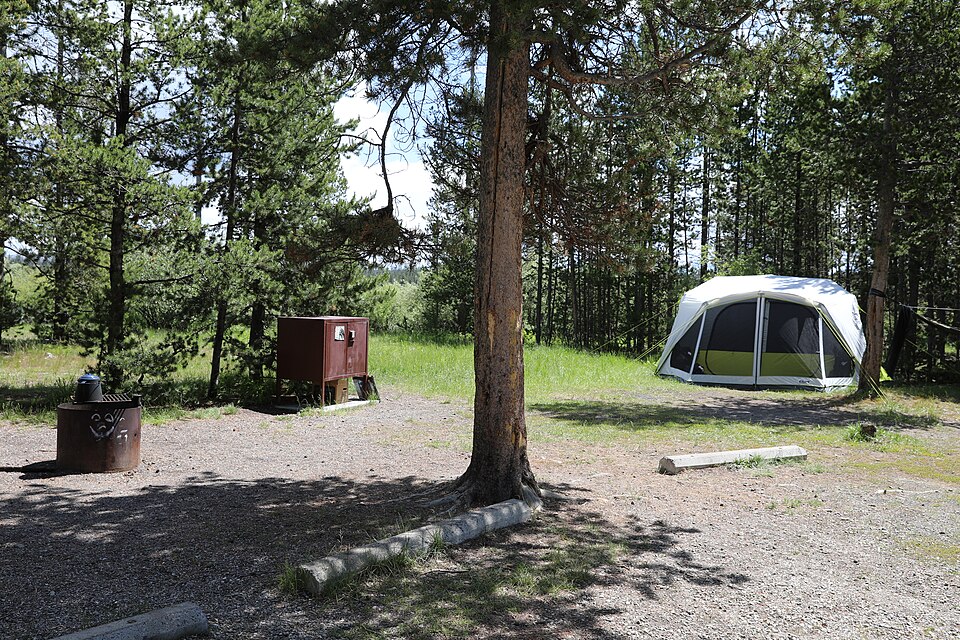
Lock in a stay for this season
Harvest Hosts stays on the way to Sawtooth Mountains
Partner link · Harvest Hosts
Winter's Frozen Majesty
Winter transforms the Sawtooth National Recreation Area into a quiet, snow-covered wonderland from November through March. While many of the high-country trails are inaccessible to standard hiking, the area becomes a destination for Nordic skiing, snowshoeing, and snowmobiling. The town of Stanley remains a base for winter adventurers, though many businesses operate on reduced schedules or close entirely. The jagged peaks covered in a thick blanket of white provide a stunning visual contrast against the deep blue Idaho sky.
Travelers should be aware that Highway 21 and Highway 75 can experience difficult driving conditions or temporary closures due to heavy snow and avalanche risks. Staying in the area during winter requires a love for the cold and a self-sufficient attitude. It is the best time for those looking to soak in nearby natural hot springs while surrounded by snowbanks, providing a quintessential Idaho experience. Always monitor NOAA weather reports and local road conditions before heading into the mountains during the winter months.
Reservations and Planning Tips
Given the popularity of the Sawtooths, timing your reservation is just as important as timing your arrival. For those looking to stay in developed campgrounds around Redfish, Pettit, or Alturas Lakes, reservations typically open six months in advance on federal booking sites and disappear almost instantly for weekends. If you miss the window, there are several first-come, first-served sites, but these often require arriving on a Wednesday or Thursday to secure a spot for the weekend.
Backpackers entering the Sawtooth Wilderness need to obtain a permit, which is usually available for free at the trailheads, but it is vital to check the latest NPS and Forest Service regulations regarding group sizes and campfire restrictions, which can change based on fire risk. Budgeting for your trip should include a modest daily amount for fuel, food, and potential equipment rentals in Stanley. Expect to pay standard rates for forest service sites, while private lodging in the area commands a premium during the short summer peak. Always have a backup plan in case your preferred trailhead or campsite is full.
More ways to book Sawtooth Mountains
 Illustrative · Lorie Shaull
Alice Lake Loop
One of the classic ways to experience Sawtooth Mountains.
Varies (estimate)
Partner link · Viator